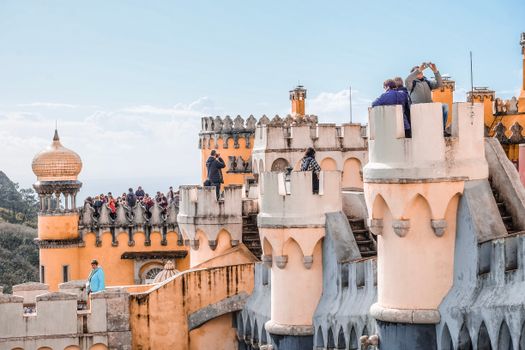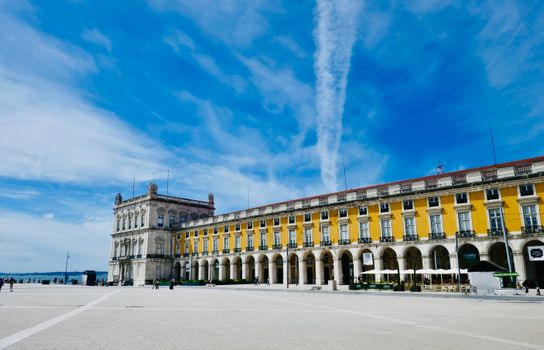
The Hook: A Morning in Lisbon
I stepped off the yellow Tram 28, the screech of iron on iron still ringing in my ears, and was immediately hit by the scent of charred sugar and cinnamon wafting from a nearby pasteleria. It was 8:30 AM in the Alfama district. While my former colleagues in London were likely battling the humidity of the Underground, I was opening my laptop at a marble-topped table, looking out over the Tagus River.
The air was salty, the sunlight had a peculiar golden quality that seemed to polish the azulejo tiles, and for the first time in years, I didn't feel like I was rushing. This wasn't a vacation; it was Tuesday. This is the reality of the "Residency Revolution." Travel advisors are no longer just booking flights; they are architecting lives. If you’ve ever wondered which countries actually want you to stay, here is the curated shortlist of where the red carpet is rolled out for the remote workforce.
1. Portugal: The Golden Child of the D8 Visa
Portugal remains the undisputed heavyweight champion in the remote work world. While the famous "Golden Visa" (real estate investment) has morphed, the D8 Digital Nomad Visa has stepped into the spotlight.
The Vibe Check:
Portugal isn't just about Lisbon’s hills. Travel advisors are increasingly pointing clients toward Ericeira—a world-class surfing reserve just 45 minutes from the capital. It’s where high-speed fiber optics meet the Atlantic swell.
The Red Tape Reality:
To qualify, you need to prove an income of at least four times the Portuguese minimum wage (roughly €3,280 per month). You can apply for a short-stay (up to 1 year) or a residency permit (up to 5 years, leading to permanent residency).
Pro-Tip:
Skip the famous Pastéis de Belém queue. Head to Manteigaria in the Time Out Market or Chiado. The crust is flakier, the queue is shorter, and the espresso (a bica) hits harder.
2. Spain: The New Frontier of the "Ley de Startups"
For years, we waited. In 2023, Spain finally launched its official Digital Nomad Visa, and it’s a game-changer. It’s part of the "Law of Startups," designed to lure international talent.
The Insider Detail:
While everyone flocks to Barcelona, savvy advisors suggest Valencia. It’s flatter (better for biking), cheaper, and the Turia Park—a riverbed turned into a 9km urban park—is the ultimate "outdoor office."
The Financial Edge:
One of the biggest draws is the Beckham Law tax treatment. If you qualify, you could be taxed at a flat rate of 24% on Spanish-derived income for up to six years, rather than the progressive rates that can climb over 45%.
Pro-Tip:
In Spain, "lunch" happens at 2 PM. If you try to take a Zoom call then, expect background noise. Schedule your deep work for the siesta hours (4 PM to 7 PM) when the shops close and the streets go quiet.
3. Greece: History, Humidity, and 50% Tax Breaks
Greece isn’t just for island hopping; it’s for island living. The Greek Digital Nomad Visa is robust, but the real kicker is the tax incentive.
The Logistics:
If you commit to staying for at least two years, you may be eligible for a 50% income tax reduction. That’s massive. You need to prove a monthly income of €3,500.
The Local Secret:
Don't settle in Santorini; the crowds will break your spirit. Look at Chania, Crete. It has a thriving nomad community, the best olive oil on the planet, and the Lefka Ori (White Mountains) provide a stunning backdrop for your "office."
Quick Facts Table: The Nomad Comparison
| Country | Min. Income (Monthly) | Permit Duration | Top Perk | Cost of Living Index |
| :--- | :--- | :--- | :--- | :--- |
| Portugal | €3,280 | 1-5 Years | Path to EU Passport | Moderate |
| Spain | €2,650 | 1-5 Years | 24% Flat Tax Option | Moderate |
| Greece | €3,500 | 2 Years | 50% Tax Break | Low-Moderate |
| Mauritius | Proof of Income | 1 Year | Zero Visa Fees | Low |
| Estonia | €4,500 | 1 Year | 100% Digital Gov | Moderate |
4. Mauritius: The Tropical Tax Haven
If your dream involves white sand and turquoise lagoons rather than cobblestones and cathedrals, Mauritius is the travel advisor’s "hidden gem" pick.
The Premium Visa:
Unlike most European options, the Mauritius Premium Visa is free. Yes, zero processing fees. You just need to show your remote work contract and travel insurance.
The Infrastructure:
Don't let the "island vibe" fool you. The internet in hubs like Grand Baie and Tamarin is surprisingly stable. It’s a favorite for South Africans and Europeans because of the favorable time zone (GMT+4).
Pro-Tip:
The hidden entrance to the best snorkeling isn't via a boat tour. Go to Trou aux Biches beach at 7 AM, swim out about 100 meters near the reef break, and you’ll have the sea turtles all to yourself before the tourists wake up.
5. Estonia: The Pioneer of the E-Residency
Estonia was the first country to launch a dedicated Digital Nomad Visa. It’s the "Silicon Valley of the North," home to Skype and Wise.
The Vibe:
Tallinn looks like a Disney movie set but functions like a futuristic spaceship. Everything is digital. You can file your taxes in five minutes while sitting in a medieval cellar drinking honey beer.
The Specifics:
You need a gross income of €4,500 per month. It’s a higher bar than Portugal, but the efficiency of the government is worth the premium.
Pro-Tip:
Visit the Telliskivi Creative City. It’s an old industrial complex turned into a hub of galleries, bars, and co-working spaces. The "hidden" entrance to the best street art is behind the old railway tracks—follow the smell of sourdough from the Muhu Pagarid bakery.
6. Costa Rica: Pura Vida for Professionals
Costa Rica recently overhauled its "Rentista" and "Digital Nomad" laws to make it easier for remote workers to stay for up to two years.
The Draw:
You are exempt from local income taxes and can import your home office equipment duty-free. For those in US time zones, it’s the ultimate "near-shore" destination.
The Logistics:
Focus on Nosara or Santa Teresa. These aren't just beach towns; they are wellness hubs. You’ll find high-speed Wi-Fi in cafes where people are more likely to be holding a green juice than a beer.
Pro-Tip:
The "Hidden Door" to authentic Costa Rican cuisine is the Soda. These are small, family-run eateries. Look for the one with the most local trucks parked outside—order the Casado with extra plantains. It’ll cost you $6 and keep you full until dinner.
The Budget & Logistics: Making the Leap
Estimated Startup Costs:
* Visa Fees: $0 (Mauritius) to $600 (Spain/Portugal including lawyer consultations).
* Health Insurance: $50-$150/month (SafetyWing or World Nomads are the industry standards).
* Accommodation: Use "Flatio" or "Blueground" for mid-term rentals instead of Airbnb to save 30-40%.
How to Get There:
Most of these countries require you to apply from your home country’s consulate, though Spain allows you to apply while on a 90-day Schengen tourist visa. Always check the latest updates, as "nomad laws" change faster than a TikTok trend.
Authenticity: Beyond the Instagram Filter
Let’s be real: Remote work abroad isn't always sunsets and sangria. It’s figuring out why your Spanish washing machine takes four hours to finish a cycle, or why the "high-speed" internet in a Greek villa dies during a thunderstorm.
But then, you walk outside. You see the Brutalist architecture of a Tallinn suburb softened by a fresh dusting of snow, or you taste the complex, earthy spice blend of a Mauritian dholl puri on a street corner. You realize that your "residence permit" isn't just a piece of paper; it’s a license to reinvent yourself.
Travel advisors suggest these countries not just because the paperwork is manageable, but because the ROI on your life increases the moment you touch down.
---