The Unseen Symphony: My Return to a Wilder World
I stepped off the train, and the air was different. Not the stale, exhaust-tinged air I remembered from years ago, but something richer, alive. It carried the damp, earthy scent of ancient soil, the subtle perfume of unseen blossoms, and a faint, wild musk that tickled my nostrils. The usual cacophony of tourist chatter was replaced by a gentle rustling in the undergrowth, the distant, haunting call of a bird I couldn't quite place, and the soft murmur of a river finding its voice again. This wasn't the place I'd left; this was something… more. This was nature reclaiming its stage, and I was about to witness it firsthand.
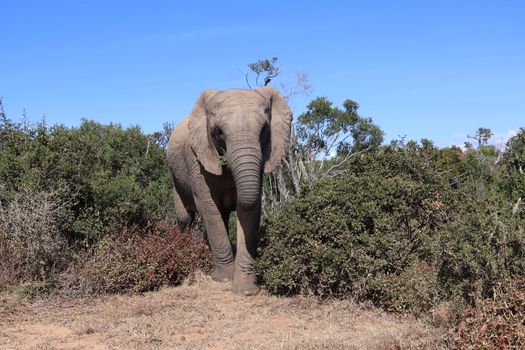
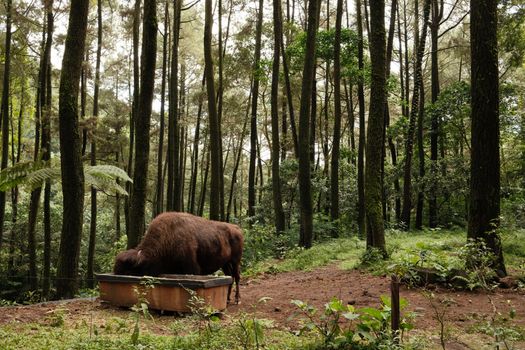
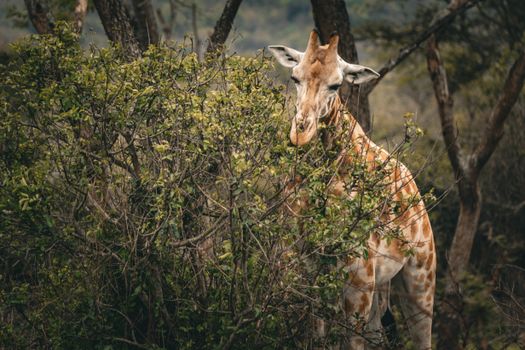
For too long, the narrative around our planet's most breathtaking natural wonders has been one of decline, of overcrowding, of the very essence of their magic being eroded by our presence. But what if I told you there's a different story unfolding? A story of resilience, of recovery, and of a breathtaking resurgence of wildlife in places that once teemed with human activity. These aren't forgotten corners of the earth; they are former tourist hotspots, now whispered about by experts as havens where nature is not just surviving, but thriving. And for us, the discerning traveler, this presents an unparalleled opportunity for authentic, unforgettable experiences.
The Silent Bloom: How Nature Reclaimed Its Territory
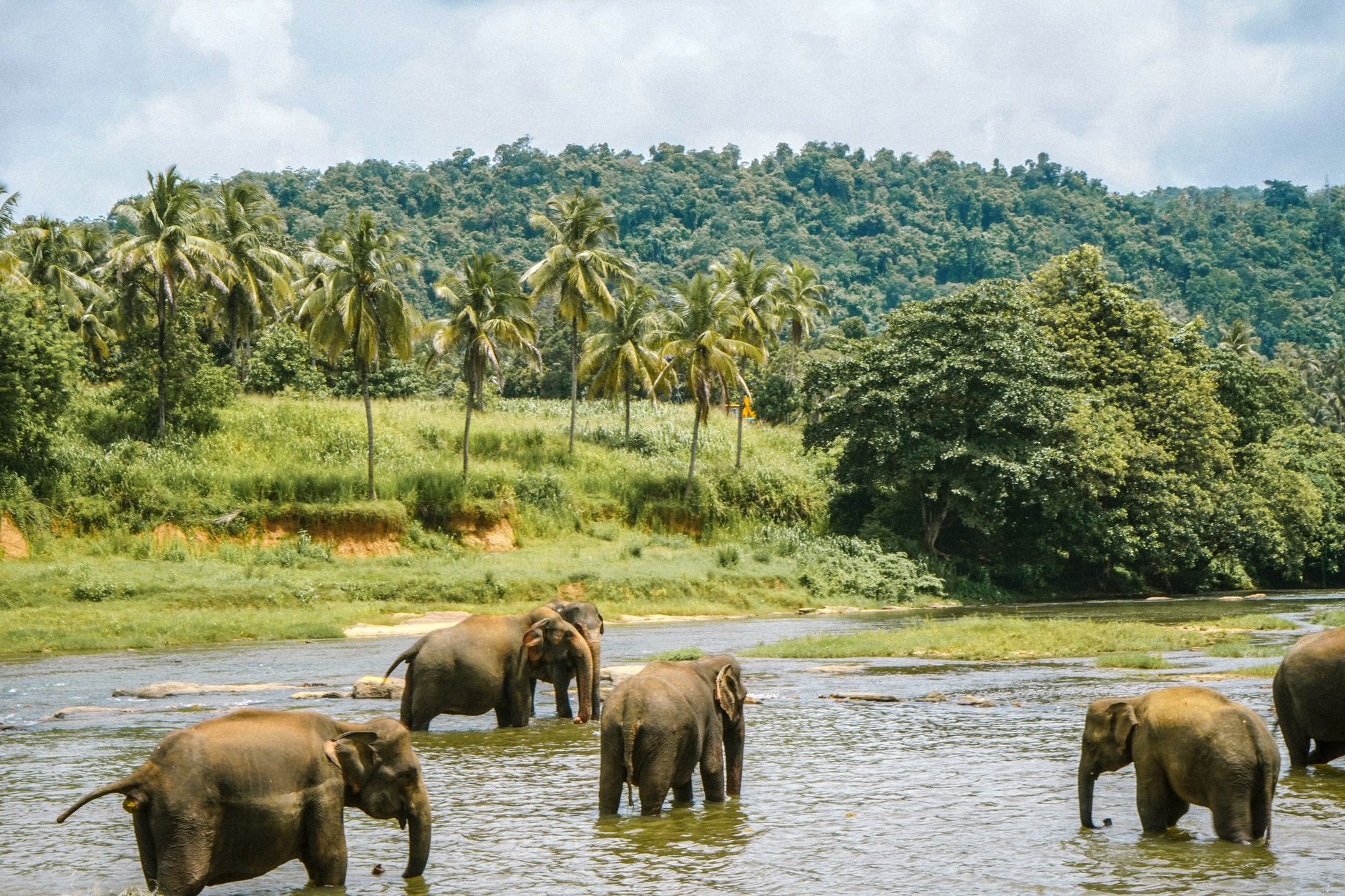
The pause in global travel, while devastating for many economies, offered an unexpected, profound gift to the natural world. With the relentless hum of human presence silenced, ecosystems began to breathe again. Think of it: the relentless pressure of footsteps, the noise pollution, the constant intrusion – all of it subsided, allowing nature's own rhythms to reassert themselves.
- Reduced Human Footprint: Less traffic means cleaner air and water. Fewer boats mean less disturbance to marine life. The simple act of people staying home allowed delicate environments to heal.
- Noise Reduction: The constant drone of engines, music, and voices can stress wildlife, impacting breeding patterns and foraging habits. The quiet allowed animals to relax, communicate, and reproduce more effectively.
- Habitat Regeneration: Without constant human interference, vegetation began to flourish, providing more food and shelter for a wider array of species. Rivers ran clearer, and coastlines became less polluted.
These aren't abstract concepts; they translate into tangible, awe-inspiring wildlife sightings. Experts are noting a significant uptick in the presence and visibility of species that were once shy or elusive, precisely because they feel safer.
Case Study 1: The Emerald Isle's Reawakened Shores
Consider the Galapagos Islands. Once a frontier of scientific discovery, its popularity brought its own set of challenges. Yet, during periods of reduced tourism, marine iguanas became bolder, sea lions returned in greater numbers to popular resting spots, and the iconic blue-footed boobies seemed to perform their courtship dances with renewed vigor, less concerned by the whir of cameras.
Pro-Tip:
Visit during the shoulder seasons (April-May or September-November) for a more intimate experience. The wildlife is active year-round, but you'll have more space to truly connect with the environment.
Quick Facts: Galapagos Islands
| Category | Details | Estimated Cost ($) | Best Time to Visit | How to Get There |
| :----------------- | :--------------------------------------- | :----------------- | :----------------- | :-------------------------------------------------- |
| Wildlife | Marine iguanas, sea lions, boobies, tortoises | $$$$ | Year-round | Flights from mainland Ecuador (Quito/Guayaquil) |
| Accommodation | Eco-lodges, cruises | $$$ - $$$$ | | |
| Activities | Snorkeling, diving, hiking, wildlife tours | $$$ | | |
| Expert Insight | Focus on responsible tour operators. | | | |
Case Study 2: The Serengeti's Uninterrupted Canvas
The vast plains of the Serengeti National Park in Tanzania, a jewel in the crown of African safaris, has also witnessed a remarkable shift. With fewer safari vehicles crisscrossing its landscapes, the Great Migration has flowed with a more natural rhythm. Predators have had more uninterrupted opportunities to hunt, leading to healthier populations. Reports indicate increased sightings of rare species like the wild dog, and cheetahs have been observed with greater frequency.
Insider's Tip:
Opt for a lodge or camp on the periphery of the main tourist routes. You'll still have access to incredible game drives, but with a much more exclusive feel. Waking up to the distant roar of a lion without another vehicle in sight? Priceless.
Quick Facts: Serengeti National Park
| Category | Details | Estimated Cost ($) | Best Time to Visit | How to Get There |
| :----------------- | :--------------------------------------- | :----------------- | :----------------- | :---------------------------------------------------------------------------- |
| Wildlife | Great Migration, lions, elephants, cheetahs, wild dogs | $$$$ | June-Oct (Migration), Jan-Feb (Calving) | Flights to Kilimanjaro (JRO) or Arusha (ARK), then light aircraft to local airstrips. |
| Accommodation | Luxury lodges, tented camps | $$$ - $$$$ | | |
| Activities | Game drives, hot air balloon safaris | $$$$ | | |
| Expert Insight | Consider visiting during the calving season for incredible predator action. | | | |
Case Study 3: The Costa Rican Canopy's Vibrant Hum
Costa Rica, long a champion of ecotourism, has seen its efforts amplified. Areas like Corcovado National Park, known for its immense biodiversity, have benefited from reduced visitor numbers. This has allowed the elusive jaguar to roam more freely, the vibrant scarlet macaws to nest without disturbance, and the myriad of monkeys to swing through the trees with less trepidation. The jungle, it seems, has rediscovered its true voice.
Pro-Tip:
Hire a local naturalist guide. Their knowledge of the terrain and animal behavior is unparalleled, and they can lead you to spots where wildlife is most active, often unseen by casual visitors. They’ll point out the tiny poison dart frogs camouflaged on leaves and the subtle tracks of larger mammals.
Quick Facts: Corcovado National Park, Costa Rica
| Category | Details | Estimated Cost ($) | Best Time to Visit | How to Get There |
| :----------------- | :--------------------------------------- | :----------------- | :----------------- | :---------------------------------------------------------------------------------- |
| Wildlife | Jaguars, tapirs, monkeys, scarlet macaws, sloths | $$$ | Dec-April (Dry Season) | Flights to Drake Bay or Puerto Jimenez, then boat transfers or 4x4 vehicles. |
| Accommodation | Eco-lodges, rustic cabins | $$ - $$$ | | |
| Activities | Hiking, wildlife spotting, boat tours | $$ - $$$ | | |
| Expert Insight | Book park permits and accommodations well in advance, especially during peak season. | | | |
Case Study 4: The Icelandic Fjords' Majestic Return
Even in seemingly stark landscapes, wildlife is making a comeback. The Westfjords of Iceland, a region of dramatic cliffs and pristine coastlines, has seen an increase in puffin colonies and a greater presence of seals and whales in its sheltered fjords. The absence of cruise ship crowds has allowed these animals to thrive in their natural, rugged habitat.
Insider's Tip:
Rent a car and explore at your own pace. The beauty of the Westfjords is in its untamed, raw nature. Stop at small fishing villages, sample fresh seafood, and keep your eyes peeled for marine life just offshore. The air here is so clean it feels like a tonic.
Quick Facts: Westfjords, Iceland
| Category | Details | Estimated Cost ($) | Best Time to Visit | How to Get There |
| :----------------- | :--------------------------------------- | :----------------- | :----------------- | :--------------------------------------------------------------------------------- |
| Wildlife | Puffins, seals, whales, arctic foxes | $$$ | May-August (Puffins) | Flights to Reykjavik (KEF), then drive or domestic flight to Ísafjörður. |
| Accommodation | Guesthouses, farm stays | $$ - $$$ | | |
| Activities | Hiking, bird watching, boat tours, kayaking | $$ - $$$ | | |
| Expert Insight | Pack layers! Icelandic weather is notoriously unpredictable. | | | |
The Power of Responsible Travel: Your Role in the Resurgence
This recovery isn't just a happy accident; it's a testament to nature's incredible resilience. But to ensure these wild spaces continue to flourish, our presence must be mindful and respectful. This is where the concept of responsible tourism becomes paramount.
- Choose Eco-Certified Operators: Look for tour companies and lodges that demonstrate a genuine commitment to conservation, community involvement, and minimizing their environmental impact.
- Respect Wildlife Distances: Never approach or feed wild animals. Observe them from a safe and respectful distance, allowing them to behave naturally.
- Minimize Your Footprint: Stay on designated trails, avoid single-use plastics, conserve water, and be conscious of your waste.
- Support Local Communities: Your tourist dollars can directly benefit the people who live in and protect these natural areas. Engage with local culture respectfully and purchase locally made goods.
- Educate Yourself: Learn about the local flora and fauna, the challenges they face, and the conservation efforts underway.
When you travel with intention, you become part of the solution, not the problem. You contribute to the protection of these wild havens and ensure that future generations can experience the same wonder.
Beyond the Obvious: Emerging Hotspots and Hidden Gems
While iconic destinations are seeing a revival, experts are also pointing to lesser-known areas where similar wildlife recovery is occurring. These are the places where you can truly escape the crowds and immerse yourself in an authentic wilderness experience.
- The Amazon Basin: In remote sections of the Amazon, indigenous communities, supported by conservation initiatives, are seeing a return of species that had become scarce due to deforestation and illegal activities.
- The Adriatic Coast: Certain islands and coastal regions in the Adriatic Sea, once heavily developed for tourism, are now experiencing a resurgence of marine life, including dolphins and diverse fish populations, as conservation efforts take hold.
- The Scottish Highlands: Areas that were once dominated by large estates are now being rewilded, leading to an increase in native species like red deer, golden eagles, and even the potential return of wolves.
These are the destinations for the truly adventurous, the travelers seeking not just a vacation, but a profound connection with the wild.
The Future is Wild: Embracing the New Era of Travel
Stepping back into a recovering natural world is a humbling and exhilarating experience. It’s a reminder of the power of nature and our responsibility to protect it. The wildlife that has reclaimed these former tourist hotspots is a beacon of hope, a testament to what we can achieve when we tread lightly and with respect.
So, pack your binoculars, your sense of wonder, and your commitment to responsible exploration. The wild is calling, and it's more vibrant, more alive, and more authentic than ever before. This isn't just about seeing animals; it's about witnessing the planet heal, and becoming a part of that extraordinary story.