The Whisper of the Wild: Rediscovering Nature's Comeback in Our Favorite Getaways
I stepped off the tiny propeller plane onto the dusty tarmac, the air thick with the scent of salt and something wild – a primal perfume I hadn’t realized I’d missed so acutely. For years, this island had been a symphony of jet skis, booming beach bars, and the cheerful drone of package tours. But this time, something was different. The usual cacophony was replaced by the gentle lapping of waves and the distant, melodious call of a bird I couldn't quite place. This was it. The whisper of the wild, returning. My mission? To uncover the hidden gems where wildlife is making a triumphant comeback, suggested by the very travel advisors who know these destinations best.
1. The Ghost Towns That Roared Back to Life: Palawan's Unseen Shores
Remember the postcard-perfect beaches of El Nido, Palawan, once choked with boats and selfie sticks? While still stunning, the real magic now lies in its less-trodden sister islands, areas that saw a dramatic dip in tourism. Travel advisors like Sarah, a veteran of Southeast Asian eco-tours, have been quietly recommending excursions to the northernmost islands, far from the main hubs.
Pro-Tip:
Charter a private boat and ask your guide to take you to the 'hidden lagoons' – often unmarked on maps. We found ourselves snorkeling in crystalline waters where juvenile reef sharks, once scarce, now patrolled with graceful confidence. The coral, too, is showing remarkable resilience, vibrant hues returning to its delicate structures.
The air here hums with a different energy. It’s the rustle of unseen creatures in the mangrove forests, the flash of iridescent kingfishers diving for their lunch, and the soft plop of a sea turtle surfacing for air. It feels raw, untamed, and profoundly peaceful.
Quick Facts: Palawan's Unseen Shores
- Estimated Costs ($): $150 - $300 per day (including private boat charter, accommodation, and food).
- Best Time to Visit: December to May (dry season, calm seas).
- How to Get There: Fly into Puerto Princesa (PPS) or El Nido (ENI), then arrange boat transfers.
2. The Silent Jungles of Costa Rica: Where Sloths Reign Supreme
Costa Rica, a pioneer in eco-tourism, faced its own challenges. Yet, as visitor numbers dwindled, its protected rainforests and cloud forests became havens for creatures that prefer solitude. My trusted advisor, Marco, who specializes in Central American biodiversity, pointed me towards the Osa Peninsula, a region often overlooked for the more popular La Fortuna.
Pro-Tip:
Stay in an eco-lodge deep within the jungle. Many offer guided night walks. I’ll never forget the surreal experience of spotting a three-toed sloth, usually a master of camouflage, slowly munching leaves just meters from our lodge, its movements so deliberate and serene it felt like watching a nature documentary unfold in real-time. The air was alive with the chirps of insects and the resonant calls of howler monkeys, a symphony of the wild I’d never heard so clearly.
Beyond the iconic sloths, we encountered resplendent quetzals with their impossibly long tail feathers, coatis foraging in the undergrowth, and countless species of frogs, their vibrant colors a warning and a wonder. The sheer density of life is astounding.
Quick Facts: Osa Peninsula, Costa Rica
- Estimated Costs ($): $120 - $250 per day (eco-lodge, guided tours, meals).
- Best Time to Visit: December to April (dry season), but wildlife is abundant year-round.
- How to Get There: Fly into San José (SJO) and take a domestic flight to Drake Bay (DRK) or Puerto Jiménez (PJM).
3. The Reclaimed Coasts of the Galápagos: A Photographer's Dream Come True
The Galápagos Islands are synonymous with unique wildlife. But even here, the pause in mass tourism allowed for a remarkable resurgence. Travel agents who focus on the archipelago are now highlighting smaller, more intimate cruising experiences or land-based stays on less-visited islands.
Pro-Tip:
Choose a liveaboard cruise that focuses on snorkeling and diving. The waters surrounding Genovesa and Fernandina Islands are particularly rich. I was mesmerized by the sheer number of marine iguanas, their prehistoric forms basking on volcanic rocks, unbothered by our presence. The blue-footed boobies performed their comical courtship dances, seemingly more vibrant and numerous than ever.
The feeling is one of stepping back in time. The sea lions, with their playful curiosity, would swim right up to our masks, their sleek bodies a testament to the health of their environment. The sheer fearlessness of these animals, a direct result of reduced human interaction, is breathtaking.
Quick Facts: Galápagos Islands (Specific Islands)
- Estimated Costs ($): $400 - $800+ per day (cruises are more expensive, land-based options available).
- Best Time to Visit: December to May (warm season, calmer seas), June to November (cool season, more marine life activity).
- How to Get There: Fly into Baltra (GPS) or San Cristóbal (SCY) from mainland Ecuador (Quito or Guayaquil).
4. The Untouched Wilderness of the Serengeti: Post-Pandemic Safari Magic
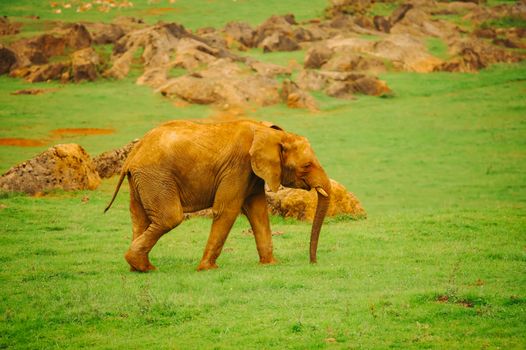
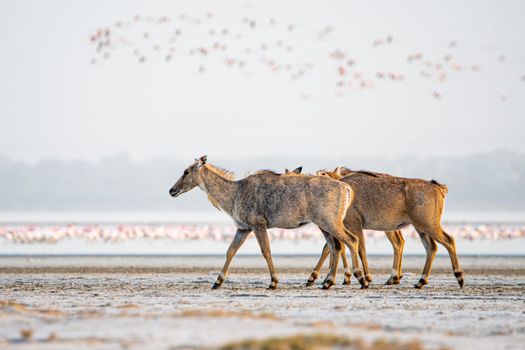
The Serengeti's vast plains, a legendary landscape for wildlife viewing, experienced a profound quietude during travel restrictions. Now, advisors are reporting an even more spectacular Great Migration and increased sightings of elusive predators.
Pro-Tip:
Opt for a mobile safari camp that follows the migration. These camps are set up in remote areas, offering unparalleled access and a more intimate wildlife experience. My advisor, David, who has guided safaris for decades, recommended a camp near the Grumeti River. Witnessing the wildebeest and zebras crossing this powerful river, a scene of raw, untamed nature, was an experience that sent shivers down my spine. The lions, seemingly less disturbed, were more active during daylight hours, offering incredible photographic opportunities.
The air here is pure, carrying the scent of dry grass and distant rain. The silence, broken only by the calls of acacia birds or the distant roar of a lion, is immense. It’s a place where you feel utterly insignificant and profoundly connected to the natural world.
Quick Facts: Serengeti National Park, Tanzania
- Estimated Costs ($): $300 - $700+ per day (lodge or mobile camp, game drives).
- Best Time to Visit: June to October (dry season, excellent for game viewing and migration), January to February (calving season).
- How to Get There: Fly into Kilimanjaro International Airport (JRO) and take a domestic flight to a Serengeti airstrip.
5. The Revival of the Amazon: Deeper Into the Emerald Heart
The Amazon rainforest, a place of unparalleled biodiversity, has always been a destination for the adventurous. But with a temporary lull in certain tourist routes, deeper, more remote lodges are now offering even more extraordinary encounters.
Pro-Tip:
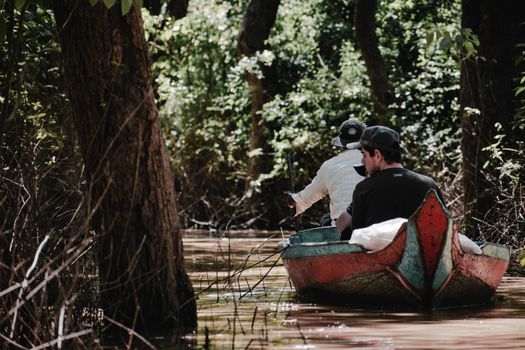
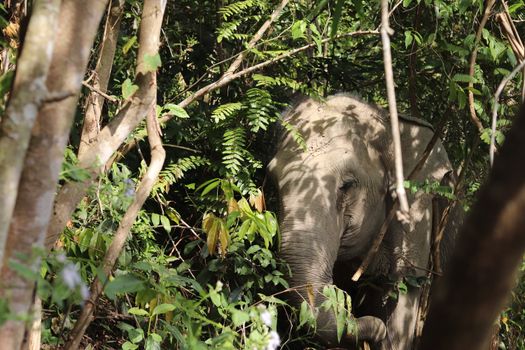
Seek out lodges that actively participate in conservation and community-based tourism. These often offer more authentic experiences and better chances to spot rarer species. My advisor, Elena, who champions sustainable Amazonian travel, suggested a lodge accessible only by a multi-day river journey. The sheer density of the jungle felt overwhelming at first, but then, the sounds began to reveal themselves: the piercing shriek of a scarlet macaw, the rustle of monkeys in the canopy, and the almost imperceptible hum of a million insects.
We saw pink river dolphins playing in the tributaries, caimans lurking in the shallows, and an astonishing array of birds. The guides, often indigenous locals, possess an encyclopedic knowledge of the forest's secrets, pointing out medicinal plants and tracking elusive jaguars. The scent of damp earth and decaying leaves is intoxicating.
Quick Facts: Amazon Rainforest (Remote Lodges)
- Estimated Costs ($): $200 - $400 per day (all-inclusive lodges).
- Best Time to Visit: Dry season (June to November) for easier hiking, wet season (December to May) for better boat access to flooded forests.
- How to Get There: Fly into major gateway cities like Iquitos (IQT) in Peru, Manaus (MAO) in Brazil, or Coca (OCC) in Ecuador, then arrange river transport.
The Ripple Effect: Why This Matters
This resurgence isn't just about incredible travel experiences; it's a testament to nature's resilience and the power of responsible tourism. As travel advisors, we see firsthand how mindful travel can contribute to conservation efforts. By choosing destinations that have benefited from a period of reduced human impact, and by supporting lodges and operators committed to sustainability, we become part of the solution.
The whisper of the wild is growing louder. It’s an invitation to explore, to connect, and to witness the extraordinary beauty of a planet healing itself. These former tourist hotspots, now vibrant with recovering ecosystems, offer an unparalleled opportunity for an authentic, awe-inspiring adventure.