The Hook: A Whisper of Blue and Fermented Sake
I stepped off the local train in Tokushima, Japan, and was immediately hit by a sharp, earthy aroma. It wasn't the scent of street food or coastal sea salt. It was a rich, yeasty, compost-like musk—the unmistakable smell of a living sukumo (fermented indigo leaf) vat.
Inside a dimly lit, dirt-floor workshop, a master dyer stirred a deep, bubbling, iridescent purple-blue liquid. He dipped a skein of organic cotton into the vat. When he pulled it out, it was a pale, sickly green. But as the oxygen in the air kissed the fibers, a chemical miracle occurred: the green transformed into a brilliant, deep navy blue before my eyes.
This is Aizome—authentic Japanese indigo dyeing. Just a decade ago, this labor-intensive art was on the verge of extinction, suffocated by cheap synthetic dyes. Today, a young generation of artisans is fighting to keep it alive, but they cannot do it alone.
Across the globe, historic craft traditions are undergoing fragile, tourist-supported revivals. These are not static museum pieces; they are living, breathing heritages that require our presence, our curiosity, and our capital to survive.
Here are six incredible traditional craft revivals needing tourist support emerging this year that you can experience on your next journey.
---
1. The Living Blue: Tokushima’s Indigo Alchemists (Japan)
```
____ _ _ _____ ____ _ _ _____ ____ _ _
| _ \ | | | | /\ |_ _|/ ____|| | | |/ ____|/ __ \| | | |
| |_) || | | | / \ | | | (___ | | | | (___ | | | | | | |
| _ < | | | | / /\ \ | | \___ \ | | | |\___ \| | | | | | |
| |_) || |__| |/ ____ \ _| |_ ____) || |__| |____) | |__| | |__| |
|____/ \____//_/ \_\_____|_____/ \____/|_____/ \____/ \____/
```
In the rural valleys of Shikoku, the ancient art of natural indigo dyeing is staging a quiet revolution. Unlike synthetic indigo, which coats the outside of fibers, natural Aizome penetrates deep into the thread, offering natural insect-repellent and flame-retardant properties.
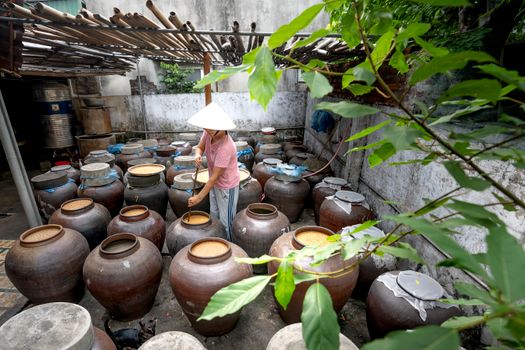
The heart of this revival lies in the fermentation process. Indigo leaves are harvested, dried, and composted for 100 days to create sukumo. This paste is then mixed with wood ash lye, sake, and lime inside clay vats buried in the ground to maintain a steady temperature. The vat is a living organism; if it gets too cold or too hungry, the bacteria die, and the blue disappears.
The Revival Movement
Young design collectives like