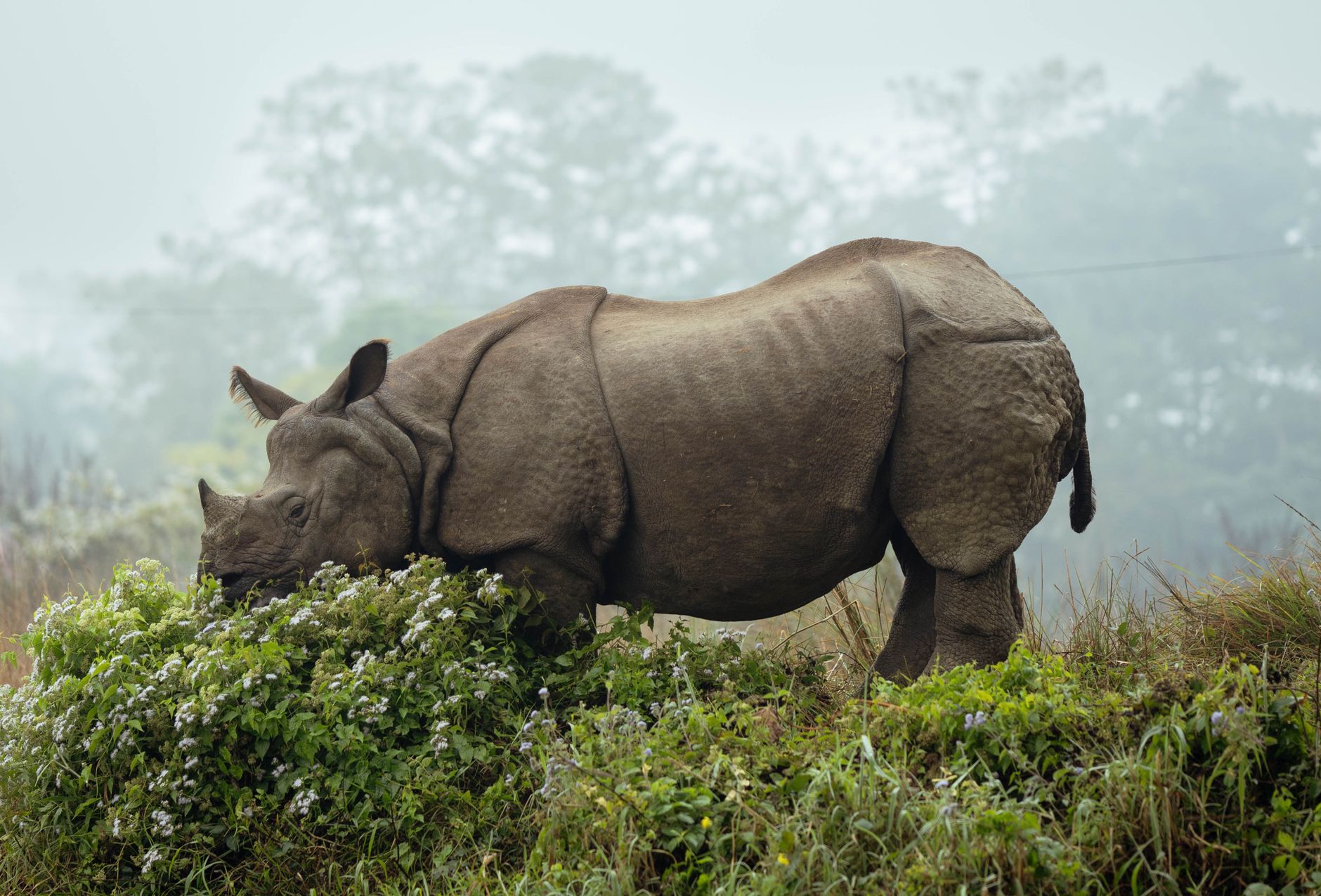
The Whispers of the Wild: My First Encounter with a Living Landscape
I stepped off the dusty train in a small, sun-baked town bordering the savanna, the air thick with the scent of dry earth and something subtly floral, a perfume carried on a breeze that promised adventure. The distant rumble of thunder hinted at an approaching storm, a dramatic prelude to the symphony of life I was about to witness. It wasn't the roar of a lion that first captured my attention, but the frantic, rhythmic drumming of a woodpecker somewhere in the acacia trees and the high-pitched chirping of unseen insects. This was the edge of something vast, something interconnected, a place where the wild still held sway, and I felt a primal urge to understand its pulse.
Understanding the Lifelines: What Exactly Are Wildlife Corridors?
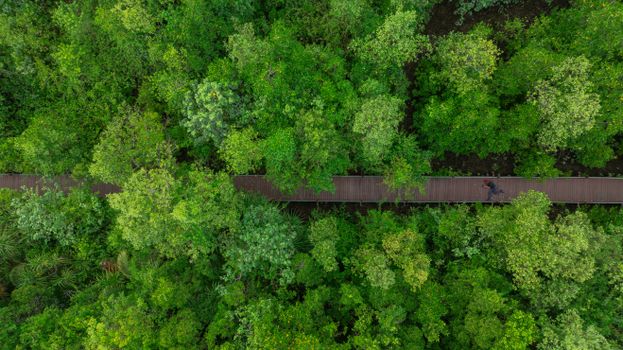
Think of them as nature's superhighways. Wildlife corridors are essentially strips of land that connect fragmented habitats, allowing animals to move safely between areas of forest, grassland, or wetlands. Without these vital links, animal populations can become isolated, leading to reduced genetic diversity, increased vulnerability to disease, and a higher risk of local extinction. They are the unsung heroes of conservation, the silent arteries pumping lifeblood through our ecosystems.
Why You Should Care (and How You Can Help!)
As travelers, we often seek out pristine natural beauty. But what if our visits could actively contribute to preserving that beauty? Supporting wildlife corridors offers a unique opportunity for impactful travel. It’s about more than just ticking off a bucket list; it’s about becoming a temporary steward of these crucial landscapes. Your presence, your dollars, and even your volunteer hours can make a tangible difference.
5 Wildlife Corridors Worth Your Time, Support, and Wanderlust
These aren't just pretty places; they are actively managed ecosystems where your engagement can have a profound effect.
1. The Great Elephant Corridor, India: A Journey Through History and Hope
The Hook:
Imagine the scent of sandalwood and monsoon rain mingling with the earthy aroma of elephant dung. This is the olfactory signature of India's Western Ghats, a region I explored with a deep sense of awe. The air here hums with the passage of giants, their ancient migratory routes now painstakingly protected.
The Meat:
The Great Elephant Corridor, a visionary project, aims to connect fragmented forest patches across Tamil Nadu and Kerala, allowing elephants to move freely and safely between their traditional foraging grounds. This isn't just about elephants; it's about preserving the entire ecosystem they inhabit.
- Pro-Tip: Visit during the monsoon season (June-September) for lush greenery and increased elephant activity. Look for the local guides who have an intimate understanding of elephant behavior and the terrain. They often have stories that will stay with you long after you leave.
- Insider Lingo: You'll hear locals talk about "elephant paths" or "elephant highways." These are the informal, ancient routes that the corridor project seeks to formalize and protect.
Quick Facts:
* Estimated Costs ($$): Moderate. Accommodation ranges from homestays ($30-60/night) to eco-lodges ($80-150/night). Guided tours and donations are extra.
* Best Time to Visit: Monsoon season (June-September) for peak greenery and elephant sightings.
* How to Get There: Fly into Coimbatore (CJB) or Kochi (COK) and hire a private car or take local buses to the specific regions within the corridor.
2. The Yellowstone to Yukon Conservation Initiative (Y2Y), North America: A Wilderness Without Borders
The Hook:
The crisp, pine-scented air of the Canadian Rockies bites at your cheeks. The silence is profound, broken only by the whisper of wind through ancient firs and the distant, haunting call of a wolf. This is the Y2Y region, a vast expanse where the wild heart of North America still beats strong.
The Meat:
Y2Y is an ambitious, transboundary conservation effort connecting 320 million acres of wilderness from Yellowstone National Park in the U.S. to the Yukon Territory in Canada. It aims to maintain healthy ecosystems, keep wildlife populations connected, and ensure the long-term survival of iconic species like grizzly bears, wolves, and elk.
- Pro-Tip: Consider visiting during the shoulder seasons (spring or fall) for fewer crowds and spectacular wildlife viewing opportunities. Hike responsibly and always carry bear spray, understanding its proper use.
- Authentic Experience: Engage with local conservation organizations. Many offer guided hikes or presentations that provide deep insights into the challenges and triumphs of this massive conservation undertaking. You might even learn about specific road crossings or underpasses being built to aid wildlife.
Quick Facts:
* Estimated Costs ($$$): High. Accommodation in national park lodges or towns can be expensive ($150-400+/night). Car rental is essential.
* Best Time to Visit: May-June (spring bloom, baby animals) or September-October (fall colors, elk rut).
* How to Get There: Fly into Calgary (YYC) or Denver (DEN) and rent a car. Various entry points exist across the vast Y2Y region.
3. The Atlantic Forest Corridor, Brazil: Reconnecting a Lost World
The Hook:
The air hangs heavy with humidity, alive with the cacophony of unseen birds and the intoxicating perfume of orchids. Sunlight filters through the dense canopy, dappling the forest floor where tiny poison dart frogs, jewel-toned and vibrant, hop amongst fallen leaves. This is the Atlantic Forest, a biodiversity hotspot clinging to life.
The Meat:
Once stretching along Brazil's coast, the Atlantic Forest is now highly fragmented. Conservationists are working tirelessly to create and maintain corridors that link remaining patches of forest, protecting species found nowhere else on Earth, like the golden lion tamarin and the maned sloth.
- Pro-Tip: Stay at an eco-lodge that actively participates in reforestation projects. Many offer opportunities to plant trees or learn about local biodiversity from resident scientists.
- Local Flavor: Don't miss trying "feijoada," a hearty black bean stew, a staple that reflects the region's agricultural heritage. Engage with local communities who are often the frontline guardians of these corridors.
Quick Facts:
* Estimated Costs ($$): Moderate to High. Eco-lodges can range from $100-250/night. Guided tours and community contributions add to the cost.
* Best Time to Visit: Dry season (April-September) for easier travel and less humidity.
* How to Get There: Fly into Rio de Janeiro (GIG) or São Paulo (GRU) and arrange transport to specific reserves or lodges.
4. The Kavango-Zambezi Transfrontier Conservation Area (KAZA TFCA), Southern Africa: A Super-Corridor for Giants
The Hook:
The dry heat of the savanna prickles your skin. The vast sky is an endless expanse of blue, punctuated by the silhouette of acacia trees. The distant trumpeting of an elephant signals a majestic presence, a reminder that this land belongs to them.
The Meat:
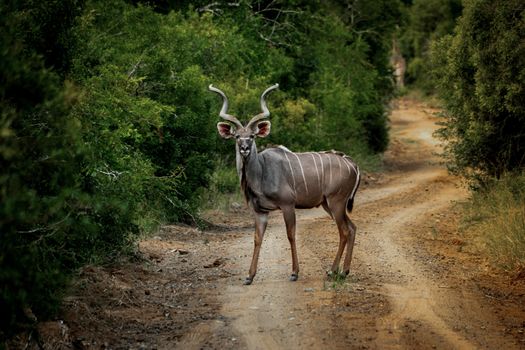
KAZA is the largest transfrontier conservation area in the world, linking five countries: Angola, Botswana, Namibia, Zambia, and Zimbabwe. It's designed to facilitate the free movement of wildlife, particularly elephants, across vast distances, fostering ecological integrity and supporting local communities through tourism.
- Pro-Tip: Consider a mobile safari for a more immersive experience. This allows you to follow wildlife movements and spend time in less-visited areas, directly contributing to conservation efforts in those regions.
- Authentic Experience: Seek out lodges that employ local guides and purchase handicrafts directly from communities. Their livelihoods are intrinsically linked to the health of the corridor.
Quick Facts:
* Estimated Costs ($$$): High. Safaris can be expensive ($300-800+/day), but include accommodation, meals, and activities.
* Best Time to Visit: Dry season (May-October) when water sources are scarce, concentrating wildlife.
* How to Get There: Fly into Kasane (BBK) in Botswana, Victoria Falls (VFA) in Zimbabwe, or Windhoek (WDH) in Namibia, and arrange transfers.
5. The Monarch Butterfly Biosphere Reserve, Mexico: A Fluttering Phenomenon
The Hook:
The air hums, not with insects, but with the collective beat of millions of wings. A shimmering, orange-gold cloud descends, blanketing entire forests in a breathtaking spectacle. The scent is faint, a delicate, earthy perfume of pine needles and damp earth.
The Meat:
While not a "corridor" in the traditional sense of connecting two large habitats, the overwintering sites of the Monarch butterfly in central Mexico are critical resting and breeding grounds. The journey these butterflies undertake – thousands of miles from Canada and the U.S. – is a natural corridor in itself. Supporting these reserves helps protect the forests essential for their survival.
- Pro-Tip: Visit with an authorized guide. They understand the delicate ecosystem and will ensure you observe the butterflies without disturbing them. Learn about the local communities who are vital to protecting these forests.
- Authentic Experience: Stay in a small "posada" (guesthouse) in a nearby village. Sample local cuisine like "tamales" and "mole," and learn about the cultural significance of the Monarchs.
Quick Facts:
* Estimated Costs ($): Low to Moderate. Accommodation in local guesthouses ($20-50/night). Entrance fees to reserves are minimal.
* Best Time to Visit: Late January to March, when the butterflies are most active.
* How to Get There: Fly into Mexico City (MEX) and take a bus to towns like Angangueo or Zitácuaro, then hire local transport to the reserves.
Beyond the Visit: Becoming a Corridor Champion
Your journey doesn't have to end when you return home.
- Donate: Many organizations work tirelessly to acquire land, restore habitats, and monitor wildlife within these corridors. Your financial support is crucial.
- Volunteer: Consider dedicating your time to conservation projects. This could involve anything from planting trees to assisting with wildlife surveys.
- Educate: Share your experiences! The more people understand the importance of wildlife corridors, the more support they will garner.
- Travel Responsibly: Choose eco-certified accommodations, minimize your footprint, and support local economies that benefit from conservation.
The Future is Connected
Wildlife corridors are more than just lines on a map; they are lifelines. They represent a hopeful vision for a future where humans and wildlife can coexist, where landscapes are whole, and where the wild can continue to thrive. By choosing to support these vital initiatives, you're not just a tourist; you're a vital part of the solution. So, pack your bags, open your heart, and step onto nature's highways. The wild is waiting, and it needs you.