The scent of woodsmoke mingled with the sweet aroma of freshly brewed coffee, a gentle hum of conversation in a language I barely understood, and the warmth of a hand-woven blanket draped over my shoulders as the Andean sun began its ascent. That moment, nestled in a small village high in the Sacred Valley of Peru, wasn't just a travel memory; it was a profound shift. It was the moment I truly understood the power of community tourism.
We've all seen the postcard-perfect shots, the bustling cityscapes, the pristine beaches. But what if your travels could offer more than just a pretty picture? What if they could leave a lasting, positive footprint, directly benefiting the people and places you visit? That's the magic of community tourism – a movement that puts local communities in the driver's seat, allowing them to share their culture, environment, and way of life on their own terms, while ensuring that the economic benefits stay right where they belong: with them.
As a travel blogger for Tripsora, I’ve had the privilege of witnessing these transformative projects firsthand. And let me tell you, there's no greater feeling than knowing your travel dollars are directly empowering families, preserving ancient traditions, and protecting fragile ecosystems.
September 2025 is shaping up to be an incredible month for those looking to travel with purpose. The shoulder season often brings fewer crowds, vibrant local festivals, and perfect weather in many destinations, making it an ideal time to connect deeply with these initiatives. So, pack your bags (ethically, of course!), open your heart, and get ready to discover five truly remarkable community tourism projects that are absolutely worth supporting next September.
---
1. Threads of the Andes: Weaving a Future in Peru's Sacred Valley
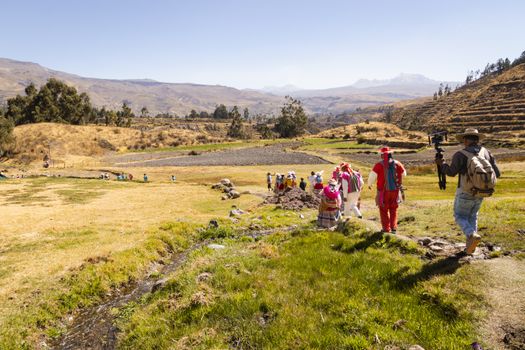
My first encounter with the magic of community tourism was in Peru, and it continues to be a place where these projects thrive. Imagine trekking through breathtaking mountain landscapes, far from the tourist throngs of Machu Picchu, to arrive at a vibrant Quechua village where ancient weaving traditions are not just preserved but celebrated.
The Project: Awamaki's Sustainable Tourism Initiative, Ollantaytambo Region, Peru
Awamaki is a non-profit organization that partners with remote Quechua communities in the Sacred Valley, empowering women artisans and entrepreneurs through sustainable tourism and fair trade. Their "Rural Homestay & Weaving Immersion" program is an absolute gem. I first stumbled upon their work a few years ago, and the impact was undeniable. Meeting women like Doña Francisca, whose hands moved with practiced grace as she spun alpaca wool, was a masterclass in resilience and cultural pride.
In September 2025, you can experience their revamped 3-day/2-night immersion. You'll stay in a comfortable, traditional homestay in a village like Patacancha or Huilloc, sharing meals prepared with fresh local ingredients by your host family. Your days will be filled with hands-on weaving workshops, learning the intricate techniques and natural dyeing processes that have been passed down for generations. You'll also participate in daily village life – perhaps helping with farming, herding alpacas, or learning to prepare a traditional Pachamanca meal cooked underground.
Why it's worth supporting:
Your visit directly supports the women artisans, providing them with fair wages, market access, and the means to educate their children. It helps preserve a vital cultural heritage that might otherwise fade. Plus, the landscapes are ridiculously Instagrammable – think vibrant textiles against a backdrop of towering Andean peaks!
Practical Details for September 2025:
* Location: Remote Quechua villages near Ollantaytambo, Sacred Valley, Peru.
* Cost: Approximately $350 - $450 USD per person for the 3-day/2-night package, including accommodation, all meals, weaving workshops, and a local guide/translator. This price goes directly to the community and Awamaki's operational costs.
* Booking: Book directly through Awamaki's website (awamaki.org) or through responsible tour operators partnered with them. They recommend booking at least 3-4 months in advance for September 2025 as spaces are limited to ensure minimal impact.
* What to expect: Basic but comfortable homestay accommodation, cold nights (pack layers!), incredible food, and an unparalleled cultural exchange. Don't expect luxury, but prepare for genuine warmth and connection.
* My Tip: Bring small gifts for the children (school supplies are always appreciated!) and be prepared to learn a few basic Quechua phrases – it goes a long way!
---
2. Kerala's Backwater Blossom: Empowering Women in India's Serene South
The gentle rhythm of a pole pushing through emerald green backwaters, the scent of spices wafting from a riverside kitchen, and the genuine smiles of women who are reclaiming their narratives – this is the magic of community tourism in Kerala, India.
The Project: Responsible Tourism Mission's Women-Led Initiatives, Kumarakom, Kerala, India
Kerala has been a pioneer in responsible tourism in India, and their Responsible Tourism Mission has several incredible projects. One of my favourites is their focus on empowering women through various micro-enterprises, particularly around the Kumarakom backwaters. I visited a few years ago and was deeply moved by the stories of women who, through these initiatives, found economic independence and newfound confidence.
In September 2025, you can immerse yourself in their "Backwater Blossom" experience. This isn't just one project, but a network of interconnected initiatives. You can stay in a charming homestay run by a local family, often with a female head of household, right on the edge of the backwaters. Days can be spent taking cooking classes where local women teach you the secrets of authentic Kerala cuisine, participating in coir (coconut fibre) making, or joining a small, eco-friendly canoe cruise piloted by local women. You can also visit organic farms run by women's collectives, learning about sustainable agriculture and even harvesting some produce for your next meal.
Why it's worth supporting:
This project directly supports women's self-help groups, providing them with income, training, and a voice in their communities. It helps preserve traditional crafts and promotes sustainable practices in a fragile ecosystem. The serene beauty of Kerala's backwaters offers a truly Instagram-worthy backdrop for your ethical adventure.
Practical Details for September 2025:
* Location: Kumarakom and surrounding villages, Kerala, India.
* Cost: Homestays start from $40 - $70 USD per night, including breakfast. Cooking classes range from $20 - $40 USD. Canoe tours are around $15 - $25 USD. Package deals for 3-4 days including accommodation and activities can be found for $200 - $400 USD.
* Booking: Contact the Kerala Responsible Tourism Mission directly via their website (keralartmission.org) or work with local tour operators certified by them. September is post-monsoon, so the backwaters are lush and vibrant.
* What to expect: Warm, humid weather (pack light, breathable clothing), incredibly flavourful food, and a chance to witness the resilience and entrepreneurial spirit of local women.
* My Tip: Be open to slowing down. The pace of life in the backwaters is unhurried. Spend time chatting with your hosts, learn a few Malayalam phrases, and truly absorb the peaceful atmosphere.
---
3. Zanzibar's Seaweed Sisters: Cultivating a Sustainable Future
The turquoise waters of Zanzibar are legendary, but beyond the pristine beaches lies a story of innovation and empowerment. The island's coastal communities are finding new ways to thrive, and seaweed farming is at the heart of it.
The Project: Zanzibar Seaweed Center, Paje, Zanzibar, Tanzania
The Zanzibar Seaweed Center in Paje is a fantastic example of a community-led initiative that blends economic empowerment with environmental sustainability. I visited this project a couple of years ago and was fascinated by how a simple marine plant could create such a ripple effect of positive change. The women I met, affectionately known as the "Seaweed Sisters," were not just farmers; they were entrepreneurs, innovators, and guardians of their marine environment.
In September 2025, you can visit the center and learn about the entire process – from how seaweed is cultivated in the ocean by local women (often wading out at low tide, creating incredibly photogenic scenes) to its transformation into soaps, oils, and other organic products. You can even join a "Seaweed Farming Experience" where you wade into the shallow waters with the women, learning about their daily routines and the importance of this sustainable industry. The center also offers workshops on how to make your own seaweed soap or scrub.
Why it's worth supporting:
This project provides vital income and fair employment for hundreds of women in coastal villages, many of whom are single mothers or widows. It promotes sustainable aquaculture, reducing pressure on traditional fishing stocks and offering an alternative livelihood. Plus, you get to take home natural, ethically produced souvenirs! It’s a unique, hands-on experience that offers a different perspective on Zanzibar beyond just beach resorts.
Practical Details for September 2025:
* Location: Paje, Zanzibar, Tanzania (easily accessible from Stone Town or other coastal resorts).
* Cost: Entry to the center is often free, but workshops and experiences have a fee. A "Seaweed Farming Experience" and tour might cost around $30 - $50 USD per person. Products purchased directly support the women.
* Booking: You can simply show up, but for the farming experience, it's best to book a day or two in advance directly through the Zanzibar Seaweed Center website (if available, or inquire through local tour operators). September offers fantastic weather with clear skies and warm waters.
* What to expect: Hot weather, beautiful ocean views, and the chance to interact directly with the women who run the project. Wear reef-safe sunscreen and be prepared to get your feet wet!
* My Tip: Buy some of their products! The seaweed soaps are fantastic, and knowing your purchase directly benefits the women makes them even more special.
---
4. Rewilding the Highlands: A Taste of Ancient Scotland's Future
Scotland's rugged beauty is legendary, but beneath the surface, a quiet revolution is happening – a movement to rewild vast tracts of land, bringing back native species and revitalizing rural communities.
The Project: Trees for Life & Community Crofting Partnerships, Scottish Highlands
While "Trees for Life" is a major conservation charity, they actively partner with local crofting communities and landowners to implement their rewilding projects. My last trip to the Highlands involved a stay at a remote croft that was working with Trees for Life, and the sense of deep connection to the land and its heritage was palpable. It's a fantastic example of how environmental conservation and community development can go hand-in-hand.
In September 2025, you can participate in their "Highland Heritage & Rewilding Immersion." This involves staying in a renovated croft cottage or a glamping pod on a working croft that's part of the rewilding initiative. You'll spend your days engaging in activities that support both conservation and local culture. This could include guided walks through newly planted woodlands, learning about native species reintroduction (like the elusive Scottish wildcat or red squirrels), or even participating in tree planting efforts. You'll also get to experience traditional crofting life – perhaps helping with sheep herding, learning about local food production, or trying your hand at traditional crafts like weaving or whisky tasting at a small, community-run distillery.
Why it's worth supporting:
Your visit directly contributes to the restoration of Scotland's ancient Caledonian Forest and the protection of its unique wildlife. It also provides sustainable income for remote crofting communities, helping to keep their traditions alive and prevent rural depopulation. It's an opportunity to connect with Scotland's wild heart and its resilient people.
Practical Details for September 2025:
* Location: Various crofting estates and rewilding sites across the Scottish Highlands (e.g., near Glen Affric, Dundreggan, or Wester Ross).
* Cost: Croft cottage stays typically range from $100 - $200 USD per night. Guided rewilding experiences or workshops might cost an additional $50 - $100 USD per day. Some projects offer weekly volunteer stays that include accommodation for a reduced fee.
* Booking: Look for specific "rewilding breaks" or "croft stays" that partner with Trees for Life or other conservation charities. Check websites like Wildland.scot or directly contact Trees for Life (treesforlife.org.uk) for partner recommendations. September offers stunning autumn colours and fewer midges!
* What to expect: Variable weather (be prepared for sun, rain, and wind!), breathtaking scenery, delicious local produce, and a deep dive into Scottish heritage and nature.
* My Tip: Pack good waterproofs and hiking boots. Bring binoculars for wildlife spotting. Be prepared for limited cell service in some remote areas – it’s a chance to truly disconnect and immerse yourself.
---
5. Maya Forest Guardians: Preserving Culture & Nature in Belize
Hidden within the lush jungles of Belize, ancient Maya traditions thrive, and local communities are at the forefront of protecting both their heritage and the vital rainforest ecosystem.
The Project: Toledo Ecotourism Association (TEA), Southern Belize
The Toledo District in southern Belize is home to a significant Maya population, and the Toledo Ecotourism Association (TEA) has been instrumental in helping these communities develop sustainable, authentic tourism experiences. I visited a few years ago and spent a memorable day learning about traditional cacao farming and chocolate making – an experience that felt incredibly personal and enriching.
In September 2025, you can embark on a "Maya Homestay & Jungle Immersion" with one of TEA's partner villages, such as Big Falls or San Antonio. Your stay will be in a traditional, yet comfortable, homestay within the village. Days will be spent exploring the surrounding rainforest with a local Maya guide, learning about medicinal plants, tracking wildlife, and discovering hidden waterfalls. You'll also participate in hands-on cultural activities: learning to grind corn for tortillas, making traditional Maya chocolate from scratch, or trying your hand at basket weaving. Evenings are often filled with storytelling, music, and delicious home-cooked meals.
Why it's worth supporting:
This project directly empowers Maya communities, providing a sustainable source of income that allows them to preserve their language, customs, and ancestral lands. It also incentivizes the protection of the fragile Maya Forest, a critical biodiversity hotspot. It's a chance to step back in time and connect with a living, vibrant ancient culture.
Practical Details for September 2025:
* Location: Various Maya villages in the Toledo District, Southern Belize (e.g., Big Falls, San Antonio, Blue Creek).
* Cost: Homestays typically cost $60 - $80 USD per person per night, including meals and basic activities. Multi-day packages (3-4 days) with guided tours and workshops can range from $250 - $400 USD.
* Booking: Contact the Toledo Ecotourism Association directly via their website (toledoecotourism.com) or through responsible Belizean tour operators. September is the tail end of the wet season, so expect lush greenery and occasional rain showers, but often clear skies and fewer tourists.
* What to expect: Warm, humid weather, incredible biodiversity (mosquito repellent is a must!), simple but comfortable accommodation, and a genuine, immersive cultural experience.
* My Tip: Learn a few basic Mopan or Kekchi Maya phrases. Your efforts will be genuinely appreciated. And definitely try the homemade chocolate – it's divine!
---
Maximizing Your Impact: Practical Tips for Ethical Travel in September 2025
Choosing to support community tourism is a fantastic first step, but how can you ensure your trip makes the biggest positive difference?
- Research, Research, Research: Before you book, look for transparency. Does the project clearly state how your money benefits the community? Are they locally owned and managed? Check reviews on platforms like Responsible Travel or Earth Changers, and look for certifications.
- Book Directly (When Possible): Booking directly with the community or their official non-profit partner ensures more of your money goes straight to the source, cutting out unnecessary intermediaries.
- Respect Local Culture: Learn about local customs, dress codes, and etiquette before you go. A little effort goes a long way in showing respect and building genuine connections. Ask before taking photos, especially of people.
- Engage Authentically: Don't just observe; participate. Ask questions, listen to stories, and be open to new perspectives. These are the moments that transform a trip into an unforgettable journey.
- Buy Local: Support local artisans, farmers, and businesses. That handmade souvenir or fresh produce purchased directly from the market puts money into the local economy.
- Be Mindful of Your Footprint: Reduce waste, conserve water and energy, and choose eco-friendly transportation options. Leave no trace.
- Give Constructive Feedback: If you have suggestions for improvement, offer them respectfully and directly to the project organizers. Positive feedback is also incredibly valuable!
- Pack Smart: Bring essentials like a reusable water bottle, a local language phrasebook, and appropriate clothing. For community stays, often simple, practical items are best.
- Be Flexible: Community projects often operate at a different pace than typical tourist ventures. Embrace the unexpected and the slower rhythm of local life.
---
Why September 2025 is Your Moment for Impact Travel
September offers a unique window for these kinds of immersive experiences. The summer crowds have largely dispersed, but the weather in many parts of the world remains pleasant. This allows for more intimate interactions, richer cultural exchanges, and often better pricing. It’s a time of harvest in some regions, leading to vibrant festivals and celebrations that you might otherwise miss.
More importantly, it’s a time when many communities, recovering from peak season or preparing for the slower months, truly appreciate the dedicated traveler who seeks genuine connection. Your visit in September can provide crucial, steady income during a shoulder period, contributing to the year-round sustainability of these vital projects.
---
Conclusion: Travel Deeper, Live Richer
My journey into community tourism started with a simple cup of coffee in the Andes, but it has since blossomed into a profound understanding of how travel can be a force for good. It’s about more than just seeing new places; it’s about understanding them, contributing to them, and leaving them a little better than you found them.
These five projects are just a glimpse into the incredible world of ethical travel. Each offers a unique opportunity to connect, learn, and contribute in a meaningful way. So, as you plan your adventures for September 2025, consider stepping off the beaten path. Choose an experience that not only fills your passport with stamps but also your heart with purpose.
Ready to make a difference with your next adventure? Share your favourite community tourism projects or your dreams for September 2025 in the comments below! Let's inspire each other to travel deeper.
---