The Earth is Alive: My Fiery Obsession and Your Next Epic Adventure
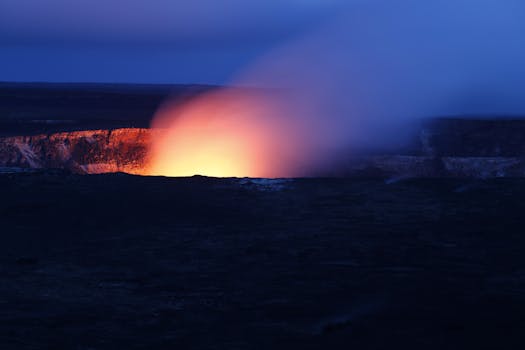
I remember my first time seeing an active volcano. It wasn't the dramatic, terrifying eruption you see in movies, but a mesmerizing, almost gentle glow against the inky blackness of a Hawaiian night. I was standing at a safe, designated overlook in Hawai'i Volcanoes National Park, the air thick with the scent of sulfur and a strange, primal energy thrumming beneath my feet. Before that moment, my idea of a volcano tour involved dodging molten rock and running for my life. The reality? It was breathtaking, humbling, and utterly safe.
That night, my perception of Earth's raw power shifted forever, and a new obsession was born. I realized that exploring volcanoes isn't about courting danger; it's about witnessing geological artistry, understanding our planet's incredible forces, and experiencing landscapes unlike anything else on Earth. And guess what? You can do it too, safely, and in a way that will undoubtedly blow your mind (in the best possible way, of course!).
At Tripsora, we're all about those once-in-a-lifetime experiences that push your boundaries and fill your Instagram feed with envy-inducing shots. So, if you've ever secretly yearned to stand on the edge of a fiery crater or witness molten rock create new land, keep reading. This isn't about risking life and limb; it's about curated, guided adventures that put safety first, ensuring your only 'eruption' is one of pure joy.
---
Why Volcanoes? The Irresistible Pull of Earth's Beating Heart
What is it about volcanoes that draws us in? Is it the sheer, untamed power they represent? The geological spectacle that reminds us of Earth's dynamic nature? Or perhaps the unique, often otherworldly landscapes they carve out? For me, it's all of the above.
Volcanoes are nature's ultimate sculptors, constantly reshaping our world. From the black sand beaches of Iceland to the lush, fertile slopes of Indonesia, their influence is everywhere. Hiking a volcano isn't just a physical challenge; it's a journey through time, a chance to witness the very forces that built our continents. The air often hums with a palpable energy, a sense of being connected to something ancient and immense.
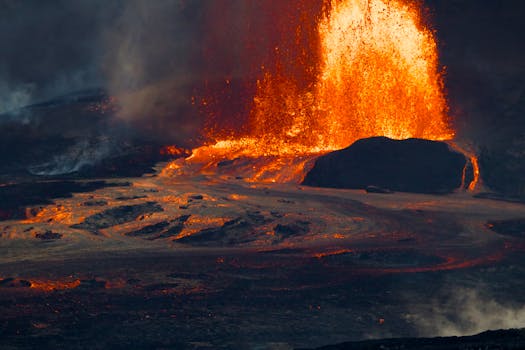
Beyond the geological marvel, volcanoes offer unparalleled photographic opportunities. Imagine sunrise over a vast caldera, the steam rising from fumaroles, or the fiery orange glow of lava against a velvet sky. These are the moments that stick with you, the stories you'll tell for years, and the images that will make your followers hit that 'save' button faster than you can say "magma chamber." It's an adventure that awakens the senses, challenges your perspective, and leaves an indelible mark on your soul.
---
Safety First! Debunking Myths and Essential Prep for Your Volcanic Venture
Let's get one thing straight: safety is paramount when exploring volcanoes. The "won't kill you" part of this post's title isn't a flippant promise; it's a commitment to responsible, guided exploration. Professional tour operators and national park services around the world have extensive protocols in place to ensure visitors are safe.
Here's how they keep you safe and what you need to know:
- Expert Guides & Monitoring: Reputable tours employ experienced guides who are intimately familiar with the volcano's behavior, terrain, and current conditions. They work in conjunction with geological observatories that monitor seismic activity, gas emissions, and ground deformation 24/7. If there's any heightened risk, tours are immediately altered or canceled.
- Designated Safe Zones: You won't be strolling directly into an active lava flow. Tours operate within clearly defined safe zones, often at a significant distance from active vents, but still offering incredible views. Barriers, viewing platforms, and marked trails are there for a reason – stick to them!
- Respect the Signs: Always heed warning signs, guide instructions, and park rangers. These aren't suggestions; they're vital for your safety.
- Weather Watch: Volcanic environments can be unpredictable. Weather can change rapidly, and high winds, rain, or even snow can impact visibility and trail conditions. Guides will make decisions based on these factors.
Your Essential Volcanic Adventure Checklist (What to Pack!):
- Sturdy Hiking Boots: Non-negotiable. Volcanic terrain is often uneven, rocky, and can be slippery. Good ankle support is key.
- Layers, Layers, Layers: Temperatures can fluctuate dramatically from base to summit, and even within the same day. Think moisture-wicking base layers, a warm fleece, and a waterproof/windproof outer shell.
- Water & Snacks: Hydration is crucial, especially when hiking at altitude or in warm climates. Energy bars, nuts, and fruit are perfect.
- Sun Protection: Even on cloudy days, UV rays are intense at higher altitudes. Hat, sunglasses, and high-SPF sunscreen are a must.
- Headlamp/Flashlight: Many volcano tours (especially for sunrise/sunset) involve hiking in the dark.
- Dust Mask/Bandana: Volcanic ash and sulfur fumes can be irritating. A simple mask or bandana can offer protection.
- Small First-Aid Kit: Blister plasters, pain relievers, and any personal medications.
- Camera Gear: Spare batteries, extra memory cards, and a protective case for ash. A tripod is great for night shots!
- Backpack: To carry all your essentials comfortably.
- Travel Insurance: Always a smart idea, especially for adventure travel. Make sure it covers hiking and any specific activities you plan.
---
My Top Picks: Mind-Blowing Volcano Tours That Will Leave You Speechless
Now for the exciting part! Here are some of my absolute favorite volcano experiences around the globe, offering incredible views, unique insights, and thrilling adventures – all within a framework of safety and expert guidance.
1. Kilauea, Hawai'i Volcanoes National Park, USA: The Gentle Giant's Fiery Heart
- The Experience: Kilauea is one of the world's most active volcanoes, and Hawai'i Volcanoes National Park is a living laboratory. While direct lava flows aren't always accessible (and change frequently), the park offers incredible opportunities to witness steam vents, vast calderas, and the stark beauty of recent lava fields. My most memorable experience was driving the Crater Rim Drive at night, pulling over at designated viewpoints, and seeing the distant, ethereal glow from the Halema'uma'u crater, reflecting off the clouds. It’s a powerful, spiritual experience.
- Personal Anecdote: Standing silently in the darkness, watching the distant orange glow, I felt a profound connection to the Earth. The air was cool, but the ground subtly warm. It wasn't about drama; it was about awe.
- Practical Tips:
- Best Time: Year-round, but check the USGS Hawaiian Volcano Observatory website for current activity and viewing conditions before you go.
- Cost: Park entrance is $30 per vehicle for a 7-day pass. Guided tours range from $100-$300 depending on duration and inclusions.
- Pro-Tip: Stay in Volcano Village for easy early morning/late night access. Bring a good zoom lens for photography!
2. Mount Bromo, East Java, Indonesia: A Moonscape at Sunrise
- The Experience: This is an iconic sunrise trek that feels like stepping onto another planet. Starting in the pre-dawn darkness, you'll take a 4x4 jeep across the vast, ash-covered "Sea of Sand" to a viewpoint overlooking the entire Tengger caldera. As the sun paints the sky with incredible colors, Bromo, along with its neighboring peaks, emerges from the mist. After sunrise, you trek across the Sea of Sand to the base of Bromo, then climb a steep set of stairs to the rim of its active crater, where you can hear its internal rumblings and see steam rising.
- Personal Anecdote: The first glimpse of the caldera as the sun rose was genuinely surreal. Then, walking across that vast, desolate plain, with only the crunch of ash underfoot, felt like an epic journey. The sulfur smell at the crater rim was intense, but the view into the smoking abyss was unforgettable.
- Practical Tips:
- Best Time: Dry season (April-October) for clearer skies.
- Cost: National park entrance fee is around IDR 220,000-320,000 (~$15-22) for foreigners, plus jeep tours (approx. IDR 500,000-700,000 or ~$35-50 per jeep, shared).
- Pro-Tip: It gets incredibly cold before sunrise. Pack warm layers, a hat, and gloves! Also, be prepared for crowds at the viewpoints; consider a slightly less popular spot if you value solitude.
3. Pacaya Volcano, Guatemala: Roast Marshmallows Over Active Vents!
- The Experience: Located near the charming colonial city of Antigua, Pacaya offers a relatively moderate hike (around 1.5-2 hours up) to an area where you can witness steam vents and, incredibly, roast marshmallows over heat emanating from the ground! While you won't typically see flowing lava here, the experience of feeling the Earth's heat and enjoying a volcanic s'more is utterly unique. The views of the surrounding landscape, including other volcanoes like Agua and Fuego, are stunning.
- Personal Anecdote: Handing a stick with a marshmallow into a crack in the hot volcanic rock and watching it perfectly toast was one of those simple, pure travel joys. It made the immense power of the volcano feel tangible and even playful.
- Practical Tips:
- Best Time: Dry season (November-May) for clearer trails and views.
- Cost: Guided tours from Antigua typically cost $30-$50, including transportation, guide, and park entrance fee.
- Pro-Tip: Wear sturdy shoes – the trail is rocky with loose scree. Local vendors will offer walking sticks for a small fee; they can be very helpful. Don't forget your marshmallows!
4. Mount Etna, Sicily, Italy: Europe's Grand Dame of Fire
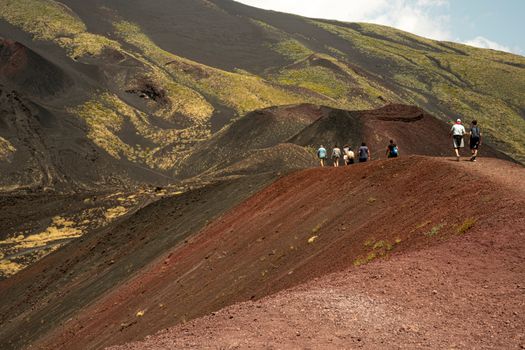
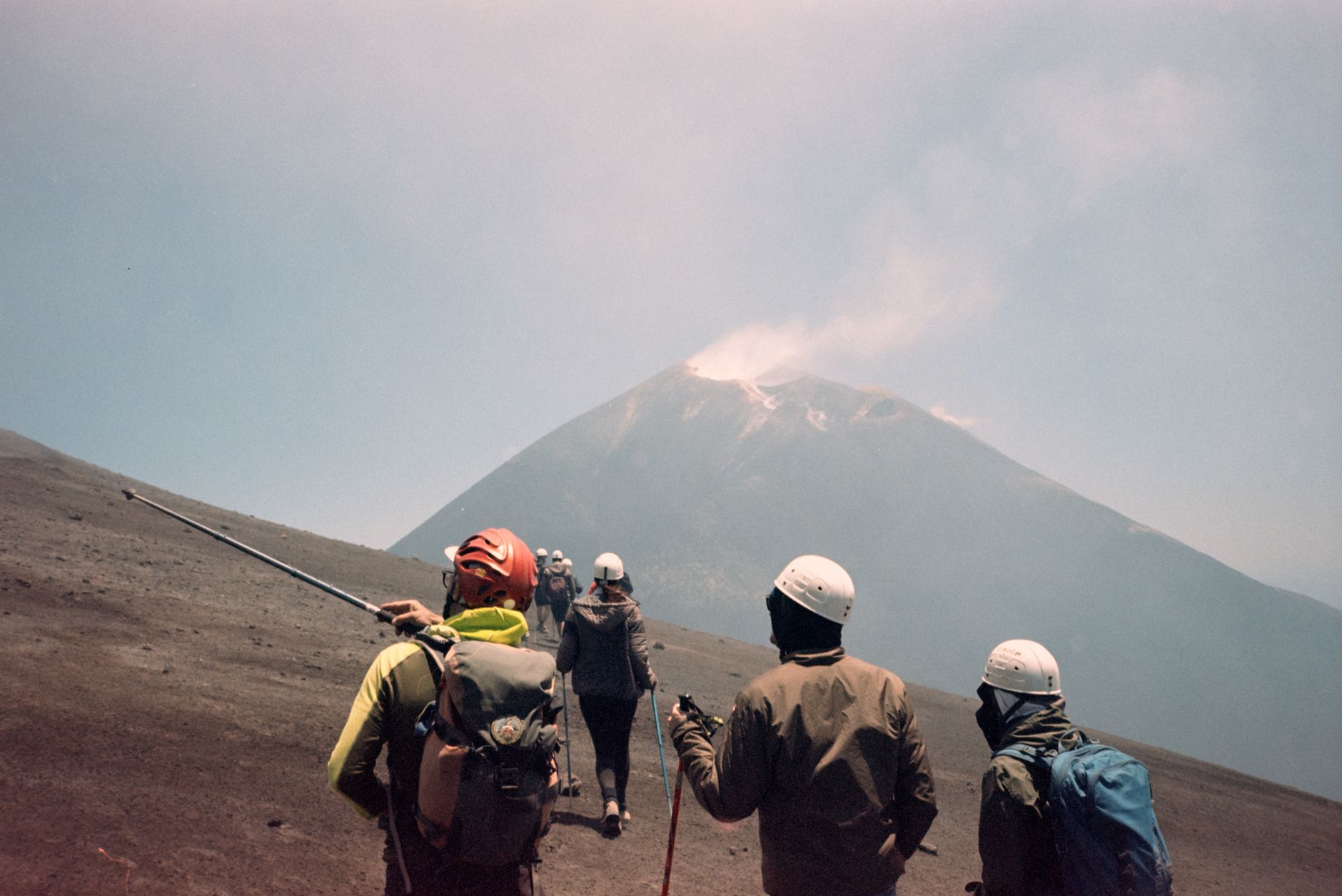
- The Experience: Europe's most active volcano is a UNESCO World Heritage site and a truly majestic force of nature. Etna offers a variety of tours, from easy cable car rides and jeep excursions to challenging guided hikes near its active summit craters (conditions permitting). The landscape is diverse, ranging from lush forests at its base to barren, lunar-like fields of black lava rock and even snow-capped peaks. Seeing steam plumes rise from multiple vents and feeling the tremors of its activity is an unforgettable experience.
- Personal Anecdote: I took a guided tour that involved a cable car, then a 4x4 jeep, followed by a hike with a volcanologist. Standing on the black, scoria-covered slopes, listening to the guide explain the different lava flows and hearing the low rumble from deep within the mountain was incredible. The air was crisp, and the panoramic views of Sicily were breathtaking.
- Practical Tips:
- Best Time: Spring and autumn offer pleasant hiking weather. Summer can be hot, winter can be snowy (requiring different gear).
- Cost: Tours vary widely. A basic cable car return ticket is around €30-€50. Combined cable car, jeep, and guided hike can be €70-€200+.
- Pro-Tip: Book with a certified volcanological guide if you want to explore beyond the main tourist areas and get closer to the active zones. They prioritize safety above all else.
5. Stromboli, Aeolian Islands, Italy: The Lighthouse of the Mediterranean
- The Experience: Stromboli is famous for its almost continuous, small, explosive eruptions, earning it the nickname "Lighthouse of the Mediterranean." The ultimate experience is a guided evening hike to its summit (or a safe viewpoint below the summit, depending on activity), where you can witness these spectacular "Strombolian" eruptions against the dark night sky. Alternatively, boat tours circle the island at night, allowing you to see the lava flows and explosions from the sea.
- Personal Anecdote: The hike up was challenging but so rewarding. After sunset, as the sky turned inky black, the first fiery burst from the crater made everyone gasp. It was like nature's own fireworks display, happening every few minutes. The collective "oohs" and "aahs" from the group were priceless.
- Practical Tips:
- Best Time: Spring and autumn for hiking. Summer is popular but can be very hot.
- Cost: Guided hikes are typically €30-€60 (plus ferry to the island). Boat tours are around €25-€40.
- Pro-Tip: Hiking requires good physical fitness and is strictly guided. You'll need sturdy shoes, a headlamp, and warm layers for the summit. Book your tour in advance, especially in peak season.
---
Beyond the Summit: Unearthing More Volcanic Wonders
The adventure doesn't end at the crater rim! Volcanic regions offer a wealth of unique experiences that complement your primary volcano tour:
- Geothermal Spas: Imagine soaking in mineral-rich, naturally heated waters. Think Iceland's Blue Lagoon, Japan's onsens, or the hot springs of Rotorua, New Zealand. Pure bliss after a hike!
- Volcanic Wine Regions: The mineral-rich soils around volcanoes create unique terroirs for winemaking. Explore the vineyards of Santorini, Greece, or the slopes of Etna, Italy, and savor wines with a distinct, earthy character.
- Black Sand Beaches: Formed from eroded volcanic rock, these stunning beaches are a stark contrast to typical white sands. Find them in Hawaii, Iceland, and the Canary Islands.
- Unique Flora and Fauna: Volcanic ecosystems often host endemic species adapted to harsh conditions, creating vibrant pockets of life amidst the stark landscapes.
- Geothermal Power Plants & Museums: Learn about renewable energy and the science behind these magnificent mountains at visitor centers and interactive exhibits.
---
Your Volcanic Adventure Checklist: Ready for Ignition?
Feeling the pull of the Earth's fiery heart yet? Here's a quick recap to ensure your volcanic adventure is smooth, safe, and utterly unforgettable:
- Research & Book Reputable Tours: Always choose licensed operators with experienced, certified guides. Read reviews!
- Check Current Activity Levels: Volcanic conditions can change. Consult official geological observatory websites and local tour operators right before your trip.
- Pack Smart: Refer to our "Essential Volcanic Adventure Checklist" above. Layers, sturdy shoes, water, and sun protection are non-negotiable.
- Assess Your Fitness: Be honest with yourself about your physical capabilities. Some hikes are challenging; others are more accessible.
- Respect the Environment: Stick to marked trails, don't remove rocks or natural elements, and leave no trace.
- Get Travel Insurance: Better safe than sorry, especially for adventure travel.
- Charge Your Camera & Power Bank: You'll want to capture every mind-blowing moment!
---
Ignite Your Wanderlust: The Call of the Crater Awaits!
Venturing to a volcano is more than just a trip; it's an immersion into the raw, untamed power of our planet. It’s a reminder of how small we are, yet how incredible it is to witness such grand geological processes. These are not just "tours"; they are expeditions into the very soul of the Earth, guaranteed to leave you with stories that will make your friends green with envy and memories that will last a lifetime.
So, are you ready to trade your mundane routine for a truly explosive adventure? Are you prepared to feel the rumble, smell the sulfur, and witness landscapes born of fire? Trust me, these volcano tours won't kill you, but they will absolutely, unequivocally blow your mind.
Which volcano is calling your name? Share your volcanic dreams in the comments below, or tag us in your eruption-worthy photos with #TripsoraVolcano! Let's get planning your next epic journey!
---