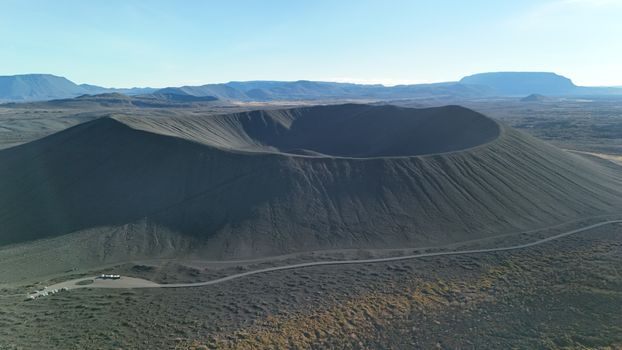
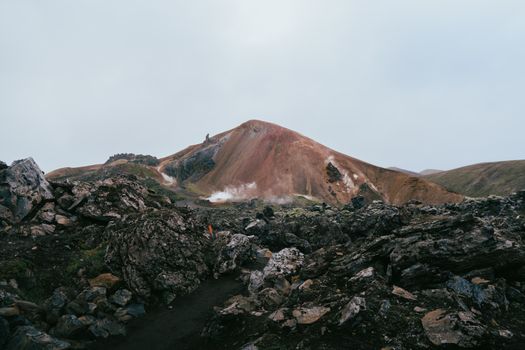
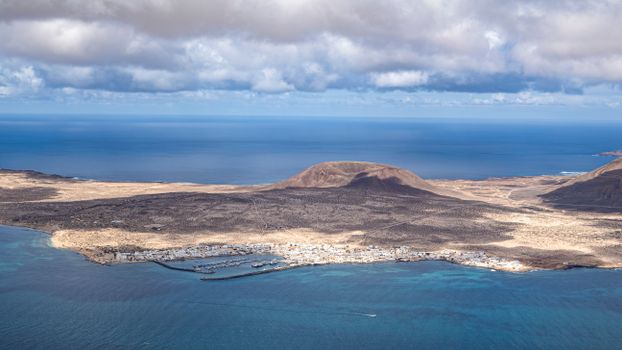
The first time I stood at the edge of a volcanic crater, a primal fear gripped me. The sheer power, the raw, untamed energy rumbling beneath my feet – it was terrifying and exhilarating all at once. For years, my imagination had been fueled by dramatic documentaries and disaster movies, painting volcanoes as beautiful but deadly giants. I loved the idea of witnessing their majesty, but the thought of getting too close felt like a death wish.
Then, I started seeing glimpses. Friends sharing photos of pre-dawn treks to smoking peaks, stories of roasting marshmallows over cooling lava, and panoramic views that looked like they belonged on another planet. I realized there was a whole world of volcanic adventure out there that wasn't about dodging molten rock or outrunning pyroclastic flows. It was about respect, guided exploration, and experiencing Earth's incredible geological artistry up close, safely.
What if I told you that some of the most mind-blowing, Instagram-worthy, and deeply authentic travel experiences you could ever have involve volcanoes – and they’re perfectly safe, accessible, and not yet swamped by hordes of tourists? Welcome to the world of volcano tours that won't kill you, but will absolutely ignite your soul, all before they become the next big thing.
Beyond the Brim: Why Volcanoes (Safely) Are the Next Big Thing
There's something inherently captivating about volcanoes. They are the Earth's breath, its pulse, a constant reminder of the planet's dynamic, living nature. For too long, they've been relegated to the realm of extreme sports or scientific expeditions in the public imagination. But a new wave of responsible, guided tourism is changing that, opening up these geological wonders to adventurous travelers like us.
Why now? As popular destinations become increasingly crowded, travelers are seeking out truly unique, off-the-beaten-path experiences. Volcanoes offer unparalleled natural beauty, a sense of raw adventure, and often, incredible cultural immersion with the communities that live in their shadow. The key, of course, is "safely." With certified local guides, established routes, and a healthy respect for Mother Nature, these aren't daredevil stunts, but carefully managed expeditions. We're talking about witnessing eruptions from a safe distance, hiking dormant peaks with lunar landscapes, or even enjoying the therapeutic warmth of volcanic hot springs.
These are the kinds of trips that transform you, giving you stories that go far beyond a pretty picture – though, trust me, the pictures will be epic. Let's dive into some of my absolute favorite, relatively undiscovered volcanic gems that you need to add to your bucket list, stat.
Mount Bromo, Indonesia: Sunrise Spectacle & Sand Sea Serenity
My first truly "volcanic" experience was Mount Bromo, and it set the bar impossibly high. Located in East Java, Indonesia, Bromo isn't just a volcano; it's part of the Tengger massif, a surreal landscape of craters, peaks, and a vast "Sea of Sand."
The adventure begins in the pre-dawn darkness. You'll typically be picked up by a 4x4 jeep, bumping along rugged roads in the pitch-black, the air growing colder with every meter of ascent. My driver, a quiet man named Pak Adi, navigated the winding paths with practiced ease, the only sounds the rumble of the engine and the occasional bleating of a goat. We arrived at a viewpoint on Mount Penanjakan, joining a small crowd bundled in jackets, sipping hot coffee, and eagerly awaiting the sunrise.
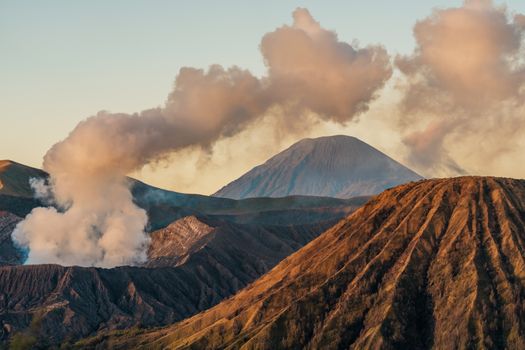
And then it happened. As the first slivers of orange and pink painted the horizon, the entire caldera slowly revealed itself. Below, the misty Sea of Sand stretched out, and from it, Bromo, Semeru (Indonesia's highest volcano), and other peaks emerged, bathed in golden light. Bromo itself, with its smoking crater, looked like a deity awakening. It's truly a sight that makes you gasp – a moment so profound it feels almost spiritual.
After the sunrise spectacle, the jeep takes you down into the Sea of Sand. Here, you can hike or ride a horse across the volcanic ash plains towards the base of Bromo. The final ascent to the crater rim is a relatively easy walk up a set of concrete steps. Standing at the top, peering into the smoking caldera, you can hear the deep, guttural roar of the volcano. It's a raw, sensory experience – the sulfurous smell, the sound, the sheer scale of it all.
Practical Details:
* Location: East Java, Indonesia. Fly into Surabaya (SUB) or Malang (MLG), then a drive to Cemoro Lawang village.
* Cost: Jeep tours typically range from IDR 250,000 - 600,000 (approx. $17-$40 USD) per person, depending on group size. National park entrance fee is around IDR 220,000 - 320,000 (approx. $15-$22 USD).
* Safety: The routes are well-established, and you're always with a guide or driver. The crater rim has a protective barrier, but common sense is key.
* Instagram-worthy: The sunrise views from Penanjakan, the misty Sea of Sand, and the smoking crater itself. If you're lucky, you might even capture the Milky Way before dawn.
Pacaya, Guatemala: Roast Marshmallows on Active Lava Flows!
If the idea of active volcanoes gives you pause, let me introduce you to Pacaya, near Antigua, Guatemala. This isn't about dodging lava bombs; it's about respectful interaction with cooling lava flows, and yes, roasting marshmallows on them!
My trip to Pacaya started with a short drive from Antigua, a charming colonial city. The hike itself is moderately challenging, taking about 1.5 to 2 hours to reach the main viewing areas. The trail winds through lush forests before opening up to barren, volcanic landscapes. Our local guide, a nimble young man named Carlos, shared stories of Pacaya's history and its more recent eruptions, all while pointing out fascinating volcanic rock formations.
The real magic happens when you reach areas where the lava from previous eruptions has cooled, but still retains incredible heat just beneath the surface. Carlos found a perfect spot, dug a small hole with a stick, and within seconds, the intense heat was undeniable. Out came the marshmallows! Impaling them on long sticks, we held them over the glowing cracks, watching them turn perfectly golden and gooey in moments. It was an utterly surreal experience – enjoying a childhood treat cooked by the Earth itself.
While you won't be walking directly into a lava lake (obviously!), you get incredibly close to the evidence of Pacaya's ongoing activity. Depending on recent eruptions, you might see small streams of molten rock or glowing cracks. The guides are incredibly knowledgeable about safe distances and the volcano's current behavior, ensuring everyone has an exciting yet secure experience.
Practical Details:
* Location: Near Antigua, Guatemala. Most tours depart from Antigua.
* Cost: Group tours from Antigua typically cost around GTQ 150-250 (approx. $20-$35 USD) including transportation and a guide. Park entrance fee is an additional GTQ 100 (approx. $13 USD). Don't forget to bring marshmallows!
* Safety: Always go with a certified local guide. They know the safe routes and current conditions. The volcano is monitored, and tours are adjusted if activity becomes too high.
* Instagram-worthy: Roasting marshmallows, the rugged volcanic landscape, and sweeping views of other nearby volcanoes like Agua and Fuego.
Stromboli, Italy: Europe's Fire-Breathing Lighthouse
Imagine a small, idyllic island in the Mediterranean, its charming white villages clinging to the slopes, and then, at night, a dramatic, rhythmic explosion of fire lighting up the sky. That's Stromboli, one of the Aeolian Islands north of Sicily, and it's nicknamed the "Lighthouse of the Mediterranean" for good reason.
My journey to Stromboli began with a ferry from Milazzo, Sicily. The island itself is a slice of paradise – black sand beaches, turquoise waters, and a laid-back vibe. But the real draw is its constantly active volcano. Unlike some volcanoes that erupt violently and unpredictably, Stromboli is known for its "Strombolian" eruptions: small, regular, and relatively gentle explosions of lava, ash, and incandescent rock.
To experience the magic, you need to join a guided night hike. These are mandatory for safety and absolutely worth it. We started our trek in the late afternoon, winding our way up through fragrant Mediterranean vegetation, the views of the sea becoming more expansive with every step. As dusk settled, the landscape transformed. The air grew cooler, and anticipation hummed through our group.
Finally, we reached the designated viewing area, a safe distance from the active craters. And then, the show began. Every 10-20 minutes, with a deep rumble, the volcano would expel glowing red lava and sparks high into the night sky, illuminating the "Sciara del Fuoco" (Stream of Fire) where molten rock often cascades down the slopes into the sea. Each eruption was met with gasps and murmurs of awe from our group. It felt like watching a living, breathing entity. The rhythmic nature of the eruptions made it feel like a natural heartbeat, a mesmerizing display of Earth's power.
Practical Details:
* Location: Aeolian Islands, north of Sicily, Italy. Reachable by ferry from Milazzo, Messina, or Naples.
* Cost: Ferry tickets vary. Guided volcano treks cost approximately €25-35 (approx. $27-$38 USD) per person.
* Safety: Guided tours are mandatory and strictly adhere to safety protocols. Guides are experienced and monitor conditions closely. Always follow their instructions.
* Instagram-worthy: The dramatic night eruptions against the dark sky, the "Sciara del Fuoco," and the charming island village during the day.
Teide, Tenerife: Stargazing from Europe's Highest Peak
For a volcanic experience that combines lunar landscapes with cosmic wonder, look no further than Teide National Park in Tenerife, Canary Islands, Spain. This UNESCO World Heritage site is home to Mount Teide, Spain's highest peak and the third-tallest volcano in the world measured from its base on the ocean floor. While it’s dormant, its unique environment offers a spectacular adventure.
My visit to Teide felt like stepping onto another planet. The drive up through the national park is a journey through an otherworldly landscape of solidified lava flows, bizarre rock formations, and vast calderas. The air gets crisper, and the vegetation thins, replaced by resilient high-altitude plants.
The most popular way to experience Teide is via its cable car, which whisks you up to an altitude of 3,555 meters (11,663 feet) in just eight minutes. From the upper station, several well-marked trails offer breathtaking panoramic views across Tenerife and the other Canary Islands. For the truly adventurous, a special permit (free, but booked well in advance online) allows you to hike the final ascent to the summit crater (Pico del Teide) at 3,718 meters (12,198 feet). The air is thin here, so take it slow and savor the incredible vistas.
But Teide truly shines after dark. Its high altitude, minimal light pollution, and clear skies make it one of the best stargazing spots on Earth. I joined a dedicated stargazing tour, which included a delicious Canarian dinner, a sunset view from the national park (the "sea of clouds" phenomenon is breathtaking), and then an astronomy session with powerful telescopes. Seeing Saturn's rings and Jupiter's moons through a telescope, with the silhouette of Teide against a canvas of a million stars, was an unforgettable, almost spiritual experience. It felt like the volcano was a silent guardian, connecting us to the vastness of the universe.
Practical Details:
* Location: Tenerife, Canary Islands, Spain. Easily accessible by car or organized tour from anywhere on the island.
* Cost: Cable car return ticket is around €38 (approx. $41 USD). Summit permit is free but requires advance booking. Stargazing tours vary, typically €50-100+ (approx. $55-$110 USD) depending on inclusions.
* Safety: Well-regulated national park with clear paths. Be aware of altitude sickness; take it easy at the summit. Dress warmly, even in summer, as temperatures drop significantly at night.
* Instagram-worthy: The lunar landscape, the cable car ascent, panoramic views from the top, and absolutely, the starry night sky.
Practical Tips for Your Volcanic Venture
Embarking on a volcano tour is an incredible adventure, but like any journey into nature, it requires preparation and respect. Here are my essential tips to ensure your experience is safe, enjoyable, and unforgettable:
- Always Go with a Certified Local Guide: This is non-negotiable, especially for active volcanoes. Local guides possess invaluable knowledge of the terrain, current conditions, safe routes, and emergency protocols. They also often provide incredible cultural insights. Support local communities by choosing reputable, certified guides and tour operators.
- Listen to Your Guide (and the Volcano): Seriously. Your guide's instructions are for your safety. If they tell you to stay behind a barrier, do it. If they warn you about a certain area, heed their advice. Nature is powerful, and conditions can change rapidly.
- Dress in Layers: Volcanic environments can be unpredictable. You might start a hike in warm, humid conditions only to face chilly winds and even rain at higher altitudes. Layers allow you to adapt to changing temperatures. A waterproof and windproof outer layer is always a good idea.
- Sturdy Footwear is Key: This isn't the time for flip-flops. Invest in good quality hiking boots or sturdy walking shoes with excellent grip. You'll be traversing uneven terrain, loose ash, and potentially slippery rocks. Ankle support is a huge bonus.
- Hydrate, Hydrate, Hydrate: Bring plenty of water. Hiking, especially at altitude or in warm climates, can lead to dehydration quickly. Electrolyte drinks can also be beneficial.
- Headlamp or Flashlight: For pre-dawn treks (like Bromo) or night hikes (like Stromboli), a reliable headlamp is essential. It keeps your hands free and illuminates the path ahead.
- Check Volcanic Activity Levels: While these tours are designed to be safe, it's always wise to do a quick check on the current activity status of the volcano before your trip. Reputable tour operators will do this for you, but a quick online search can provide peace of mind.
- Travel Insurance: As with any adventure travel, comprehensive travel insurance is a must. Ensure it covers adventure activities and potential medical emergencies.
- Respect the Environment and Local Culture: Leave no trace. Pack out everything you pack in. Stick to designated paths. Be mindful of noise levels. And always be respectful of the local communities who live in harmony with these powerful natural wonders.
- Camera Gear: Don't forget your camera, spare batteries, and memory cards! The photographic opportunities are immense. A wide-angle lens is great for landscapes, and a tripod is essential for night photography (like stargazing at Teide or capturing Stromboli's eruptions).
Ignite Your Wanderlust, Responsibly
Standing on the edge of a volcano, feeling the Earth's pulse, is an experience unlike any other. It’s a profound connection to our planet, a reminder of its incredible power and beauty. These aren't just tours; they're journeys into the heart of geological wonder, offering unique perspectives and unforgettable memories.
So, are you ready to trade the ordinary for the extraordinary? To feel the heat, witness the raw power, and capture those epic, share-worthy shots that will make your friends green with envy? These safe, pre-mainstream volcano adventures are calling your name.
Which volcano will be your first fiery encounter? Share your thoughts in the comments below, and don't forget to tag #TripsoraVolcanoAdventures in your photos when you go! The world is waiting – go explore it, responsibly and passionately.
---