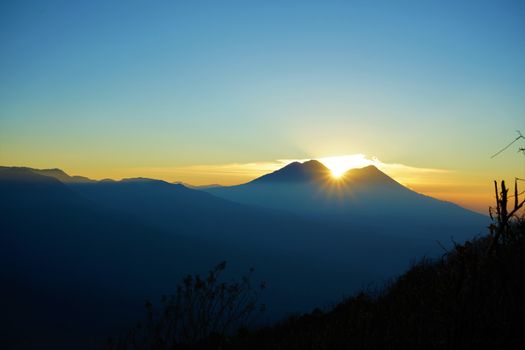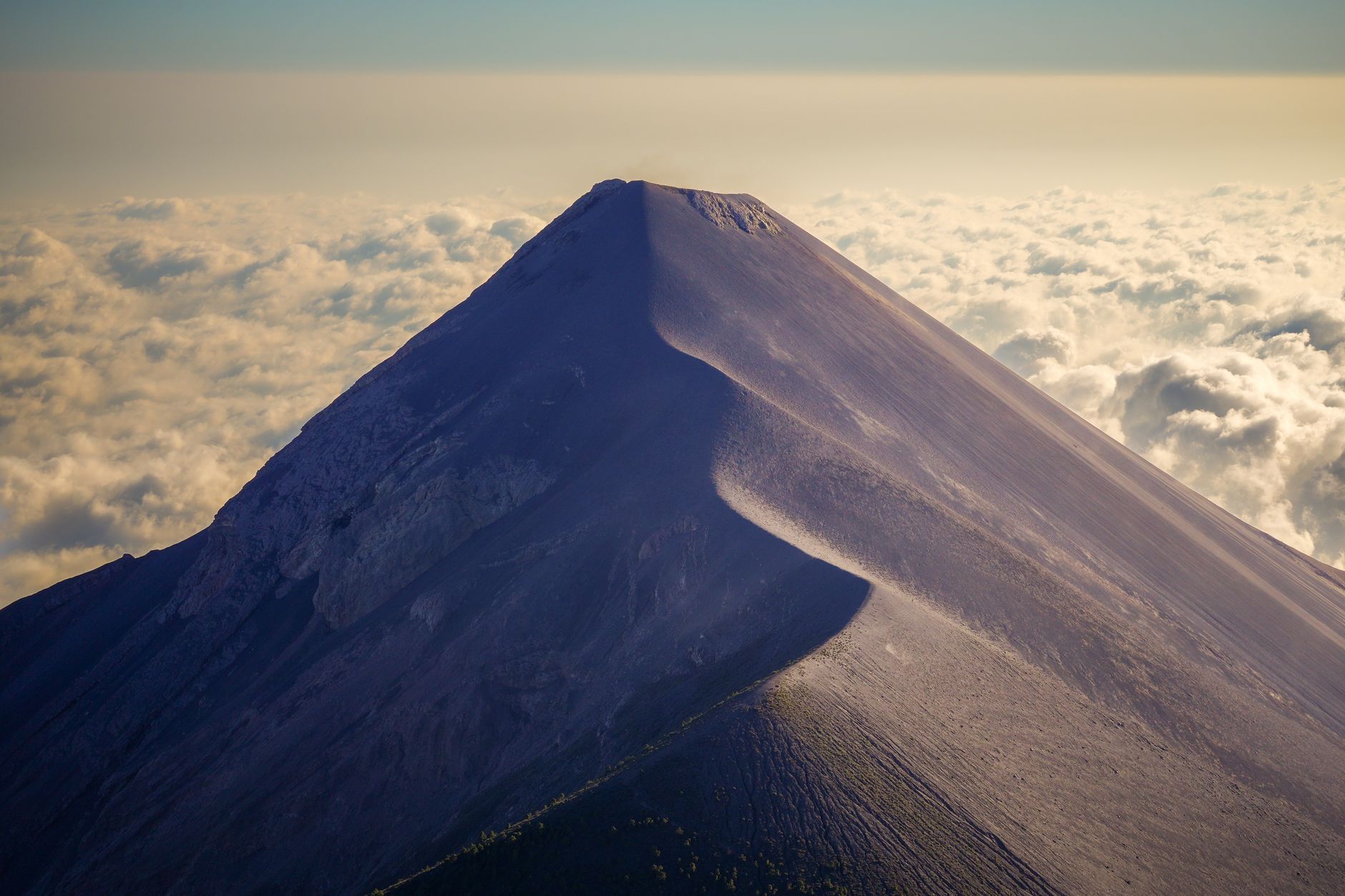
The air was thin, the wind bit at my exposed skin, and my legs screamed in protest with every step. Above me, the inky blackness of the Guatemalan night was punctuated by a million stars, and below, a crimson glow pulsed from the earth itself. Then, a rumble. Deep, guttural, ancient. My heart pounded, a primal fear seizing me, but it was quickly replaced by something else – an overwhelming, exhilarating awe. A fountain of molten rock erupted from Volcán de Fuego, painting the night sky in fiery oranges and reds, and in that moment, shivering on the slopes of Acatenango, I knew my life would never be the same.
I used to be terrified of volcanoes. Not just a healthy respect, but a genuine, irrational fear fuelled by disaster movies and sensationalized news. The idea of standing anywhere near one felt like a death wish. But travel, as it often does, has a way of challenging our deepest-seated fears. Slowly, through research and the encouragement of fellow adventurers, I started to realize that not all volcanoes are created equal, and many offer incredible, safe, and utterly transformative experiences. This isn't about tempting fate; it's about witnessing the raw, creative power of our planet with expert guidance and meticulous planning.
This is the story of how I confronted my fear, embraced the fire, and discovered that some of the most "dangerous" places on Earth can, paradoxically, be the most life-affirming. If you're looking for an adventure that will shake you to your core (in the best possible way), keep reading. These are the volcano tours that won't kill you, but just might change your life forever.
The Volcano Whisperers: Why 'Safe' is Key to Your Fiery Adventure
Let's get one thing straight: safety is paramount. When I talk about "volcano tours that won't kill you," I'm not being flippant. I'm talking about tours led by experienced, certified guides who work with local geological agencies, constantly monitor activity, and know exactly where the safe zones are. These aren't rogue expeditions; they are carefully planned adventures designed to let you witness Earth's incredible power without putting yourself in unnecessary danger.
Reputable tour operators are your best friends here. They understand the nuances of each volcano, from its typical eruption patterns to the local weather conditions. They provide necessary safety equipment, enforce strict boundaries, and are trained in emergency procedures. My journey from volcano-phobic to volcano-obsessed began with choosing the right people to lead me, and it should for you too. Always check reviews, look for certifications, and don't be afraid to ask detailed questions about their safety protocols before booking.
Guatemala's Fiery Embrace: Acatenango & Fuego (My First Love)
Location:
Antigua, Guatemala
Experience: Overnight hike to witness eruptions from a neighboring active volcano.
Approx. Cost: $60-$100 USD (includes guide, meals, basic camping gear, and sometimes transport from Antigua).
My first truly life-changing volcano experience was the overnight trek up Volcán Acatenango in Guatemala, offering unparalleled views of its highly active neighbor, Volcán de Fuego. This isn't just a hike; it's an epic pilgrimage to witness Earth's raw, untamed heart.
We set off from the charming colonial city of Antigua, a diverse group of travellers, all a little nervous, a lot excited. The hike itself is challenging – a steep, unrelenting ascent through various ecosystems, from farmlands to cloud forest, and finally, volcanic scree. It's physically demanding, and you'll question your life choices more than once, but every single step is worth it.
Reaching base camp, just below Acatenango's summit, felt like conquering Everest. The air was frigid, the clouds swirled dramatically, and then, a clearing. And there it was: Fuego, a constant, rumbling presence. As twilight deepened, Fuego began its spectacular show. Every 15-20 minutes, sometimes more frequently, it would erupt, sending plumes of ash and glowing lava bombs high into the sky, the sound echoing across the valley.
Personal Anecdote:
I remember huddling around a campfire with my fellow hikers, mugs of hot chocolate clutched in our gloved hands. We were exhausted, our muscles aching, but no one could tear their eyes away. We slept (or tried to) in basic tents, the ground vibrating with each eruption, the orange glow illuminating our canvas walls. At 4 AM, we made the final push to Acatenango's summit for an unforgettable sunrise, watching Fuego continue its fiery dance against a canvas of pastel skies. It was cold, uncomfortable, and utterly, unequivocally magnificent. It stripped away all pretenses, all trivial worries, leaving only pure, unadulterated wonder. That night, I cried tears of joy and disbelief, feeling more alive than I ever had before.
Practical Tips:
* Reputable Operators: I went with Wicho & Charlie's (though Ox Expeditions is also popular). They provide good guides, food, water, and basic gear.
* Layers are KEY: It gets incredibly cold at night. Think thermal base layers, fleece, a warm jacket, hat, and gloves.
* Sturdy Boots: Hiking boots with good ankle support are essential for the steep, uneven terrain.
* Porters: You can hire porters to carry your main pack for a reasonable fee (around $20-30 USD each way), which I highly recommend if you're not an experienced multi-day hiker.
* Altitude Sickness: Be aware of symptoms. Acatenango's summit is over 13,000 feet (4,000 meters). Take it slow, hydrate.
Iceland's New Earth: Fagradalsfjall & Reykjanes Peninsula (Witnessing Creation)
Location:
Reykjanes Peninsula, Iceland (near Reykjavík)
Experience: Relatively easy hikes to view active lava flows (when erupting).
Approx. Cost: Free to hike, guided tours range from $100-$200 USD.
Iceland, the land of fire and ice, offers a completely different, yet equally mesmerizing, volcanic experience. While the famous Eyjafjallajökull caused global chaos in 2010, more recently, the Fagradalsfjall eruption (and subsequent smaller eruptions in the Reykjanes Peninsula) has become a global sensation for its accessible and relatively gentle lava flows.
When I visited, the eruption was ongoing, a geological spectacle playing out just a short drive from Reykjavík. The authorities had clearly marked hiking trails, regularly assessed safety, and deployed search and rescue teams. This wasn't a "climb to the crater" kind of tour; it was a "hike to a safe viewing point to watch new land being born" experience.
Personal Anecdote:
The smell hit me first – a pungent, metallic sulfur scent that tingled in my nose. Then, the sight. A river of molten rock, slow but inexorable, carving its way across the ancient lava fields. It was surreal. The ground beneath my feet was warm in places, steam rising from cracks. I stood there for hours, mesmerized by the sheer, relentless power of it. The lava would cool and blacken, then crack open to reveal fresh, glowing orange beneath, a constant process of destruction and creation. It felt like I was watching the Earth breathe, expand, and reshape itself in real-time. It was a profound reminder of our planet's dynamic nature and our fleeting presence upon it.
Practical Tips:
* Check Conditions DAILY: Volcanic activity can change rapidly, as can weather. Always check the official Icelandic Met Office website (vedur.is) and SafeTravel.is for the latest information on eruption sites, trail closures, and safety warnings.
* Dress for ALL Weather: Icelandic weather is notoriously fickle. Layers, waterproofs, sturdy hiking boots, and warm accessories are non-negotiable.
* Wind is a Factor: Strong winds can make even a moderate hike challenging.
* Guided vs. Self-Guided: While self-guided is possible when conditions are stable and trails are clear, a guided tour offers invaluable local knowledge, safety, and transportation.
* Leave No Trace: Stick to marked paths and respect the fragile environment.
Indonesia's Twin Wonders: Bromo & Ijen (A Spiritual Journey)
Location:
East Java, Indonesia
Experience: Sunrise at Bromo caldera, trek to Ijen's blue flames and acidic crater lake.
Approx. Cost: $150-$300 USD for a 2-3 day tour from Surabaya or Malang (includes transport, guides, accommodation, park fees).
Indonesia, part of the Pacific Ring of Fire, boasts some of the world's most iconic and accessible volcanoes. My journey to Mount Bromo and Ijen Crater on East Java was less about explosive eruptions and more about surreal landscapes and a deep connection to the Earth's inner workings.
The adventure began with a pre-dawn jeep ride across the "Sea of Sand" – a vast, lunar-like caldera that is Bromo's ancient predecessor. The air was cold, the stars brilliant, and the anticipation palpable. We then hiked up to a viewpoint, joining hundreds of others, for one of the most famous sunrises on Earth.
Personal Anecdote:
As the first rays of light kissed the horizon, the mist-shrouded peaks of Bromo, Semeru (Indonesia's highest volcano), and Batok slowly emerged, bathed in golden light. It was a scene of breathtaking grandeur, almost spiritual in its beauty. Then, we descended into the caldera and hiked to the very rim of Bromo's active crater. The smell of sulfur was strong, the ground rumbled faintly, and steam billowed from the crater floor. It felt like standing on the edge of another world.
The next night, after a brief rest, we embarked on an even more unique journey: a midnight trek to Ijen Crater to witness its fabled "blue flames." This involved hiking down into the crater in the dark, wearing gas masks to protect against the strong sulfuric fumes. The sight of the electric blue flames, caused by ignited sulfuric gas, flickering in the darkness was utterly otherworldly. It was also a humbling experience, watching the incredibly resilient sulfur miners at work, carrying heavy loads of sulfur up the treacherous slopes. It was a powerful blend of natural wonder and human endurance.
Practical Tips:
* Gas Masks for Ijen: Absolutely essential. Your tour operator should provide them. Do NOT go into the crater without one.
* Physical Fitness: Both Bromo (short but steep climb) and Ijen (steep descent into the crater, then ascent) require a reasonable level of fitness.
* Warm Clothes: It's cold at night/early morning on both volcanoes.
* Sturdy Shoes: Hiking shoes are a must for the sandy, rocky terrain.
* Ethical Tourism: Be respectful of the sulfur miners at Ijen. Do not photograph them without permission, and consider offering a small tip if they pose.
Italy's Lighthouse of the Mediterranean: Stromboli (The Ever-Reliable Show)
Location:
Aeolian Islands, Sicily, Italy
Experience: Evening hike to view frequent, small eruptions from a relatively safe distance.
Approx. Cost: €30-€60 (approx. $35-$70 USD) for a guided evening hike.
For a completely different, yet equally captivating, volcanic experience, head to the Aeolian Islands off the coast of Sicily. Here, Stromboli, affectionately known as the "Lighthouse of the Mediterranean," has been continuously erupting for at least 2,000 years, providing a reliable and accessible show.
Unlike the intense, multi-day treks of Acatenango or the vast caldera views of Bromo, Stromboli offers a more contained, but no less thrilling, experience. The island itself is charming, a typical Italian paradise with black sand beaches and whitewashed villages. The real magic, however, begins after sunset.
Personal Anecdote:
Our guided group set off in the late afternoon, hiking up the volcanic slopes as the sun began to dip below the horizon. The ascent was moderate, passing through fragrant Mediterranean scrub, with stunning views of the sparkling Tyrrhenian Sea. As darkness fell, we reached a designated viewing area, safely positioned away from the active craters but close enough to feel the ground tremble beneath our feet.
Then, it began. Every few minutes, Stromboli would let out a puff, a growl, and then a spectacular burst of incandescent lava and ash, arcing through the night sky. It wasn't a massive, destructive eruption, but a series of rhythmic, mesmerising explosions. It felt like watching a perfectly choreographed fireworks display, orchestrated by Mother Earth herself. The sound was a deep thud, the sight utterly captivating. I sat there, completely entranced, the cool night air a stark contrast to the fiery spectacle unfolding before me. It was a reminder that even "small" eruptions hold immense power and beauty.
Practical Tips:
* Guided Tours are Mandatory: You cannot hike to the viewing areas independently. You must go with an authorised guide.
* Evening Hike: The best time to go is at dusk or night to see the lava glow.
* Headlamp: Essential for the descent in the dark.
* Sturdy Shoes: Hiking boots or good walking shoes are sufficient.
* Check Conditions: Even though Stromboli is "reliable," always check with local tour operators for any temporary closures or increased activity.
Your Essential Volcano Adventure Toolkit: Prepare for Awe
Ready to embark on your own life-changing volcano tour? Here's a practical checklist to ensure you're prepared, safe, and ready to soak in every incredible moment:
- Research, Research, Research:
- Reputable Operators: This is non-negotiable. Look for guides with strong safety records, local knowledge, and good reviews.
- Current Conditions: Volcanic activity is dynamic. Always check official geological websites, local news, and your tour operator for the latest alerts and advisories.
- Permits & Fees: Understand what's included in your tour price and what you might need to pay extra for (park entrances, porters, etc.).
- Gear Up:
- Layers, Layers, Layers: Even in warmer climates, volcano summits are cold, windy, and often wet. Think moisture-wicking base layers, insulating mid-layers (fleece), and a waterproof/windproof outer shell.
- Sturdy Hiking Boots: With good ankle support and grip. You'll be traversing uneven, often slippery, terrain.
- Headlamp/Flashlight: Crucial for pre-dawn starts or evening descents.
- Backpack: Comfortable, large enough for your essentials.
- Water Bottle/Hydration Pack: Stay hydrated! Bring more water than you think you'll need.
- Snacks: High-energy snacks (nuts, energy bars, fruit) are your friend.
- Sun Protection: Hat, sunglasses, and high-SPF sunscreen, even on cloudy days.
- Camera Gear: A good camera with extra batteries (cold drains them quickly!), a wide-angle lens for landscapes, and a tripod for night shots of lava flows. Protect your gear from dust and ash.
- First-Aid Kit: Basic supplies for blisters, headaches, etc.
- Gas Mask (if required): For places like Ijen, ensure your tour operator provides a certified one.
- Physical Preparation:
- Assess Your Fitness: Be honest with yourself. Some hikes are very challenging (Acatenango), others are more moderate (Stromboli, some Iceland trails). Train beforehand if necessary.
- Acclimatization: If hiking at high altitudes, allow a day or two to acclimatize if possible.
- Mindset:
- Be Flexible: Weather and volcanic activity can cause last-minute changes or cancellations.
- Respect Nature: Stick to marked paths, don't litter, and maintain a safe distance from active areas.
- Embrace the Challenge: It might be tough, but the reward is immense.
The Earth's Fiery Heart: A Journey of Transformation
Standing on the edge of a volcano, feeling the ancient power beneath your feet, witnessing the creation of new land, or the rhythmic pulse of an active crater – these are not just travel experiences; they are profound encounters with the very essence of our planet. They strip away the mundane, ignite a sense of wonder, and put our human existence into humbling perspective.
For me, these journeys were about more than just seeing spectacular sights. They were about conquering a deep-seated fear, pushing my physical and mental limits, and connecting with the Earth in a way I never thought possible. They taught me resilience, patience, and the incredible beauty that can emerge from raw, untamed power. I learned that true adventure isn't about recklessly courting danger, but about thoughtfully stepping outside your comfort zone, guided by knowledge and respect.
These volcano tours didn't kill me; they awakened me. They changed my life forever by showing me the sheer, breathtaking majesty of our world, and in doing so, they reignited my own inner fire.
Are you ready to witness the Earth's raw, life-changing power? Which volcano will call to you first? The adventure awaits!