Volcano Tours That Won't Kill You: Safe Thrills Beyond the Hype
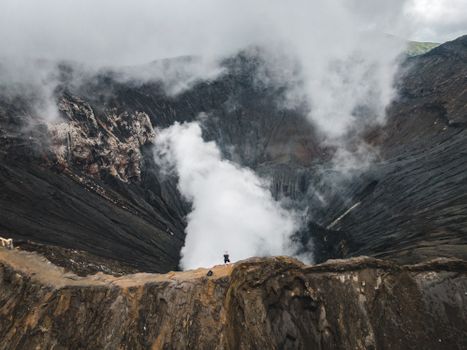
Let's be real. We've all scrolled past those jaw-dropping, heart-stopping Instagram Reels: a daring influencer perched precariously on a jagged volcanic ridge, or perhaps a selfie taken dangerously close to a bubbling lava lake, all for the perfect shot. They look incredible, don't they? But here's the dirty little secret no one talks about: those stunts are often incredibly risky, irresponsible, and sometimes, plain stupid.
I remember once, during a trip to Guatemala, watching a group of young travelers attempt to scramble up a freshly cooled lava flow on Pacaya, ignoring the stern warnings of our local guide. One slip, one wrong step, and they could have been seriously injured, or worse. The guide, a seasoned veteran of countless ascents, just shook his head, muttering about "Instagram madness." It was a stark reminder that while the allure of an active volcano is undeniable, safety should always come first.
At Tripsora, we believe adventure shouldn't come at the cost of your well-being. You can experience the raw, untamed power of the Earth's fiery heart without risking life and limb. Forget the death-defying antics; we're talking about incredible, safe volcano tours that are genuinely awe-inspiring, profoundly educational, and yes, totally Instagram-worthy – but for all the right reasons.
Ready to discover the volcanoes that will ignite your wanderlust, not your fear? Let's dive in!
Influencer Culture & The Volcano Myth: Why You Don't Need to Risk It All
The rise of social media has brought incredible destinations into our living rooms, inspiring countless adventures. But it's also birthed a culture of "doing it for the 'gram," where the pursuit of viral content often overshadows common sense, safety, and respect for local guidelines. When it comes to volcanoes, this can be particularly dangerous.
Volcanoes are not static backdrops; they are dynamic, unpredictable geological forces. What looks like a stable, dusty path in a photo could be a crumbling, unstable slope. That distant plume of smoke could suddenly shift with the wind. The "perfect" spot an influencer found might be off-limits for a reason – perhaps due to toxic gas emissions, unstable ground, or the risk of sudden eruptions.
The myth is that you need to push boundaries to truly experience a volcano. The reality? The most profound experiences come from understanding, respecting, and safely observing these natural wonders. You don't need to stand on the edge of a caldera for a breathtaking photo; the vastness and beauty are often best captured from a safe, designated viewpoint. Responsible travel isn't just about protecting yourself; it's about protecting the environment, supporting local communities, and ensuring these incredible places remain accessible for future generations.
Understanding Volcano Safety: What Makes a Tour 'Safe'?
So, how do you differentiate between a thrilling, safe adventure and a reckless gamble? It all comes down to understanding and preparation.
- Expert Guides are Non-Negotiable: A reputable tour will always include experienced, certified local guides. These aren't just people who know the trail; they're often trained in first aid, understand the volcano's current activity levels, and can read weather patterns and ground conditions. They know the safe zones and, crucially, the danger zones.
- Volcano Monitoring & Alert Levels: Active volcanoes are constantly monitored by geological observatories. Safe tours operate only when alert levels permit and always adhere to official warnings and restricted zones. A tour operator who downplays official warnings is a massive red flag.
- Designated Paths & Infrastructure: Many popular volcanic sites have well-maintained trails, viewing platforms, and even cable cars or 4x4 vehicles to get you to safe observation points. These are designed to maximize your experience while minimizing risk.
- Appropriate Gear & Briefings: A good tour operator will advise you on necessary gear (sturdy boots, layers, water, headlamps for night hikes) and provide a comprehensive safety briefing before you start.
- Respect for Nature's Power: Ultimately, a safe tour fosters a deep respect for the volcano. It teaches you to appreciate its grandeur from a secure distance, rather than trying to conquer it.
Gentle Giants: Beginner-Friendly Volcano Hikes & Scenic Drives
Not every volcano demands a grueling, multi-day trek. Many offer incredible, accessible experiences perfect for families, casual hikers, or those simply seeking stunning views without the sweat.
- Haleakalā, Maui, Hawaii, USA: My first truly unforgettable volcano experience was at Haleakalā National Park. Waking up at 2 AM to drive to the summit for sunrise was an effort, but seeing the sky ignite in a symphony of colors above a sea of clouds, with the vast, Mars-like crater stretching out below, was utterly magical. It felt like standing on another planet. The drive is paved and accessible for most vehicles, and there are easy walking paths at the summit. You don't need to hike into the crater to feel its immense power. Cost: National Park entrance fee (approx. $30 per vehicle, valid for 3 days). Reservations required for sunrise viewing.
- Mount Teide, Tenerife, Canary Islands, Spain: Spain's highest peak and an active volcano, Teide offers a surprisingly easy ascent for spectacular views. A cable car whisks you up most of the way, leaving only a short, optional hike to the summit. The landscape around Teide is a UNESCO World Heritage site, resembling a lunar surface. You can explore lava flows and unique rock formations. Cost: Cable car return ticket approx. €38. A free permit (booked well in advance online) is required to hike the final section to the summit crater.
- Mount Fuji, Honshu, Japan: While a significant hike to the summit (usually done overnight to catch sunrise), there are many ways to appreciate Fuji-san from a safe distance. The Fuji Five Lakes region offers stunning vistas, charming towns, and easy walks with the iconic volcano as your backdrop. You can even take a scenic boat cruise on Lake Kawaguchiko for unparalleled photo opportunities. Cost: Varies by activity. No fee for viewing from a distance.
The Thrill Seekers' Safe Haven: Active Volcanoes with Expert Guidance
For those who crave a bit more excitement and want to witness a truly active volcano, there are still incredibly safe options – provided you go with certified guides and reputable operators.
- Stromboli, Aeolian Islands, Italy: This is the place to witness regular, small-scale eruptions safely. Imagine hiking up in the late afternoon, the air thick with the smell of sulfur, and as dusk settles, watching molten rock explode from the summit crater against the inky sky. It's a primal, unforgettable experience. Guided hikes are mandatory, and they ensure you stay at a safe viewing distance on a designated path. I remember the collective gasp from our group as the first burst of lava lit up the night – pure magic! Cost: Guided hikes typically range from €30-€45 per person, plus ferry costs to the island.
- Mount Etna, Sicily, Italy: Europe's most active volcano is also one of the most accessible. You can take a cable car, then a 4x4 bus, and finally hike with a guide to explore recent lava flows, old craters, and steam vents. The landscape changes constantly, making every visit unique. Our guide pointed out the difference between fresh, glassy obsidian and older, weathered basalt, bringing the geology to life. Cost: Varies significantly. Cable car + 4x4 + guide can be €70-€100+ per person.
- Pacaya, Antigua, Guatemala: This is where I saw the "Instagram madness," but my own experience was incredibly safe and rewarding. Guided tours take you up the volcano's flanks, where you often see glowing lava flows from a safe distance. The highlight? Roasting marshmallows over volcanic hot spots – a truly unique and delicious experience! The guides are vigilant, ensuring everyone stays on approved paths. Cost: Guided tours from Antigua typically cost $25-$50 per person, including transport and park entrance fee.
Beyond the Summit: Unique Volcanic Experiences (No Hiking Required!)
You don't always need to climb a volcano to appreciate its power. Volcanic activity shapes landscapes in countless fascinating ways, offering unique experiences that are accessible to everyone.
- Iceland's Geothermal Wonderland: Iceland is a volcanic hotspot, and much of its beauty comes from this geological activity. The famous Golden Circle route offers bubbling hot springs (like the Strokkur geyser), powerful waterfalls carved by volcanic rock, and tectonic plate boundaries. Drive the Reykjanes Peninsula to see recent lava flows (like from the Fagradalsfjall eruption in 2021/2022, now cooled but still incredible to witness), steaming vents, and the famous Blue Lagoon (a geothermal spa). There are designated walkways and viewing platforms everywhere. Cost: Generally free to visit natural sites; Blue Lagoon entrance approx. €60-€100+.
- Rotorua, North Island, New Zealand: Step into a vibrant, steaming landscape where the Earth truly breathes. Rotorua is famous for its geothermal parks like Wai-O-Tapu Thermal Wonderland and Te Puia, where you can marvel at colorful hot springs, bubbling mud pools, and powerful geysers. The smell of sulfur is ever-present, reminding you of the power beneath your feet. All these sites have well-maintained boardwalks and trails, making them incredibly safe and accessible. Cost: Entrance fees for geothermal parks typically NZD $30-$50 per person.
- Helicopter Tours: For an unparalleled perspective, consider a helicopter tour over active volcanic regions. This allows you to see craters, lava fields, and geothermal features from a completely safe, aerial vantage point. In Hawaii, tours over Kilauea offer incredible views of steam vents and, sometimes, even active lava flows from above. Cost: Can be pricey, typically $200-$500+ per person, depending on location and duration.
Planning Your Fiery Adventure: Essential Tips for a Safe Trip
Ready to book your next volcanic escapade? Here’s how to ensure it’s safe, responsible, and unforgettable:
- Research Reputable Tour Operators: This is paramount. Look for companies with strong safety records, certified guides, positive reviews focusing on safety and expertise, and adherence to local regulations. Check if they are members of any professional tourism associations.
- Check Current Volcanic Activity & Alert Levels: Before you book and again before you travel, consult official geological observatory websites for your chosen volcano. Conditions can change rapidly.
- Pack Appropriately:
- Sturdy Hiking Boots: Essential for uneven, rocky terrain.
- Layers: Volcanoes often have unpredictable weather – it can be hot at the base and cold/windy at higher elevations.
- Rain Gear: Just in case!
- Water & Snacks: Stay hydrated and energized.
- Sun Protection: Hat, sunglasses, high-SPF sunscreen.
- Headlamp/Flashlight: If doing a sunrise/sunset/night tour.
- Small First-Aid Kit: For minor scrapes.
- Listen to Your Guide: Their word is law. If they say a certain area is off-limits, respect it. They are there for your safety.
- Assess Your Fitness Level: Be realistic about what you can comfortably do. There are options for all fitness levels, so choose one that suits you.
- Travel Insurance: Always, always, always have comprehensive travel insurance that covers adventure activities and medical emergencies.
- Leave No Trace: Pack out everything you pack in. Do not disturb flora or fauna, and stick to marked trails to protect fragile ecosystems.
- Ethical Photography: Capture the beauty, but never put yourself or others in danger for a shot. Respect local customs and privacy.
My Top 3 Unforgettable, Safe Volcano Encounters
It's hard to pick just three, but these stand out for their perfect blend of awe, accessibility, and absolute safety:
- Stromboli at Night: Watching those fiery eruptions paint the night sky from a safe distance with a group of fellow adventurers was pure magic. The anticipation as we waited, the collective "oohs" and "aahs," the smell of sulfur – it was a sensory overload in the best possible way. Our guide was a font of knowledge, sharing stories of the island and its fiery heart. I felt utterly secure, knowing we were in expert hands, yet completely immersed in the raw power of nature.
- Haleakalā Sunrise: That pre-dawn chill, the winding drive up through the clouds, and then that moment the sun kisses the horizon, painting the vast crater in hues of orange and purple. It was a spiritual experience. I captured countless photos, but nothing truly conveyed the feeling of being above the world, witnessing such a profound natural spectacle. It was accessible, breathtaking, and left me feeling invigorated, not terrified.
- Rotorua's Wai-O-Tapu: The vibrant colors of the Champagne Pool, the bubbling mud, the powerful Lady Knox Geyser – it’s a surreal landscape that makes you feel like you’ve stepped onto an alien planet. The well-maintained boardwalks made it easy to explore every fascinating feature without a hint of danger. It was a truly unique experience, proving you don't need to climb a mountain to feel the Earth's pulse.
Embrace the Fire, Responsibly!
The allure of volcanoes is ancient and powerful. They remind us of the incredible, dynamic forces shaping our planet. You don't need to emulate risky influencer stunts to experience their magic. In fact, by choosing safe, guided tours and respecting the power of nature, you'll gain a far deeper, more meaningful appreciation for these geological wonders.
So, ditch the dangerous selfies and embrace the true spirit of adventure. Go forth, explore, and let the Earth's fiery heart ignite your wanderlust – safely and responsibly.
What's your dream volcano adventure? Share your thoughts and experiences in the comments below! And if this post inspired you, don't forget to share it with your fellow travel enthusiasts. Let's make safe, responsible volcano travel the new trend!