Forgotten Ghost Towns: Unforgettable Journeys That Will Blow Your Mind
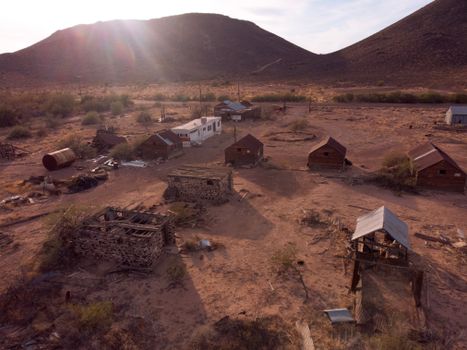
The sun was dipping below the Sierra Nevada mountains, painting the sky in fiery oranges and purples, as our dusty rental car chugged along a remote gravel road. We’d taken a "scenic detour" – a phrase that usually translates to "getting delightfully lost" – and suddenly, in the fading light, a silhouette emerged. Not a town, not exactly. More like a skeleton of one. Weather-beaten wooden buildings stood sentinel, windows gaping like empty eyes, a lone church spire piercing the twilight. The air grew heavy, not with menace, but with an almost palpable sense of absence. Silence hung thick, broken only by the whisper of the wind through broken panes.
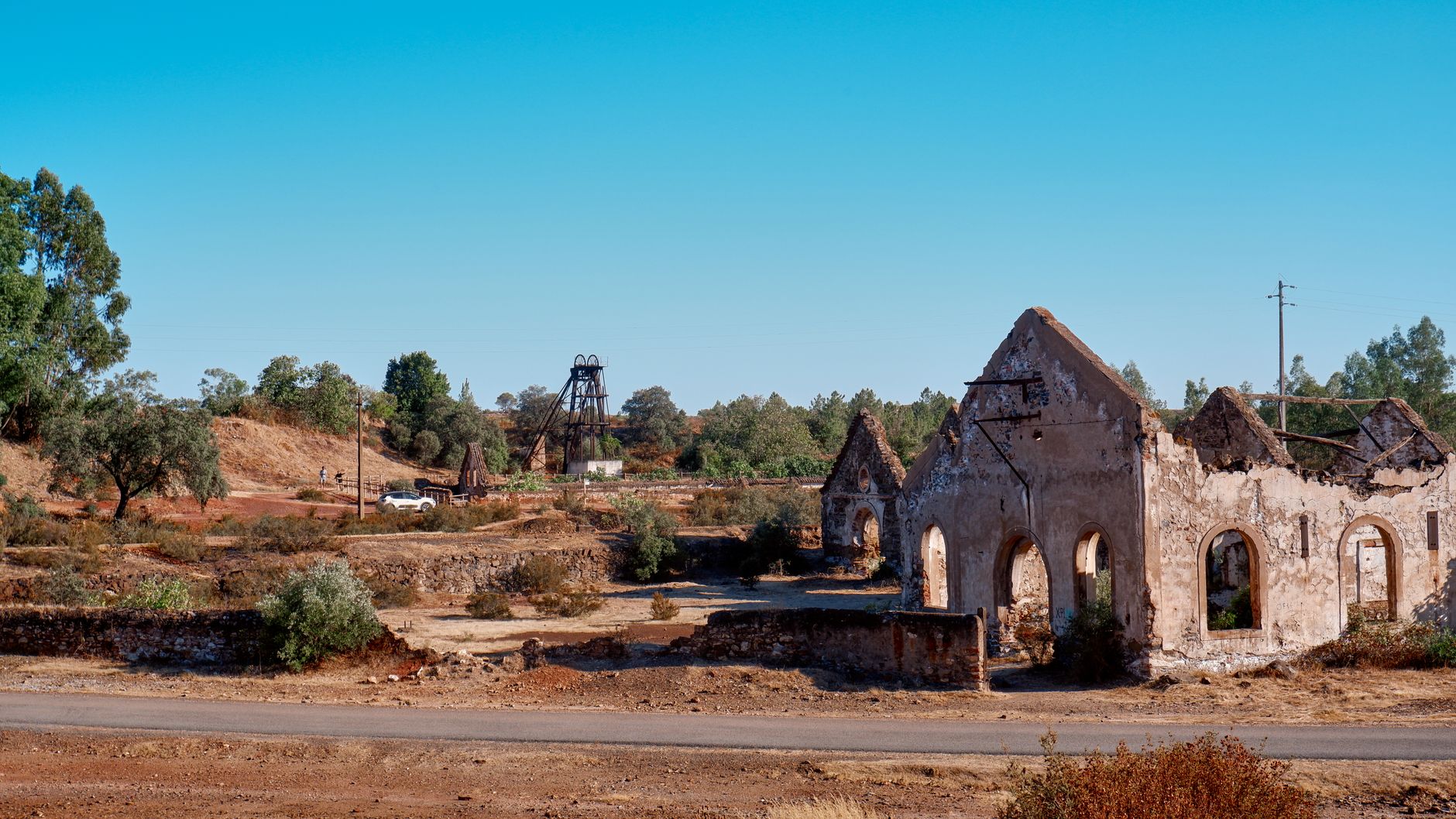
That was my first encounter with a true ghost town, and it wasn't just a stop; it was an awakening. It was a place where time had not just paused, but had petrified, leaving behind a profound, haunting beauty. In that moment, I realized that some of the most powerful travel experiences aren't found in bustling metropolises or postcard-perfect beaches, but in the forgotten corners of the world, where history whispers from silent streets and nature slowly reclaims what was once human ambition.
If you're tired of crowded tourist traps and yearn for an adventure that peels back the layers of time, then welcome, fellow explorer. This isn't just a list; it's your definitive guide to unlocking the secrets of the world's most incredible forgotten ghost towns. These are places that will not only blow your mind with their history and atmosphere but will also leave an indelible mark on your soul.
Why Ghost Towns? The Allure of the Abandoned
What is it about a deserted street, a crumbling homestead, or a forgotten mine shaft that captivates us so deeply? For me, it's the raw, unfiltered narrative of human endeavor, hope, and eventual abandonment. These aren't pristine museums; they are living, breathing (or rather, dying, breathing) historical documents, left exactly as they were when the last resident packed their bags and locked the door for the final time.
Visiting a ghost town is like stepping onto a vast, silent stage where the drama has just ended, leaving behind only the props and the echoes of the actors. It’s an opportunity for introspection, a chance to witness the relentless march of time, and a poignant reminder of impermanence. For photographers, it's a dreamscape of texture, light, and decay. For history buffs, it's an open-air classroom. And for the adventurous traveler, it's an escape from the ordinary, a journey into the extraordinary.
But these aren't just spooky ruins; they are places of profound beauty, often nestled in stunning natural landscapes. From sun-baked deserts to misty mountain peaks, the setting sun casting long shadows over forgotten homes creates an Instagram-worthy tableau that no bustling city can ever replicate.
North America's Eerie Echoes: From Gold Rush to Despair
North America, particularly the American West, is a treasure trove of ghost towns, born from the frenzied gold and silver rushes of the 19th century. When the veins ran dry, so did the towns, leaving behind poignant monuments to boom-and-bust cycles.
1. Bodie, California, USA: The Epitome of "Arrested Decay"
If you visit only one ghost town in your life, make it Bodie. Nestled high in the Eastern Sierra Nevada mountains, Bodie isn't just abandoned; it's preserved in a state of "arrested decay" as a California State Historic Park. Imagine stepping into a photograph from 1880, and that's Bodie.
My first visit to Bodie was on a crisp autumn morning. As I walked down the dusty main street, the silence was profound, broken only by the creak of old wood and the rustle of dry sagebrush. Inside the buildings – which you can peek into, but not enter – tables are still set, general store shelves are stocked with dusty goods, and school desks hold forgotten slates. A child's toy lies abandoned in a yard, a saloon bar stands ready for the next phantom customer. It's an incredibly powerful, almost unsettling experience. You truly feel the ghosts of its 10,000 residents.
- Location: Approximately 75 miles southeast of Lake Tahoe, near Bridgeport. Access involves a well-maintained gravel road.
- Price: Typically around $8 per adult for park entry. Check their official website for current rates and hours.
- Best Time to Visit: Spring and Fall offer pleasant temperatures and fewer crowds. Winters can be harsh, with road closures. Summer is popular but hot.
- Insider Tip: Take the guided walking tour offered by park rangers. Their stories bring the town to life in an unforgettable way. Photography during golden hour (sunrise/sunset) is magical here.
2. Rhyolite, Nevada, USA: Desert Dreams and Artistic Whispers
Just outside the eastern edge of Death Valley National Park lies Rhyolite, a stark contrast to Bodie's preservation. Rhyolite boomed in the early 1900s with a population of 5,000, complete with hotels, a hospital, and even an opera house. Today, it's largely skeletal ruins, but no less captivating.
What makes Rhyolite unique is its setting against the vast, desolate beauty of the Nevada desert, and the incredible outdoor art installations of the Goldwell Open Air Museum nearby. On my trip, exploring the dilapidated bank building and the famous Bottle House (constructed from 50,000 discarded glass bottles) felt like a scavenger hunt through time. The art installations, particularly "The Last Supper" and the towering prospector and penguin sculptures, add a surreal, thought-provoking layer to the historical ruins.
- Location: Near Beatty, Nevada, just off US-95. Easily accessible by paved roads.
- Price: Free to explore.
- Best Time to Visit: Fall, Winter, and Spring to avoid the intense summer heat.
- Insider Tip: Combine your visit with a trip through Death Valley for an epic desert adventure. Bring plenty of water and wear sun protection.
3. St. Elmo, Colorado, USA: A High-Altitude Haven
Nestled high in the Collegiate Peaks wilderness of Colorado, St. Elmo is one of the best-preserved ghost towns in the state, offering a different kind of charm. Founded in 1880, it was a booming mining town before the railways moved on.
My visit to St. Elmo was like stepping into a rustic Western movie. The general store, still standing, offers souvenirs and snacks, giving it a slightly less "ghostly" but no less authentic feel. The chipmunks here are famously fearless and will even pose for photos! Exploring the old cabins, the post office, and the assay office, you can almost hear the clatter of mining carts and the chatter of prospectors. It's a picturesque, family-friendly ghost town experience.
- Location: Southeast of Buena Vista, Colorado, accessible via a well-maintained dirt road (County Road 162).
- Price: Free to explore, but bring cash for the general store if it's open.
- Best Time to Visit: Late Spring through early Fall. Roads can be impassable due to snow in winter.
- Insider Tip: St. Elmo is a popular spot for ATV and hiking trails. Consider extending your visit with some outdoor exploration in the surrounding mountains.
Europe's Silent Sentinels: Stories Etched in Stone
Europe's ghost towns often tell tales of war, natural disaster, or economic collapse, their stone structures standing as stoic witnesses to turbulent histories.
4. Craco, Italy: A Medieval Marvel Frozen in Time
Perched dramatically on a craggy hilltop in the Basilicata region of Southern Italy, Craco is a sight that defies belief. This medieval village, founded in the 8th century, was abandoned due to a series of landslides and earthquakes in the 20th century. It’s now a UNESCO World Heritage site and a photographer's dream.
Standing at the base, looking up at the crumbling stone buildings clinging precariously to the cliff face, I felt an overwhelming sense of awe and melancholic beauty. It’s been featured in films like "The Passion of the Christ" and "Quantum of Solace," and it’s easy to see why – its cinematic quality is undeniable. While you can't freely wander the ruins for safety reasons, guided tours are available, taking you through specific paths and allowing you to glimpse into the ancient homes and churches.
- Location: Basilicata region, Southern Italy. Best accessed by car.
- Price: Guided tours are typically around €10-€15. Booking in advance is recommended.
- Best Time to Visit: Spring or Fall for comfortable weather and stunning light.
- Insider Tip: Combine your visit with exploring the nearby Matera, another ancient, cave-dwelling city that’s truly extraordinary. The contrast between the preserved vitality of Matera and the silent decay of Craco is profound.
5. Oradour-sur-Glane, France: A Somber Memorial
Oradour-sur-Glane is not a ghost town born of economic decline or natural disaster; it is a permanent, haunting memorial to one of the most horrific atrocities of World War II. On June 10, 1944, a Nazi SS company massacred 642 inhabitants – men, women, and children – and then systematically destroyed the entire village. The French government decided to leave the ruins exactly as they were, a silent testament to barbarity.
Walking through Oradour-sur-Glane was one of the most profoundly moving experiences of my life. The burnt-out cars, the melted sewing machines, the rusted bicycles, the church where women and children were burned alive – everything is preserved exactly as it was found. The silence here is different; it's heavy with unspeakable sorrow. It’s not a place for lighthearted tourism, but a pilgrimage of remembrance and a powerful lesson in history.
- Location: Limousin region, central France, near Limoges.
- Price: Free entry to the village and the Centre de la Mémoire (museum).
- Best Time to Visit: Any time of year. The emotional impact transcends seasons.
- Insider Tip: Allow ample time for the museum before entering the village itself. It provides crucial context and helps process the weight of the experience. Be respectful, speak quietly, and remember why this place stands.
Asia's Mystical Ruins: Where Nature Reclaims History
Asia offers a diverse array of abandoned places, from industrial marvels to ancient villages, often with a unique blend of natural beauty and human history.
6. Hashima Island (Gunkanjima), Japan: The Battleship Island
Rising starkly from the sea off the coast of Nagasaki, Hashima Island is an iconic, almost dystopian vision. Nicknamed "Gunkanjima" (Battleship Island) due to its resemblance to a warship, this former coal mining facility was once the most densely populated place on Earth. It was abandoned in 1974 when the coal ran out, leaving behind a concrete jungle slowly being reclaimed by the ocean.
My boat ride to Hashima was exhilarating, and seeing the island emerge from the mist was like watching a scene from a science fiction film. Now a UNESCO World Heritage site, access is strictly limited to guided tours on a designated pathway for safety reasons. You can't wander freely, but the panoramic views of the crumbling high-rise apartments, schools, and hospitals, often shrouded in fog, are incredibly atmospheric. The stories of the harsh lives of the miners (including forced labor during WWII) add a somber layer to its impressive industrial decay.
- Location: Off the coast of Nagasaki, Japan. Only accessible via authorized boat tours.
- Price: Tours typically cost ¥4,000-¥5,000 (around $30-$40 USD). Book well in advance, especially during peak season.
- Best Time to Visit: Spring and Fall offer calmer seas and clearer skies. Tours can be cancelled due to rough weather.
- Insider Tip: Choose a tour operator with good English commentary if needed. Be prepared for strong winds and choppy waters. This is a must-see for urban explorers and history buffs.
7. Kayaköy, Turkey: The Ghost Village of Levissi
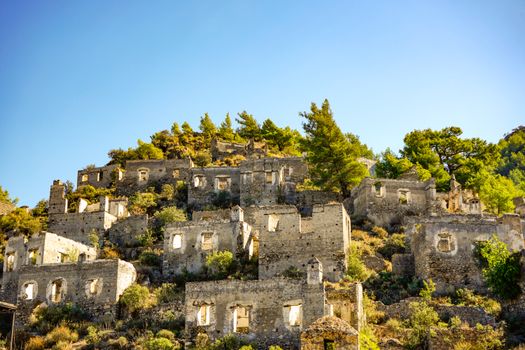
High in the hills above the bustling resort town of Fethiye, Turkey, lies Kayaköy, a poignant ghost village with a complex history. Once a thriving Greek village known as Levissi, its Christian inhabitants were forced to abandon their homes during the 1923 population exchange between Greece and Turkey. Their mosques and churches now stand silent, their homes roofless, their windows empty.
Walking through Kayaköy was a deeply moving experience for me. The stone houses, built into the hillside, are largely intact but without roofs, creating a maze of empty rooms under the open sky. The two large churches, stripped bare but with their frescoes still faintly visible, are particularly haunting. The silence is profound, broken only by the chirping of cicadas and the distant sound of goat bells. It's a place of quiet reflection on the human cost of political upheaval.
- Location: Near Fethiye, Turkey. Easily accessible by local dolmuş (minibus) or taxi from Fethiye.
- Price: Small entrance fee (around ₺10-₺20, or $1-2 USD).
- Best Time to Visit: Spring or Fall for comfortable hiking temperatures. Summers can be very hot.
- Insider Tip: Wear sturdy shoes as the paths can be uneven. There are a few small cafes and souvenir shops at the entrance, offering refreshments and a chance to reflect. Don't forget to visit the nearby Gemiler Island, believed to be St. Nicholas's original burial site, for another dose of ancient history.
Essential Tips for Ghost Town Explorers
Venturing into abandoned places requires respect, preparation, and a healthy dose of common sense. Here are my top tips to ensure a safe and enriching experience:
- Safety First, Always:
- Structural Integrity: Many buildings are unstable. Never enter crumbling structures unless explicitly permitted and deemed safe by authorities. Stick to designated paths.
- Wildlife: Be aware of snakes, spiders, and other critters that might have made these ruins their home.
- Weather: Ghost towns are often in remote, exposed locations. Check forecasts and be prepared for extreme heat, cold, or sudden storms.
- Remote Locations: Cell service can be spotty. Let someone know your itinerary.
- Leave No Trace:
- Look, Don't Touch (or Take): These are historical sites. Do not remove any artifacts, no matter how small. Leave everything exactly as you found it.
- Pack It In, Pack It Out: Carry out all your trash, including organic waste.
- Respect the Dead: Many ghost towns have cemeteries. Treat them with reverence.
- Research is Key:
- Access & Permits: Some ghost towns (like Hashima or Craco) require guided tours or permits. Others are on private land and require permission. Always check ahead.
- Hours & Seasons: Operating hours can vary, and some sites are seasonal.
- Historical Context: Read up on the town's history. Knowing the stories behind the ruins makes the visit infinitely more meaningful.
- Gear Up for Adventure:
- Sturdy Footwear: You'll be walking on uneven terrain, gravel, and potentially broken glass.
- Water & Snacks: Especially in desert or remote locations, always carry more water than you think you’ll need.
- First-Aid Kit: For minor cuts, scrapes, or blisters.
- Sun Protection: Hat, sunglasses, sunscreen are essential.
- Camera Gear: Extra batteries, memory cards.
- Power Bank: For your phone and other devices.
- Respect the Past: These aren't just ruins; they are the remnants of lives lived, dreams pursued, and often, tragedies endured. Approach with a sense of humility and reverence.
Capturing the Haunting Beauty: Photography & Social Media
Ghost towns are a photographer's paradise, offering unparalleled opportunities for unique and evocative shots. They're also incredibly shareable, making them perfect for your Tripsora feed!
- Golden Hour Magic: The soft, warm light of sunrise and sunset casts incredible shadows and highlights textures, bringing out the haunting beauty of the ruins.
- Focus on Details: Don't just shoot wide landscapes. Look for the forgotten details: a rusted hinge, a peeling wallpaper, a child's shoe, a broken window. These tell powerful micro-stories.
- Juxtaposition: Capture the contrast between human decay and nature's reclamation – a tree growing through a roof, wildflowers blooming in a broken wagon.
- Storytelling Captions: Your photos are only half the story. Share the history, your personal feelings, and interesting facts you learned.
- Hashtags & Geotagging: Use relevant hashtags like #GhostTowns #AbandonedPlaces #DarkTourism #TravelPhotography #[SpecificTownName] and always geotag your location to help others discover these gems.
- Be Respectful: While aiming for "Instagram-worthy" shots, remember the solemnity of many of these places. Avoid overly cheerful or disrespectful poses.
Your Next Unforgettable Adventure Awaits
Stepping into a ghost town is more than just sightseeing; it's an immersive journey into a forgotten past. It's a chance to hear the whispers of history, to witness the raw power of time, and to find beauty in decay. These places challenge our perceptions, ignite our imaginations, and offer a profound sense of connection to the human story.
From the sun-baked streets of Bodie to the solemn silence of Oradour-sur-Glane, each ghost town offers a unique narrative waiting to be discovered. They are raw, real, and utterly unforgettable. So, pack your bags, charge your camera, and prepare to step off the well-trodden path. Your mind-blowing adventure into the forgotten worlds awaits.
Which ghost town will you explore first? Have you visited one that blew your mind? Share your thoughts and experiences in the comments below, or better yet, tag us in your ghostly adventures on social media! #TripsoraGhostTowns #ForgottenWorlds #AdventureTravel
---