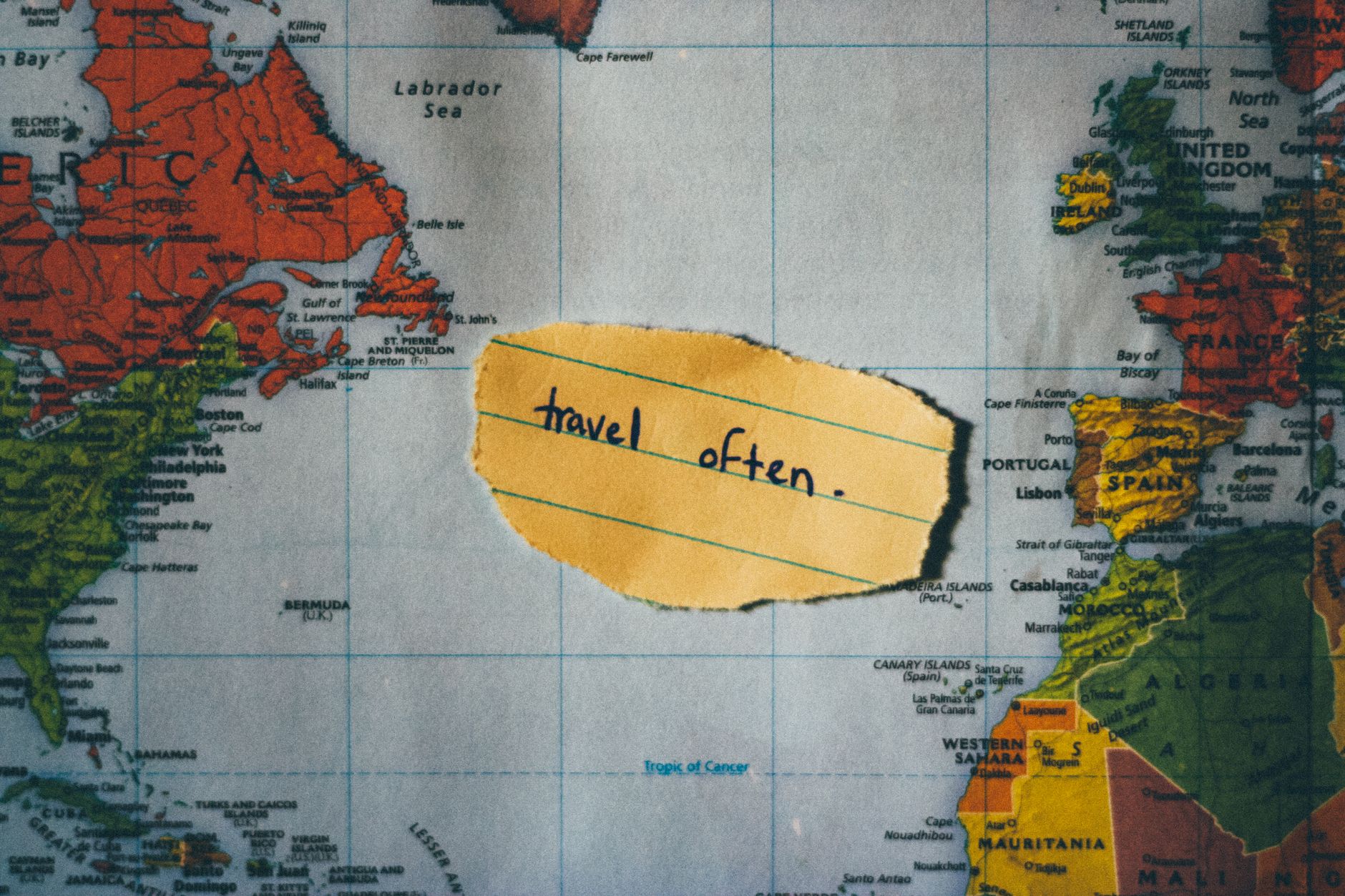
Beyond the Guidebook: Unlocking the World's Secret Educational Adventures
I’ll never forget the chill that ran down my spine, not from the desert wind, but from the sheer weight of history. I was in Jordan, not just seeing Petra, but walking its ancient trails with a local Bedouin guide, Abu Salem, who wasn’t just reciting facts from a textbook. He was telling stories passed down through generations, pointing out subtle carvings in the rock that hinted at forgotten rituals, and sharing the taste of sage tea brewed over an open fire, just as his ancestors had. It wasn’t a tour; it was an immersion. I learned more about Nabataean culture, desert ecology, and the resilience of the human spirit in those few days than any classroom could ever teach.
That trip sparked something in me. It wasn't just about ticking off a bucket list item; it was about truly understanding a place, its people, and its past. It was an educational trip, yes, but it felt like the grandest adventure of my life. And it made me wonder: what if all travel could be like this? What if we could learn, explore, and grow in ways that feel less like a lecture and more like an epic quest?
Welcome, fellow wanderers, to the world of educational trips that feel like adventures – the kind that haven't hit the mainstream yet, the kind that offer genuine connection, deep learning, and stories you’ll tell for a lifetime. Forget the crowded tourist traps and the superficial selfies. We're talking about experiences that challenge you, change you, and leave you with a profound sense of accomplishment and a brain buzzing with new knowledge. Ready to unlock some secret levels of the world? Let's dive in.
---
The "Why": Trading Postcards for Profound Experiences
In an age of hyper-connectivity and endless scrolling, true discovery often feels elusive. We see the same iconic landmarks plastered across social media, the same filtered experiences. But what if travel could be more? What if it could be a catalyst for personal growth, a way to contribute to something bigger than yourself, and a chance to truly understand the intricate tapestry of our planet and its cultures?
That’s the magic of these pre-mainstream educational adventures. They aren't about passive observation; they're about active participation. You become a student, a researcher, a volunteer, an apprentice – not just a tourist. This shift in mindset transforms your journey from a vacation into a quest. You're not just taking photos; you're making memories that are deeply ingrained with knowledge and purpose.
Imagine telling your friends you spent two weeks helping archaeologists unearth a Roman villa, or tracking elusive wildlife with conservationists, or learning ancient weaving techniques directly from an indigenous elder. These aren't just bragging rights; they're badges of honor, proof that you dared to go beyond the usual, to seek out experiences that nourish your mind and soul. This is travel with impact, both on you and on the world.
---
Digging Up the Past: The Archaeology of Adventure
There’s something incredibly humbling about holding a piece of pottery that hasn’t seen the light of day in a thousand years, knowing you’re the first person to touch it since an ancient artisan crafted it. This isn’t a scene from an Indiana Jones movie; it’s a reality for citizen scientists who join archaeological digs around the world.
My first taste of this was with Earthwatch Institute, a fantastic non-profit that connects everyday people with scientific research. I joined a team in Tuscany, Italy, helping excavate a medieval village. My days were spent carefully troweling soil, sifting for artifacts, and meticulously documenting findings under the guidance of professional archaeologists. It was physically demanding, often dusty, but every small discovery – a shard of glazed pottery, a rusted iron nail – felt like uncovering a secret message from the past. Evenings were spent gathered around a communal table, sharing stories and theories with fellow volunteers from all walks of life, united by a shared passion for history. The program fee, around $2,000-$4,000 for 1-2 weeks (excluding flights), felt like an investment in an experience money couldn't buy.
Where to go & what to do:
* Mayan Ruins in Belize/Guatemala: Programs often focus on mapping unexcavated sites or preserving known structures. Imagine trekking through dense jungle to a site few have ever seen. Organizations like the Maya Research Program offer field school opportunities.
* Roman/Greek Sites: Beyond Earthwatch, many universities offer summer field schools open to non-students. Search for programs in Sicily, Greece, or even the UK for Roman forts.
* Paleontological Digs: If dinosaurs are more your speed, various organizations in the American West (Montana, Wyoming) or the Gobi Desert (Mongolia) offer chances to hunt for fossils.
Practical Tips for Aspiring Archaeologists:
* Research Reputable Programs: Look for affiliations with universities, museums, or established research organizations.
* Be Prepared for Roughing It: Accommodations can be basic (tents, shared dorms), and the work is hands-on.
* Physical Fitness: You'll be walking, digging, and carrying equipment.
* Patience is a Virtue: Archaeology is meticulous work; discoveries aren't always immediate or dramatic.
---
Nature's Classroom: Conservation & Wildlife Immersion
Imagine waking up to the sounds of the jungle, grabbing your binoculars, and heading out with a team of scientists to track elusive wildlife, or spending your nights patrolling a deserted beach to protect nesting sea turtles. This is experiential learning at its most raw and vital.
My most profound nature immersion was volunteering at a sea turtle conservation project in Tortuguero, Costa Rica. For two weeks, I joined local guides and biologists, walking the black sand beaches under the moonlight, searching for nesting mothers, and carefully relocating their precious eggs to protected hatcheries. One night, I witnessed a massive green sea turtle lay hundreds of eggs, a primal, awe-inspiring event. Then, a few days later, I helped release a wave of tiny hatchlings into the vast ocean – a moment so pure and hopeful, it brought tears to my eyes. The program fee was approximately $1,500 for two weeks (including food and lodging, but not flights), and every penny felt well spent on directly contributing to conservation.
Where to go & what to do:
* Sea Turtle Conservation: Beyond Costa Rica, consider programs in Greece (Zakynthos), Mexico (Yucatan Peninsula), or Borneo. Organizations like SEE Turtles can point you to ethical projects.
* Orangutan Rescue & Rehabilitation: Borneo (Malaysia and Indonesia) offers incredible opportunities to support these critically endangered primates. Look into organizations like the Orangutan Foundation International or Bornean Orangutan Survival Foundation.
* Marine Biology Research: Join citizen science diving expeditions to monitor coral health in places like Raja Ampat, Indonesia, or help track whale sharks in the Philippines. Companies like Reef Check offer training and expeditions.
* Wildlife Tracking in Africa: Some safari operators offer "conservation safaris" where you participate in anti-poaching efforts, wildlife counts, or habitat restoration in Botswana, South Africa, or Kenya.
Practical Tips for Eco-Adventurers:
* Ethical Considerations: Always research the organization thoroughly to ensure they prioritize animal welfare and local community benefit. Avoid projects that allow direct interaction with wild animals unless it's for medical care/rehabilitation by trained professionals.
* Physical Demands: Many projects involve long hours, walking in challenging terrain, or working in various weather conditions.
* Patience & Respect: Wildlife observation requires quiet patience and respect for natural habitats.
* Pack Smart: Quick-drying clothes, sturdy shoes, insect repellent, and a good headlamp are essential.
---
Cultural Deep Dives: Living History & Local Traditions
Learning isn't just about facts and figures; it's about understanding different ways of life. These immersive cultural experiences go far beyond museum visits, putting you directly into the heart of local communities and ancient traditions.
My most profound cultural immersion took me to a remote Andean village in Peru. Through a community-based tourism initiative, I spent a week living with a Quechua-speaking family. We shared simple meals, tended to their crops, and I learned basic weaving techniques using alpaca wool, guided by the women of the family. There was no running water, no internet, but there was an abundance of warmth, laughter, and a profound connection to the land. I learned about their cosmology, their respect for Pachamama (Mother Earth), and the intricate social fabric of their community. The cost was minimal, typically $30-50 per day for lodging, food, and activities, directly benefiting the family and community.
Where to go & what to do:
* Artisan Workshops in Oaxaca, Mexico: Immerse yourself in the vibrant craft scene. Learn traditional pottery, weaving, or natural dyeing techniques from master artisans. Many workshops offer multi-day courses.
* Language & Homestay Programs: Imagine learning Spanish in a small town in Guatemala or Japanese in a Kyoto suburb, living with a local family. This accelerates language acquisition and provides unparalleled cultural insight.
* Indigenous Community Stays: With careful research and respect, engage with indigenous communities in places like New Zealand (Maori cultural experiences), Australia (Aboriginal cultural tours), or the Amazon rainforest. Always ensure these are community-led and benefit the locals directly.
* Traditional Cooking Classes: Go beyond a single class; seek out multi-day immersive culinary experiences in places like Thailand, Vietnam, or Italy, where you learn not just recipes, but the history, ingredients, and cultural significance of the cuisine.
Practical Tips for Cultural Explorers:
* Respect is Paramount: Always research local customs, dress codes, and etiquette. Ask permission before taking photos.
* Learn Basic Phrases: Even a few words in the local language can open doors and show respect.
* Be Open-Minded: Embrace differences, challenges, and unexpected moments.
* Support Local: Choose community-based tourism initiatives that directly benefit the people you're interacting with. Avoid exploitative tourism.
---
Science on the Edge: Astronomy, Geology & Marine Biology
For those whose curiosity is piqued by the natural sciences, there are adventures that take you to the very frontiers of human understanding, observing phenomena that are truly out of this world.
My most mind-bending scientific adventure took me to the Atacama Desert in Chile, one of the driest places on Earth and, consequently, one of the best for stargazing. I joined a specialized astronomy tour that wasn't just about looking through telescopes, but about understanding the cosmos. We spent nights in remote locations with professional astronomers who taught us about nebulae, galaxies, and the theories of the universe. Imagine the Milky Way stretching across the inky black sky like a painted masterpiece, so vivid you feel like you could reach out and touch it. The tour, including transportation and expert guides, cost around $500 for three nights, excluding accommodation in San Pedro de Atacama.
Where to go & what to do:
* Volcanic Exploration in Iceland or Hawaii: Join geological tours that take you to active volcanic sites, where you learn about plate tectonics, lava formations, and geothermal energy. In Iceland, you can hike across lava fields or explore ice caves formed by volcanic activity. In Hawaii (Big Island), you can witness lava flows (when active) and learn about the island's unique geology.
* Dark Sky Reserves: Beyond Atacama, seek out certified Dark Sky Parks and Reserves in places like New Zealand (Aoraki Mackenzie), Namibia (NamibRand Nature Reserve), or the US (various national parks) for unparalleled stargazing and astrophotography workshops.
* Coral Reef Monitoring in the Philippines/Indonesia: Dive or snorkel with marine biologists to help identify fish species, assess coral health, and contribute to vital research on fragile ecosystems. Look for programs in Palawan, Philippines or Komodo National Park, Indonesia.
* Glacier Studies in Patagonia: Join expeditions that focus on glaciology, learning about climate change and its impact on these majestic ice formations in Argentina or Chile.
Practical Tips for Science Seekers:
* Specialized Tours: These often require expert guides and specific equipment, so look for dedicated science-focused tour operators.
* Safety First: Especially with geology or marine biology, ensure your guides are certified and adhere to strict safety protocols.
* Dress Appropriately: From extreme cold (glaciers) to intense sun (deserts), be prepared for varied and sometimes harsh conditions.
* Bring Good Optics: Binoculars for wildlife/astronomy, a high-quality camera for documentation.
---
Planning Your Pre-Mainstream Odyssey: Practical Tips for the Aspiring Adventurer
These aren't your typical package holidays. Planning an educational adventure requires a bit more research and preparation, but the rewards are exponentially greater. Here’s how to make your unique journey a reality:
- Define Your Passion: What truly excites you? History, wildlife, culture, science? Narrowing down your interest will help you focus your search.
- Research Reputable Organizations:
- Citizen Science: Earthwatch Institute, National Geographic Expeditions, university field schools.
- Conservation: WWF, local NGOs (research reviews and ethical practices carefully), specific animal protection groups.
- Cultural Immersion: Community-based tourism initiatives, language schools with homestay options, reputable cultural exchange programs.
- Specialized Tours: Look for companies that focus on niche interests (e.g., astronomy tours, geology expeditions, archaeological travel agencies).
- Budgeting & Funding:
- Program Fees: Many educational trips, especially those with expert guidance or conservation components, involve program fees. These often cover accommodation, food, in-country transport, and expert instruction.
- Flights & Insurance: Don't forget international flights and comprehensive travel insurance (including any specific activity coverage).
- Scholarships/Grants: Some organizations offer partial scholarships or grants, especially for students or those demonstrating financial need. It's always worth asking!
- Fundraising: Consider crowdfunding or personal fundraising if it's a significant voluntourism project.
- Preparation is Key:
- Physical Fitness: Assess the demands of your chosen trip. Some require moderate to high fitness levels. Start training beforehand!
- Vaccinations & Health: Consult your doctor about required vaccinations and any specific health precautions for your destination.
- Gear Up: Pack appropriate clothing (layers, quick-drying), sturdy footwear, insect repellent, sun protection, a good daypack, and any specialized equipment recommended by your program.
- Learn the Basics: Familiarize yourself with basic phrases in the local language and key cultural norms.
- Responsible Travel Practices:
- Leave No Trace: Minimize your environmental impact. Pack out what you pack in.
- Respect Local Culture: Be mindful of local customs, traditions, and beliefs. Dress modestly if required.
- Support Local Economies: Buy from local businesses, eat at local restaurants, and choose locally-owned accommodations.
- Ask Questions: Be curious, but always be respectful.
---
The Adventure Awaits: Your Next Chapter of Discovery
These aren't just trips; they are investments in yourself, in your understanding of the world, and in the future of our planet. They are the kind of adventures that broaden your horizons, challenge your assumptions, and leave you with a profound sense of purpose. You'll return home not just with souvenirs, but with stories that resonate, skills that empower, and a perspective that has been truly transformed.
So, are you ready to step off the well-trodden path? Are you ready to trade the familiar for the profound, the superficial for the significant? The world is brimming with incredible educational adventures just waiting to be discovered – before they become mainstream. Don't just travel; learn, grow, and become a part of something bigger. Your next great adventure, one that truly feels like an unlocking of secrets, is calling.
What educational adventure are you dreaming of? Share your ideas in the comments below! And don't forget to sign up for the Tripsora newsletter for more unique travel inspiration and exclusive deals!
---