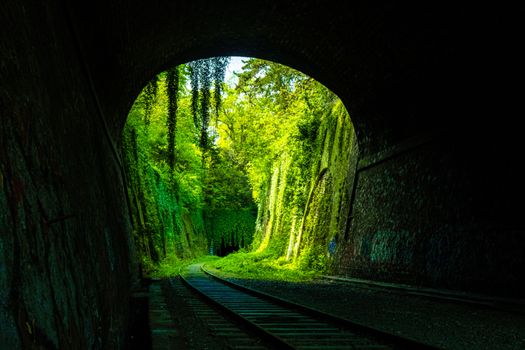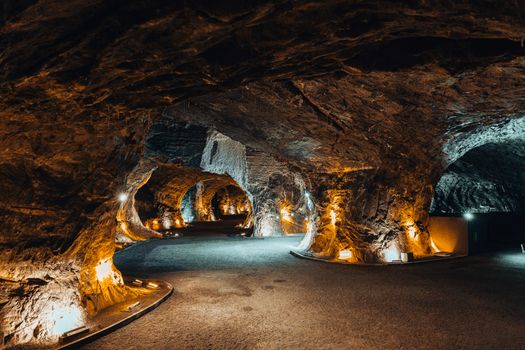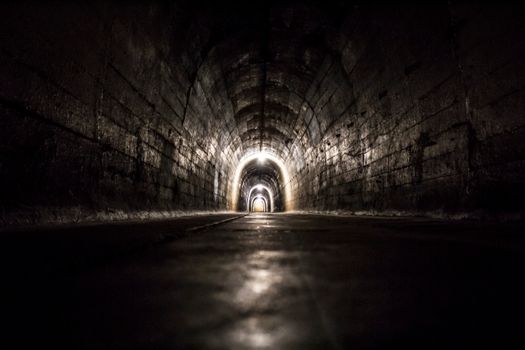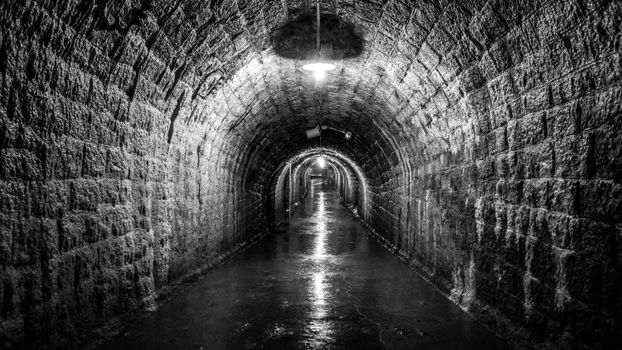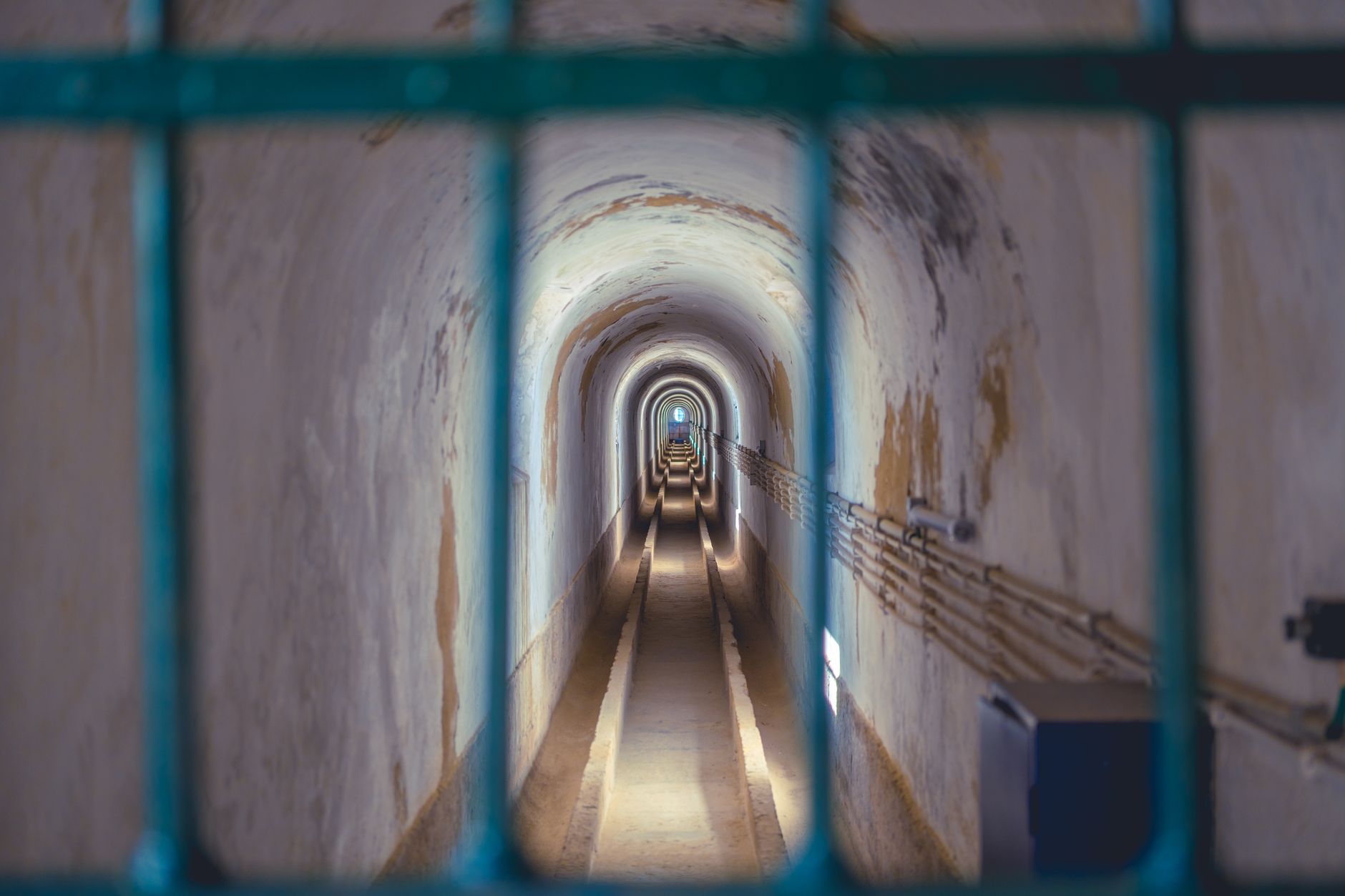
Many historic cities have underground spaces that once served practical purposes. Some were built as water channels, storage cellars, defensive passages or burial places. Others were created during later construction, or they were left behind when streets were raised or rebuilt. Several of these sites are now open to visitors on guided tours, offering a view of urban history that is hidden from street level. This guide describes the main kinds of underground site, how visits usually work and how to prepare for a safe and respectful experience.
Types of underground site
Underground heritage takes several forms. Catacombs are burial networks, some of which hold the remains of many people and are visited under strict rules. Vaults and cellars were often used for storage, trade or drinking establishments, and some have been restored as exhibition spaces. Water systems, including aqueducts, cisterns and drainage channels, can be large and technically interesting. Defensive tunnels, mines and quarries also attract visitors, sometimes with an emphasis on engineering or wartime history.
Some sites are natural caves adapted for human use. In other places, cities built over earlier streets, and the lower levels were later sealed or filled in. Archaeologists and conservators often work to preserve these spaces, which can be fragile.
Examples of places visitors can explore
Several well-known examples illustrate the range. In Paris, the catacombs hold the remains of many people moved from overcrowded cemeteries in the 18th and 19th centuries, and visits are arranged through formal ticketing with time slots. In Rome, some early Christian catacombs can be visited with guided groups, and access may be limited to protect the site. Derinkuyu in Turkey is a multi-level underground city, once used as a refuge, which is open to visitors with a route that involves narrow passages and steps. In Edinburgh, guided tours of historic vaults beneath the old town explore spaces once sealed from the street. Seattle's Pioneer Square area has underground passages from the period after a major fire, which are presented on guided walks.
Opening arrangements and access rules change, so check current information with each site or its official tourist office before planning a visit.
How tours usually work
Most underground sites require a guided tour, often with a fixed group size and a set start time. Tours may last from under an hour to around two hours, and they often include stairs, uneven floors, low ceilings and areas with limited lighting. Guides typically explain the history and the function of each space, and some tours include storytelling or demonstrations. Photography may be restricted in burial areas or fragile spaces, so follow the guide's instructions.
Book in advance when possible, particularly for popular sites and weekends. Some venues sell out, and timed-entry systems can mean that late arrivals lose their place.
Safety and accessibility
Underground spaces can be cold, damp and poorly lit, and they may have limited ventilation. Wear sensible footwear with good grip, and bring a light layer even in warm weather. Check the physical requirements before you book, including the number of steps and the width of passages. Many sites are not suitable for people with mobility difficulties, claustrophobia or certain medical conditions. Operators usually provide this information, and it is worth reading it carefully.
Keep close to your group, follow the guide's route and avoid touching walls, ceilings or displays unless invited to. Hard hats or helmets are sometimes provided in older mines and tunnels.
Respectful visiting
Burial sites and religious spaces require particular care. Behave quietly, dress appropriately and avoid disturbing remains or artefacts. Do not climb on structures or remove any material from the site. Many places ask visitors to refrain from flash photography, which can damage fragile surfaces and disturb other visitors. Treat the site as a place of memory as well as a tourist attraction.
Planning your visit
Combine underground tours with above-ground exploration of the same neighbourhood, since the surface history often explains why the spaces below were built. Allow time for ticket queues and security checks, and plan a break afterwards if the tour is intense. If you are visiting with children, check whether the tour is suitable for their age, as some passages and subject matter may be challenging.
Practical tips
- Check current opening hours, tour times and access rules directly with the site before you travel.
- Book in advance, especially for timed entry or small group tours.
- Wear sturdy shoes and a light layer, since underground spaces are often cool and damp.
- Read physical requirements carefully, including steps, low ceilings and confined spaces.
- Stay with your guide, follow the route and avoid touching fragile surfaces.
- Be respectful in burial and religious areas, and follow photography rules.
Underground tunnels, crypts and vaults offer a different way to understand a city, revealing the layers of history that shaped its streets and buildings. The best visits are well-planned, guided and conducted with respect for the people and places involved. Confirm current arrangements, prepare for physical conditions and let the guide's knowledge bring the spaces to life.