Unearthing the Unknown: My Obsession with the World Beneath Our Feet
The first time I felt the cool, damp air of an ancient underground city press against my skin, a shiver ran down my spine – not of fear, but of pure, unadulterated excitement. It was in a forgotten corner of Turkey, far from the bustling bazaars and iconic minarets, where a local guide, with a twinkle in his eye, led me down a narrow, unassuming tunnel. He’d whispered, "Çok az turist burayı biliyor," meaning "Very few tourists know this place." And in that moment, I was hooked.
There’s something undeniably magnetic about the world beneath the surface. It’s a realm of secrets, of survival, of stories etched into stone and earth, shielded from the sun and the casual gaze of the everyday. While most travelers flock to towering cathedrals and sprawling museums, a select few, like us, crave the thrill of discovery – the places that feel like a whisper passed between friends, not a shouted advertisement.
On Tripsora, we’re all about uncovering those extraordinary experiences, and today, I’m pulling back the curtain on some of the most breathtaking, historically rich, and frankly, mind-blowing underground cities you can actually visit. These aren’t just dusty tunnels; they are engineering marvels, refuges, spiritual havens, and even modern homes. And yes, many of them are places the locals would probably prefer to keep under wraps, preserving their unique charm for those who truly seek them out.
So, pack your sense of adventure (and maybe a headlamp!), because we’re about to descend into worlds you never knew existed.
1. Cappadocia's Labyrinthine Secrets: Derinkuyu & Kaymakli (Turkey)
Imagine an entire civilization, spanning thousands of years, living, working, and worshipping underground. That’s the staggering reality of Cappadocia, Turkey, home to over 200 interconnected underground cities, with Derinkuyu and Kaymakli being the largest and most famous. But even within their fame, there's a trick to experiencing them like an insider.
My first visit to Derinkuyu felt like stepping into a sci-fi movie, only it was all real, all ancient. I remember squeezing through a narrow passage, feeling the cool air, and then emerging into a vast chamber, easily 60 feet high, with ventilation shafts reaching all the way to the surface. It was here that entire communities, sometimes tens of thousands strong, hid from invaders for months at a time. They had stables, kitchens, wineries, churches, schools – everything needed for survival, all carved from the soft volcanic rock.
Why locals want to keep it quiet:
While Derinkuyu is well-known, the sheer scale can be overwhelming for mass tourism. Locals know the quieter times and the smaller, less-frequented sections or even entirely different, unadvertised cave systems (though these are often not safely accessible to tourists). They cherish the quiet reverence these places command.
Getting the Insider Experience:
* Go Early or Late: Beat the tour buses. Arrive right when they open (around 8 AM) or an hour before closing (around 5 PM). You'll have entire sections to yourself.
* Hire a Local Guide: Skip the big group tours. Find a local, independent guide in Göreme or Ürgüp who can share personal stories and historical nuances that a standard audio guide simply can’t. They might even point out smaller, less-visited sections if conditions allow.
* Wear Layers & Good Shoes: The temperature underground is consistently cool, even in summer. The paths can be uneven and occasionally slippery.
* Mind Your Head (and Claustrophobia): Some passages are very narrow and low. If you're claustrophobic, Derinkuyu can be challenging, but Kaymakli is generally considered less constricting.
* Cost: Entrance fees for Derinkuyu/Kaymakli are typically around 60-70 Turkish Lira (approx. $2-3 USD). A private guide for a half-day tour might cost around $50-100, but it’s invaluable.
Instagram Moment:
The sheer scale of the main ventilation shaft, or the ancient stone doors used to block off passages. Use a wide-angle lens!
2. The Eerie Echoes of History: Edinburgh Vaults (Scotland)
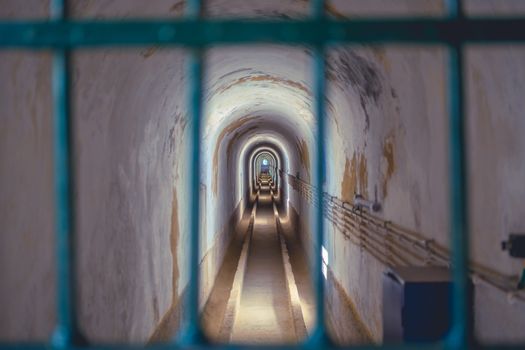
From ancient refuge to chilling urban legend, we leap to Edinburgh, Scotland. Beneath the bustling streets of the Old Town, a network of 19th-century chambers known as the Edinburgh Vaults tells a much darker, more recent story. Built into the arches of the South Bridge, these vaults were originally designed as storage spaces and workshops. But as conditions deteriorated, they became home to the city’s poorest, a haven for criminals, and, according to local lore, a hotspot for paranormal activity.
My first time descending into the vaults, the air grew heavy, thick with history and a palpable sense of unease. Our guide, a charismatic storyteller with a penchant for the macabre, painted vivid pictures of the lives lived and lost within those damp stone walls. I remember standing in a pitch-black chamber, listening to tales of body snatchers, illicit distilleries, and spectral sightings. My hairs stood on end, and I swear I heard a whisper.
Why locals want to keep it quiet:
Locals know the genuine, unvarnished history and the specific, often less-touristy, parts of the vaults that hold the most authentic stories. They understand the difference between a theatrical ghost tour and a deeply historical, sometimes disturbing, exploration.
Getting the Insider Experience:
* Choose Your Tour Wisely: There are many ghost tours, but for a true historical dive, look for tours that focus on the social history and archaeological findings, rather than just jump-scares. Mercat Tours and City of the Dead Tours are reputable, but inquire about their specific "vaults history" tours.
* Night Tours are Best: While you can visit during the day, the atmosphere at night, especially with a smaller group, is infinitely more immersive and eerie.
* Dress Warmly: It's perpetually cold and damp down there, even in summer.
* Cost: Tours typically range from £15-£25 (approx. $20-35 USD) depending on the duration and focus. Book in advance, especially for popular evening slots.
Instagram Moment:
The dimly lit, arched passages with cobblestone floors. A moody, atmospheric shot will capture the essence.
3. Beneath the City of Lights: The Paris Catacombs (France)
Paris. The city of romance, art, and... six million skeletons. The Paris Catacombs are perhaps the most famous underground attraction on this list, but don't let their popularity fool you. There's a way to experience this macabre masterpiece that goes beyond the typical tourist shuffle and feels like a genuine, contemplative journey.
My journey into the Catacombs was a stark reminder of humanity's impermanence. After a long descent down a spiral staircase, you enter a world meticulously arranged with the bones of Parisians moved here from overcrowded cemeteries in the late 18th century. Femurs are stacked neatly, skulls peer from behind rows, creating intricate patterns. It's not just morbid; it's profoundly moving and strangely beautiful in its scale. The sheer volume of human remains is overwhelming, a silent testament to generations long past.
Why locals want to keep it quiet:
While the main Catacombs are a public museum, Parisians know the network extends far beyond the official route – a vast, illegal, and extremely dangerous labyrinth known to "cataphiles" (urban explorers). This forbidden aspect adds to the mystique and reinforces the idea that there's always more to discover beneath the surface. For the official route, locals avoid the crowds and appreciate the history, not just the photo op.
Getting the Insider Experience:
* Pre-Book Skip-the-Line Tickets: This is non-negotiable. The queue for the Catacombs can be hours long. Booking online weeks in advance for a specific time slot is the only way to retain your sanity and make it feel like a personal visit, not a cattle call.
* Go First Thing in the Morning: The very first slot of the day allows for a quieter, more reflective experience before the masses descend.
* Respect the Site: This is a final resting place. While photos are allowed, move respectfully, avoid loud conversations, and truly engage with the history.
* Cost: Standard entry is around €15-€20 (approx. $16-22 USD). Skip-the-line options can be slightly more but are worth every penny.
Instagram Moment:
A close-up of the skull and femur arrangements, or a long shot down one of the bone-lined corridors, capturing the eerie symmetry.
4. Poland's Salt Cathedral: Wieliczka Salt Mine (Poland)
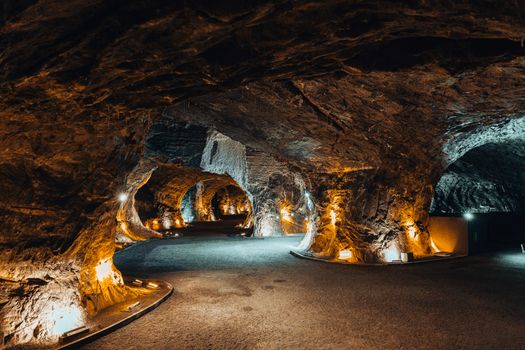
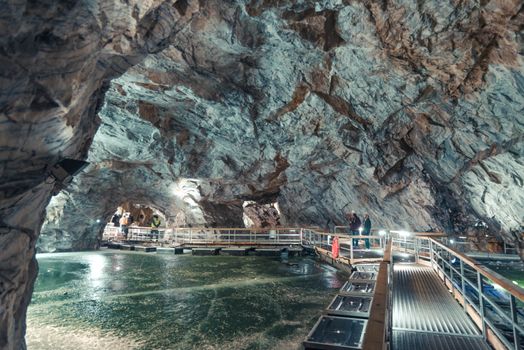
From bones to salt, our subterranean journey takes us to Wieliczka, near Krakow, Poland. This UNESCO World Heritage site is no mere mine; it's an entire underground city carved from salt, complete with chapels, lakes, and even chandeliers made of salt crystals. It’s a testament to centuries of human ingenuity and devotion.
Stepping into the Wieliczka Salt Mine was like entering a fantastical realm. The air was crisp, and the walls shimmered with the subtle glow of salt. I remember standing in the magnificent St. Kinga's Chapel, an entire church carved from salt, from the altar to the chandeliers, even the intricate Last Supper relief. It was breathtaking, a true masterpiece of human endeavor, miles beneath the earth. The sheer scale and artistry are almost impossible to comprehend until you witness it firsthand.
Why locals want to keep it quiet:
While a major attraction, locals know the quieter times and appreciate the mine's role in Polish history and culture, beyond just its tourist appeal. They might attend concerts held underground or special exhibitions, experiencing it in a more intimate way.
Getting the Insider Experience:
* Choose the Miner's Route (if available): Beyond the standard Tourist Route, some specialized tours (like the Miner's Route) offer a more hands-on, adventurous experience, allowing you to explore less-visited parts of the mine, don a miner's uniform, and even use mining tools. Check availability and book well in advance.
* Guided Tours are Mandatory: You cannot explore the mine independently. Tours are offered in multiple languages; choose one that fits your preference.
* Comfortable Shoes & Layers: The walk is extensive, and the temperature is constant (around 14°C / 57°F).
* Cost: Standard Tourist Route tickets are around 90-110 PLN (approx. $22-27 USD). Specialized routes may cost more.
Instagram Moment:
The grandeur of St. Kinga's Chapel, especially the salt chandeliers. Or a shot of the underground lake reflecting the salt walls.
5. France's Hidden Refuge: Naours Caves (France)
Now for a true "locals don't want tourists to know" gem. Tucked away in the gentle hills of Picardy, France, lie the Naours Caves, or "Cité Souterraine de Naours." This isn't just a cave system; it's an enormous, meticulously planned underground city that served as a refuge for villagers fleeing invasions and wars for centuries, from the Middle Ages right up to WWII.
My visit to Naours was a revelation. Unlike the more famous sites, this place felt genuinely undiscovered. As I wandered through the labyrinthine passages, I saw evidence of a complete underground life: wells, bakeries, stables, chapels, even a butcher shop. It wasn't just a hiding place; it was a functioning village designed for long-term survival. The silence down there was profound, broken only by the drip of water and the echoes of my own footsteps, making the history feel incredibly present.
Why locals want to keep it quiet:
Naours is less commercialized than other sites, offering a more authentic, less crowded experience. It's a cherished local historical secret, often visited by French families but largely overlooked by international tourists.
Getting the Insider Experience:
* Check Opening Hours: Being a smaller attraction, opening hours can be seasonal or limited. Always check their official website before planning your visit.
* Guided Tours are Best: While you can do a self-guided tour, the guided tours (often in French, but English audio guides might be available) provide invaluable context and stories.
* Combine with Local Exploration: Since it's less crowded, you can spend more time exploring the charming village of Naours and the surrounding countryside.
* Cost: Entrance fees are typically around €10-€12 (approx. $11-13 USD).
Instagram Moment:
The entrance to the underground city, appearing almost like a natural cave, or the ancient carvings and signs within the passages.
6. Living Below the Surface: Coober Pedy (Australia)
For a truly unique, modern take on underground living, head to the Australian Outback to Coober Pedy. This isn't an ancient city, but a thriving opal mining town where, due to the scorching surface temperatures (often exceeding 50°C / 122°F), a majority of residents live in 'dugouts' – homes, shops, churches, and even hotels carved into the sandstone hills.
Arriving in Coober Pedy was surreal. The landscape was lunar, dotted with mining shafts and mounds of earth. But once I stepped into my underground hotel room, the difference was immediate. The air was cool, quiet, and strangely comforting. I explored underground shops, a Serbian Orthodox church carved with intricate details, and even an underground art gallery. It’s a testament to human adaptability, creating a comfortable life in one of the planet's harshest environments.
Why locals want to keep it quiet:
Coober Pedy is a tight-knit community, and while they welcome respectful visitors, they value their unique way of life and the quiet resilience it embodies. They appreciate visitors who genuinely want to understand their world, not just snap a photo.
Getting the Insider Experience:
* Stay in a Dugout: To truly appreciate Coober Pedy, book accommodation in an underground hotel or guesthouse. It’s an unforgettable experience.
* Visit a Working Mine: Take a tour of an active opal mine to understand the arduous work that defines the town. Some tours even let you try 'noodling' for opals yourself!
* Interact with Locals: Visit the local pubs, talk to the miners, and learn about their lives. They have incredible stories.
* Respect the Environment: The Outback is fragile. Stay on marked paths and respect private property.
* Cost: Mine tours vary from $20-50 AUD (approx. $13-33 USD). Dugout accommodation prices are comparable to surface hotels.
Instagram Moment:
The unique entrances to dugouts, the underground churches, or the stark, beautiful landscape of the opal fields at sunset.
Descend, Discover, and Share Your Own Secrets
There’s a profound magic in exploring the world beneath our feet. These underground cities offer a unique lens through which to view history, human resilience, and sheer ingenuity. They are a testament to adaptation, a silent archive of civilizations, and a thrilling adventure for any traveler seeking something truly out of the ordinary.
So, the next time you're planning a trip, dare to look beyond the obvious. Seek out the hidden entrances, the whispered histories, and the cool, quiet depths that hold secrets waiting to be unearthed. These are the places that transform a vacation into an expedition, a trip into a genuine discovery.
Which underground world will you uncover first? Have you already explored one of these hidden gems, or perhaps another secret subterranean wonder? Share your subterranean adventures with us using #TripsoraUnderground and inspire fellow explorers to dig a little deeper! The greatest discoveries often lie where the sun doesn't shine.
---