My heart plummeted faster than a free-falling skydiver over Queenstown, New Zealand. Not because I was plunging towards the earth (that was a planned, exhilarating experience!), but because of a frantic phone call I received mid-trip. My grandmother, back home, had been rushed to the hospital with a sudden, serious illness. My dream trip through New Zealand, a meticulously planned three-week adventure, was suddenly overshadowed by a desperate need to get home, immediately.
I stared at the pristine fjords of Milford Sound, my mind racing. A last-minute flight from the bottom of the world back to the East Coast of the USA? That was easily a $2,000+ ticket, on top of the non-refundable accommodations and tours I’d already paid for. Panic started to set in.
This wasn't my first rodeo. I used to think travel insurance was just a necessary evil, a line item on my budget that felt like throwing money into the wind. But years of navigating cancelled flights, lost luggage, and unexpected medical emergencies (like that time I got an ear infection so bad in Thailand I thought my head would explode) had taught me a valuable lesson: travel insurance isn't just about protection; it's about smart strategy. It’s about leveraging the system, understanding the fine print, and yes, even exploiting a few "loopholes" to save thousands when things go sideways.
That day in New Zealand, scrambling to find a flight, I remembered my comprehensive travel insurance policy. A quick call to the emergency line confirmed it: my “trip interruption” coverage would handle the last-minute flight home and reimburse me for the unused portions of my trip. What could have been a financial catastrophe was mitigated, allowing me to focus on what truly mattered: my family.
That experience, and countless others, solidified my belief: you need to understand travel insurance, not just buy it. These aren't "cheats" or unethical tricks. These are legitimate, underutilized features and clever ways to maximize the benefits you're already entitled to (or should be!). So, buckle up, fellow adventurers. I’m about to spill the beans on the travel insurance loopholes that have saved me thousands, and how you can experience them before your next big trip.
1. The Credit Card Cavalry: Your First Line of Defense (Often Overlooked!)
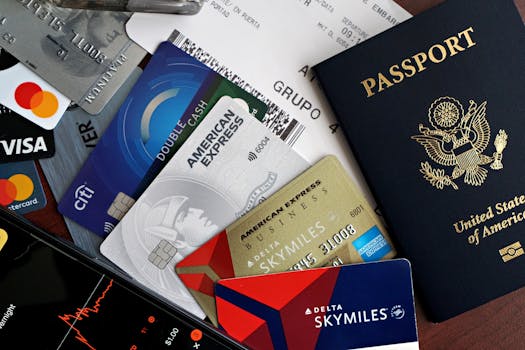
Let's be honest, how many of us actually read the full benefits guide for our premium credit cards? Most people sign up for the points, the lounge access, or the sign-up bonus. But tucked away in that dense PDF are often some of the most powerful and free travel insurance benefits you can get. This is your first "loophole" – leveraging what you already have.
My Story:
A few years ago, I was flying from London Heathrow to Rome for a quick weekend getaway. As I landed, the dreaded message flashed on the baggage carousel: "Bag not arrived." My heart sank. All my carefully packed outfits for Italian evenings, my camera gear – gone, at least temporarily. I reported it, got my claim number, and then remembered my Chase Sapphire Reserve card. A quick call to their benefits line confirmed it: my card offered baggage delay insurance! After a 6-hour delay, they covered up to $100 per day for essential items (toiletries, new clothes) for up to 5 days. I bought a fresh outfit, a toothbrush, and a new book – all reimbursed, no questions asked. My bag arrived 24 hours later, but I was already covered and comfortable.
What to Look For:
* Trip Delay/Cancellation Insurance: If your flight is delayed by 3-6 hours (depending on the card), or cancelled entirely, your card might cover meals, lodging, and essential items.
* Rental Car Insurance (Primary vs. Secondary): Many cards offer collision damage waiver. Crucially, some are primary (meaning they pay first, without involving your personal car insurance), while others are secondary (they kick in after your personal insurance). Know the difference!
* Lost/Delayed Baggage Insurance: Covers essential purchases if your bags are delayed, or reimburses you if they're lost permanently.
* Emergency Medical Evacuation: Some premium cards offer this for truly dire situations.
* Travel Accident Insurance: Coverage for severe injury or death during travel.
Actionable Advice:
1. Check Your Card: Don't assume. Call the benefits number on the back of your premium credit card (e.g., Chase Sapphire Reserve, Amex Platinum, Capital One Venture X). Ask for a detailed list of their travel insurance benefits.
2. Pay with the Card: To activate these benefits, you must pay for your trip (or at least a significant portion, like flights and accommodation) with that specific card.
3. Understand Limitations: Credit card benefits often have lower coverage limits than dedicated travel insurance policies, and they might not cover pre-existing conditions or extensive medical care abroad. They're a fantastic first layer, but often not enough for complex or high-stakes trips.
2. Annual vs. Single-Trip: The Volume Discount You're Missing
Are you a frequent flyer? Do you take more than two trips a year, even short ones? Then you might be hemorrhaging money on single-trip policies when an annual plan could save you hundreds. This is a classic "volume discount" loophole.
My Story:
For a few years, I was living the digital nomad dream, hopping between countries in Southeast Asia and Europe. One year, I did a three-week backpacking trip through Vietnam, followed by a month exploring the Greek islands, and then a spontaneous week-long ski trip in the Alps. If I had bought three separate single-trip policies, I would have spent close to $500-$600. Instead, I invested in an annual "multi-trip" policy for around $350. It covered me for all my adventures, up to a certain duration per trip (usually 30-45 days per trip, up to 365 days total). The savings were undeniable, and the peace of mind of being continuously covered was priceless.
When an Annual Policy Makes Sense:
* You take 3 or more international trips a year.
* You take frequent domestic trips that might benefit from cancellation or baggage coverage.
* You want continuous peace of mind without having to re-shop for insurance every time.
What to Look For:
* Trip Duration Limits: Most annual policies have a maximum duration per individual trip (e.g., 30, 45, 60 days). Ensure this fits your travel style.
* Coverage Levels: Check the medical, cancellation, and baggage limits to ensure they're adequate for your destinations and activities.
* Destination Inclusions: Make sure it covers all the regions you plan to visit.
Actionable Advice:
1. Track Your Trips: Look back at your travel history for the last 12-24 months. How many trips did you take?
2. Get Quotes: Get quotes for both single-trip policies for your upcoming travel and an annual multi-trip policy. Compare the total cost.
3. Consider Your Future: If you're planning more travel, an annual policy locks in your rate and convenience.
3. Understanding "Pre-Existing Conditions": The Fine Print That Matters
This isn't a loophole to avoid declaring, but a crucial "loophole" in understanding how to declare and how to ensure you're covered. Many travelers assume their pre-existing conditions will never be covered, or they try to hide them, which is a massive mistake and can invalidate your entire policy. The key is understanding the "look-back period" and "pre-existing condition waivers."
My Story:
My father has a controlled heart condition. For years, he avoided international travel, fearing he wouldn't be covered if something happened abroad. When he finally wanted to go on a river cruise through Europe, we meticulously researched policies. We found that by purchasing a comprehensive policy within a specific timeframe (often 10-21 days) of his initial trip deposit, and honestly declaring his condition, he qualified for a pre-existing condition waiver. This waiver meant that if his heart condition flared up during the trip, he would be covered. He declared everything, got the waiver, and had a wonderful, worry-free trip.
Key Concepts:
* Look-Back Period: This is the timeframe (e.g., 60-180 days) immediately preceding your insurance purchase. Insurers will review your medical history during this period for any conditions that were treated, diagnosed, or for which medication was changed.
* Pre-Existing Condition Waiver: Many comprehensive policies offer this. If you purchase your policy early enough (usually within 10-21 days of your first trip payment/deposit) and are medically stable at the time of purchase, the waiver can cover your pre-existing conditions. You must declare them honestly.
* Medical Stability: This usually means your condition hasn't changed, and your treatment plan/medication hasn't been altered during the look-back period.
Actionable Advice:
1. Be Honest: Never, ever hide a pre-existing condition. It will invalidate your claim, leaving you with massive bills.
2. Read the Fine Print: Carefully review the definition of "pre-existing condition" and the "look-back period" for any policy you consider.
3. Buy Early: If you have a pre-existing condition, purchasing your policy shortly after your initial trip deposit is critical to qualify for a waiver.
4. Consult Your Doctor: Before you travel, get a letter from your doctor stating you are fit to travel and listing your medications.
4. The Art of "Trip Interruption": More Than Just Cancellation
Trip cancellation is straightforward: you can't go, so you get reimbursed for non-refundable expenses before your trip starts. But what happens if you're already halfway across the world when disaster strikes? That's where trip interruption coverage becomes your hero – and it's a "loophole" many don't fully appreciate until they desperately need it.
My Story:
That frantic call from New Zealand about my grandmother? That was a trip interruption scenario. I was already on my trip. My policy didn't just cover the unused portions of my pre-paid tours and accommodation (which was substantial, around $1,500 for the remaining week). Crucially, it covered the cost of my new, emergency one-way flight home, which was an eye-watering $2,200. Without that coverage, I would have been out nearly $4,000, on top of the emotional stress.
What Trip Interruption Covers:
* Emergency Return Home: If a covered event (e.g., sudden illness or death of a family member, severe home damage) forces you to cut your trip short, it covers the cost of new transportation home.
* Reimbursement for Unused Portions: It reimburses you for the non-refundable costs of the unused segments of your trip (e.g., hotel nights, tours, cruises, flights).
* Additional Expenses: Some policies also cover additional expenses incurred due to the interruption, such as extra hotel nights if you're stranded.
Key Differentiator:
Trip interruption kicks in after your trip has begun, while trip cancellation applies before departure. The covered reasons are usually similar (sudden illness, natural disaster, etc.), but the timing is everything.
Actionable Advice:
1. Understand Covered Reasons: Familiarize yourself with the specific events that trigger trip interruption coverage in your policy.
2. Ensure Adequate Coverage: Make sure the interruption coverage limit is high enough to cover potential emergency flights home and significant unused trip costs.
3. Keep Documentation: In case of an interruption, keep all receipts, booking confirmations, and any official documentation related to the reason for your early return (e.g., doctor's notes, police reports).
5. Adventure Sports & Niche Activities: Don't Get Caught Uncovered
You're planning to scuba dive the Great Barrier Reef, trek to Everest Base Camp, or go heli-skiing in Canada. Your standard travel insurance policy might be cheering you on, but it probably won't be covering you if things go wrong. Most general policies explicitly exclude "hazardous activities." This is a critical "loophole" of omission – what's not covered can cost you dearly.
My Story:
A few years ago, I was planning a dive trip to Raja Ampat, Indonesia – one of the most remote and pristine dive destinations on Earth. My standard travel insurance policy covered general medical emergencies, but when I read the fine print, it had strict depth limits for scuba diving, and anything beyond recreational limits (or even within them if it involved specialized equipment or technical diving) was excluded. I ended up purchasing a specific "adventure sports rider" from World Nomads, a well-known insurer for adventure travelers. It added about $70 to my policy, but it specifically covered search and rescue, decompression sickness treatment, and medical evacuation from remote dive sites – invaluable peace of mind when you're literally in the middle of nowhere, surrounded by sharks (the friendly kind, mostly!).
Commonly Excluded Activities:
* Scuba diving (especially beyond certain depths or without certification)
* Skiing/snowboarding (especially off-piste or in unpatrolled areas)
* Rock climbing, mountaineering (often with altitude limits)
* Bungee jumping, skydiving, paragliding
* Motorcycling/moped riding (often requires a valid license from your home country and helmet use)
Actionable Advice:
1. List Your Activities: Before buying insurance, make a list of all the adventure activities you plan to do.
2. Check Exclusions: Carefully review the "Exclusions" section of any policy you consider. Don't assume.
3. Look for Riders/Specialist Policies: Many insurers offer specific "adventure sports riders" for an additional fee. Companies like World Nomads, True Traveller, or Heymondo specialize in policies that cater to adventurous travelers.
4. Confirm Medical Evacuation: For remote adventure, ensure your medical evacuation coverage is robust and specifically covers evacuation from wilderness areas or dive sites.
6. The "Buy Now, Save Later" Loophole: Timing Your Purchase
This isn't about what you buy, but when you buy it. The timing of your travel insurance purchase can unlock crucial benefits and waive critical exclusions, saving you thousands down the line. It's often overlooked because we tend to buy insurance as an afterthought.
My Story:
I once had a friend who booked a non-refundable, expensive photography tour to Patagonia. A month before the trip, the tour operator unexpectedly went bankrupt. My friend had bought travel insurance, but too late. Because he hadn't purchased it within the initial 14-21 days of his first deposit, his policy's "financial default" coverage (which protects against tour operator bankruptcy) was invalid. He lost nearly $3,000. I, on the other hand, had a similar scare with an airline that filed for bankruptcy, but because I had bought my policy within 10 days of booking my flight, I was fully reimbursed. The difference? Timing.
Key Timing-Dependent Benefits:
* Pre-Existing Condition Waiver: As discussed, often requires purchase within 10-21 days of your initial trip deposit.
* "Cancel For Any Reason" (CFAR) Coverage: This is the ultimate "loophole" for flexibility, but it comes with strict rules. CFAR allows you to cancel your trip for any reason not typically covered by standard policies (e.g., you simply change your mind, a friend can't go, you're nervous about a destination). It typically reimburses 50-75% of your non-refundable costs. However, it always requires purchase within 10-14 days of your initial trip deposit and often requires you to insure 100% of your pre-paid, non-refundable trip costs.
* Financial Default Coverage: Protects you if an airline, cruise line, or tour operator goes out of business. This often requires early purchase.
* Increased Coverage Limits: Some policies offer higher limits for certain benefits if purchased early.
Actionable Advice:
1. Buy Early, Always: Make travel insurance one of the very first things you do after booking your initial flights or making your first non-refundable deposit. Don't wait until a week before your trip.
2. Understand CFAR: If ultimate flexibility is important to you, research CFAR policies. Be aware of the higher cost (usually 40-50% more than a standard policy) and the partial reimbursement, but understand its power.
3. Insure All Costs: To maximize benefits like CFAR or financial default, ensure you update your policy as you make additional non-refundable payments (e.g., adding tours, hotels).
Conclusion: Travel Smarter, Not Harder
These "loopholes" aren't about cheating the system; they're about understanding the system. They're about being an informed traveler who knows how to maximize the legitimate benefits of travel insurance, protect their investments, and travel with genuine peace of mind. From leveraging your credit card's hidden perks to strategically timing your purchase, these strategies have saved me thousands and countless headaches, allowing me to focus on the magic of travel, even when the unexpected strikes.
Don't let your next adventure be ruined by a preventable financial disaster. Dive into your research, understand your options, and travel with true peace of mind. Your wallet (and your sanity) will thank you.
Have you uncovered a brilliant insurance strategy? A "loophole" that saved your trip? Share your story in the comments below or tag us on social media using #TripsoraTravelHacks and #SmartTraveler! Let's empower each other to travel smarter, not harder, before we die!
---