Travel Insurance Loopholes That Save Thousands Instagram Influencers Don't Want You To Know
Alright, fellow wanderlusters, let’s get real for a moment. You scroll through Instagram, mesmerized by perfect sunsets, pristine beaches, and adventurers scaling mountains. These influencers, living their best lives, jet-setting from Bali to Patagonia, seem utterly fearless. They’re always on, always go. But have you ever stopped to wonder about the boring, un-Instagrammable stuff? Like, what happens when a drone crashes in the Amazon? Or a gastro bug strikes in Marrakech? Or, heaven forbid, a passport goes missing in Rome?
The truth is, even the most carefree travel pros have a safety net. They just don't post about it between their sponsored posts and #blessed captions. And that safety net isn't always the ridiculously expensive, single-trip policy you dread buying. In fact, many of them are leveraging clever travel insurance "loopholes" – perfectly legal, smart strategies – that save them thousands, protect their gear, and ensure their adventures continue, come what may. And today, I’m pulling back the curtain on these industry secrets, straight from my own travel mishaps and triumphs.
My first big travel insurance lesson came hard and fast in Thailand. I was a fresh-faced backpacker, convinced I was invincible. I skipped the insurance, thinking, "What could go wrong on a beach holiday?" Famous last words, right? A rogue wave, a slippery rock, and suddenly I was on crutches, needing an X-ray for a suspected ankle fracture in a local clinic with questionable English skills. The bill? A hefty $800 USD, which felt like a king's ransom to my shoestring budget. That experience hammered home one crucial truth: travel insurance isn't a luxury; it's a non-negotiable part of your travel budget. But it doesn't have to break the bank.
So, buckle up, because we're about to dive deep into the world of smart travel protection. Forget what you think you know, and let's uncover the strategies that turn potential financial disasters into minor bumps in the road.
1. The Annual Multi-Trip Policy: Your Year-Round Shield (And Secret Money Saver)
This is perhaps the biggest secret weapon in the savvy traveler's arsenal, and it’s one I personally swear by. If you travel more than twice a year – even for short weekend getaways – a multi-trip annual policy is almost always more cost-effective than buying individual policies. Think about it: a single-trip policy for a two-week European adventure might set you back $100-$200. Do that three times a year, and you’re easily hitting $300-$600. An annual policy, however, often costs in the range of $250-$400 for unlimited trips within a 12-month period, provided each trip doesn't exceed a specified duration (usually 30-60 days).
I made the switch years ago when I realized my "once-a-year" vacation had morphed into several international trips annually for Tripsora content, plus domestic excursions. My first annual policy from World Nomads (yes, they do annual plans too!) cost me around $320 for a year of unlimited trips, each up to 45 days. That year, I took a month-long trip through Vietnam and Cambodia, a two-week dive trip to the Philippines, and three shorter trips to various parts of Europe. Had I bought individual policies, I would have easily spent over $800. That's a saving of nearly $500 right there!
Actionable Tip:
Calculate your potential savings. If you plan on taking 2+ international trips or 3+ domestic trips in a 12-month period, get quotes for both single-trip and annual policies. Pay close attention to the maximum trip duration allowed per single journey, as this is crucial for longer adventures. Also, ensure it covers all your intended destinations and activities. Don't forget to check for any age limits or pre-existing condition clauses.
2. Unlocking Hidden Gems: Your Credit Card's Built-In Travel Benefits
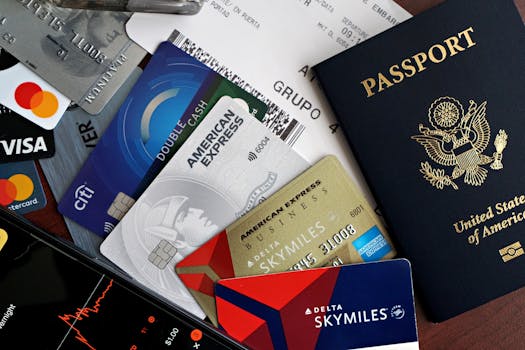
This is the holy grail for many experienced travelers and influencers, yet so many people are completely unaware of the goldmine sitting in their wallet. Premium credit cards – think Visa Infinite, Mastercard World Elite, or American Express Platinum – often come bundled with an astonishing array of travel insurance benefits. We're talking trip cancellation/interruption, lost or delayed luggage, rental car collision damage waiver (CDW), emergency medical, and even travel accident insurance.
My friend, a budding travel photographer, learned this the hard way. His flight from London to Reykjavik was cancelled due to a sudden ash cloud. He was stranded, facing an unexpected hotel stay and a scramble for new flights. He was about to fork out hundreds when I reminded him to check his Amex Platinum benefits. Lo and behold, his card offered up to $500 in trip delay coverage for hotel and meals, plus rebooking assistance. He ended up paying nothing out of pocket, thanks to a benefit he’d forgotten he even had!
Practical Tips to Maximize Credit Card Coverage:
* Read the Fine Print (Seriously!): Every card's benefits differ. Go to your credit card provider's website or call their benefits line and request the full "Guide to Benefits" or "Certificate of Insurance." Don't assume anything.
* Activation Requirements: Many benefits only kick in if you pay for the entire trip (flights, hotels, car rentals) with that specific card. Some even require you to decline the rental car company's CDW to activate their primary coverage.
* Primary vs. Secondary Coverage: This is HUGE. Some credit card benefits are "secondary," meaning they only pay out after your primary personal insurance (like your home insurance for luggage) has been exhausted. Look for cards that offer primary coverage, especially for rental car insurance and emergency medical, as this significantly simplifies the claims process and avoids hitting your personal policy deductibles.
* Exclusions: Be aware of what's not covered. Adventure sports, specific destinations, or pre-existing medical conditions are often excluded.
This isn't a replacement for comprehensive travel insurance, especially for serious medical emergencies or long-term trips, but it's an incredible layer of protection that can save you hundreds, if not thousands, on common travel mishaps.
3. The "Primary vs. Secondary" Coverage Deep Dive: Don't Get Fooled!
Building on the credit card point, understanding the difference between primary and secondary coverage is paramount and often overlooked. This distinction can literally save you a fortune and a headache during a claim.
Primary Coverage:
This means your travel insurance policy (or credit card benefit) pays out first, directly to you or the service provider, up to its limits, without requiring you to claim from other personal insurance policies you might hold (like your home contents insurance for lost luggage, or your domestic health insurance for medical bills). This is what you want! It's quicker, simpler, and doesn't impact your other insurance policies.
Secondary Coverage:
This acts as a backup. It only kicks in after your other insurance policies (e.g., home, auto, health) have paid their share. This means you first have to file a claim with your primary insurer, potentially pay deductibles on that policy, and then your secondary travel insurance might cover the remaining balance. This process is often convoluted, time-consuming, and can lead to higher out-of-pocket costs and increased premiums on your other policies.
I learned this the hard way when my expensive camera lens was stolen from my hotel room in Lisbon. My standard travel insurance policy was secondary for personal belongings. I had to first claim through my home contents insurance, pay their $500 deductible, and only then did the travel insurance cover the remaining $300 of the lens's value. Had I chosen a policy with primary coverage for personal items, I would have simply claimed directly and received the full $800 (minus the travel insurance deductible).
Actionable Advice:
When comparing policies, explicitly look for "primary" coverage for the areas most important to you: emergency medical, personal belongings, and rental car damage. If it's not clearly stated, call the insurer and ask. A slightly higher premium for primary coverage is almost always worth it for the peace of mind and simplified claims process.
4. Niche Providers & Specialty Policies: Tailoring Your Protection, Not Overpaying
Not all travel is created equal, and neither should your insurance. If you're a digital nomad, an adventure sports enthusiast, or planning a specific type of trip (like a cruise or a volunteer mission), a standard "one-size-fits-all" policy might either be overkill (making you overpay) or, worse, inadequate (leaving you dangerously exposed).
Digital Nomads:
Companies like SafetyWing and World Nomads offer specific policies designed for long-term travelers and digital nomads. SafetyWing, for example, offers monthly subscriptions that you can pause and restart, providing continuous coverage even if you don't know your exact return date. It’s affordable, flexible, and covers medical emergencies and travel delays, perfect for those living the laptop lifestyle.
Adventure Sports Enthusiasts:
Planning to scuba dive in Raja Ampat, trek the Annapurna Circuit, or ski the Alps? Many standard policies explicitly exclude "hazardous activities." Look for providers like World Nomads (again, they're great for this) or dedicated adventure travel insurers that offer add-ons or specific policies for activities like mountaineering, rock climbing, white-water rafting, or even bungee jumping. My friend Sarah, an avid climber, broke her arm bouldering in Fontainebleau, France. Her standard policy would have left her with a five-figure medical bill, but her specialized World Nomads policy, with the climbing add-on, covered everything, including her flight home.
Specific Trip Types:
Cruising? Ensure your policy covers cruise-specific issues like cabin confinement, missed port-of-calls, or medical emergencies at sea (which can be incredibly expensive). Volunteer trips? Some organizations require specific liability coverage.
How to Find Your Niche:
* Clearly list all activities you plan to do.
* Research insurers known for specific types of coverage.
* Always, always disclose your activities when getting a quote. Hiding information will invalidate your claim.
By tailoring your policy, you ensure you're covered for exactly what you need, without paying for extras you don't, or being left vulnerable for the things you do.
5. The Art of the Claim: Documentation is King (Your Instagram Feed Can Help!)
You've got the perfect policy, but what happens when disaster strikes? Making a successful claim isn't just about having the right insurance; it's about meticulous documentation. This is where your inner influencer can actually come in handy!
I once had a backpack go missing on a bus in Peru. My heart sank. But thanks to a travel blogger friend's advice, I had a digital "claim kit" ready. I had photos of my backpack (inside and out) taken before the trip, an inventory list with approximate values, and even receipts for my most expensive items (camera, laptop). When the police report was filed, I immediately took photos of it. I kept all my bus tickets. When I contacted the insurance company, I had everything they needed. My claim for around $1,500 was processed smoothly within a few weeks.
Your Claim-Proof Checklist:
* Pre-Trip Inventory: Before you even leave, photograph your packed luggage, especially valuables. Create a digital spreadsheet of items, purchase dates, and approximate values. Store this in the cloud (Google Drive, Dropbox) and email it to yourself.
* Keep ALL Receipts: For flights, hotels, tours, and especially any new purchases made abroad.
* Police Reports: For theft or loss, file a police report immediately and get a copy. This is non-negotiable for most claims.
* Medical Records: If you get sick or injured, get copies of all medical reports, diagnoses, and bills.
* Airline/Tour Operator Letters: For delayed luggage, cancelled flights, or missed connections, get written confirmation from the airline or tour operator.
* Photos & Videos: Ironically, your Instagram habit can be a lifesaver. Photos can prove where you were, what you were doing, and even the condition of items before an incident.
* Contact Information: Have your insurance policy number and emergency contact details easily accessible, not just on your phone (what if it's lost/stolen?).
Crucial Tip:
Contact your insurance provider's emergency assistance line as soon as possible after an incident, especially for medical emergencies or major disruptions. They can often guide you through the process and even pre-authorize treatments. Waiting can jeopardize your claim.
6. Medical Evacuation: The Non-Negotiable Lifeline for Remote Adventures
This isn't a loophole that saves thousands by being cheaper, but one that prevents you from losing hundreds of thousands. Medical evacuation coverage is often bundled with comprehensive travel insurance, but it's so critical, especially for off-the-beaten-path adventurers, that it deserves its own spotlight.
Imagine you're trekking in the Himalayas, thousands of miles from the nearest modern hospital, and you suffer a severe injury or illness. A helicopter evacuation can cost upwards of $50,000 to $100,000, and an air ambulance transfer back to your home country can easily run into the hundreds of thousands. This isn't pocket change; it's life-altering debt.
My friend Mark was on a photography expedition deep in the Amazon rainforest when he contracted a severe parasitic infection. He needed immediate, specialized medical attention that simply wasn't available in the local clinics. His travel insurance, which included a $250,000 medical evacuation clause, arranged for a private plane to transport him to a top-tier hospital in Manaus, Brazil, and eventually back to the US for continued care. Without that coverage, his family would have faced an astronomical bill.
What to Look For:
* High Limits: Ensure your medical evacuation coverage has limits of at least $100,000, preferably higher if you plan on visiting very remote areas.
* Repatriation: This covers the cost of bringing you home if you're seriously ill or, in the worst case, your remains.
* Emergency Assistance: A good policy will have a 24/7 emergency hotline with multilingual staff who can coordinate your evacuation and medical care.
Don't skimp here. This is the ultimate "influencer secret" for truly adventurous travel – knowing that no matter how far off the grid you go, you have a way back to safety and proper care.
The Bottom Line: Travel Smart, Not Just Hard
The world of travel insurance can seem daunting, complex, and frankly, a bit boring. But by understanding these "loopholes" and smart strategies, you're not just buying a piece of paper; you're investing in peace of mind, protecting your finances, and ensuring your adventures can continue without crippling setbacks. Instagram influencers might not post about their annual multi-trip policies or their credit card benefits, but rest assured, they're using them.
So, next time you're planning a trip, don't just click the cheapest option. Dig a little deeper. Check your credit card benefits. Consider an annual policy. Ask about primary vs. secondary coverage. And most importantly, document everything.
Your future self (and your bank account) will thank you. Now go forth, explore, and travel fearlessly – because you're finally in on the secrets!
What's your biggest travel insurance win or lesson learned? Share your stories and tips in the comments below! And don't forget to share this post with your fellow travelers – let's make smart travel the new viral trend!
---