Beyond the Horizon: My October 2025 Transport Revelation
I’ve always considered myself a bit of a travel futurist. I was that kid who devoured sci-fi novels, dreaming of jetpacks and teleportation, even as I navigated my hometown on a trusty bicycle. As a travel blogger for Tripsora, my mission has always been to unearth the next big thing, the hidden gem, the experience that makes you gasp and immediately open a new tab to book. But even I wasn't prepared for what October 2025 held.
Just last month, I found myself in Singapore, buzzing with anticipation for an exclusive preview. I’d read the whispers, seen the concept art, but nothing, absolutely nothing, could have prepared me for the sheer exhilaration of my first ride in a Sky-Pod. As we lifted off, the city shrinking beneath us, I felt a familiar pang of wonder mixed with a profound sense of "this is it, this is the future." The world of travel is evolving at warp speed, and the ways we move from A to B are becoming as much a part of the adventure as the destination itself.
Forget what you thought you knew about getting around. We’re not talking about slightly faster trains or electric cars anymore. We’re talking about genuinely revolutionary methods that are sustainable, efficient, incredibly cool, and, most importantly, accessible to travelers like you and me. I’ve just returned from a whirlwind tour, testing out some of the most cutting-edge transportation innovations emerging right now. And trust me, October 2025 is going to be remembered as the year travel truly took flight – and dove deep, and glided silently, and walked with magic.
Ready to discover the transport methods you never knew existed? Buckle up (or unbuckle, depending on the ride!), because your travel bucket list is about to get a serious upgrade.
1. Sky-Pods: Your Personal Cloud Chariot
My journey began, as I mentioned, in the gleaming metropolis of Singapore, a city perpetually at the forefront of innovation. The Sky-Pods, or "Aero-Cabs" as some locals call them, are essentially compact, electric Vertical Take-Off and Landing (eVTOL) vehicles designed for urban air mobility. Imagine a sleek, silent drone, but with a luxurious, panoramic cabin for 2-4 passengers.
My Experience:
My first Sky-Pod journey took me from Marina Bay Sands to Gardens by the Bay, a route that would normally involve navigating busy streets and public transport. Instead, we ascended smoothly, silently, above the concrete jungle. The view was breathtaking – the Supertrees glowing against the twilight sky, the city lights twinkling like scattered diamonds. It felt less like a commute and more like a private, low-altitude scenic tour. The AI pilot, a soothing female voice, pointed out landmarks and even offered a personalized music selection. The landing was as gentle as the take-off, depositing us just steps from our destination. It was efficient, utterly beautiful, and truly unforgettable.
Where to Find Them (October 2025):
* Singapore: Already in pilot operation, expanding rapidly across key tourist hubs and business districts. Look for designated "Sky-Ports" near major attractions and hotels.
* Dubai, UAE: Expected to launch limited commercial routes by early 2026, with initial focus on connecting the airport to downtown areas.
* Los Angeles, USA: Testing is underway for a route connecting LAX to Santa Monica, aiming for public access by late 2026.
Practical Tips & Pricing:
* Booking: Primarily via dedicated apps (e.g., "SkyLink," "AeroConnect"). Expect dynamic pricing, similar to ride-sharing services.
* Cost: In Singapore, my 15-minute ride cost roughly SGD 80 (approx. $59 USD). It’s a premium experience, but for the time saved and the incredible views, it’s worth it for a special occasion or to beat rush hour.
* Luggage: Limited to carry-on size. These pods are designed for quick hops, not cross-country treks.
* Instagram-worthiness: 10/10. Those panoramic views are made for stunning aerial shots and breathtaking reels!
2. The Hydro-Glide Network: Undersea Express
From soaring above, let's dive deep. The Hydro-Glide Network is perhaps the most audacious of the new transport methods I encountered. Imagine high-speed, silent capsules traveling through submerged, transparent tunnels, connecting coastal cities and islands. This isn't just a train; it's an immersive underwater journey.
My Experience:
I boarded a Hydro-Glide capsule in Kagoshima, Japan, bound for the island of Yakushima, famous for its ancient cedar forests. The initial acceleration was smooth, almost imperceptible. Then, as we plunged beneath the waves, the world transformed. The capsule's walls, made of an incredibly strong, transparent alloy, became a living screen. Schools of fish darted past, coral reefs glowed in the ambient light, and in one incredible moment, a majestic sea turtle glided by, completely unfazed by our passage. It was like being in a futuristic submarine, but with the speed and comfort of a bullet train. The journey, which would normally involve a slower ferry or a short flight, was reduced significantly, and the experience itself became the highlight.
Where to Find Them (October 2025):
* Japan (Kyushu-Shikoku Link): The route I took is one of the first commercial lines, connecting major cities on Kyushu to Shikoku and some outer islands.
* Norway (Coastal Express): Short segments are in testing phase, particularly around the fjords, aiming to bypass long, winding coastal roads.
* Mediterranean (Pilot Routes): Whispers of a pilot route connecting Sicily to mainland Italy, focusing on high-value cargo and a limited number of passenger capsules.
Practical Tips & Pricing:
* Booking: Tickets are typically booked weeks in advance through national rail or specialized Hydro-Glide apps, as capacity can be limited.
* Cost: My Kagoshima-Yakushima trip cost JPY 15,000 (approx. $100 USD) for a one-way premium seat with enhanced viewing. Standard seats are slightly less.
* Motion Sickness: The ride is incredibly smooth, but if you're prone to motion sickness, staring at the underwater scenery might be an adjustment. Focus on the horizon (or the "virtual horizon" displayed inside) if needed.
* Observation Decks: Some capsules have dedicated observation areas or even VR/AR overlays that identify marine life in real-time.
3. Bio-Luminescent Eco-Bikes & Flora-Gliders: Nature's Own Ride
For the eco-conscious traveler and nature lover, this one is pure magic. In pristine natural reserves, traditional vehicles are often restricted. Enter the Bio-Luminescent Eco-Bikes and Flora-Gliders – sustainable, human-powered (or assisted) transport designed to blend seamlessly with the environment, often glowing softly after dusk.
My Experience:
My adventure took me deep into a protected cloud forest in Costa Rica. During the day, I explored on an Eco-Bike, a lightweight, electric-assist bicycle crafted from recycled materials and natural fibers. It was silent, allowing me to hear every rustle of the leaves, every bird call. But the real enchantment began after sunset. The Eco-Bikes, and even some of the broader, open-air Flora-Gliders (think comfortable, multi-person electric carts for guided tours), are equipped with bio-luminescent panels and gentle, embedded LED lights that mimic natural bioluminescence. Riding through the forest at night, surrounded by a soft, ethereal glow, felt like being transported into a fairy tale. The guides, using special low-light visors, led us through paths that revealed nocturnal creatures and plants, all without disturbing their natural rhythms. It was profoundly peaceful and utterly breathtaking.
Where to Find Them (October 2025):
* Costa Rica (Monteverde, Corcovado National Park): Leading the way in eco-tourism, these are integrated into guided tours within designated eco-lodges and conservation areas.
* New Zealand (Fiordland National Park): Pilot programs for Flora-Gliders are offering silent, guided tours through ancient forests.
* Amazon Rainforest (Select Eco-Reserves): Some remote eco-lodges are using similar concepts for silent river excursions and jungle trails.
Practical Tips & Pricing:
* Booking: Usually part of an eco-tour package or directly through specialized eco-reserves.
* Cost: Varies widely, but typically included in a multi-day eco-tourism package, or as a standalone guided tour costing $50-$150 USD.
* Fitness: Eco-Bikes are electric-assist, so a moderate level of fitness is sufficient. Flora-Gliders require no physical exertion.
* Photography: Bring a good low-light camera! The bio-luminescent effects are incredibly photogenic, especially on long exposures.
* Respect Nature: Always follow your guide's instructions and stay on designated paths.
4. Aura-Walks & AR City Exploration: Your City, Enhanced
Sometimes, the best way to explore a city isn't in a vehicle at all, but on foot. But what if your walk could be instantly augmented with layers of history, art, and local secrets, all brought to life before your eyes? That's the promise of Aura-Walks, powered by advanced Augmented Reality (AR) glasses and smartphone apps.
My Experience:
Rome. The Eternal City. I thought I knew it well. But with my new AR glasses (sleek, lightweight, and surprisingly comfortable), my walk through the Forum Romanum became a time-traveling adventure. As I gazed at the crumbling ruins, the AR overlay reconstructed the ancient buildings in their full glory, populated with digital citizens going about their daily lives. A tap on my temple and a virtual senator would deliver a speech, or a merchant would offer digital goods. Later, wandering through Trastevere, the AR guide highlighted hidden frescoes, pointed out the best gelato spots based on real-time local reviews, and even translated snippets of Italian conversations for me. It wasn't just navigation; it was an interactive, living history lesson and a personalized concierge rolled into one. It made me feel like an explorer, not just a tourist.
Where to Find Them (October 2025):
* Rome, Italy: The Colosseum, Roman Forum, and Pantheon are prime locations for historical overlays.
* Kyoto, Japan: Experience geisha districts, ancient temples, and traditional gardens with contextual information and cultural insights.
* Paris, France: From hidden art installations to the history of the Louvre, AR enriches every step.
* New York City, USA: Times Square comes alive with historical footage and interactive advertisements, while Greenwich Village reveals its bohemian past.
Practical Tips & Pricing:
* Gear: You'll need compatible AR glasses (rentable at major tourist hubs, or you can use your own if you're an early adopter) or a powerful smartphone with a good AR app.
* Cost: Apps range from free (basic navigation) to premium subscriptions ($10-$30 USD/month or per-city packs) for advanced features like historical reconstruction and interactive characters. Glass rental is usually $20-$50 USD per day.
* Battery Life: AR is power-intensive. Carry a portable power bank!
* Safety: Always be aware of your surroundings. While immersive, don't let the digital world distract you from real-world obstacles.
* Shareable: Record your AR experience! Many apps allow screen recording, letting you share the magic with friends and followers.
5. Flex-Connect Pods: The Future of Urban Mobility
Imagine a world where your ride adapts to your needs. That's the core concept behind Flex-Connect Pods: modular, autonomous electric vehicles that can operate individually for short distances or seamlessly link together for longer, more communal journeys. Think of them as intelligent Lego blocks for urban transit.
My Experience:
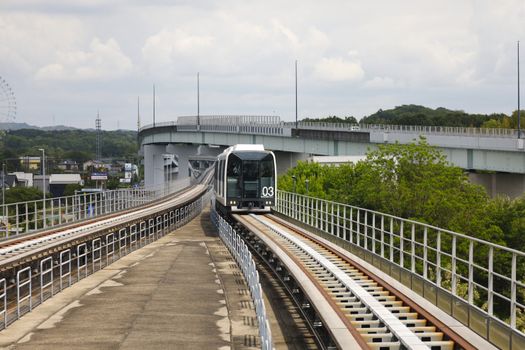
I tested the Flex-Connect system in Helsinki, a city renowned for its smart urban planning. I booked a solo pod from my hotel to a design museum. It arrived silently, a sleek, minimalist capsule. Inside, the space was customizable – I chose a "work mode" with a small desk and screen. After my museum visit, I booked a "shared journey" to the airport. My pod automatically connected with two other pods carrying fellow travelers, forming a small train. We shared a larger, communal space for the longer haul, complete with charging ports and comfortable seating. At the airport hub, our pods decoupled, and mine whisked me directly to my terminal. It was incredibly efficient, personalized, and felt like a seamless extension of my digital life.
Where to Find Them (October 2025):
* Helsinki, Finland: Pioneering the integrated public transport system, connecting suburbs to the city center and airport.
* Masdar City, UAE: This eco-city is a living laboratory for autonomous, modular transport, though still largely for residents and researchers.
* Amsterdam, Netherlands: Pilot programs are integrating Flex-Connect Pods into existing public transport networks for last-mile connectivity.
Practical Tips & Pricing:
* Booking: Entirely app-based. You select your destination, preferred mode (solo, shared, express), and the system optimizes your journey.
* Cost: Generally competitive with public transport for shared rides, slightly more for solo "express" pods. Helsinki's system offered a day pass for €12 (approx. $13 USD) covering unlimited rides within the network.
* Group Travel: Perfect for families or small groups, as pods can be configured to seat up to 6 people or linked for larger parties.
* Luggage: Ample space for standard luggage in most configurations, especially for airport connections.
* Customization: Many pods offer interior customization options via the app, from lighting to entertainment.
6. Aqua-Bots: Navigating Waterways with Ease
For cities built on or around water, traditional ferries and water taxis have long been a way of life. But imagine those same vessels, now entirely autonomous, electric, and operating with a silent, graceful efficiency. Welcome to the era of Aqua-Bots.
My Experience:
My final stop was Venice, a city famously intertwined with its canals. The Aqua-Bots, sleek, electric vessels resembling modern gondolas or small vaporettos, glided silently through the waterways. I hailed one via an app, and within minutes, it arrived at a designated dock. There was no driver, just a beautifully designed interior with comfortable seating and large windows. The bot navigated the intricate canals with astonishing precision, avoiding other boats and even pausing respectfully for traditional gondolas. The journey was incredibly peaceful, devoid of engine noise or the usual chatter of a human captain. It offered a unique perspective on Venice, feeling both futuristic and deeply respectful of the city's timeless charm.
Where to Find Them (October 2025):
* Venice, Italy: Gradually being integrated into the public transport system, supplementing (not replacing) traditional vaporettos and gondolas.
* Amsterdam, Netherlands: Autonomous canal boats are used for waste collection and now for limited passenger routes.
* Stockholm, Sweden: Connecting islands in the archipelago, offering efficient and eco-friendly transport.
* Miami, USA: Exploring autonomous water taxis for inter-island and coastal connectivity.
Practical Tips & Pricing:
* Booking: Primarily through city-specific transport apps or dedicated Aqua-Bot services.
* Cost: In Venice, a single Aqua-Bot ride was €8 (approx. $8.50 USD), comparable to a vaporetto ticket but offering a more private and direct experience. Day passes are also available.
* Scenic Routes: Look for options that offer "scenic tours" – these often follow specific routes optimized for sightseeing.
* Quiet Ride: Perfect for photography and simply soaking in the atmosphere without distraction.
* Accessibility: Most Aqua-Bots are designed with accessibility in mind, offering easy boarding for wheelchairs and strollers.
The Road Ahead: Your Next Adventure Awaits!
October 2025 is proving to be a watershed moment in travel. These aren't just incremental improvements; they are paradigm shifts, offering new ways to experience our world that are faster, more sustainable, more personalized, and undeniably cooler. From the exhilarating heights of a Sky-Pod to the serene depths of a Hydro-Glide, from the magical glow of an Eco-Bike to the augmented reality of an Aura-Walk, and the adaptive efficiency of Flex-Connect Pods and Aqua-Bots – the future of travel is here, and it's spectacular.
These innovations aren't just about getting from A to B; they're about making the journey an integral, unforgettable part of the adventure. They challenge us to rethink how we interact with cities and nature, pushing us towards a more sustainable and exciting future.
So, as you plan your next escape, don't just think about where you're going, but how you'll get there. Which of these groundbreaking transportation methods are you most excited to try first? The world is moving forward, and so should your travel plans!
Share your futuristic travel dreams in the comments below, and don't forget to share this post with your fellow adventurers! Let's inspire each other to explore the future of travel, one incredible ride at a time.
---