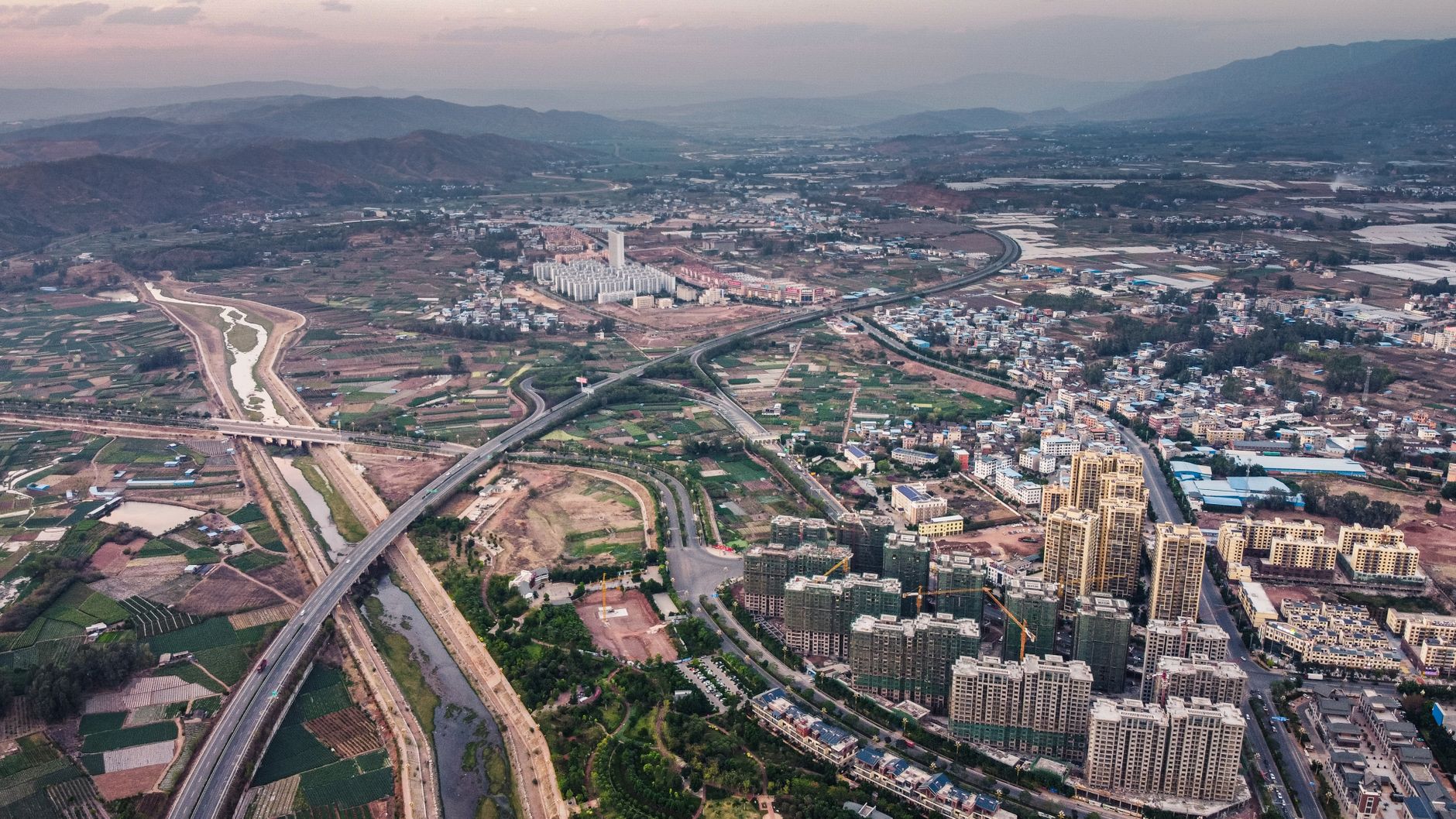
The Hook: A Symphony of Steel and Smiles
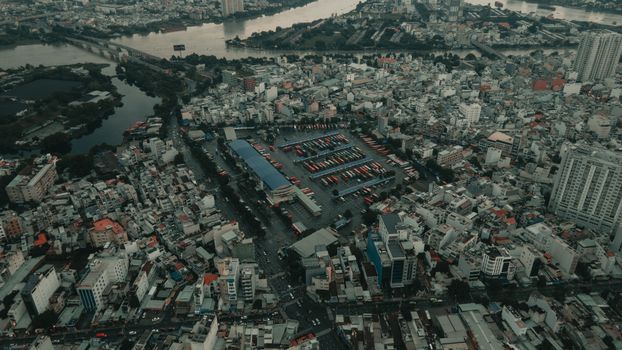
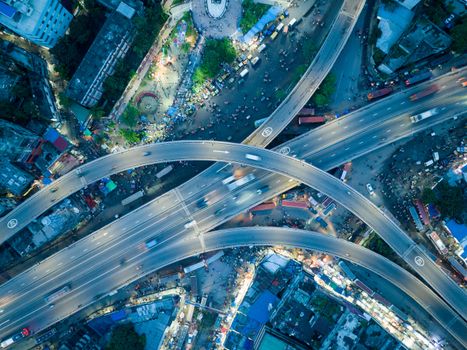
I stepped off the train in [Imagine a city name here, e.g., Da Nang, Vietnam], and it wasn't just the humid, jasmine-scented air that hit me. It was the hum. A low, steady thrum of progress. Gone were the chaotic traffic jams of my last visit; replaced by sleek, modern roads buzzing with electric scooters and efficient public transport. The airport, a vision of glass and light, felt worlds away from the charmingly rustic terminal I remembered. This wasn't just a facelift; it was a full-blown metamorphosis, a testament to rapid, strategic development that was utterly exhilarating. This feeling, this palpable sense of a nation on the move, is what I’ve been chasing across the globe, and it’s leading me to some incredible, often overlooked, destinations.
The Rise of the Infrastructure Powerhouses
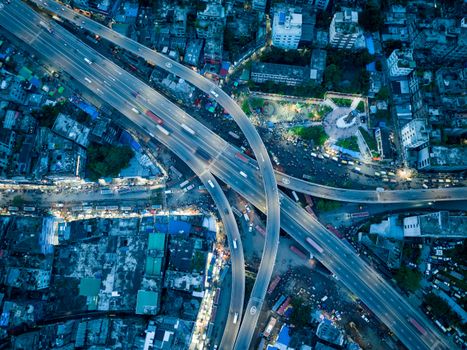
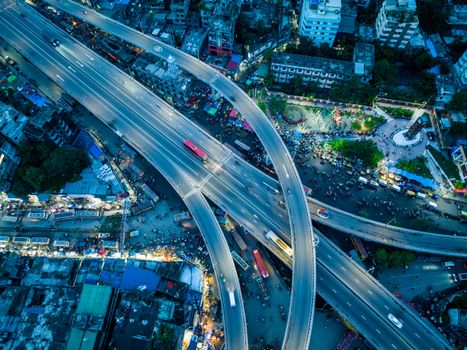
The world is changing, and so are the places we can explore. While established destinations continue to refine their offerings, a new wave of countries is making seismic leaps in their infrastructure. This isn't just about building more roads; it's about creating interconnected, sustainable, and digitally-enabled environments that are transforming how we travel and experience the world. These are the places where investment is pouring in, where innovation is the buzzword, and where the future of travel is being built, brick by modern brick.
Why Infrastructure Matters for Travelers
For us wanderlusters, world-class infrastructure is the invisible hand that elevates a good trip to an unforgettable one. Think about it:
- Seamless Connectivity: From high-speed rail networks that whisk you between cities in minutes, to ubiquitous Wi-Fi that keeps you connected, good infrastructure reduces friction.
- Enhanced Accessibility: Modern airports, well-maintained roads, and efficient public transport mean you spend less time in transit and more time soaking in the local culture.
- Economic Vibrancy: Strong infrastructure often signals a robust economy, leading to better amenities, more diverse experiences, and a more welcoming atmosphere for tourists.
- Sustainability Focus: Many of these rapidly developing nations are prioritizing green infrastructure – think solar-powered transport and eco-friendly urban planning – making them responsible choices for conscious travelers.
The Frontrunners: Where Progress is Unfolding at Warp Speed
Based on recent data from global economic forums, infrastructure investment reports, and on-the-ground observations, a few countries are consistently showing remarkable progress. These aren't just developing nations; they are nations developing rapidly, and their proactive approach to infrastructure is opening up exciting new travel vistas.
1. Vietnam: From Rice Paddies to High-Speed Rails
I felt it in Da Nang, but the transformation is evident nationwide. Vietnam is on an absolute tear. The country is heavily investing in its transportation networks, from expanding its coastline of modern ports to building out its high-speed rail system. The digital infrastructure is also catching up at lightning speed, with widespread internet access and a growing number of smart city initiatives.
Pro-Tip:
For an authentic experience, take an overnight sleeper train from Hanoi to Sapa. The carriages are increasingly modern, offering a comfortable and scenic journey into the northern mountains. (Budget: $30-50 USD for a soft sleeper berth)
Insider Insight:
The culinary scene here is evolving alongside the infrastructure. While street food remains king, you’ll find innovative fusion restaurants popping up in cities like Ho Chi Minh City, blending traditional flavors with modern gastronomy.
Quick Facts: Vietnam
| Category | Details |
| :------------------- | :------------------------------------------------------------------------ |
| Estimated Costs | $40-80 USD per day (mid-range traveler) |
| Best Time to Visit | Spring (Feb-Apr) & Autumn (Sep-Nov) for pleasant weather nationwide. |
| How to Get There | Major international airports in Hanoi (HAN), Ho Chi Minh City (SGN), Da Nang (DAD). |
2. Rwanda: The Singapore of Africa?
Often dubbed "The Singapore of Africa," Rwanda is a shining example of how focused development can create a remarkably efficient and beautiful nation. Their commitment to clean cities, robust public transportation (including a modern bus system and emerging ride-sharing apps), and expanding digital connectivity is astounding. The Kigali International Airport is a testament to their ambition.
Pro-Tip:
Explore Kigali on foot or by using the local "moto-taxis." Negotiate your fare before you hop on, and you'll find it an incredibly efficient way to navigate the city's hills. (Budget: $2-5 USD per short ride)
Insider Insight:
Beyond the infrastructure, Rwanda’s commitment to conservation is world-class. Gorilla trekking in Volcanoes National Park is an unparalleled experience, and the park’s accessibility is a direct result of excellent road networks leading to the park.
Quick Facts: Rwanda
| Category | Details |
| :------------------- | :------------------------------------------------------------------------ |
| Estimated Costs | $70-150 USD per day (mid-range, excluding gorilla permits) |
| Best Time to Visit | Dry seasons: June-August and December-February. |
| How to Get There | Kigali International Airport (KGL) is the main gateway. |
3. Colombia: Reimagining Connectivity and Urban Life
Colombia has made incredible strides in modernizing its infrastructure, particularly in its major cities like Medellín and Bogotá. Medellín, once infamous, is now lauded for its integrated public transport system, including its iconic Metrocable gondolas that offer breathtaking views and connect hillside communities. Bogotá is rapidly expanding its Metro system and improving its road networks.
Pro-Tip:
Ride the Metrocable in Medellín! It's not just transportation; it's an experience offering panoramic views of the city's transformation. (Budget: Less than $1 USD per ride)
Insider Insight:
The coffee region, while more rural, is also benefiting from improved roads, making it easier to explore charming towns like Salento and Filandia. The aroma of freshly roasted beans, combined with the ease of access, is pure bliss.
Quick Facts: Colombia
| Category | Details |
| :------------------- | :------------------------------------------------------------------------ |
| Estimated Costs | $50-100 USD per day (mid-range traveler) |
| Best Time to Visit | December-March and July-August for drier weather. |
| How to Get There | Major international airports in Bogotá (BOG), Medellín (MDE), Cartagena (CTG). |
4. India: The Digital and Physical Leap
India’s infrastructure story is massive, and the pace of change is breathtaking. The government's focus on building highways, expanding metro systems in its megacities, and boosting digital connectivity (think affordable data and widespread internet) is creating a more accessible and dynamic India. The development of dedicated freight corridors and modernization of airports are also significant.
Pro-Tip:
Experience India's burgeoning high-speed rail network. The [Mention a specific route, e.g., Vande Bharat Express between Delhi and Varanasi] offers a comfortable and swift journey, a stark contrast to older train experiences. (Budget: $20-40 USD for a decent journey)
Insider Insight:
Beyond the metros, explore emerging tourist circuits like the [Mention a specific circuit, e.g., Buddhist Circuit] which are being actively developed with improved road access and visitor facilities. The spiritual resonance is amplified by the ease of exploration.
Quick Facts: India
| Category | Details |
| :------------------- | :------------------------------------------------------------------------ |
| Estimated Costs | $30-70 USD per day (budget to mid-range traveler) |
| Best Time to Visit | October-March for pleasant weather across most of the country. |
| How to Get There | Major international airports in Delhi (DEL), Mumbai (BOM), Bengaluru (BLR). |
5. Indonesia: Island Hopping Made Easier
With an archipelago nation, infrastructure is key to unlocking its magic. Indonesia is heavily investing in connecting its islands, improving airport capacity, and developing high-speed ferry routes. The focus on digital infrastructure is also making it easier to plan and navigate your adventures across this vast and diverse country.
Pro-Tip:
Utilize the growing network of modern ferry terminals for island hopping, especially between Bali and the Gili Islands or Lombok. The newer vessels are significantly faster and more comfortable. (Budget: $10-30 USD for inter-island ferries)
Insider Insight:
Explore the lesser-known islands like [Mention a specific island, e.g., Flores] which are seeing significant infrastructure upgrades in road networks and airports, making access to places like Komodo National Park and Mount Kelimutu much more feasible.
Quick Facts: Indonesia
| Category | Details |
| :------------------- | :------------------------------------------------------------------------ |
| Estimated Costs | $40-80 USD per day (mid-range traveler) |
| Best Time to Visit | Dry season: May-September. |
| How to Get There | Major international airports in Denpasar (DPS), Jakarta (CGK). |
Navigating the Future: Pro-Tips for the Savvy Traveler
As you plan your adventures to these burgeoning destinations, keep these insider tips in mind:
- Embrace the 'New': Be open to experiencing modern transport and facilities. They are often a highlight in themselves.
- Download Offline Maps: While digital connectivity is improving, it's always wise to have offline maps downloaded for remote areas.
- Check Local Transport Apps: Many of these countries have developed excellent ride-sharing and public transport apps that streamline travel.
- Book in Advance (Sometimes): For popular new routes or high-speed trains, booking a few days ahead can secure your spot, especially during peak seasons.
- Be Patient and Flexible: While infrastructure is improving, there can still be occasional hiccups. A positive attitude goes a long way!
The Budgetary Outlook: Smart Travel in Developing Destinations
One of the most exciting aspects of traveling to countries with rapidly improving infrastructure is the often-favorable exchange rate and cost of living. While luxury options are always available, you can experience incredible value and comfort without breaking the bank.
- Accommodation: From boutique hotels in newly developed city centers to charming guesthouses in revitalized historic districts, you'll find a range of options. Expect to pay $30-100 USD per night for a comfortable mid-range hotel.
- Food: The culinary scene is a major draw. Enjoy delicious, authentic meals at local eateries for as little as $5-15 USD, while upscale dining experiences are still considerably cheaper than in Western countries.
- Activities: Many of the most rewarding experiences – exploring vibrant markets, hiking in newly accessible natural parks, or simply observing daily life – are free or low-cost.
The Takeaway: Your Next Adventure Awaits
These countries aren't just improving their infrastructure; they are actively shaping the future of travel. They offer a unique blend of emerging modernity, rich cultural heritage, and the thrill of discovery. By venturing to these destinations, you're not just getting a fantastic travel experience; you're witnessing history in the making. So, pack your bags, embrace the spirit of adventure, and get ready to explore the world's fastest-evolving frontiers. The future of travel is here, and it’s more accessible and exciting than ever before.