The air in the tiny, dimly lit room in Ubud, Bali, was thick with the scent of incense and the humid jungle night. Before me sat I Made, a man whose hands, gnarled from decades of carving and playing, held a kendang drum with a reverence that spoke volumes. He didn't speak much English, and my Bahasa Indonesia was rudimentary at best, yet as his fingers danced across the drumhead, coaxing out rhythms that had echoed through his village for generations, a conversation far deeper than words began. This wasn't a pre-booked "cultural workshop" from a glossy brochure. This was a direct line to the heart of Balinese tradition, a lesson locals often guard fiercely from the tourist gaze. And it was, without a doubt, the most profound travel experience I’ve ever had.
We’ve all been there: the dazzling, high-energy cultural shows designed for the masses. They’re fun, vibrant, and certainly offer a taste of local artistry. But what if I told you there’s a whole other layer, a secret world of authentic learning where you can sit at the feet of true masters, not just observe them? This isn't about watching a performance; it’s about participating, understanding, and connecting on a level most travelers never even dream of. These are the traditional music lessons from masters that locals, for good reason, often prefer to keep to themselves. They're not trying to be exclusionary; they're preserving something sacred, something authentic. And finding them? That's part of the adventure.
The Allure of the Undiscovered Note: Why Seek Out These Hidden Lessons?
Why bother going off-script when there are plenty of organized activities? The answer is simple: authenticity. Imagine learning the haunting melodies of the Irish tin whistle not in a sterile classroom, but in a cozy pub from a fiddler who's been playing since he was knee-high to a leprechaun. Or mastering a basic rhythm on a flamenco cajón from an elderly gitano in a quiet Seville alley, his eyes burning with the passion of generations.
These aren't just music lessons; they're cultural immersion experiences disguised as skill-building. You're not just learning notes; you're learning history, philosophy, and the very soul of a people through their sound. You're building bridges, fostering genuine connections, and gaining insights that no guidebook or organized tour could ever provide. It’s about more than the music; it’s about the stories shared, the tea offered, the laughter exchanged, and the understanding that blossoms when you step outside your comfort zone and into someone else's world. Plus, bringing home a new skill, a fragment of a traditional tune, is a far more unique and personal souvenir than any trinket you could buy. It’s a piece of the culture you carry within you, forever.
The Quest Begins: How to Unearth These Musical Gems
Finding these hidden masters requires a different approach than simply searching online. It demands patience, respect, and a willingness to truly engage with local life. Think of it as a treasure hunt where the map is made of whispers and genuine smiles.
- Go Local, Really Local: Forget the tourist information centers. Your best bet for a lead is often the people who live and breathe the local culture:
- Guesthouse Owners/Homestay Hosts: They often have family or friends involved in local arts. My Balinese kendang teacher, I Made, was the uncle of my guesthouse owner. A casual conversation over breakfast led to the most extraordinary evening.
- Cafe Owners & Market Vendors: These are the community hubs. Regulars often know who's who. Strike up a friendly conversation, express genuine interest, and ask if they know anyone who teaches traditional music. Frame it as wanting to understand their culture better, not just "take a lesson."
- Local Artists & Artisans: Potters, weavers, painters – they're often connected to the broader artistic community. Visit their workshops, buy their crafts, and gently inquire.
- Temple Priests or Community Elders: In many cultures, religious institutions or community centers are custodians of traditional arts. A respectful visit and inquiry can sometimes open doors.
- The Power of Observation & Niche Spots:
- Local Music Shops (Not Tourist Traps): Seek out small, independent stores selling traditional instruments. The owners are often musicians themselves or know who teaches. In Istanbul, I found a tiny oud shop tucked away in a back alley; the owner, a master luthier, pointed me to a teacher who held lessons in his home.
- Community Centers & Cultural Halls: These are often where local groups practice or hold workshops, even if not advertised to tourists.
- University Ethnomusicology Departments: If you're in a city with a university, their music department might have connections to traditional practitioners. This is a more formal route but can yield incredible results.
- Online Deep Dives (with caution): While the goal is off-grid, some online communities can offer clues:
- Expat Forums & Local Facebook Groups: Expats living long-term in a destination often have the best insights into local life and hidden gems. Search for groups like "Expats in [City Name]" and post a polite inquiry.
- Niche Music Forums: If you know the specific instrument you're interested in, search for forums dedicated to it. You might find a local connection or a recommendation from someone who's had a similar experience.
My Tip:
Always approach with humility and respect. Don't demand. Ask, show genuine interest, and be prepared for a "no." The "yes" will be all the more rewarding. It’s about building a connection, not just making a transaction.
Stepping into the Studio: What to Expect from a Master
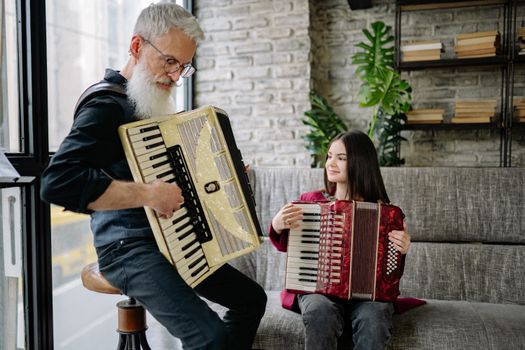
Once you’ve found a potential teacher, the experience itself will likely be very different from Western-style music lessons.
- The Setting: Forget pristine studios. You might find yourself in a teacher's living room, a community hall, a temple courtyard, or even a small, dusty backroom of a shop. My flamenco cajón lesson in Seville took place in a tiny, cluttered room above a family-run tavern, the rhythmic thrum of the street below providing a natural bassline. These humble settings are part of their charm.
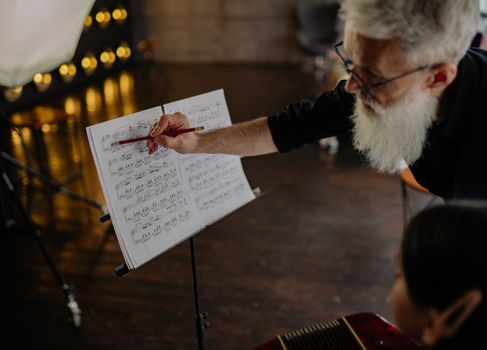
- The Pedagogy: Oral Tradition & Observation: Many traditional music forms are passed down orally, without sheet music. Be prepared to learn by listening, watching, and imitating. Repetition is key.
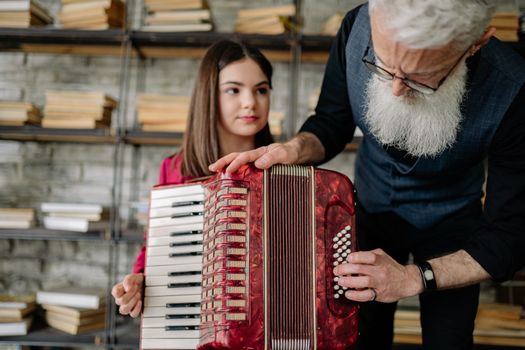
- Example: Gamelan in Bali: I Made would play a rhythm, then gesture for me to copy. He'd adjust my hand placement, correct my timing, all with minimal words but infinite patience. It was intuitive, immersive, and deeply effective.
- Example: Irish Bodhrán: My teacher, Sean, in a small pub outside Galway, simply played a basic jig, demonstrating the stick technique, then handed me a drum. "Just feel the rhythm, lad," he’d say, and we’d play along with the live session.
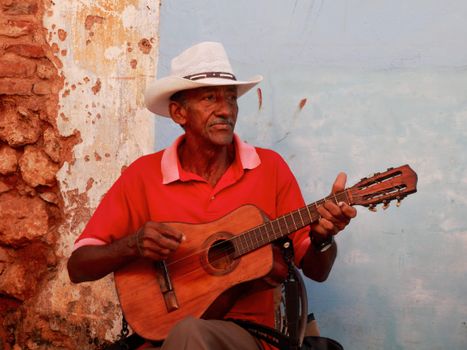
- The Instruments: You'll likely be learning on authentic, traditional instruments. Embrace the differences! They might feel unfamiliar, but they carry the history of their sound within them. Don't expect a polished, new instrument; often, they are well-loved and well-used.
- The Cost: Fair Exchange, Not Exploitation: The pricing structure can vary wildly.
- Donation/Gift: In some very traditional communities, especially if introduced through a local, it might be seen as an exchange of knowledge, and a monetary "gift" or donation to their family/community is appropriate. Always offer a generous amount.
- Hourly Rate: More often, particularly in slightly more organized (but still local) settings, there will be an hourly rate. This is usually very reasonable by Western standards, perhaps $10-$30 USD per hour, but always be prepared to pay fairly for their time and expertise. Don't haggle aggressively; remember you're seeking a unique experience.
- My Advice: Always clarify the cost upfront, or ask your local contact how much would be appropriate. And always, always offer a bit more than asked if you feel the experience was exceptional. These masters are often not wealthy; your contribution helps sustain their art.
- The Language Barrier: Beyond Words: Don't let language deter you. Music is a universal language. Body language, gestures, and the shared joy of creation often bridge the gap. Learning a few basic phrases ("thank you," "hello," "again," "slowly") in the local language goes a long way in showing respect and effort. My Balinese teacher and I communicated largely through smiles, nods, and the rhythmic pulse of the drums.
My Journeys: Unforgettable Anecdotes from the Road
Bali, Indonesia – The Echoes of the Village Gamelan:
My first true "secret lesson" was with I Made. My guesthouse owner, Wayan, noticed my fascination with the local Gamelan music. One evening, she simply said, "My uncle teaches. He can show you." There was no formal booking, no price list. I walked a winding path through rice paddies to his simple home. For two hours, I sat cross-legged, learning basic kendang patterns, the subtle shifts in tempo, the importance of listening to the whole ensemble. His wife brought sweet tea and fried bananas. It felt less like a lesson and more like being welcomed into their family’s tradition. I paid him 200,000 IDR (about $13 USD) – double what Wayan suggested – and he looked genuinely surprised and touched. We parted with deep bows and a shared sense of something profound. Instagram-worthy Moment: A close-up of my hands on the kendang, a blur of motion, with I Made's patient, smiling face in the background, bathed in the warm glow of a single bulb.
Seville, Spain – The Soulful Beat of Flamenco:
Finding a flamenco cajon teacher in Seville was a different beast. I frequented a small peña flamenca (flamenco club) in Triana, not the big tourist shows. After several nights of simply enjoying the music, I struck up a conversation (in broken Spanish) with the bartender, who introduced me to an older musician named Paco. Paco taught a small group of locals in a back room. He invited me to join for a small fee, about €15 an hour. It was intense, passionate, and incredibly loud. Paco taught by example, his foot tapping, his hands a blur, his voice a gravelly explanation of the compás (rhythmic cycle). He didn't just teach the notes; he taught the duende, the soul of flamenco. Instagram-worthy Moment: A shot of my hands on the cajon, Paco's intense gaze reflected in the dark wood, a single string of fairy lights illuminating the gritty charm of the room.
Kyoto, Japan – The Meditative Breath of the Shakuhachi:
This was perhaps the most challenging to find. I was fascinated by the shakuhachi (Japanese bamboo flute). After asking around at several traditional tea houses and small craft shops, a woman at a calligraphy studio suggested I visit the cultural center near Kennin-ji Temple. There, I found a flyer for a "cultural appreciation workshop" for locals, led by a Sensei named Hiroshi. It wasn't a private lesson, but a small group. The cost was higher, about ¥5,000 (around $35 USD) for a two-hour session. The instruction was formal, precise, and deeply meditative. Hiroshi Sensei emphasized breath control and posture as much as finger placement. It was a lesson in discipline and mindfulness as much as music. Instagram-worthy Moment: A serene shot of the shakuhachi, perhaps resting on a tatami mat with a soft light, hinting at the quiet dedication of the lesson.
The Etiquette of the Enthusiastic Student: Earning Your Place
To ensure these doors remain open for future travelers, and to truly honor the experience, it's crucial to approach these lessons with the right mindset and etiquette.
- Humility is Key: You are a guest in their tradition, a student in their world. Approach with an open mind and a humble heart. Don't act entitled or demanding.
- Punctuality & Presence: Be on time, or even early. Be fully present – put your phone away, listen intently, and engage.
- Offer Fair Compensation (and then some): As discussed, always be prepared to pay. If they are hesitant to name a price, ask your local contact what is fair. It's better to overpay slightly than to underpay and diminish their art.
- Learn Basic Phrases: Even "thank you" (terima kasih, gracias, arigato) goes a long way. It shows you're making an effort to connect.
- Be Patient with Yourself and the Teacher: Learning a new skill, especially in an unfamiliar style, takes time. Don't get frustrated. The teacher might not be a professional pedagogue in the Western sense, but a master of their art.
- Ask Permission for Photos/Videos: Before you whip out your phone, always ask if it's okay to take pictures or record a short clip. Some traditions are private, or the master may simply prefer not to be filmed. If you get permission, be respectful – don't interrupt the flow of the lesson for a selfie.
- Share Your Experience Respectfully: When you do share your stories, highlight the teacher's generosity and the beauty of their culture, rather than presenting it as "my amazing discovery no one else knows." Frame it as a privilege you were granted.
The Unforgettable Souvenir: A Melody in Your Heart
The true souvenir from these experiences isn't a physical object, though you might pick up a small instrument or a piece of local art along the way. It’s the memory of the shared moments, the connection forged across cultural divides, and the new skill you've acquired. It’s the fragment of a tune that now lives in your fingers or echoes in your mind, a constant reminder of a journey that went deeper than any tourist could imagine.
These hidden music lessons are more than just a travel activity; they are an invitation to truly live a culture, to become a part of its ongoing story. They are the moments that transform a trip into a pilgrimage, a mere visit into a profound connection. They are, quite simply, the most authentic way to explore the world through its most universal language.
So, on your next adventure, dare to go beyond the guidebooks. Dare to ask, to seek, to listen. You might just find yourself sitting at the feet of a master, learning a melody that locals have kept secret, and unlocking a deeper understanding of the world, one note at a time.
What hidden cultural experiences have you stumbled upon? Share your stories in the comments below! Let’s inspire each other to travel deeper.
---