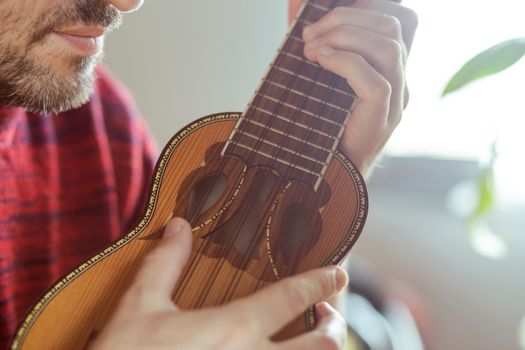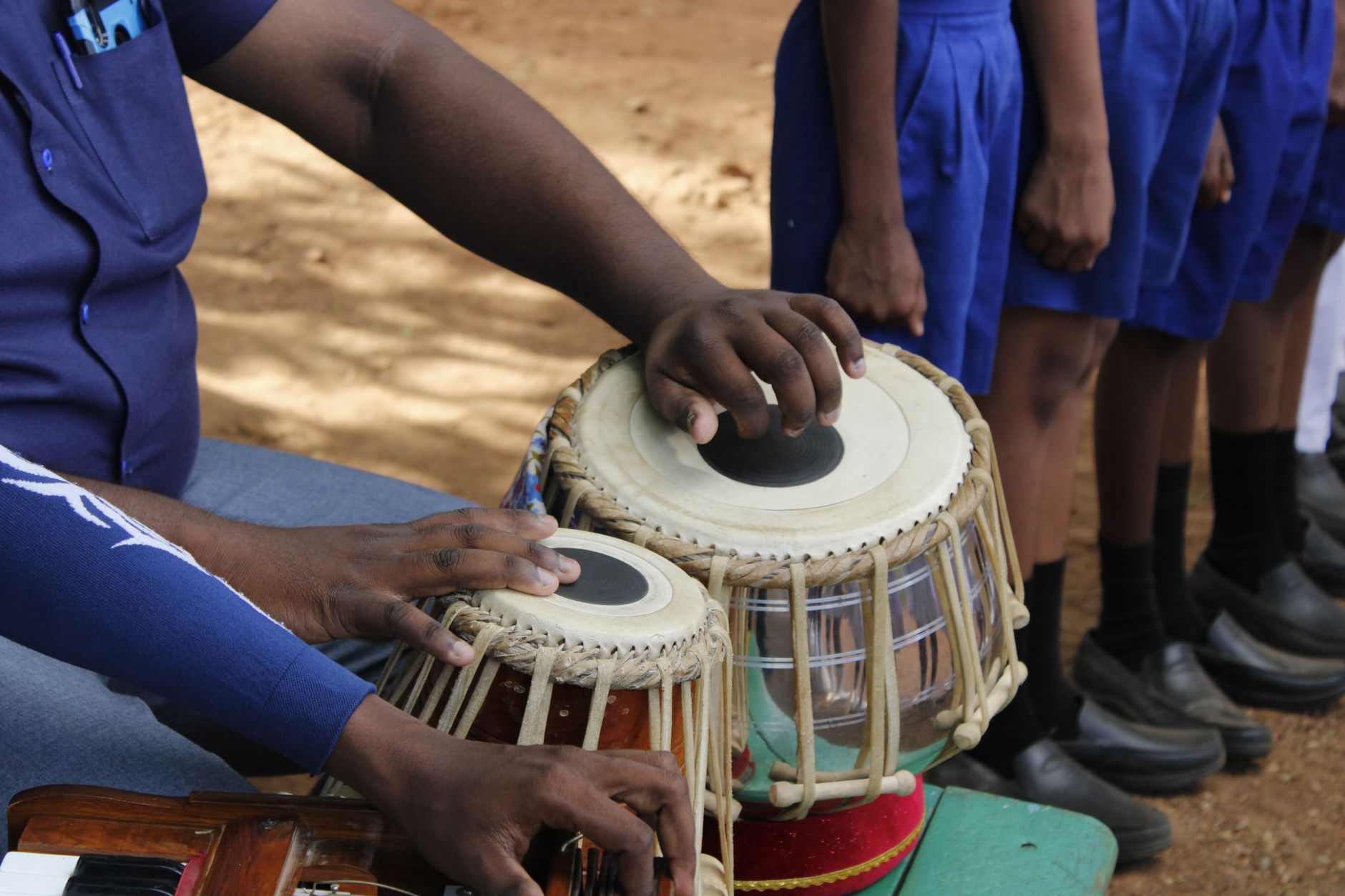
The scent of jasmine and aged wood hung heavy in the air, punctuated by the rhythmic punteado of a guitar. My fingers, clumsy and hesitant, tried to mimic the intricate flamenco melody demonstrated by Maestro Ricardo, his calloused hands moving with a lifetime of grace. It was a sun-drenched afternoon in Seville, and I wasn't just on vacation; I was on a pilgrimage of sound, immersed in a traditional music lesson that was quickly becoming the highlight of my entire Spanish adventure.
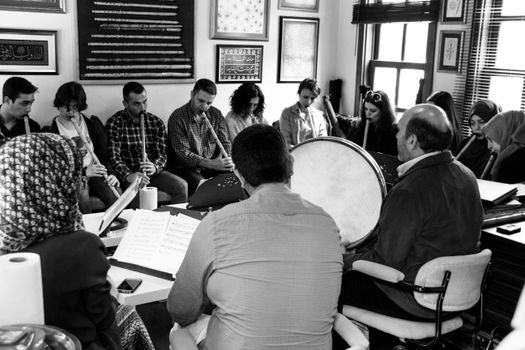
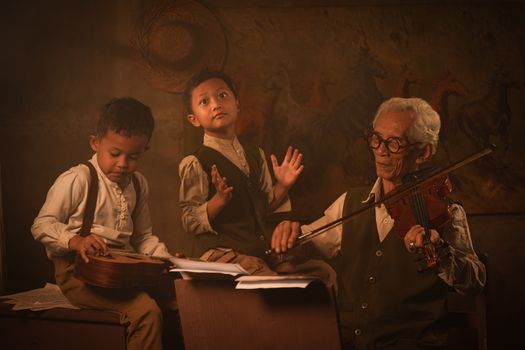
This wasn't some packaged tourist experience. This was raw, authentic, and deeply personal. And it’s a trend I’ve noticed exploding across the globe: travelers ditching generic sightseeing for the profound, soul-stirring experience of learning traditional music from a local master. Forget the endless selfies; people are craving genuine connection, a deeper understanding of a culture, and a skill to take home that resonates far beyond a fridge magnet.
The Siren Song of Authenticity: Why Traditional Music Lessons are Trending
In an increasingly digital world, there's a profound yearning for the tangible, the handcrafted, the human. Traditional music offers exactly that. It's the heartbeat of a culture, a direct link to history, storytelling, and community. Learning it isn't just about notes and scales; it's about understanding the nuances of a people, their joys, their struggles, their spirit.
Here's why this trend is captivating so many:
- Deep Cultural Immersion: You're not just observing; you're participating. You're learning the stories behind the songs, the social context of the instruments, and the etiquette of performance. It’s a fast track to understanding a place on a visceral level.
- Digital Detox & Mindfulness: Stepping away from screens and engaging in a focused, creative activity is incredibly therapeutic. The concentration required to learn an instrument forces you into the present moment, offering a true escape.
- Unique Skill Acquisition: Imagine returning home not just with photos, but with the ability to play a few tunes on a tin whistle, strum a basic flamenco rhythm, or pluck a melancholic melody on an oud. It's a conversation starter, a personal achievement, and a lifelong connection to your travels.
- Connecting with Local Masters: These aren't just teachers; they are custodians of cultural heritage. Learning from them provides insight into their lives, their passion, and their community, often leading to unexpected friendships and invitations to local gatherings.
- Unforgettable Memories: While the Eiffel Tower is iconic, the memory of fumbling through a Japanese koto piece while a revered sensei patiently guides your hand is deeply personal and far more impactful. These are the stories you'll tell for years.
Ready to trade your tourist map for a sheet of music? Let me share some incredible destinations where this trend is thriving, complete with personal anecdotes and practical tips to plan your own musical odyssey.
The Sound of Soul: Learning Flamenco Guitar in Andalusia, Spain
My flamenco journey in Seville began almost by accident. I’d been captivated by a late-night performance in a tiny tablao, the raw emotion of the cante (singing) and the fierce grace of the baile (dance) pulling me in. But it was the guitar, the toque, that truly stole my heart. I knew I had to try.
Location:
Seville, Granada, Jerez de la Frontera – the heartland of Flamenco in Andalusia, Spain.
The Experience:
I found Maestro Ricardo through a recommendation from my Airbnb host. His studio was a small, unpretentious room above a bakery, filled with the scent of fresh bread and old wood. He taught me the basics of compás (rhythm), rasgueado (strumming techniques), and the soulful falsetas (melodic variations). Ricardo spoke little English, and my Spanish was rusty, but the language of music transcended words. He’d demonstrate, I’d imitate, and he’d correct with gentle nudges and encouraging nods.
One evening, after a particularly challenging session, he invited me to a local peña (flamenco club) where he was playing. It wasn't a show for tourists, but a gathering of local musicians and aficionados. Watching him transform from patient teacher to impassioned performer, his fingers a blur of motion, was electrifying. It was a glimpse into the true soul of flamenco, a community bound by passion and tradition.
Practical Tips for Flamenco:
* Finding a Master: Look for local flamenco schools (academias de flamenco) or inquire at flamenco bars (tablaos). Websites like "Flamenco Vivo" or "Seville Flamenco" can also list schools. Word-of-mouth from locals is often the best.
* Cost: Expect to pay €30-€60 per hour for a private lesson. Group lessons are cheaper (€15-€30 per hour). Many offer packages for multiple sessions.
* Instruments: Some schools provide guitars for lessons, but if you're serious, consider renting or buying a student-grade flamenco guitar (from €200-€500). Seville has excellent guitar shops.
* Immersion: Attend as many tablaos and peñas as possible. Watch, listen, absorb. Take a dance or palmas (hand-clapping) class too for a fuller understanding of the compás.
* Accommodation: Staying in Triana or Macarena neighborhoods in Seville puts you close to many flamenco hubs.
Echoes of the East: Mastering the Koto in Kyoto, Japan
From the fiery passion of flamenco, my musical journey took a serene turn to the ancient capital of Japan, Kyoto. The koto, a 13-string zither, produces a sound that is at once delicate, ethereal, and profoundly meditative.
Location:
Kyoto, Japan – where traditional arts thrive amidst temples and tea houses.
The Experience:
I found Sensei Haruka through a cultural experience booking platform. Her studio was a minimalist haven, overlooking a moss garden, every detail exuding tranquility. We sat on tatami mats, the koto laid before us like a sacred object. Haruka-sensei, with her elegant kimono and gentle demeanor, first guided me through the ritual of bowing to the instrument, a gesture of respect before we even touched it.
Learning the koto was a lesson in patience and precision. Each pluck of the strings, using ivory picks on my fingers, required a specific angle and pressure to produce the desired tone. The traditional Japanese scales, so different from Western ones, felt alien yet beautiful. One afternoon, as I struggled with a particularly intricate passage, Haruka-sensei simply smiled and said, "The sound is not only in your fingers, but in your breath, your heart." It was a profound insight into the holistic nature of Japanese art and discipline. The quiet focus, the almost ritualistic approach, was a perfect antidote to my often-rushed Western mindset.
Practical Tips for Koto:
* Finding a Master: Look for "koto schools" (琴教室 - koto kyōshitsu) or "Japanese traditional music lessons" online. Cultural centers and hotels often have recommendations. Websites like "Japan Experience" or "Voyagin" list cultural workshops.
* Cost: Private lessons can range from ¥5,000-¥10,000 (approx. $35-$70 USD) per hour. Some introductory workshops are more affordable.
* Instruments: Koto schools typically provide instruments for lessons. Purchasing one is a significant investment (from ¥100,000 - ¥500,000+), but small koto replicas or mini-koto are available as souvenirs.
* Etiquette: Punctuality, respect for the teacher, and a quiet demeanor are essential. Remove shoes before entering the studio.
* Cultural Context: Visit temples with traditional music performances, attend a tea ceremony, and explore traditional gardens to deepen your appreciation for the aesthetic that birthed the koto.
Rhythms of the Nile: Discovering the Oud in Cairo, Egypt
My next musical adventure took me to the bustling, ancient city of Cairo, Egypt, to learn the oud – the "king of instruments" in the Middle East. Its deep, resonant sound is the backbone of much Arabic music, full of microtones and improvisational flair.
Location:
Cairo, Egypt – a vibrant hub of Arabic culture and music.
The Experience:
Navigating Cairo’s labyrinthine streets to find an oud teacher felt like an adventure in itself. I eventually connected with Ustaz Karim, a kind, elderly gentleman who taught from his small apartment in a historic district. His living room, filled with books and various instruments, became my classroom.
The oud, a fretless, pear-shaped lute, was a whole new world. Karim-Ustaz patiently introduced me to the unique scales (maqamat) and the art of improvisation. He’d play a phrase, his fingers dancing effortlessly across the strings, and then I’d attempt to replicate it, often hitting notes that sounded wildly off-key. He’d laugh, a warm, rumbling sound, and say, "The oud speaks the heart, my friend. Listen with your soul, not just your ears."
One evening, after a lesson, Karim-Ustaz insisted I join him for sha'abi (popular street music) in a local café. The air was thick with shisha smoke and animated chatter, and then, a small band struck up. The oud player’s fingers flew, weaving intricate melodies that felt both ancient and utterly contemporary. It was then that I truly understood the oud’s place in everyday Egyptian life – not just a classical instrument, but a living, breathing part of the social fabric.
Practical Tips for Oud:
* Finding a Master: This often requires more local networking. Ask at music shops, cultural centers, or through recommendations from guesthouses. Some private tutors advertise online or through local university music departments.
* Cost: Private lessons can range from EGP 200-500 (approx. $6-$16 USD) per hour, often negotiable.
* Instruments: Good student ouds can be purchased in Cairo's instrument shops, particularly around Khan el-Khalili bazaar, for EGP 2,000-5,000 ($65-$160 USD). Bargaining is expected.
* Language: Many oud teachers in Cairo will speak some English, but learning a few basic Arabic phrases will go a long way in building rapport.
* Explore: Visit the Egyptian Museum to see ancient musical instruments, attend a whirling dervish show (often accompanied by oud), and simply listen to the music emanating from cafes and shops.
Celtic Heartbeat: Fiddle and Tin Whistle in Dingle, Ireland
From the heat of Cairo, I journeyed to the windswept beauty of the Dingle Peninsula in Ireland, drawn by the infectious joy of traditional Irish music. Here, the pub isn't just a place for a pint; it's the beating heart of the community, where music flows as freely as conversation.
Location:
Dingle, County Kerry; Ennis, County Clare; Galway City – strongholds of traditional Irish music.
The Experience:
I chose Dingle for its reputation for vibrant pub sessions and stunning scenery. My goal was to get a handle on the tin whistle, a deceptively simple-looking instrument that carries immense melodic power. I found Liam, a cheerful, ruddy-faced fiddler and whistle player, teaching out of his cottage overlooking the Atlantic.
Liam's teaching style was relaxed and encouraging. He’d play a tune slowly, then break it down phrase by phrase, often without sheet music – "It's all in the ear, lad," he’d say with a wink. We’d practice reels and jigs, the melodies weaving through the cozy cottage. He taught me about "session etiquette" – how to join in, when to listen, and the unwritten rules of the trad music community.
The real magic happened each evening. Liam would invite me to join him at O'Sullivan's Pub, a small, welcoming spot where musicians would gather around a roaring fire. I’d sit at the edge, tentatively joining in on a few simpler tunes, my whistle a little shaky, but my heart full. The warmth of the community, the shared laughter, the spontaneous harmonies – it was an experience of pure, unadulterated joy. It wasn't just about playing music; it was about belonging.
Practical Tips for Irish Music:
* Finding a Master: Look for "trad music schools" or "music academies" in towns like Dingle or Ennis. Many pub musicians offer private lessons; ask around at sessions. Websites like "Traditional Arts and Culture Ireland" can be helpful.
* Cost: Private lessons are typically €30-€50 per hour. Group workshops are often available, especially during summer festivals, for less.
* Instruments: A good quality tin whistle can be bought for €10-€30. Fiddles (violins) are more expensive, but many music shops offer rentals.
* Immersion: Attend as many pub sessions (seisiúin) as possible. Don't be afraid to sit close, listen, and if you feel confident, politely ask if you can join in. Buy a round for the musicians!
* Festivals: Plan your trip around a traditional music festival (e.g., Fleadh Cheoil na hÉireann, Dingle TradFest) for an unparalleled immersion experience.
Your Journey to Musical Mastery: Practical Tips & Planning Your Trip
Inspired to embark on your own musical quest? Here’s how to make it happen:
- Choose Your Instrument & Destination Wisely: What sounds truly resonate with you? Research which instruments are deeply rooted in specific cultures. Do you crave the rhythm of Africa, the melody of Asia, or the harmony of Europe?
- Define Your Goals: Are you looking for a single introductory lesson, a week-long intensive, or something more long-term? Your commitment level will influence your planning.
- Research Teachers & Schools:
- Online Platforms: Websites like Airbnb Experiences, GetYourGuide, and local tour operators often list cultural workshops.
- Specialized Agencies: Some agencies focus specifically on music or cultural immersion travel.
- Local Tourism Boards: They often have lists of accredited schools or cultural organizations.
- Word-of-Mouth: Ask locals, especially musicians or guesthouse owners. This often leads to the most authentic experiences.
- University Music Departments: Can be a good resource for finding accomplished teachers.
- Budgeting:
- Lessons: Factor in private lesson costs (usually hourly) or workshop fees.
- Instrument: Will you rent, borrow, or buy? Consider shipping costs if you buy.
- Accommodation & Travel: Standard travel costs apply. Consider staying in smaller guesthouses or homestays for deeper local interaction.
- Performances: Allocate budget for attending local concerts, shows, or peñas.
- Language Barriers: Don't let language deter you! Music is a universal language. Many teachers in popular tourist areas will have some English. Otherwise, a basic translation app or a local friend can help. The process of learning by imitation often transcends words.
- Be Patient & Open-Minded: Learning a new instrument, especially one from a different musical tradition, takes time. Embrace the struggle, celebrate small victories, and be open to cultural differences in teaching styles.
- Pack Smart:
- Small notebook and pen: To jot down notes, scales, or teacher’s advice.
- Portable audio recorder or phone: To record snippets of your lessons (always ask permission first!) – invaluable for practice.
- Open heart and curious mind: The most important tools you’ll bring.
- Maximize Your Immersion: Don't just show up for lessons. Explore the local music scene, visit instrument makers, attend cultural events, and engage with locals. The music will make more sense within its cultural tapestry.
This trend of traditional music lessons isn't just about acquiring a skill; it's about acquiring a deeper understanding of the world, one note at a time. It’s about slowing down, connecting, and creating memories that resonate long after the final chord fades. It's about transforming a trip into a truly transformative experience.
So, what rhythm calls to your soul? What melody whispers your name? This isn't just travel; it's an invitation to become part of the song.
Which traditional instrument are you dreaming of learning? Share your musical aspirations in the comments below! And don't forget to share this post with your fellow travel and music lovers!