Ancient Wisdom, Modern Journey: Traditional Healers Trending Now!
The humid air of the Peruvian Amazon clung to me, thick with the scent of earth and unfamiliar flora. My heart hammered a rhythm against my ribs, a mixture of nerves and profound anticipation. Just hours before, I’d been navigating the chaotic streets of Lima, a world away from the tranquil, starlit clearing where a curandero, a traditional healer, prepared for a night of ceremony. I wasn’t here for a typical vacation; I was on a quest for something deeper, something that modern life, with all its conveniences, just couldn't provide. I was seeking ancient wisdom, a connection to practices that have sustained communities for millennia, now opening their doors to curious, respectful travelers like me.
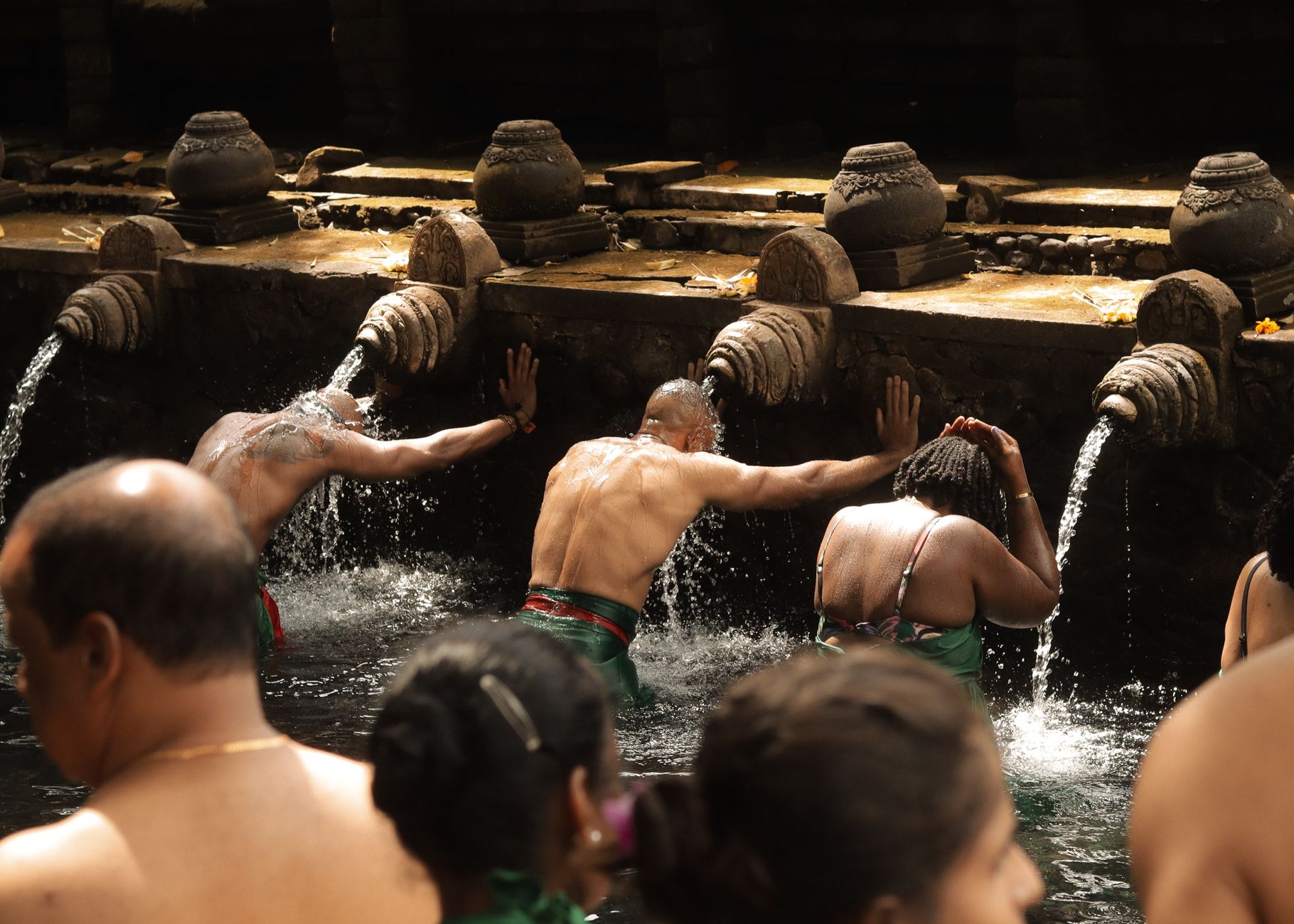
And I'm not alone. Across the globe, from the misty mountains of Peru to the sun-drenched shores of Bali, a quiet revolution is underway. Travelers are moving beyond mainstream wellness retreats, seeking out traditional healers – shamans, herbalists, bone setters, spiritual guides – who are increasingly welcoming visitors to share their profound knowledge and healing practices. This isn't just a trend; it's a yearning for authenticity, for holistic well-being, and for a deeper understanding of ourselves and the world around us. It's about reconnecting with nature, with spirit, and with the ancestral wisdom that often feels lost in our fast-paced lives.
So, if you’re ready to embark on a journey that transcends the ordinary, to experience healing that touches your soul as much as your body, then pack your bags (and an open mind!). Let's explore the incredible world of traditional healers who are trending right now, offering transformative experiences that you’ll carry with you long after your journey ends.
---
The Rising Tide of Ancestral Wisdom: Why Now?
Why are traditional healers suddenly trending? It’s a confluence of factors. In an increasingly digital and often disconnected world, many of us are experiencing a deep sense of burnout, anxiety, and a craving for genuine human connection. Modern medicine, while miraculous in many ways, often treats symptoms rather than the whole person. This has led to a growing disillusionment and a search for alternative, holistic approaches to health and well-being.
Travelers are also seeking more meaningful experiences. The days of simply ticking off landmarks are fading, replaced by a desire for cultural immersion, personal growth, and authentic encounters. Visiting a traditional healer offers all of this and more. It’s an opportunity to learn about ancient cultures, understand different worldviews, and participate in rituals that have been passed down through generations. It’s about slowing down, listening, and allowing ourselves to be guided by wisdom that predates written history.
Furthermore, the destigmatization of mental health and a broader acceptance of diverse spiritual paths have opened doors. Social media, when used responsibly, has also played a role, allowing ethical practitioners to share their offerings and connect with a global audience, fostering a sense of community around these practices. But remember, with this increased visibility comes a greater responsibility for us as visitors to engage respectfully and ethically.
---
Ethical Encounters: How to Be a Respectful Visitor
Before we dive into specific locations and practices, it’s paramount to address the ethical considerations of engaging with traditional healers. These are not tourist attractions; they are sacred practices, deeply embedded in cultural and spiritual traditions.
- Do Your Homework: Research the specific traditions and customs of the region you’re visiting. Understand the healer's role in their community and the significance of their practices.
- Seek Reputable Connections: Don't just show up unannounced. Look for recommendations from trusted sources, ethical tour operators, or community leaders. Some healers work with local organizations that facilitate respectful visitor interactions.
- Ask for Permission: Always ask permission before taking photos, recording, or participating in a ceremony. Respect their decision if they decline.
- Approach with Humility and an Open Mind: You are a guest in their sacred space. Leave preconceived notions at the door. Listen more than you speak.
- Understand the Exchange: Healing often involves energy exchange, which can include monetary payment, but also offerings, gratitude, and a commitment to respect. Discuss costs upfront and be prepared to pay a fair price, which supports the healer and their community. Avoid haggling over sacred services.
- Respect Sacred Practices: Follow all instructions given by the healer. If a ritual requires specific attire, dietary restrictions, or behavioral guidelines, adhere to them.
- Avoid Cultural Appropriation: Engage in these practices for genuine healing and learning, not merely for "experience collection" or to adopt their traditions as your own without deep understanding and respect.
- Prioritize Your Safety: Especially when engaging with plant medicines or intense spiritual ceremonies, ensure the environment is safe, the practitioners are experienced, and there's support available. Trust your intuition. If something feels off, it probably is.
---
Journeys of the Soul: Shamanic Traditions & Spiritual Cleansing
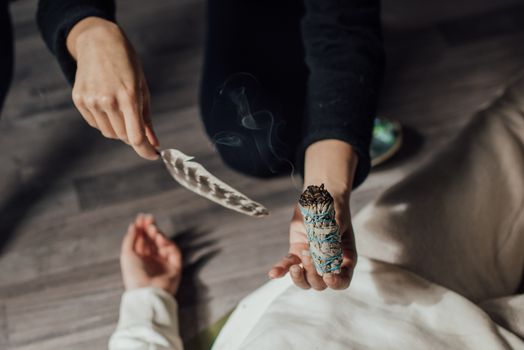
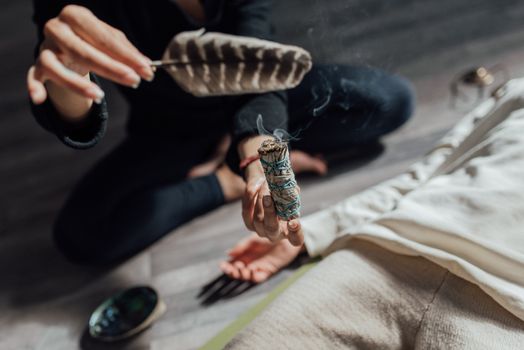
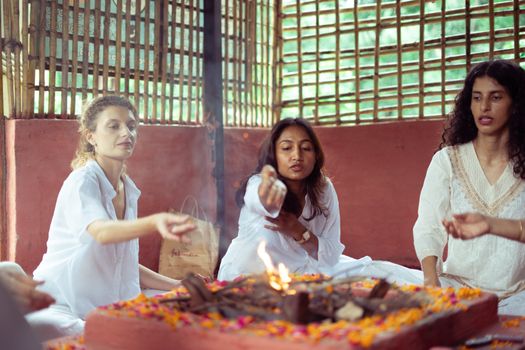
The word "shaman" often conjures images of ancient rituals and deep connection to the spirit world. And for good reason. Shamanic traditions are among the oldest healing practices, found in indigenous cultures across the globe. They focus on spiritual healing, journeying into non-ordinary reality, and working with plant medicines and spirit guides to restore balance.
Where to Go:
The Peruvian Amazon and the Andes Mountains are renowned for their powerful curanderos (healers) and shamanic traditions, including the use of plant medicines like Ayahuasca and San Pedro. In Siberia and parts of Mongolia, ancient nomadic shamanism still thrives, though access for visitors can be more challenging and requires deep local connections.
My Experience (or a Close Friend's):
My friend, Sarah, journeyed to a small village near Tarapoto in the Peruvian Amazon. She sought a curandero to help her process grief after a significant loss. She spent three days at a modest, eco-lodge run by a local family who had generational ties to the healer. Her mornings were spent in quiet contemplation, learning about medicinal plants, and preparing with a light, plant-based diet. In the evenings, she participated in small group ceremonies. The curandero, a gentle man with wise eyes, used sacred songs (icaros), tobacco smoke, and plant remedies to facilitate a profound emotional release. Sarah described it as a "spiritual detox," allowing her to confront her pain in a safe, guided space, emerging with a sense of peace and clarity she hadn't felt in years. "It wasn't a magic fix," she told me, "but it gave me the tools and the perspective to begin my own healing journey."
Practical Details:
* Finding a reputable shaman: Look for established retreat centers that work directly with indigenous communities and have a strong ethical framework. Websites like Ayahuasca.com or specific retreat centers often have reviews and detailed information. Always check multiple sources.
* Costs: A multi-day shamanic retreat (3-7 days) can range from $500 to $2,500+, depending on the length, inclusions (accommodation, food, ceremonies), and the reputation of the center. Individual cleansing or diagnostic sessions might be $100-$300.
* Preparation: This is crucial. Many traditions require specific dietary restrictions (no alcohol, caffeine, sugar, red meat, or sex) for days or weeks prior. Mental preparation, setting intentions, and journaling are also highly recommended.
* Instagram-worthy moment: A sunrise over the Amazon rainforest after a profound night, or a respectful shot of the ceremonial space (with permission), focusing on natural elements and the quietude.
---
The Earth's Pharmacy: Herbalists & Traditional Medicine
Long before pharmacies lined our streets, humanity relied on the incredible healing power of plants. Traditional herbalists, often deeply knowledgeable about local flora, continue to be vital figures in many communities, offering remedies for everything from physical ailments to emotional imbalances.
Where to Go:
Bali, Indonesia, is famous for its Balian (traditional healers) who often combine herbal remedies with massage, energy work, and spiritual guidance. Thailand boasts a rich tradition of Thai Traditional Medicine (TTM), which includes herbal compresses, remedies, and therapeutic massage. In Vietnam, traditional Đông y medicine, incorporating herbs, acupuncture, and cupping, is widely practiced.
My Personal Anecdote:
During a trip to Ubud, Bali, I felt a persistent dull ache in my shoulder and a general sense of sluggishness. My friend recommended a Balian named Wayan, who worked from a humble compound nestled amidst rice paddies. Wayan, a sprightly woman with a warm smile, didn't speak much English, but her apprentice translated. She felt my pulse, examined my tongue, and then, with surprising strength, began to massage my shoulder, using a potent-smelling herbal oil she'd prepared. She then prescribed a blend of local herbs to boil and drink daily, explaining their properties. The experience was less about a dramatic "cure" and more about restoring balance, connecting me to the island's natural rhythms. The shoulder ache subsided, and I felt a renewed sense of vitality. It was simple, authentic, and profoundly effective.
Practical Details:
* Finding a reputable herbalist/Balian: Ask locals, your guesthouse host, or look for recommendations in ethical travel guides. Many Balians operate from their homes, so a local connection is invaluable.
* Costs: A session with a Balinese Balian can range from IDR 200,000 to IDR 1,000,000 (approx. $15-$70 USD), often including herbal remedies. Thai traditional massage with herbal compresses might be THB 500-1500 (approx. $15-$45 USD).
* Preparation: Be clear about your symptoms. Be open to tasting unfamiliar herbal concoctions!
* Instagram-worthy moment: A vibrant array of fresh herbs laid out for preparation, a serene shot of a traditional massage in an open-air pavilion, or the healer's hands preparing a remedy.
---
Mind, Body, Spirit: African Traditional Healing & Divination
African traditional healing is a vast and diverse field, deeply intertwined with community, ancestry, and the spirit world. From the Sangomas of Southern Africa to the Babalawo of West Africa, these healers serve as spiritual guides, herbalists, and diviners, addressing physical, emotional, and spiritual imbalances.
Where to Go:
South Africa offers opportunities to engage with Sangomas (traditional healers and diviners), particularly through cultural centers or ethical tourism initiatives that facilitate respectful interaction. In Ghana and Nigeria, traditional priests and herbalists practice, often within specific community contexts.
A Respectful Observation:
While I haven't personally undergone a full Sangoma initiation, I had the privilege of observing a consultation at a community-run cultural village in KwaZulu-Natal, South Africa. The Sangoma, a woman adorned with traditional beads and animal skins, sat opposite a young man seeking guidance about his career path. She entered a trance-like state, throwing bones and shells onto a mat, interpreting their patterns, and then offering counsel that blended practical advice with ancestral wisdom. The atmosphere was one of deep respect and community, emphasizing the interconnectedness of all things. It was a powerful reminder that healing isn't just about medicine; it's about belonging, purpose, and spiritual alignment.
Practical Details:
* Finding a reputable healer: This often requires local connections. Look for cultural villages or community projects that explicitly welcome visitors and have established ethical guidelines for interaction with traditional healers. Avoid informal encounters that might exploit the culture.
* Costs: Consultations might range from ZAR 200-800 (approx. $10-$45 USD), often with additional costs for specific remedies or rituals. Some operate on a donation basis, but it's important to offer a fair amount.
* Preparation: Be culturally sensitive. Dress modestly. Be patient and understand that communication might require a translator.
* Instagram-worthy moment: A respectful, wide shot of a traditional healing space, focusing on the vibrant colors of traditional attire, or symbolic items (with permission). Emphasize the cultural context.
---
Beyond the Ritual: Integrating Ancient Wisdom into Modern Life
The journey with a traditional healer doesn't end when you leave their presence. The true transformation often begins afterward, as you integrate the insights and healing into your daily life.
- Reflection and Journaling: Take time to process your experience. What did you learn? How did you feel? What shifts occurred within you?
- Continue the Practices: If the healer prescribed herbal remedies, dietary changes, or specific mindfulness practices, commit to incorporating them.
- Mindfulness and Presence: Many traditional healing practices emphasize being present and connected to nature. Carry this awareness into your daily routine.
- Share Responsibly: Talk about your experiences, but do so with respect for the traditions and the healer's privacy. Avoid sensationalizing or reducing complex practices to simple "tourist experiences."
- Support Ethically: If you had a profound experience, consider how you can continue to support the healer or their community, perhaps through direct donations or by recommending them respectfully to others.
---
Your Transformative Journey Awaits
In a world constantly pushing us towards external validation and quick fixes, the trend of seeking traditional healers offers a powerful counter-narrative. It’s an invitation to slow down, to listen to the whispers of ancient wisdom, and to reconnect with the inherent healing power within ourselves and the natural world.
These experiences are not always easy, nor are they always what you expect. They can be challenging, profound, and deeply personal. But for those willing to approach them with humility, respect, and an open heart, they offer a pathway to authentic healing, cultural understanding, and a richer, more meaningful travel experience.
So, are you ready to embark on a journey that transcends the ordinary? To seek not just a destination, but a deeper connection? The traditional healers of the world are waiting, ready to share their ancient wisdom with those who seek it.
Have you had a transformative experience with a traditional healer? Share your stories and insights in the comments below! And don't forget to share this post with your fellow mindful travelers – let's inspire more ethical and enriching journeys!
---