The Hook: A Symphony of Scent and Serenity
I stepped off the train in Kyoto, and it wasn't the neon glow of modern Japan that hit me first. It was the smell. A complex, earthy aroma, a blend of dried herbs, simmering broths, and something subtly floral, wafted from the narrow alleyways. It was a scent that spoke of generations, of remedies passed down, of a profound connection to nature's pharmacy. This wasn't just a tourist town; it was a living testament to the enduring power of traditional medicine, a place where ancient wisdom is not just remembered, but actively woven into the fabric of daily life. And it's a phenomenon I’ve discovered is far more widespread than you might imagine.
Beyond the Buzzwords: Defining Mainstream Traditional Medicine
Let's be clear: when I talk about "mainstream," I'm not referring to a few niche herbal shops. I mean countries where traditional healing systems are integrated into public healthcare, widely accessible to the general population, and often supported by government policies and research initiatives. This includes practices like Traditional Chinese Medicine (TCM), Ayurveda, Unani, indigenous healing modalities, and widespread use of medicinal plants recognized by national pharmacopoeias. Recent data shows a significant global resurgence and official recognition of these practices, shifting them from the fringe to the forefront of wellness.
1. China: The Dragon's Breath of Ancient Healing
China is arguably the undisputed heavyweight champion of mainstream traditional medicine. TCM isn't just a historical footnote; it's a robust, multi-billion dollar industry deeply embedded in the healthcare system. From acupuncture clinics on every corner to herbal pharmacies that resemble bustling markets, the integration is profound.
- Acupuncture & Moxibustion: These aren't just for pain relief; they're used for everything from fertility to stress management. You'll find licensed acupuncturists working alongside Western doctors in hospitals.
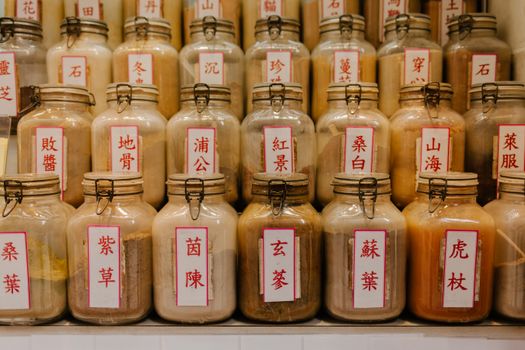
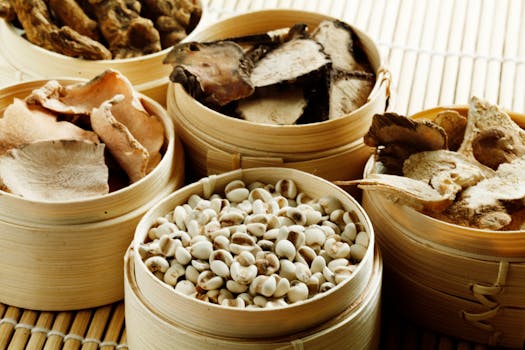
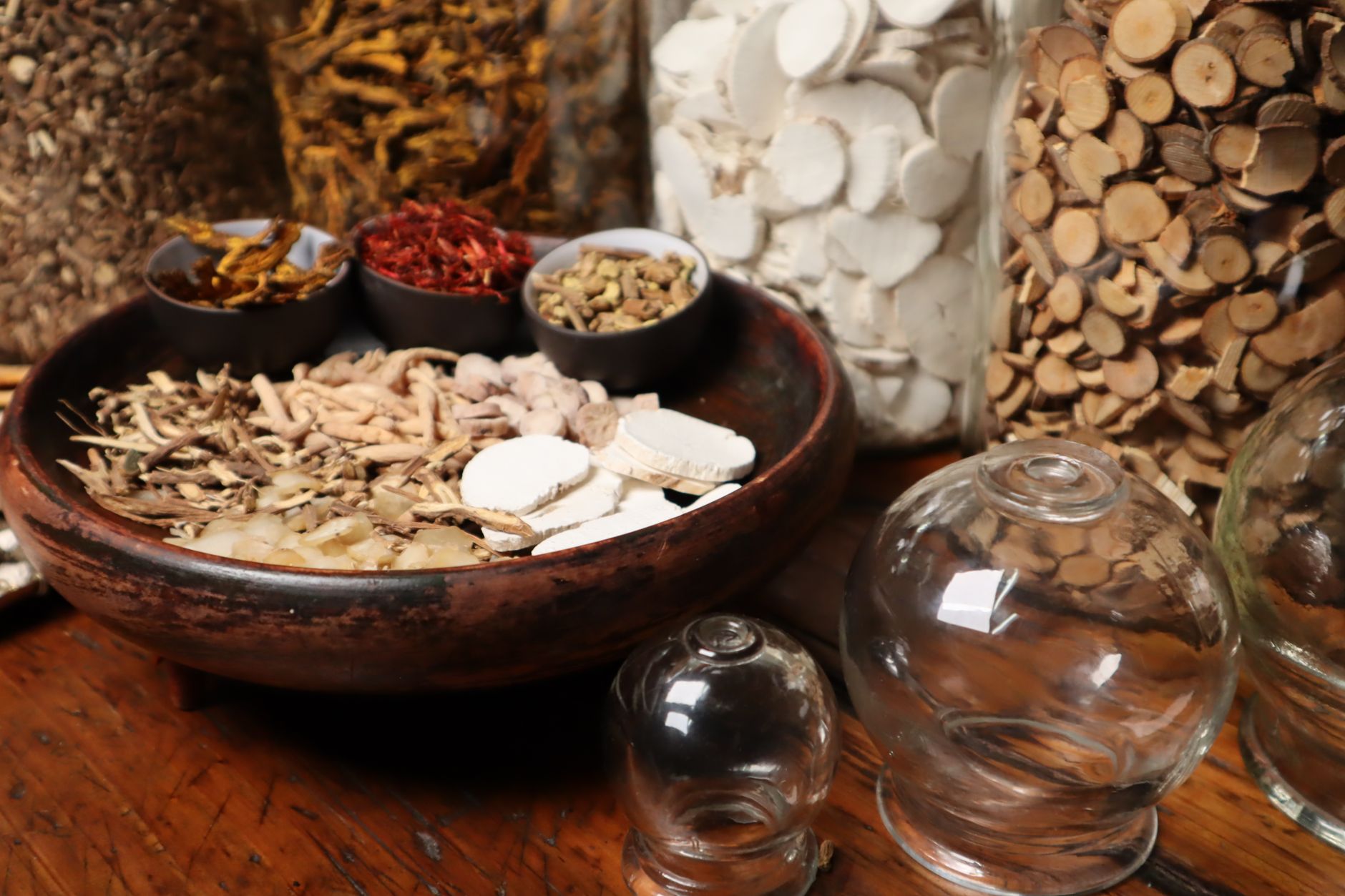
- Herbal Medicine: The sheer variety of herbs used is staggering. Think ginseng for energy, goji berries for eye health, and complex decoctions prescribed by licensed herbalists based on individual diagnoses.
- Tui Na: A form of therapeutic massage that works on the body's meridians, often used for musculoskeletal issues and general well-being.
Pro-Tip:
Don't be intimidated by the complex herbal prescriptions. Reputable TCM clinics will have bilingual practitioners, and the results are often remarkable. Visit a local TCM hospital for a truly immersive experience.
Quick Facts: China (TCM Focus)
| Category | Details |
| :-------------- | :--------------------------------------------- |
| Estimated Cost | $30-$100 per consultation/treatment |
| Best Time to Visit | Spring (March-May) or Autumn (September-November) |
| How to Get There | Major international airports (Beijing, Shanghai, Guangzhou). High-speed rail network. |
2. India: The Cradle of Ayurveda and Unani
India is synonymous with ancient healing traditions, primarily Ayurveda, but also Unani and Siddha medicine. These systems are not just culturally significant; they are actively practiced, researched, and increasingly integrated into national health policies.
- Ayurveda: This ancient Indian system of medicine focuses on balancing the body, mind, and spirit through diet, lifestyle, herbs, and purification therapies (Panchakarma). You'll find everything from luxury Ayurvedic resorts to local practitioners offering personalized treatments.
- Unani Medicine: Originating from ancient Greece and refined in the Islamic world, Unani medicine is also widely practiced in India, emphasizing humoral pathology and natural remedies.
- Herbal Pharmacies: Similar to China, India boasts an incredible array of herbal pharmacies. Look for well-established brands like Dabur and Himalaya for trusted products.
Pro-Tip:
For authentic Ayurvedic experiences, consider visiting Kerala, often referred to as the "home of Ayurveda." Book your Panchakarma retreat well in advance.
Quick Facts: India (Ayurveda Focus)
| Category | Details |
| :-------------- | :--------------------------------------------- |
| Estimated Cost | $20-$150 per consultation/treatment (varies greatly) |
| Best Time to Visit | October to March (cooler, drier months) |
| How to Get There | Major international airports (Delhi, Mumbai, Chennai). Extensive rail network. |
3. South Korea: The Power of Hanbang
South Korea has embraced its traditional medicine, known as "Hanbang," with incredible vigor. It's seamlessly integrated into modern life, with Hanbang clinics and herbal products readily available and often covered by national health insurance.
- Herbal Medicine: Korean herbalists are highly trained, diagnosing imbalances and prescribing custom herbal formulas. These are often brewed into potent teas.
- Acupuncture & Moxibustion: Similar to TCM, these are commonplace for a wide range of ailments.
- Traditional Korean Medicine Hospitals: These are often state-of-the-art facilities offering a holistic approach, blending ancient techniques with modern diagnostics.
Insider Lingo:
You'll hear about "Sasang" constitutional medicine, a unique Korean approach that categorizes individuals into four body types, tailoring treatments accordingly.
Pro-Tip:
Visit a large Hanbang pharmacy in Seoul, like those around Gyeongbokgung Palace, to see the incredible variety of dried herbs and ready-made remedies.
Quick Facts: South Korea (Hanbang Focus)
| Category | Details |
| :-------------- | :--------------------------------------------- |
| Estimated Cost | $40-$120 per consultation/treatment |
| Best Time to Visit | Spring (April-May) or Autumn (September-October) |
| How to Get There | Major international airports (Incheon). Efficient subway and bus systems. |
4. Vietnam: A Rich Tapestry of Herbal Wisdom
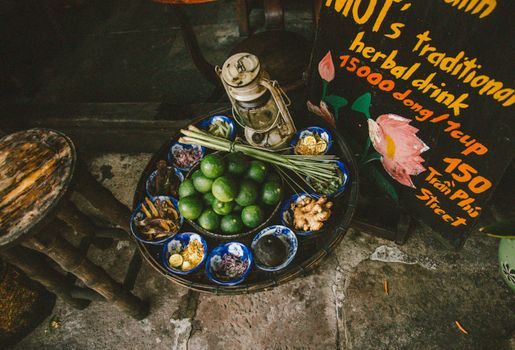
Vietnam boasts a rich history of traditional medicine, deeply influenced by Chinese practices but with its own unique regional variations. Herbal medicine is widely used, and traditional healers remain a vital part of the healthcare landscape, especially in rural areas.
- Herbal Remedies: Vietnamese cuisine itself is often considered medicinal, with many dishes incorporating herbs for their healing properties. Beyond the kitchen, specialized herbalists provide treatments for a myriad of conditions.
- Acupuncture & Cupping: These are common practices, often sought for pain relief and detoxification.
- Traditional Healing Centers: While less institutionalized than in China or Korea, you can find traditional healing centers and experienced practitioners, particularly in cities like Hanoi and Ho Chi Minh City.
Pro-Tip:
Explore the local markets; they are treasure troves of fresh and dried medicinal herbs. Don't hesitate to ask locals for recommendations for reputable herbalists.
Quick Facts: Vietnam (Traditional Medicine Focus)
| Category | Details |
| :-------------- | :--------------------------------------------- |
| Estimated Cost | $10-$50 per consultation/treatment |
| Best Time to Visit | Varies by region, but generally Spring (February-April) and Autumn (September-November) are pleasant. |
| How to Get There | Major international airports (Hanoi, Ho Chi Minh City). Domestic flights and buses. |
5. Japan: Kampo Medicine's Subtle Strength
While Japan is known for its cutting-edge technology, its traditional medicine, Kampo, holds a significant place. Kampo medicine is a system of traditional Japanese medicine derived from Chinese medicine. It's recognized and partially reimbursed by Japanese health insurance.
- Kampo Formulas: These are complex herbal prescriptions, often in granular or powder form, tailored to individual constitutions and conditions.
- Acupuncture & Moxibustion: Still widely practiced and respected for their therapeutic benefits.
- Integration with Modern Medicine: Kampo practitioners often work in conjunction with Western medical doctors, offering a complementary approach.
Authenticity Check:
Look for "Kampo" designated pharmacies or clinics. The packaging and presentation of Kampo medicines are often refined and elegant, reflecting Japanese aesthetics.
Pro-Tip:
If you’re visiting a clinic, be prepared for a thorough consultation that delves into your lifestyle, diet, and emotional state, not just physical symptoms.
Quick Facts: Japan (Kampo Focus)
| Category | Details |
| :-------------- | :--------------------------------------------- |
| Estimated Cost | $50-$150 per consultation/treatment (insurance may cover part) |
| Best Time to Visit | Spring (March-May) or Autumn (September-November) |
| How to Get There | Major international airports (Tokyo, Osaka). Excellent Shinkansen (bullet train) network. |
6. Mongolia: Shamanism and the Soul of Healing
Mongolia offers a profoundly different, yet equally powerful, experience of traditional medicine rooted in shamanism and animism. While not as institutionalized as TCM or Ayurveda, the connection to nature, spirits, and ancestral wisdom is deeply ingrained in the culture.
- Shamanic Healing: Shamans act as intermediaries between the human and spirit worlds, using rituals, drumming, and herbal concoctions to diagnose and heal illness. This is a deeply spiritual and often transformative experience.
- Herbalism: Traditional Mongolian medicine relies heavily on the vast array of medicinal plants found on the steppes, used for a wide range of ailments.
- Holistic Approach: Illness is often viewed as an imbalance not just of the body, but of the spirit and the environment.
Pro-Tip:
Seek out reputable cultural tours or local guides who can facilitate respectful introductions to traditional healers. Authenticity is paramount here; be wary of tourist traps.
Quick Facts: Mongolia (Shamanic Focus)
| Category | Details |
| :-------------- | :--------------------------------------------- |
| Estimated Cost | $50-$200+ for a shamanic healing session (highly variable) |
| Best Time to Visit | Summer (June-August) for pleasant weather. |
| How to Get There | International airport in Ulaanbaatar. Internal flights and rugged road travel. |
The Future is Ancient: Why This Matters for Travelers
These countries aren't just offering a glimpse into the past; they are demonstrating a forward-thinking approach to health and well-being. As global healthcare systems grapple with chronic diseases, antibiotic resistance, and the desire for more personalized care, traditional medicine offers time-tested, holistic solutions. For travelers, this means access to deeply authentic wellness experiences that go far beyond a spa day. It’s an opportunity to connect with ancient wisdom, nurture your body and spirit, and return home feeling profoundly revitalized.