Sustainable travel gear is often marketed with terms such as eco-friendly, green and planet-conscious, but these labels say little about how an item will perform over time. A more useful approach is to focus on durability, repairability, the materials used and how well the item suits your trip. Gear that lasts through many journeys usually has a lower overall impact than cheap items that are replaced frequently. This guide explains what to look for in luggage, clothing and accessories, how to evaluate sustainability claims and how to pack in a way that reduces waste.
Start with durability and repairability
The most sustainable item is often the one you already own. Before buying new gear, check whether existing luggage, clothing and accessories can be repaired or adapted. Look for zippers, stitching and frames that are designed for long use. Brands that offer replacement parts, repair services or clear warranty terms make it easier to keep items in circulation. Read reviews that mention how items wear over time, since first impressions can be misleading.
Consider the weight and fit of the item as well. A pack that is too heavy or uncomfortable may be used less, and gear that goes unused does not deliver its intended value.
Evaluating materials and sustainability claims
Materials matter, but their impact depends on how they are produced, used and disposed of. Natural fibers such as wool and cotton have different environmental profiles, and recycled synthetics can reduce reliance on virgin materials while still shedding microfibers when washed. There is no single best option. Look for clear information about material sources, certifications and production standards. Be cautious with broad claims such as eco-friendly without supporting detail. Independent certifications can be useful, but check what they cover and how they are verified.
Durability is often more important than material type alone. A well-made garment in a standard fiber may outlast a cheap item made from a supposedly green material.
Choosing core items for a low-impact kit
A compact set of versatile items usually works best. For luggage, a carry-on size backpack or bag can reduce checked baggage and the need for extra items. Choose a bag with reinforced stress points, secure closures and comfortable straps if you will carry it often. For clothing, layers in neutral colors that mix easily reduce the number of pieces you need. Quick-drying fabrics can cut laundry needs, and fabrics that resist odor can extend wear between washes.
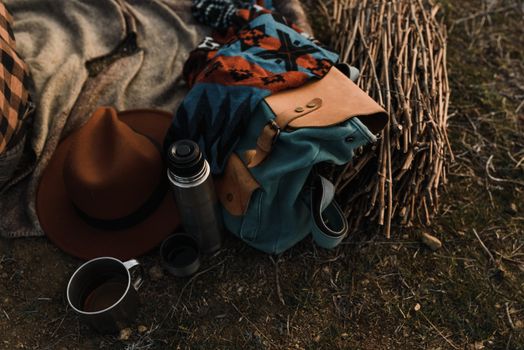
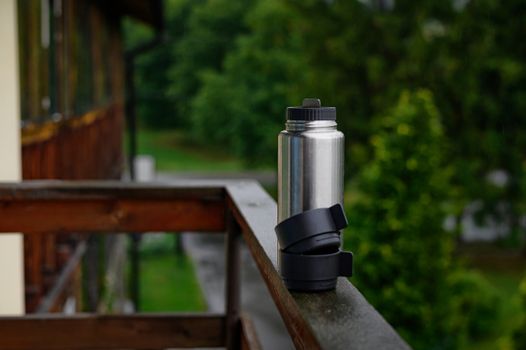
Bring reusable items to avoid single-use waste. A refillable water bottle, a reusable cutlery set, a cloth bag and a small set of containers are common examples. Check whether your destination has safe drinking water and refill options before you depend on a bottle.
Packing to reduce waste and damage
Efficient packing reduces the number of items you need and makes your luggage easier to manage. Plan outfits around a limited color palette, and roll or fold garments to save space. Use packing cubes or small pouches to keep items organized, which also helps you avoid buying duplicates. Choose travel-size toiletries that can be refilled or replaced with solid or concentrated products where appropriate, and check airline and destination rules on liquids.
Consider the end of a trip as well. Pack a small bag for items you may acquire, such as souvenirs, and plan how you will carry them home without relying on disposable packaging.
Caring for your gear on the road
Looking after gear extends its life. Clean items according to their care labels, dry them thoroughly to prevent mildew and store them away from heat and moisture. Repair small tears or loose seams promptly, since they tend to worsen with use. Carry a basic repair kit with needle, thread and patches, and learn a few simple techniques before you leave home. When an item reaches the end of its useful life, check whether the manufacturer, a local repair shop or a recycling scheme can take it back.
Practical tips
Choose gear that fits your typical trips and can be repaired by someone you can reach. Check warranty and repair policies before buying. Look for clear material information and avoid unsupported claims. Pack a reusable water bottle, bag and utensil set. Test new items before a long trip to ensure comfort. Store items clean and dry, and keep a small repair kit. Consider buying secondhand or refurbished items from reputable sellers where suitable.
Common mistakes to avoid
Many buyers choose gear by brand image or a single eye-catching feature, then discover that the item is uncomfortable or hard to fit into a bag. Another mistake is buying for an imagined trip rather than your usual travel, so items sit unused. Some people assume a product labelled eco-friendly will last longer, even when the construction and warranty tell a different story. Overpacking is also common, since extra pieces add weight and create more to wash, store and eventually replace. Travelers sometimes forget to check airline baggage size and weight limits, leading to last-minute purchases of disposable bags or cases. Finally, buying accessories for every possible scenario adds clutter without adding much function. Each of these habits adds cost and waste over time, even when the intention is good.
A simple checklist before buying
Run through these questions before you buy:
- Would you use this item on several different trips, not just one?
- Can you test its fit, weight and comfort before the journey?
- Are the materials and manufacturing details clear enough to judge?
- Does it meet the size and weight limits of the flights you expect to take?
- Do you already own something that performs the same job?
- Is any electronic accessory suitable for the battery rules that apply to your route?
Frequently asked questions
Is secondhand gear worth considering?
Often, provided the item is in good condition and comes from a reputable seller with a clear return policy. Buying used can also reduce demand for new production.
Do natural materials always beat synthetics?
Not necessarily. Each material has trade-offs in care, durability and end of life, so judge the specific product rather than the fibre alone.
How many bags do you really need?
Many travelers manage with one main bag and a small daypack, though needs vary with the length of the trip, the climate and the activities you plan.
Sustainable travel gear is less about buying the newest product and more about choosing durable, repairable items you will use for years. A thoughtful kit and efficient packing can reduce waste and make your journeys easier.