Future-Proof Your Pack: Sustainable Gear That Performs Better in September 2025
The monsoon rains lashed down, turning the ancient trails of Vietnam's Ha Giang Loop into a muddy, treacherous river. My cheap, "water-resistant" backpack, bought in a rush, quickly became a sponge, soaking everything inside – including my passport and a small, precious notebook filled with my travel dreams. That day, shivering and soaked to the bone, I vowed never again to compromise on my gear. But more than that, I realized my choices weren't just about my comfort; they were about something bigger.
Fast forward to today, and the world of travel gear has transformed. We’re not just looking for durable; we’re demanding sustainable. We want gear that performs under pressure, looks good on the gram, and doesn’t leave a monstrous carbon footprint. And let me tell you, by September 2025, this isn't just a niche market – it's the gold standard.
Why September 2025, you ask? It's a sweet spot. The peak summer rush is over, but the crisp air of autumn hasn’t fully settled everywhere. You might be chasing the last rays of summer in the Mediterranean, embracing the autumnal hues of New England, or trekking through the shoulder season in Patagonia. This month demands versatility, resilience, and smart packing. And with the rapid advancements in eco-friendly materials and ethical manufacturing, September 2025 is the perfect moment to elevate your travel game with gear that performs better in every sense of the word.
Let’s dive into the future, one conscious choice at a time.
The Core: Backpacks & Luggage That Last (and Give Back)
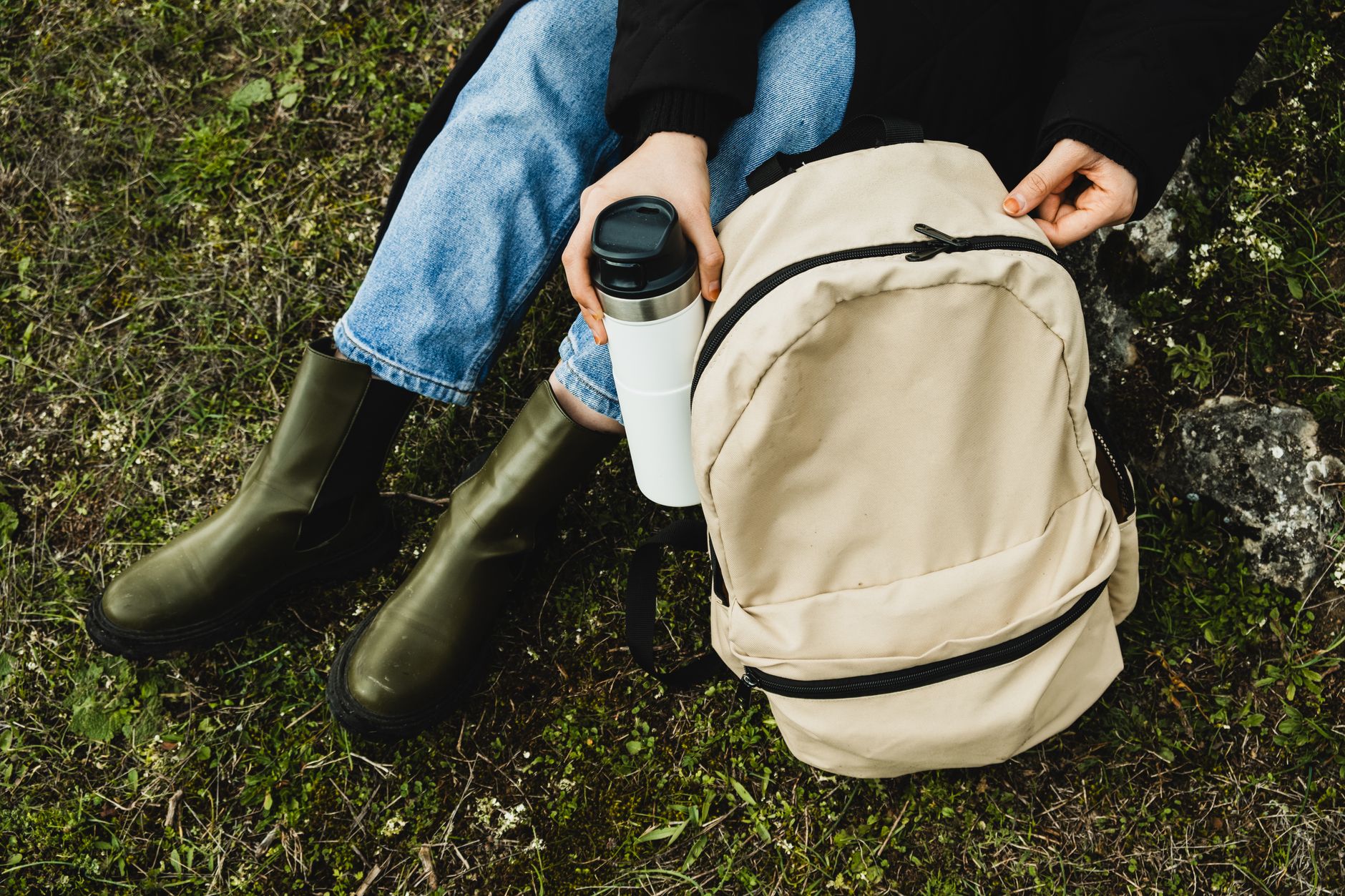
Your backpack isn't just a bag; it's your mobile home, your trusty companion. By September 2025, the expectation isn't just that it holds your stuff, but that it’s built to endure, repair, and ultimately, minimize its impact.
I remember my first "proper" travel backpack, a hand-me-down that saw me through countless budget flights and hostel dorms. It was functional, but hardly inspiring. Now, imagine a pack so robust, so thoughtfully designed, that it feels like an extension of you.
What to look for by September 2025:
- Recycled & Upcycled Fabrics: Brands are pushing the boundaries, using high-performance nylon and polyester made from post-consumer waste (think old fishing nets and plastic bottles). These aren't just eco-friendly; they're often lighter, stronger, and more water-resistant than their virgin counterparts. Companies like Osprey and Patagonia are leading the charge, offering packs like the Osprey Archeon series (around $250-$350, depending on size) or Patagonia's Black Hole Duffels (from $130) made with 100% recycled body fabric.
- Modular & Repairable Design: The future is about longevity. Look for packs with easily replaceable buckles, zippers, and straps. Brands are increasingly offering repair services or providing spare parts, fostering a "buy once, repair often" mentality. Cotopaxi's Allpa Travel Packs (starting around $170) are not only made from repurposed materials, but their commitment to durability means less waste in the long run.
- Ethical Manufacturing & Fair Labor: Transparency is key. By 2025, brands with clear supply chains and fair labor practices will be the norm. Check for certifications like Fair Trade or B Corp status.
My Anecdote:
Last year, while island hopping in the Philippines, my old backpack’s main zipper finally gave up the ghost. Luckily, I had upgraded to an Osprey pack with a lifetime guarantee. A quick email, and a new zipper was on its way to a friend’s address. That's the peace of mind sustainable, high-quality gear provides – no more frantic searches for a seamstress in a remote village!
Actionable Tip:
Before buying, research a brand’s environmental and social impact report. Many now publish these proudly. Think of your backpack as a long-term investment, not a disposable item.
Smart Layers: Apparel for Every September Climate
September weather is famously fickle. One day you’re basking in unexpected sunshine, the next you’re caught in a brisk wind or a sudden downpour. Your clothing needs to be adaptable, lightweight, and perform without constant washing.
My early travel days were filled with cotton t-shirts that took ages to dry and smelled questionable after a day’s hike. I learned the hard way that smart layering isn't just about comfort; it's about efficiency and sustainability.
What to look for by September 2025:
- Merino Wool Magic: This natural fiber is a game-changer. It’s temperature-regulating (cools you down, warms you up), odor-resistant (you can wear it for days without washing!), and incredibly soft. Brands like Icebreaker and Smartwool offer everything from base layers to mid-layers (T-shirts range from $80-$120), perfect for a September trek in the Dolomites or exploring the Scottish Highlands.
- Recycled Synthetics with Advanced Tech: For waterproof shells and durable outer layers, recycled polyester and nylon are king. Look for treatments that use PFC-free DWR (Durable Water Repellent) finishes, reducing harmful chemicals. Patagonia’s Torrentshell 3L Rain Jacket (around $180) is a prime example, made with recycled nylon and a PFC-free DWR.
- Versatile & Multi-functional Pieces: Think convertible pants, shirts with roll-up sleeves, or dresses that can be dressed up or down. Fewer items mean a lighter pack and less impact.
My Anecdote:
Exploring the ancient ruins of Machu Picchu last September, the weather swung from misty cloud forest to brilliant sunshine within hours. My merino base layer kept me comfortable, and my lightweight, recycled shell shrugged off the unexpected drizzle. I felt prepared, not just for the elements, but for the planet. Plus, packing light meant I avoided extra luggage fees and moved through busy airports with ease!
Actionable Tip:
Create a modular wardrobe. Every item should ideally pair with at least three others and serve multiple purposes. Invest in quality merino wool – it’s worth every penny for its performance and longevity.
Hydration & Sustenance: Zero-Waste on the Go
Single-use plastics are a scourge on our planet, and nowhere is this more evident than in travel. By September 2025, being a responsible traveler means actively rejecting them.
I used to buy bottled water without a second thought. Then I saw the mountains of plastic waste on a beach in Thailand, and it hit me. My small choices had a ripple effect.
What to look for by September 2025:
- Advanced Water Filtration Bottles: Beyond basic reusable bottles, innovations in filtration are making tap water safe almost anywhere. The Grayl GeoPress Purifier Bottle (around $90) can filter viruses, bacteria, and protozoa, making questionable water sources potable. Lifestraw Go Water Filter Bottles (around $40) are also excellent for everyday use.
- Collapsible Cups & Containers: Silicone collapsible coffee cups (like Stojo, around $15) and food containers are perfect for taking leftovers, packing snacks, or getting a takeaway coffee without the guilt.
- Reusable Cutlery & Straws: A small kit with a bamboo or stainless steel fork, spoon, knife, and straw takes up minimal space and dramatically reduces waste.
My Anecdote:
On a recent road trip through the American Southwest, I calculated that my Grayl bottle saved me from buying at least 30 plastic water bottles. Not only did I save money, but I felt a real sense of accomplishment knowing I wasn't contributing to the plastic crisis in those pristine national parks. It felt good, and it was genuinely more convenient than constantly hunting for new bottles.
Actionable Tip:
Pack your reusable water bottle and collapsible cup first. Make it a habit to ask for refills or use your own cup at cafes. Many airports now have water refill stations, making it easier than ever.
Tech & Power: Eco-Conscious Connectivity
In September 2025, staying connected doesn’t have to mean a heavy environmental footprint. From charging your devices to navigating, technology can be both smart and sustainable.
I once found myself stranded in a remote part of Iceland with a dead phone and no way to charge it. That's when I truly appreciated reliable, off-grid power solutions.
What to look for by September 2025:
- Portable Solar Chargers: These have come a long way. Compact, efficient solar panels like those from Goal Zero or Anker (panels from $50, power banks from $30) can keep your phone, camera, and other small devices charged, especially if you're camping or hiking off the grid.
- Power Banks from Recycled Materials: Look for power banks that utilize recycled plastics in their casing and prioritize energy efficiency.
- Durable, Repairable Electronics: Choose devices known for their longevity and repairability. The longer your phone or camera lasts, the less waste generated.
- Digital-First Approach: Minimize paper waste. Use e-tickets, digital maps (like Maps.me for offline use), and e-books.
My Anecdote:
Camping under the vast, star-studded sky in the Australian outback, my small solar panel diligently charged my phone throughout the day. Not only was it incredibly satisfying to harness the sun's energy, but it meant I could capture breathtaking photos and stay safe without worrying about finding an outlet for days. It was true freedom.
Actionable Tip:
Before you leave, download all necessary maps, tickets, and documents to your device to minimize printing. When choosing a power bank, opt for one with smart charging features to prevent overcharging and extend battery life.
Personal Care & Wellness: Green & Clean
Our personal care routines can be surprisingly wasteful. By September 2025, the market for eco-friendly toiletries and wellness products will be booming, offering luxurious alternatives that are good for you and the planet.
My early packing lists included multiple plastic bottles of shampoo, conditioner, and body wash – a recipe for leaks and unnecessary waste. Now, my toiletry bag is minimalist and green.
What to look for by September 2025:
- Solid Toiletries: Shampoo, conditioner, and body wash bars are compact, leak-proof, and last much longer than their liquid counterparts. Brands like Ethique and Lush offer a wide range (bars typically $10-$20).
- Reef-Safe Sunscreen: If you're heading to coastal areas or anywhere near water, choose mineral-based sunscreens (zinc oxide, titanium dioxide) that are free from oxybenzone and octinoxate, which harm coral reefs. Brands like Thinksport and Blue Lizard are excellent choices (around $15-$25).
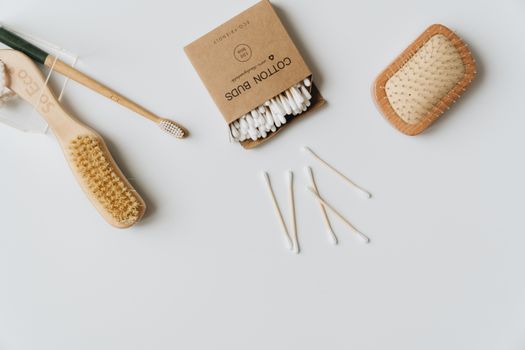
- Bamboo Toothbrushes & Reusable Cotton Pads: Small switches, big impact. These are readily available and affordable.
- Plastic-Free Menstrual Products: Consider menstrual cups or reusable pads for a zero-waste period on the go.
My Anecdote:
On a diving trip to the Great Barrier Reef, I was so glad I’d packed my reef-safe sunscreen. Not only did it protect my skin, but I felt good knowing I wasn't contributing to the bleaching of those precious corals. And my shampoo bar? It lasted my entire two-week trip, smelled amazing, and took up a fraction of the space of a plastic bottle. Win-win-win!
Actionable Tip:
Before you travel, decant any remaining liquids into small, reusable silicone travel bottles. Better yet, make the switch to solid toiletries entirely!
Beyond the Gear: Mindset & Maintenance
Sustainable travel isn't just about the products you buy; it's a philosophy, a way of living and moving through the world. By September 2025, this mindset will be integral to the modern traveler.
1. Embrace the "Repair, Don't Replace" Mentality:
Learn basic mending skills or seek out local repair shops. Many outdoor brands offer repair services. A well-maintained item lasts longer, saving resources and money. My old hiking boots, after a resole and some TLC, are still going strong, carrying stories of countless trails.
2. Rent When Possible:
For specialized gear you might only use once (e.g., specific climbing equipment, a wetsuit), consider renting from local outfitters. This supports local businesses and reduces your consumption. Exploring the fjords of Norway last September, I rented a kayak, which was far more practical and sustainable than buying one.
3. Pack Light, Travel Far:
The lighter your pack, the less fuel consumed during transport. Every gram counts! This also makes for a much more enjoyable travel experience – no more struggling with oversized luggage through cobblestone streets.
4. Research & Support Ethical Businesses:
From your accommodation to your tour operators, choose businesses that prioritize sustainability. Look for eco-certifications, community involvement, and transparent practices.
5. Leave No Trace:
This fundamental principle of outdoor ethics applies everywhere. Pack out everything you pack in, respect wildlife, and minimize your impact on the environment and local communities.
Conclusion: Your Journey, Reimagined for September 2025
The world is changing, and so is the way we travel. By September 2025, sustainable travel gear isn't just an option; it's an imperative for the conscious adventurer. It’s gear that’s been thoughtfully designed, ethically produced, and built to perform not just for one trip, but for a lifetime of adventures.
Imagine trekking through the vibrant autumn forests of Hokkaido, Japan, with a recycled backpack that feels weightless, your merino layers keeping you perfectly comfortable, and your solar charger silently powering your camera. You're not just exploring; you're doing so with integrity, leaving only footprints and taking only memories.
This isn't about sacrificing performance for principles. It's about recognizing that true performance includes sustainability. It's about investing in gear that tells a story of innovation, responsibility, and a deep respect for our planet.
So, as you dream of your next adventure in September 2025, start reimagining your packing list. Choose gear that performs better for you, and better for the world. Your future self, and our beautiful planet, will thank you.
What sustainable gear are you eyeing for your next trip? Share your top picks and eco-friendly travel tips in the comments below! Let's inspire each other to travel smarter, greener, and with greater purpose.
---