The Unexpected Upgrade: How Sustainable Travel Gear Became My Secret Weapon for Unforgettable Journeys
I remember standing on a dusty road in rural Laos, the sun beating down, clutching the broken strap of my "budget-friendly" backpack. My clothes were damp, my morale was low, and I was utterly fed up. It was that moment – sweat dripping, frustration mounting, miles from the nearest repair shop – that sparked a revelation. My quest for cheap gear had consistently let me down, forcing me to buy replacements, contributing to waste, and frankly, making my travels harder, not easier.
That day, I vowed to change. I started researching, not just for durable gear, but for sustainable gear. I initially thought I’d be sacrificing performance for principles. Oh, how wrong I was. What I discovered was a world where ethical manufacturing, recycled materials, and thoughtful design didn't just meet industry standards – they often exceeded them. This wasn't about being "green" for green's sake; it was about investing in gear that was meticulously crafted, built to last, and designed to perform under pressure. My entire approach to travel, packing, and even my philosophy on consumption changed forever.
This isn't just a list of products; it's a testament to how choosing wisely can elevate every aspect of your journey. Prepare to meet the game-changers – the sustainable travel gear that not only performs better but has literally changed my life on the road.
The Mindset Shift: From Disposable to Durable (and Why It Matters)
Before I even get to the gear, let's talk about the paradigm shift. For years, like many travelers, I approached packing with a "buy cheap, replace often" mentality. It felt like a smart way to save money upfront. The reality? It cost me more in the long run – not just financially, but in terms of stress, inconvenience, and environmental impact.
My broken backpack in Laos was just one incident. There was the "quick-dry" shirt that stayed perpetually damp in the humid Amazon, the cheap water bottle that leaked all over my electronics, and the flimsy shoes that fell apart on a simple hike in the Dolomites. Each failure was a lesson.
The switch to sustainable gear forced me to think differently. It wasn't just about avoiding plastic; it was about embracing longevity, repairability, and conscious consumption. When you invest in a sustainably made item, you're often investing in:
* Superior Materials: Recycled nylons, organic cottons, merino wools, and innovative plant-based fabrics are often chosen for their inherent durability, performance, and reduced environmental footprint.
* Ethical Manufacturing: Brands committed to sustainability often prioritize fair labor practices, safe working conditions, and reduced waste in their production processes.
* Thoughtful Design: Gear built to last is often designed with repairability in mind, meaning fewer items end up in landfills. Many brands even offer repair services or lifetime guarantees.
This shift wasn't just about being a better global citizen; it was about being a smarter, more prepared, and ultimately, happier traveler. The peace of mind knowing your gear won't fail you when you're thousands of miles from home? Priceless.
The Foundation: Backpacks & Luggage Built for Adventure (and the Planet)
Your main luggage is your home on the road, and it needs to be a fortress. My journey into sustainable gear truly began here, after the infamous Laos incident. I needed something that could withstand anything, but also reflected my growing commitment to responsible travel.
My Game-Changer:
The Osprey Farpoint 40L (or Fairview for women). While Osprey isn't exclusively a "sustainable" brand in every aspect, they have made significant strides in using recycled materials, responsible manufacturing, and offering an unparalleled "All Mighty Guarantee" – they'll repair any product, any reason, any era. My Farpoint, though not made of 100% recycled content when I bought it, has been repaired by them once (a worn zipper pull, my fault!) and still looks almost new after countless trips. This commitment to longevity is sustainability in action.
- Why it performs better: Its robust construction, comfortable suspension system (even for a travel pack), and thoughtful organization mean it handles everything from cobblestone streets in Rome to multi-day treks in Patagonia. The ability to tuck away the straps for flights prevents damage, and the internal compression straps keep everything snug. I’ve packed it to the brim for a month in Southeast Asia, then streamlined it for a weekend in Lisbon, and it adapts perfectly.
- Price point: Around $180-$220 USD. Yes, it's an investment, but considering I've had mine for over five years and it's still going strong, the cost per trip is incredibly low.
- Tripsora Tip: Look for brands like Patagonia (their Black Hole series uses 100% recycled body fabric and offers excellent repair services) or Cotopaxi (known for using repurposed fabrics and ethical manufacturing) for even more eco-conscious options. Always check for lifetime guarantees or robust repair programs – that's the true mark of sustainable durability.
Instagram-worthy moment:
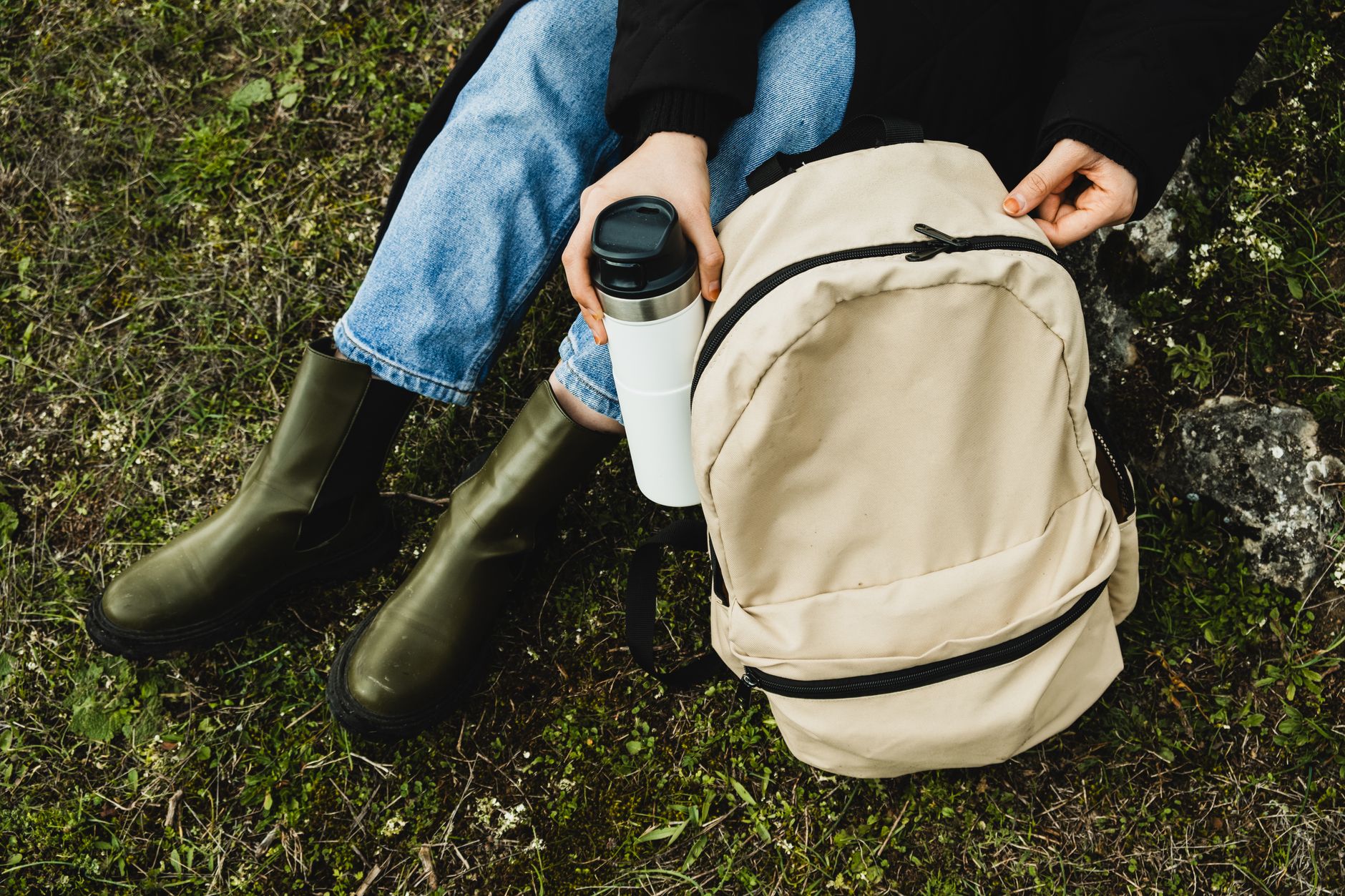
A shot of your trusty backpack, perhaps a vibrant Cotopaxi "Del Día" pack, perched against a stunning natural backdrop like the towering peaks of Torres del Paine or the vibrant markets of Marrakech.
Apparel That Works Harder (and Smarter) for You
This is where sustainable gear truly shines and where I experienced the most profound "life-changing" impact. Imagine packing fewer clothes, doing less laundry, and always feeling fresh, regardless of the climate. This isn't a dream; it's the reality of performance-driven sustainable fabrics.
My Game-Changers:
1. Merino Wool Base Layers & T-shirts (Icebreaker, Smartwool): This natural fiber is a miracle. It's naturally odor-resistant, temperature-regulating (keeps you warm in the cold, cool in the heat), and incredibly soft. I once wore an Icebreaker Tech Lite II Merino T-shirt for five consecutive days while trekking in the Annapurna region of Nepal. Sweaty climbs, dusty trails, chilly evenings – it performed flawlessly. No smell, no clamminess, just comfort.
* Why it performs better: Its natural properties mean you can pack 2-3 merino shirts instead of 5-7 synthetic ones, drastically reducing your laundry load and backpack weight. It dries relatively quickly and resists wrinkles.
* Price point: T-shirts range from $70-$100 USD. Sweaters and base layers are higher. Again, an investment that pays off in comfort, reduced packing, and durability.
* Personal Anecdote: During that Nepal trek, fellow trekkers were constantly washing their synthetic shirts, trying to air them out. Mine was simply hung to air overnight and was ready for another day. It felt like cheating!
2. Recycled Synthetic Quick-Dry Pants/Shorts (Patagonia, Arc'teryx): For more active pursuits, recycled nylon or polyester blends are fantastic. Brands like Patagonia are leading the way in using recycled content. My Patagonia Quandary Pants (made with recycled nylon) are lightweight, quick-drying, and incredibly durable.
* Why it performs better: They shed water, resist abrasion, and pack down tiny. Perfect for hiking, city exploration, or even a casual dinner out.
* Price point: $80-$120 USD.
Tripsora Tip:
When buying apparel, look for certifications like GOTS (Global Organic Textile Standard) for cotton, bluesign® for textiles, or brands that clearly state their recycled content percentages and ethical manufacturing practices. Embrace natural fibers like merino, Tencel (lyocell), and hemp for their performance and reduced environmental impact.
Instagram-worthy moment:
A serene shot of you in your favorite merino tee, sipping tea at a mountain lodge, looking effortlessly comfortable and fresh after a long day's hike. Or a dynamic shot of you climbing in your recycled synthetic pants, showcasing their flexibility and durability.
Everyday Essentials: Small Changes, Big Impact
It's not just the big-ticket items. The small, everyday choices can accumulate to make a huge difference, both for the planet and your travel experience. These items are about convenience, cost-saving, and reducing your personal footprint.
My Game-Changers:
1. Filtered Water Bottle (LifeStraw Go, Grayl GeoPress): This is non-negotiable for me. My LifeStraw Go bottle has saved me hundreds, if not thousands, of single-use plastic bottles across Asia, South America, and Africa.
* Why it performs better: Access to safe drinking water anywhere, anytime. No more buying expensive bottled water, no more contributing to plastic waste, and no more worrying about getting sick from tap water. It's peace of mind in a bottle.
* Price point: $40-$70 USD. Pays for itself in just a few days in many countries.
* Personal Anecdote: In rural Vietnam, where bottled water was often the only "safe" option, my LifeStraw Go allowed me to fill up from any tap, river, or even questionable hotel sink, giving me safe, clean water for pennies. It felt incredibly liberating.
2. Solid Toiletries (Lush Shampoo Bar, Ethique Conditioner Bar): Ditching liquid toiletries means no leaks, no plastic bottles, and no worrying about TSA liquid limits.
* Why it performs better: Compact, lightweight, long-lasting (one bar lasts me 2-3 months of daily use), and zero plastic waste. They often use natural ingredients that are kinder to your hair and skin.
* Price point: $10-$20 USD per bar.
3. Reusable Travel Cutlery & Straw Set: A simple bamboo or stainless steel set.
* Why it performs better: Avoids single-use plastic cutlery when getting street food or takeaways. It's always with you, always clean.
* Price point: $5-$15 USD.
4. Solar Power Bank (BioLite SolarPanel 5+): For off-grid adventures or just extending battery life.
* Why it performs better: Charges your devices using the sun. Reduces reliance on unreliable power grids and keeps you connected even in remote areas.
* Price point: $60-$100 USD.
Tripsora Tip:
Start small! Pick one or two items from this list that resonate most with your travel style. The cumulative impact of these small swaps is immense.
Instagram-worthy moment:
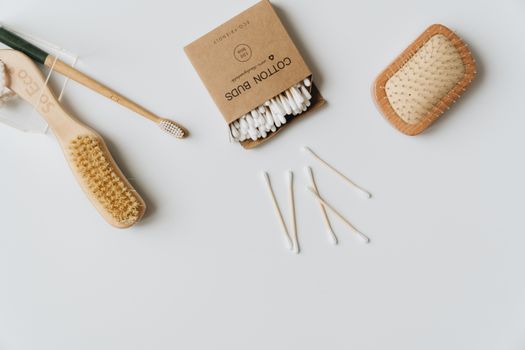
Your filtered water bottle refilling from a picturesque mountain stream, or a beautifully arranged flat lay of your solid toiletries and reusable cutlery, ready for a sustainable adventure.
Footwear: Your Sustainable Foundation for Adventure
Your feet are your most important mode of transport as a traveler. Investing in sustainable, high-performance footwear is not just about comfort; it's about protecting your body and ensuring your shoes can handle anything you throw at them.
My Game-Changer:
Vivobarefoot Primus Lite III (for minimalist/city travel) and Merrell Moab 3 Eco (for hiking).
* Vivobarefoot: Known for their minimalist, barefoot-feel shoes, many of their models like the Primus Lite III are made from recycled PET plastic. They are incredibly lightweight, flexible, and packable.
* Why it performs better: The wide toe box and thin sole allow your feet to move naturally, strengthening them over time. They are incredibly comfortable for long days exploring cities, and their minimalist design means they blend in anywhere. Plus, being made from recycled materials means a lighter footprint.
* Price point: $150-$200 USD.
* Merrell Moab 3 Eco: Merrell has started integrating recycled materials into their popular hiking shoe line, like the Moab 3 Eco, which uses 100% recycled laces, webbing, and mesh lining.
* Why it performs better: These are workhorses. They provide excellent grip, support, and protection on trails, whether I'm navigating the muddy paths of Costa Rica or the rocky slopes of the Scottish Highlands. The "Eco" version ensures I’m doing my part without compromising on the performance I rely on.
* Price point: $120-$160 USD.
Tripsora Tip:
When choosing footwear, look for brands committed to using recycled materials, ethically sourced natural materials (like natural rubber), and those with repair programs. Consider brands like Allbirds (for comfort and natural materials) or specific models from larger brands that prioritize sustainability. The best sustainable shoe is one that lasts for years, so prioritize durability and repairability.
Instagram-worthy moment:
Your worn-in, well-loved hiking boots, covered in a bit of mud, triumphantly resting at a scenic viewpoint after a challenging hike, symbolizing endurance and adventure.
Tech & Photography Gear with a Conscience
Even our beloved gadgets can be part of the sustainable travel revolution. While electronics themselves have a significant environmental footprint, we can extend their life and make smarter choices around accessories.
My Game-Changer:
Pela Case for my phone. This Canadian company makes compostable phone cases from flax straw waste.
* Why it performs better: Beyond being eco-friendly, it's incredibly durable and surprisingly grippy, preventing drops. I've dropped my phone countless times while trying to get that perfect shot in bustling markets or on rocky trails, and my Pela Case has protected it every time. When it's finally time for a new phone, the case can simply be composted.
* Price point: $40-$60 USD.
* Personal Anecdote: Knowing that my phone case won't sit in a landfill for centuries gives me such peace of mind. It's a small change, but a meaningful one.
Tripsora Tip:
* Portable Solar Charger: As mentioned before, a solar power bank is great for charging phones, cameras, and other small devices off-grid.
* Rechargeable Batteries: Opt for rechargeable AA/AAA batteries for headlamps, cameras, and other devices instead of disposables.
* Repair Over Replace: If your tech breaks, always explore repair options before buying new. Many cities have electronics repair shops, and online resources can guide you.
Instagram-worthy moment:
Your phone in its eco-friendly case, capturing a vibrant sunset over the ocean, symbolizing technology harmonizing with nature. Or a close-up of a solar charger panel soaking up rays on a tent roof in a remote campsite.
The Journey Continues: Travel Smarter, Live Richer, Impact Lighter
The transition to sustainable travel gear wasn't an overnight overhaul; it was a gradual, conscious evolution. With each thoughtfully chosen item, I realized I wasn't just buying a product; I was investing in an enhanced travel experience, a lighter footprint, and a profound sense of alignment with my values.
This gear has given me the confidence to push my boundaries, knowing my essentials are reliable, durable, and designed for the long haul. It has simplified my packing, reduced my waste, and ultimately, allowed me to focus more on the incredible moments of discovery that travel offers.
Sustainable travel gear isn't a sacrifice; it's an upgrade. It's a testament to the idea that doing good for the planet often means doing better for yourself. So, are you ready to transform your travels?
Your Turn to Upgrade!
What's the one piece of sustainable gear you're most excited to try, or your favorite item that's already changed your travel life? Share your thoughts and photos with us on social media using #TripsoraSustainableGear and inspire fellow adventurers to pack smarter and travel better! Let's build a community of conscious explorers together.
---