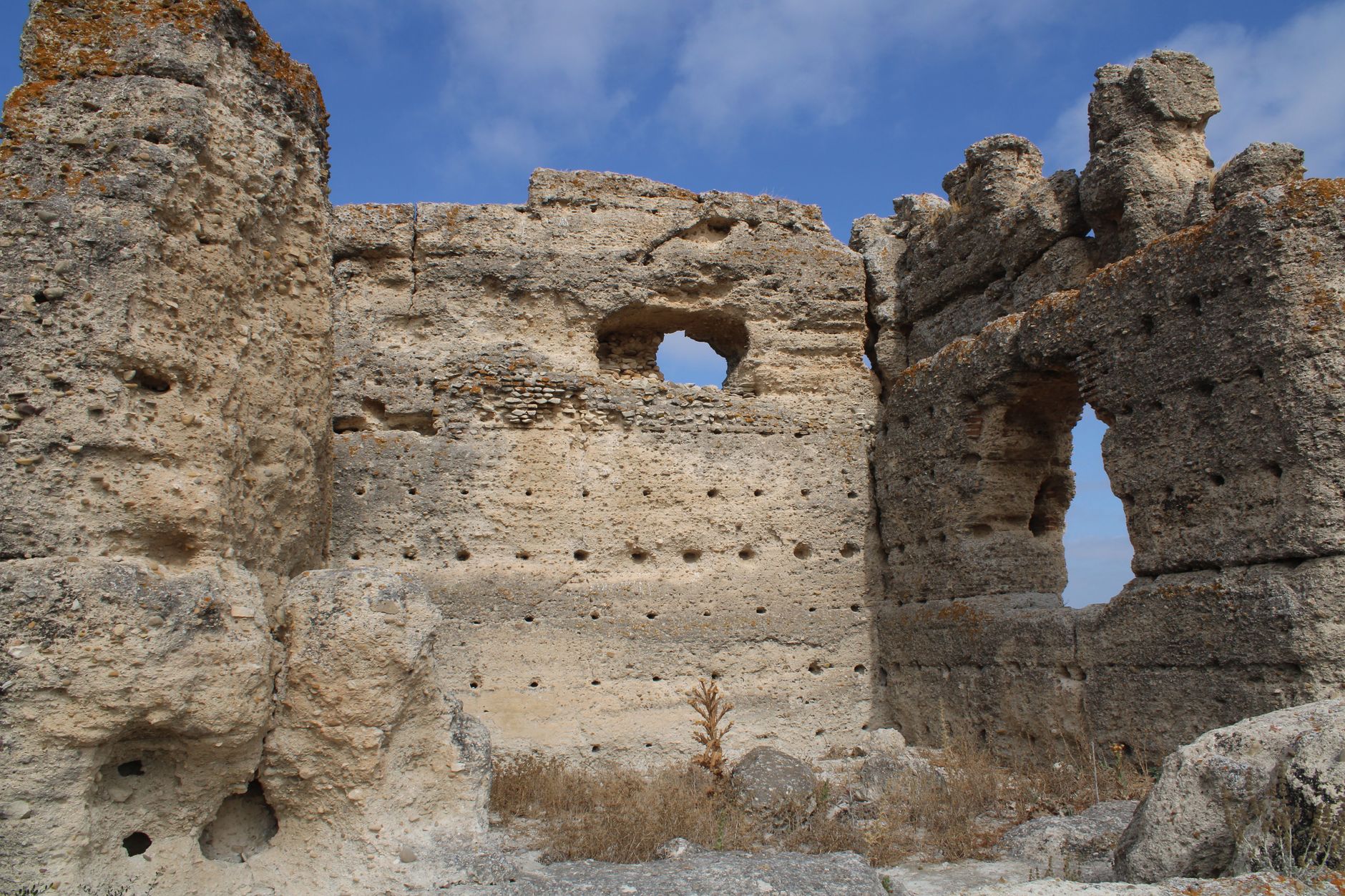
Whispers of the Past: Unearthing Europe's FREE Abandoned Castle Gems
The chill in the air bit at my cheeks, but the thrill of discovery warmed me from within. Below, a colossal stone skeleton emerged from the mist, its jagged silhouette mirrored in the glassy loch. Kilchurn Castle. No ticket booth, no gift shop, just ancient stones and the raw, untamed beauty of the Scottish Highlands. That moment, standing on the shore, felt like stepping back in time, a privilege usually reserved for historians or the very wealthy. But here I was, an everyday adventurer, freely walking into a piece of living history.
That's the magic, isn't it? The allure of abandoned places, especially castles. They stand as silent sentinels of bygone eras, each crumbling wall and overgrown courtyard holding stories of kings, battles, love, and loss. In a world increasingly commercialized, finding these untouched, free-to-explore bastions of history feels like unearthing a secret treasure. And trust me, these aren't just any ruins; these are breathtaking, Instagram-worthy, soul-stirring sites that deserve a spot on every traveler's ultimate bucket list.
Forget the crowds and hefty entrance fees. This isn't about perfectly preserved museums; it's about raw, authentic exploration. It’s about feeling the wind that once swept through royal chambers, touching stones carved centuries ago, and letting your imagination run wild amidst the echoes of the past. So, pack your sturdy shoes, grab your camera, and prepare for an unforgettable journey. Here are six abandoned castles across Europe that you absolutely need to experience for free before you die.
---
The Call of the Ruin: Why Abandoned Castles Cast Such a Spell
Before we dive into specific locations, let's talk about why these places resonate so deeply. It's more than just history; it's an emotional connection. When you explore an abandoned castle, you're not just observing; you're participating. You're tracing the footsteps of forgotten royalty, imagining knights in shining armor, picturing grand feasts, or perhaps even sensing the despair of a siege.
There’s an undeniable sense of adventure, a thrill of discovery that comes with navigating uneven terrain, ducking through low archways, and finding hidden nooks. It's a photographer's dream, with dramatic backdrops, incredible light, and textures that tell a thousand tales. And the best part? When it's free, the experience feels even more authentic, unburdened by commercialism. It's just you, the stones, and the stories they hold. This is travel that truly feeds the soul, connecting you to something ancient and profound.
---
1. Kilchurn Castle, Scotland: A Loch-Side Dream in the Highlands
Location: Loch Awe, Argyll and Bute, Scotland
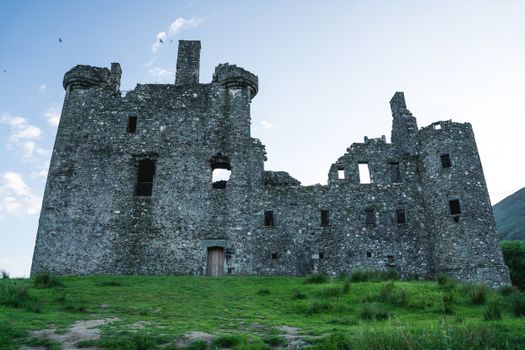
My first encounter with Kilchurn Castle was pure serendipity. Driving through the Scottish Highlands, the road opened up to the vast expanse of Loch Awe, and there it was – a majestic ruin rising from a small island (now connected by a causeway) at the loch's head. It was a moody, misty morning, and the castle's reflection in the still water was utterly breathtaking. I pulled over, parked the car in the small layby, and walked the short, muddy path to its base.
Kilchurn Castle, built in the mid-15th century by the Campbells of Glenorchy, is one of Scotland's most iconic and photographed ruins. It’s a testament to powerful clan history and strategic importance. What makes it truly special is its setting: surrounded by dramatic mountains and the serene waters of Loch Awe. Exploring its interior, climbing the circular staircase (mind your footing!), and looking out from what would have been the battlements, I felt a profound sense of connection to the past. The wind howled through the empty windows, carrying whispers of centuries gone by.
Personal Anecdote:
I remember sitting on a fallen stone, eating a packed lunch, and watching a single fisherman in a tiny boat out on the loch. The silence was only broken by the occasional cry of a bird of prey circling high above. It was a moment of perfect solitude and immense beauty, a memory I revisit often.
Practical Tips:
* Getting There: Kilchurn is easily accessible off the A85 between Dalmally and Lochawe. There's a small parking area, and a short walk across a railway bridge and causeway leads to the castle.
* Best Time to Visit: Early morning or late afternoon offers incredible light for photography, especially when the mist rolls in or the sun sets over the mountains. Autumn colors are spectacular.
* What to Bring: Sturdy, waterproof shoes are a must, as the ground can be muddy. A good camera, a tripod for long exposures, and layers of clothing are essential for unpredictable Scottish weather.
* Safety: While largely free to roam, some areas might be fenced off for safety due to crumbling masonry. Always respect signage.
---
2. Old Slains Castle, Scotland: Dracula's Haunting Inspiration
Location: Cruden Bay, Aberdeenshire, Scotland
Perched precariously on a cliff edge overlooking the churning North Sea, Old Slains Castle isn't just a ruin; it's a dramatic, windswept stage for the imagination. This 16th-century fortress, once a stronghold of the Clan Hay, now stands roofless and exposed, its skeletal walls defying the relentless elements. It's famously believed to have inspired Bram Stoker's Dracula after he stayed nearby in Cruden Bay, and you can absolutely feel the gothic atmosphere.
The approach itself is an adventure, a walk across windswept fields to the dramatic precipice. As you get closer, the sheer scale and the raw power of its location become apparent. There are no barriers, no staff, just you and the wild beauty of the Aberdeenshire coast. Exploring its vast, open courtyards and imagining the waves crashing against the cliffs below is an incredibly visceral experience.
Personal Anecdote:
The first time I visited, a fierce gale was blowing, whipping my hair and clothes around. Standing on the edge of the cliff, looking out at the tumultuous sea, I could almost hear the echoes of ancient battles and feel the presence of Stoker's dark muse. It was exhilarating, a truly wild and untamed encounter with history. Just be careful near the edges!
Practical Tips:
* Getting There: Old Slains Castle is a short drive from Cruden Bay. There's a small car park inland, and a walk of about 15-20 minutes across fields leads to the castle.
* Best Time to Visit: Any time of year, but dramatic weather (wind, brooding skies) enhances the atmosphere. Be prepared for strong winds.
* What to Bring: Windproof and waterproof clothing, sturdy shoes with good grip (the ground can be uneven and muddy), and your camera.
* Safety: This is a truly wild site. The cliffs are sheer and unfenced. Exercise extreme caution, especially in windy conditions, and do not approach the cliff edge. Keep children and pets close.
---
3. Dolbadarn Castle, Wales: A Glimpse into Welsh Resistance
Location: Llanberis, Gwynedd, Wales
Nestled in the heart of Snowdonia National Park, Dolbadarn Castle is a striking example of a Welsh-built castle, strategically positioned to guard the Llanberis Pass. Unlike many of its English counterparts, this 13th-century fortress was constructed by the Welsh prince Llywelyn the Great, a symbol of Welsh independence. Today, its magnificent round tower still stands proudly against the backdrop of towering mountains and the tranquil waters of Llyn Padarn.
The castle is relatively small but incredibly atmospheric. You can freely wander its grounds, climb the spiral staircase within the tower (again, watch your step!), and take in panoramic views of the surrounding Snowdonian landscape. It's a place where you can truly feel the spirit of Welsh resistance and appreciate the strategic genius of its builders.
Personal Anecdote:
I visited Dolbadarn on a crisp autumn day, the mountains ablaze with russet and gold. After climbing the tower, I sat at the top, gazing across the lake and up at Mount Snowdon. The sheer tranquility, combined with the powerful history of the place, was deeply moving. I imagined Llywelyn surveying his domain from this very spot, a feeling of immense pride and solitude.
Practical Tips:
* Getting There: Dolbadarn Castle is located just outside Llanberis, with a small car park easily accessible off the A4086. It's a short, uphill walk to the castle itself.
* Best Time to Visit: Spring and autumn offer beautiful colors and fewer crowds. Summer can be busy with hikers, but the views are always stunning.
* What to Bring: Comfortable walking shoes, water, and a camera. If you're planning a hike in Snowdonia, this makes a perfect historical detour.
* Safety: The tower steps are uneven and can be slippery when wet. Mind your head in low doorways.
---
4. Kinbane Castle, Northern Ireland: White Cliffs and Wild Waves
Location: Ballycastle, County Antrim, Northern Ireland
Northern Ireland's Antrim Coast is famous for its dramatic beauty, and Kinbane Castle is one of its lesser-known, yet utterly captivating, gems. Perched on a narrow, rocky promontory of white limestone, this small 16th-century castle ruin is a testament to resilience against the powerful North Atlantic. Built by Colla MacDonnell, a Scottish chieftain, it once served as a strategic lookout and a symbol of power.
Accessing Kinbane is part of the adventure. A winding, steep path and numerous steps lead down to the promontory, where you can freely explore the remains of the castle. The raw beauty of the white cliffs, the crashing waves, and the views across to Rathlin Island and the Scottish coast are simply spectacular. It feels wild, remote, and utterly enchanting.
Personal Anecdote:
Descending the hundreds of steps to Kinbane felt like discovering a secret world. The air was thick with the scent of sea salt, and the sound of gulls mingled with the roar of the ocean. Standing on the tiny spit of land, with the castle ruins behind me and the vast sea before me, I felt an exhilarating sense of isolation and wonder. It’s a truly unique perspective on coastal history.
Practical Tips:
* Getting There: Kinbane Castle is located off the A2 coast road between Ballycastle and Ballintoy. There's a small car park, and a steep path with steps leads down to the castle.
* Best Time to Visit: Fair weather is best for the descent and exploration, but even on a stormy day, the dramatic views are unforgettable (just be extra cautious on the steps).
* What to Bring: Excellent walking shoes are essential for the steep, potentially slippery steps. Water, snacks, and a camera are also recommended.
* Safety: The path and steps are very steep. Exercise caution, especially in wet weather. The promontory can be exposed to strong winds and waves; stay away from the edges.
---
5. Château de Montségur, France: Cathar Echoes in the Pyrenees
Location: Montségur, Ariège, France
High in the French Pyrenees, atop a dramatic pog (a steep, isolated hill), lies the formidable Château de Montségur. While the current structure dates from after the Cathar Crusades, it stands on the exact site of the infamous Cathar fortress, which was besieged and fell in 1244, leading to the immolation of over 200 Cathar "perfects" who refused to renounce their faith. This isn't just a castle; it's a monument to religious persecution and unwavering belief.
The hike up to Montségur is challenging but incredibly rewarding. The path winds steeply through forests and rocky terrain, offering increasingly spectacular views of the surrounding mountains. The experience of the climb, the breathtaking vistas, and the profound historical weight of the site are entirely free. While there's a small fee to enter the museum at the very summit, the journey, the exploration of the base, and the overall atmosphere of this sacred mountain are accessible to all.
Personal Anecdote:
The climb to Montségur was physically demanding, but every step felt imbued with history. As I ascended, I imagined the Cathars, their lives, their faith, and their tragic end. Reaching the summit, the wind whipping around me, and gazing out over the vast landscape, I felt a deep sense of awe and melancholy. It’s a place that truly makes you reflect on humanity's past.
Practical Tips:
* Getting There: Montségur is located in the Ariège department of the French Pyrenees. Park in the village below, and the hiking trail starts from there.
* Best Time to Visit: Spring and autumn offer pleasant hiking temperatures. Summer can be hot, and winter might bring snow, making the ascent more challenging.
* What to Bring: Good hiking boots, plenty of water, snacks, sun protection, and a camera. The hike takes about 45 minutes to an hour one way, depending on fitness.
* Safety: The path is steep and rocky; take your time. Be aware of weather changes in the mountains.
---
6. Rheinfels Castle Ruins, Germany: Rhine Valley's Grand Survivor
Location: St. Goar, Rhineland-Palatinate, Germany
The Rhine Valley in Germany is dotted with castles, but many are either perfectly restored and charge a fee, or are privately owned. Rheinfels Castle, however, offers a unique opportunity for free exploration of its extensive, dramatic ruins. While part of the original castle complex is now a hotel and museum (which charges an entry fee), the vast majority of the sprawling outer fortifications, tunnels, and courtyards are freely accessible to wander and discover.
This 13th-century fortress was once one of the most formidable castles on the Rhine, a vital toll station and defensive stronghold. Today, its sheer scale is astounding. You can spend hours getting lost in its labyrinthine passages, climbing crumbling watchtowers, and taking in breathtaking views of the Rhine River and the iconic Loreley Rock. It's a true playground for urban explorers and history buffs alike.
Personal Anecdote:
I stumbled upon the free sections of Rheinfels almost by accident after visiting the main paid area years ago. Discovering the sheer extent of the outer ruins – the hidden staircases, the echoing tunnels, the grand scale of the unmaintained walls – felt like uncovering a secret city within the castle. I spent an entire afternoon simply wandering, imagining soldiers patrolling these very walls, and feeling the immense power of this medieval stronghold.
Practical Tips:
* Getting There: Rheinfels Castle is located above the town of St. Goar. You can drive up to the castle complex (parking available) or take a scenic walk up from the town. The free-to-explore ruins are generally outside the immediate paid museum/hotel entrance.
* Best Time to Visit: Spring, summer, and autumn offer pleasant weather for exploration. The Rhine Valley is beautiful year-round, but a sunny day enhances the views.
* What to Bring: Comfortable walking shoes, water, and a wide-angle lens for your camera to capture the scale of the ruins.
* Safety: Some areas are unmaintained ruins; watch your step, especially in tunnels and on uneven ground. Stick to visible paths.
---
Practical Tips for the Modern-Day Castle Explorer
Embarking on these adventures requires a bit of preparation to ensure a safe, respectful, and unforgettable experience.
- Safety First: These are abandoned sites, often with uneven ground, crumbling masonry, and unguarded drops. Always be aware of your surroundings, stick to designated paths where present, and never climb on unstable structures. If you're traveling with children, keep a very close eye on them.
- Leave No Trace: The golden rule of outdoor exploration applies here. Take nothing but photographs, leave nothing but footprints. Do not litter, vandalize, or disturb the natural environment or historical artifacts. These sites are treasures for everyone to enjoy.
- Check Accessibility: While these castles are free, some may have limited accessibility for those with mobility issues due to rough terrain, steep paths, or numerous steps. Research specific access notes for each site if this is a concern.
- Weather Preparedness: European weather can be fickle. Dress in layers, wear sturdy, waterproof shoes, and bring rain gear, especially for coastal or mountain locations. Sun protection is also wise.
- Pack Essentials: Always carry water, snacks, a fully charged phone, and a first-aid kit. A headlamp or flashlight can be useful for exploring darker areas (though always proceed with caution).
- Respect Local Culture: Even abandoned sites are often cherished by local communities. Be respectful of residents, private property, and any local traditions.
- Capture the Magic: Bring a good camera! These sites are incredibly photogenic. Experiment with different angles, light, and perspectives. Share your shots on social media using relevant hashtags to inspire others.
- Timing is Key: Visiting early in the morning or late in the afternoon often means fewer crowds and more dramatic light for photography. Plus, there’s a unique sense of solitude before the world wakes up or after it winds down.
---
Your Adventure Awaits: Don't Let These Castles Remain Unexplored!
The world is full of wonders, and sometimes the most profound experiences are found off the beaten path, in places where history isn't just displayed but felt. These abandoned castles offer a rare opportunity to connect with the past in a raw, authentic, and completely free way. They are more than just ruins; they are portals to another time, offering moments of reflection, adventure, and unparalleled beauty.
So, what are you waiting for? Stop dreaming and start planning! These aren't just places to visit; they're experiences to live. Add these incredible, free abandoned castles to your ultimate travel bucket list, and prepare to create memories that will last a lifetime. Go forth, explore, and let the whispers of history guide your way!
Which of these forgotten fortresses calls to you most? Have you explored any incredible free ruins we should know about? Share your thoughts and adventures in the comments below! And don't forget to share this guide with your fellow adventurers – let's inspire more people to seek out these hidden gems!
---