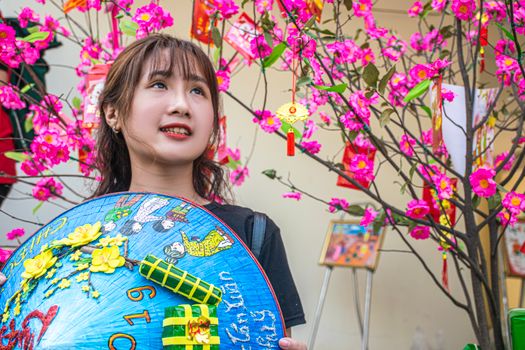
Remember that feeling of stumbling upon something truly special? Not a place you saw plastered all over Instagram, not a landmark with a queue snaking around the block, but a genuine, local moment that felt like it was just for you? I do. It was a tiny village market in rural France, where a spontaneous folk dance broke out, and I, a complete stranger, was pulled into the joyous circle, laughing until my sides ached. That's the magic I chase – the raw, unpolished beauty of a culture truly alive.
And let me tell you, that magic is amplified a thousandfold during a festival. But not just any festival. I'm talking about the ones that haven't yet been discovered by the masses, the hidden gems that offer an authentic glimpse into local traditions, vibrant communities, and breathtaking spectacles. Spring, with its promise of renewal and blooming beauty, is the absolute perfect time to seek out these experiences. Before the summer crowds descend, before travel guides list them on every "must-see" page, and before your feed is flooded with identical photos, now is your chance to be a pioneer.
So, grab your passport and your sense of adventure, because I'm about to unveil five incredible spring festivals that are absolutely worth planning a trip around – before they inevitably become mainstream. Trust me, you'll want to bookmark this one.
---
1. Takayama Spring Festival (Sannō Matsuri), Japan: Where Ancient Artistry Parades Through Time
When most people think of spring in Japan, their minds immediately jump to cherry blossoms. And while the sakura are undeniably beautiful, there's a lesser-known, equally (if not more) spectacular event happening in the heart of the Japanese Alps that will steal your breath away: the Takayama Spring Festival, or Sannō Matsuri. Held annually in mid-April (usually April 14th and 15th), this UNESCO Intangible Cultural Heritage event is a stunning display of traditional craftsmanship, religious devotion, and community pride.
What Makes It Special:
Imagine towering, ornate floats (yatai) that are centuries old, intricately carved, gilded, and adorned with exquisite textiles. Each float is a masterpiece, a portable shrine pulled through the narrow, historic streets of Takayama by dozens of local men. But it's not just the floats; some feature karakuri ningyo (mechanical puppets) that perform dazzling, lifelike movements, delighting onlookers with their ancient theatrics. Picture a puppet samurai drawing his sword, or a mythical creature dancing with surprising grace – it's truly mesmerizing.
As evening falls, the floats are lit by hundreds of traditional paper lanterns (chochin), casting a warm, ethereal glow on the Edo-period townscape. The atmosphere shifts from lively daytime procession to a hushed, reverent parade of light, accompanied by traditional music. It’s a sensory feast that feels like stepping back in time.
My Take:
I first heard about Takayama from a local I met during a layover in Tokyo, who passionately described it as "Japan's most beautiful festival." Intrigued, I rerouted my spring trip. Walking through Takayama during the festival, I felt like I'd stumbled onto a movie set. The sheer dedication to preserving such intricate artistry and tradition was palpable. I remember watching a group of men meticulously adjusting a float's wheel, their faces etched with concentration and pride. It wasn't just a performance; it was a living, breathing piece of history. The illuminated floats at night are pure magic – an Instagram feed dream, but also a moment that makes you pause and simply be.
Why Go Now:
Takayama is already gaining recognition, but it's still far from the crowds of Kyoto or Tokyo. Experiencing this festival now means you can still wander the streets without battling shoulder-to-shoulder throngs, allowing you to fully appreciate the intricate details and absorb the authentic atmosphere. The local guesthouses and restaurants still feel genuinely welcoming, not overrun.
Practical Tips:
* When to Go: Annually on April 14th & 15th. Book everything well in advance.
* How to Get There: Takayama is accessible by train (JR Hida Wide View Express) from Nagoya or Toyama. It's a scenic journey.
* Accommodation: Book at least 6-9 months ahead. Traditional ryokans (Japanese inns) offer an immersive experience, but hotels and guesthouses are also available. Prices will be elevated during the festival but still reasonable compared to major cities. Expect to pay ¥10,000-¥25,000 per night for a good ryokan.
* What to Wear/Bring: Layers are key as spring weather in the mountains can be unpredictable. Comfortable walking shoes are a must. A portable charger for your camera/phone is essential – you'll be taking a lot of photos!
* Local Etiquette: Be respectful of the floats and participants. Don't touch the floats. Find a spot and stay put to watch the procession.
* Instagram-Worthy Moment: The night parade of illuminated floats is simply breathtaking. Also, capture the intricate carvings and mechanical puppets up close during the daytime float displays.
---
2. Festa della Sensa, Venice, Italy: A Golden Ring on the Adriatic's Finger
Forget the commercialized chaos of Carnival. For an authentic, deeply historical Venetian experience in spring, set your sights on the Festa della Sensa. This ancient festival, usually held on the Ascension Day (Sensa) in May, celebrates Venice's symbolic "marriage to the sea" (Sposalizio del Mare) and its historic maritime dominance. It's a beautiful, elegant, and profoundly Venetian tradition that offers a different perspective on the floating city.
What Makes It Special:
The highlight is the grand procession of boats, led by the Doge's ceremonial galley (the "Bucintoro"), from St. Mark's Basin out to the Lido. The current Doge (played by the Mayor) performs the "Golden Ring Ceremony," dropping a consecrated ring into the sea as a symbol of Venice's eternal bond with the Adriatic. Following the Doge's boat are hundreds of traditional Venetian rowing boats – gondolas, caorline, and other historic vessels, all adorned with flowers and flags, filled with jubilant locals.
Beyond the water procession, there's a traditional rowing regatta (Regata della Sensa) and a vibrant market on the Lido, creating a festive atmosphere without the overwhelming crowds often found in Venice. It’s a celebration of Venetian identity, history, and its unique relationship with the water that defines it.
My Take:
On a previous trip to Venice, I was chatting with a gondolier who, with a twinkle in his eye, told me about the Festa della Sensa. "It is our true festival," he said, "not for tourists so much, but for us." That sentiment stuck with me. Imagining the golden ring ceremony, the colorful flotilla against the backdrop of the iconic Venetian skyline, it felt like a secret whispered just to me. I haven't personally attended this specific festival yet, but it's high on my list, precisely because it offers a quieter, more profound connection to Venice than the well-trodden paths. It’s an opportunity to see the city through the eyes of its people, a rare and precious thing.
Why Go Now:
Venice is always popular, but Sensa offers a chance to see it celebrating its roots, rather than just catering to tourists. While the main canal is still busy, the atmosphere feels more local and less frantic than during peak season. It’s a chance to witness an ancient ceremony that embodies the spirit of Venice, free from the mass-market feel.
Practical Tips:
* When to Go: Ascension Day (40 days after Easter), usually late May. Check specific dates annually.
* How to Get There: Fly into Venice Marco Polo Airport (VCE) or Treviso Airport (TSF). Venice is easily navigable by vaporetti (water buses) and walking.
* Accommodation: Book hotels or B&Bs in advance. Expect Venice prices, which can range from €100 for budget guesthouses to €300+ for mid-range hotels. Consider staying on the Lido for a different perspective and easier access to the market.
* What to Wear/Bring: Smart casual attire for the daytime events. Sunscreen and a hat are a good idea if watching from the Lido.
* Local Etiquette: Find a spot along the Grand Canal or on the Lido to watch the procession. Be respectful of the solemnity of the ceremony.
* Instagram-Worthy Moment: The Doge's boat leading the flotilla of colorful traditional boats, framed by the Venetian architecture. The market on the Lido also offers vibrant photo opportunities.
---
3. Holla-Modoo Canola Flower Festival, Jeju Island, South Korea: A Golden Sea of Blooms
While mainland South Korea bursts with cherry blossoms in spring, the volcanic island of Jeju offers a different, equally stunning floral spectacle: the Holla-Modoo Canola Flower Festival. Held primarily in April, this festival transforms vast swathes of Jeju into a breathtaking sea of vibrant yellow canola fields, stretching as far as the eye can see, often with the azure ocean or the majestic Hallasan mountain as a backdrop.
What Makes It Special:
This isn't just a field of flowers; it's an experience. Imagine walking through winding paths carved into the golden fields, the sweet, earthy scent of the blooms filling the air. Jeju locals embrace this festival with various events: live music, folk performances, local food stalls featuring Jeju's unique cuisine (think black pork, fresh seafood, and hallabong tangerines), and photo zones designed for capturing that perfect shot.
What sets Jeju apart is its unique volcanic landscape and distinct culture, often referred to as "Hawaii of Korea." The combination of the golden canola fields, the deep blue sea, and the island's unique "oreums" (small parasitic volcanoes) creates a truly magical and incredibly photogenic environment.
My Take:
I've always been drawn to places that offer a visual feast, and Jeju's canola fields did not disappoint. I visited during a shoulder season and was captivated by the sheer scale of the bloom. While not during the official festival, I got a taste of the magic. I rented a scooter and just drove through the countryside, pulling over whenever a particularly stunning field caught my eye. The air was crisp, the colors surreal. I remember a moment, standing on a small hill overlooking a field, with the ocean sparkling in the distance, feeling utterly at peace. During the festival, I can only imagine the added layer of community and joy. It's an underrated gem compared to the cherry blossom frenzy, offering a more serene yet equally vibrant experience.
Why Go Now:
Jeju is a popular domestic destination, but it's still relatively off the radar for many international travelers compared to Seoul or Busan. The canola festival, while well-loved locally, hasn't reached global mainstream status. This means you can still enjoy the stunning natural beauty and local festivities without the overwhelming crowds that flock to other spring flower events. Plus, it's an excuse to explore one of Korea's most beautiful islands.
Practical Tips:
* When to Go: Typically early to mid-April, depending on the bloom. Check local tourism boards for exact dates.
* How to Get There: Fly into Jeju International Airport (CJU) from Seoul or other major Korean cities. Renting a car or scooter is highly recommended for exploring the island. Public buses are available but can be slow.
* Accommodation: Jeju offers a wide range of options, from luxury resorts to charming guesthouses (pension). Prices vary but are generally affordable compared to mainland cities. Expect to pay ₩50,000-₩150,000 per night.
* What to Wear/Bring: Light layers, comfortable shoes for walking through fields, sunscreen, and a wide-brimmed hat. A good camera is a must!
* Local Etiquette: Be mindful of private property when exploring fields. Stick to designated paths.
* Instagram-Worthy Moment: A wide shot of the endless yellow fields with the blue ocean or Hallasan mountain in the background. Close-ups of the bright yellow flowers, and perhaps a selfie with a traditional Jeju stone grandfather (Dol Hareubang).
---
4. Beltane Fire Festival, Edinburgh, Scotland: Rekindling Ancient Flames
If you're looking for a festival that’s less about flowers and floats and more about raw, primal energy, fire, and ancient pagan rituals, then the Beltane Fire Festival in Edinburgh, Scotland, is your ultimate spring adventure. Held annually on the evening of April 30th on Calton Hill, this spectacular event marks the arrival of summer and the fertility of the land, drawing inspiration from ancient Celtic traditions.
What Makes It Special:
This isn't a passive spectator event; it's an immersive theatrical performance. The festival is led by the May Queen and the Green Man, who journey through a series of elaborate, fire-lit rituals, accompanied by drummers, dancers, and performers representing various pagan characters. The air crackles with energy, the rhythmic drumming is hypnotic, and the scent of smoke fills the night.
From the lighting of the bonfire – a massive, towering structure that eventually erupts in flames – to the mesmerizing fire dancers and the dramatic storytelling that unfolds around you, Beltane is a powerful, unforgettable experience. It's a celebration of nature, community, and the changing seasons, all under the watchful eye of Edinburgh's iconic skyline.
My Take:
I've always been fascinated by ancient cultures and mythology, so when a friend living in Edinburgh told me about Beltane, I knew I had to go. Standing on Calton Hill, surrounded by thousands of people, the city lights twinkling below, and then seeing the first sparks of the bonfire ignite the darkness… it was utterly primal. The drumming vibrated through my chest, and the performers, covered in body paint and cloaked in fire, moved with an intensity that was captivating. I remember a moment when a fire dancer spun a flaming staff just meters from me, the heat radiating, and I felt a shiver of awe and excitement. It’s an experience that transcends mere observation; you feel a part of something ancient and powerful. It’s gritty, beautiful, and utterly unique – not for the faint of heart, but incredibly rewarding.
Why Go Now:
Beltane has been growing in popularity, but it still maintains a strong sense of community and authenticity. It's organized by the Beltane Fire Society, a volunteer-run charity dedicated to preserving and developing these ancient traditions. While tickets are now required, the experience is still raw and immersive, a far cry from a corporate-sponsored event. Go now to experience its untamed spirit before it potentially becomes too polished or commercialized.
Practical Tips:
* When to Go: Annually on April 30th (evening).
* How to Get There: Fly into Edinburgh Airport (EDI). Calton Hill is a short walk from the city center. Public transport within Edinburgh is excellent.
* Accommodation: Edinburgh hotels can be pricey, especially during peak times. Book a few months in advance. Expect to pay £100-£250 per night for mid-range options. Consider guesthouses or Airbnb for potentially better value.
* What to Wear/Bring: It's Scotland in April – dress warmly in layers, including waterproofs. The event is outdoors and can be cold and windy. Comfortable, sturdy shoes are essential as Calton Hill can be muddy. Leave large bags at home.
* Local Etiquette: Respect the performers and the sacred nature of the rituals. Don't push or shove for views. Be aware of your surroundings, especially with fire involved.
* Instagram-Worthy Moment: The grand bonfire lighting, the fire dancers against the night sky, and the dramatic body paint of the performers. Use a fast shutter speed for fire shots!
---
5. Festival of Roses, Kazanlak, Bulgaria: A Fragrant Symphony in the Valley of Roses
Nestled in the heart of Bulgaria's "Valley of Roses," the town of Kazanlak comes alive each spring with the Festival of Roses. Held annually in late May or early June, this festival is a fragrant, vibrant celebration of the Damascena rose, whose oil is world-renowned and a cornerstone of Bulgaria's economy and culture. It's a sensory delight that transports you to a bygone era of beauty and tradition.
What Makes It Special:
The festival kicks off with the "Rose Picking Ritual," where locals in traditional costumes gather in the rose fields at dawn, singing folk songs as they carefully hand-pick the delicate blooms. This is followed by a "Rose Boiling Ritual," demonstrating how the precious rose oil is extracted. The highlight is the grand parade through Kazanlak, featuring floats adorned with roses, folk dancers, musicians, and the newly crowned "Queen of Roses" – a truly enchanting spectacle.
Beyond the main events, the festival offers opportunities to visit rose distilleries, taste rose-flavored products (jam, liqueur, honey!), enjoy traditional Bulgarian cuisine, and immerse yourself in the warm hospitality of the region. It's a celebration of nature's bounty and a deep cultural pride.
My Take:
I’d heard whispers of Bulgaria’s rose valley, but nothing prepared me for the sheer beauty and intoxicating aroma of the festival. I arrived just before dawn for the rose picking, and the air was cool and crisp, carrying the faintest scent of roses. As the sun rose, painting the sky in soft pastels, the field came alive with the vibrant colors of traditional dress and the joyful singing of the pickers. It felt incredibly authentic, like being invited into a sacred ritual. Later, in the parade, the genuine smiles of the participants and the incredible detail of the rose-adorned floats were captivating. I even tried some rose liqueur – surprisingly delicious! It’s an experience that awakens all your senses and leaves you with a profound appreciation for nature’s gifts and human craftsmanship. This festival is pure, unadulterated charm.
Why Go Now:
The Festival of Roses is a major event in Bulgaria, but it's still relatively unknown to the wider international travel community. This means you can experience its unique charm and beauty without the overwhelming crowds that flock to more famous European festivals. It’s an opportunity to discover a beautiful, historic region of Bulgaria and engage with its traditions authentically.
Practical Tips:
* When to Go: Late May to early June, lasting several days. The main parade is usually on a Sunday. Check specific dates annually.
* How to Get There: Fly into Sofia Airport (SOF), then take a bus or train to Kazanlak (approx. 3-4 hours). Renting a car offers more flexibility for exploring the rose fields and surrounding Thracian tombs.
* Accommodation: Book hotels or guesthouses in Kazanlak or nearby towns like Shipka well in advance. Prices are generally very affordable, ranging from €30-€80 per night for comfortable stays.
* What to Wear/Bring: Light, comfortable clothing for warm spring days. A hat and sunscreen for outdoor activities. Bring a basket or bag if you plan to buy rose products.
* Local Etiquette: Be respectful during the rose-picking ritual. Feel free to participate in folk dances if invited!
* Instagram-Worthy Moment: The rose-picking ritual at dawn, with traditional costumes and the sunrise glow. The parade floats covered in thousands of roses are also incredibly photogenic. And, of course, a selfie with the Queen of Roses!
---
General Tips for Your Offbeat Festival Adventure:
- Embrace Flexibility: Things might not always go exactly as planned in smaller, less commercialized festivals. That's part of the adventure!
- Learn Basic Phrases: Even a few words in the local language (hello, thank you, please) can go a long way in connecting with locals and showing respect.
- Go Local with Food: Skip the tourist traps. Seek out street food, local markets, and family-run restaurants for authentic flavors and better prices.
- Support Local Businesses: Your tourism dollars have a bigger impact on smaller communities. Buy souvenirs directly from artisans, stay in local guesthouses, and eat at independent eateries.
- Leave No Trace: Be a responsible traveler. Respect the environment, dispose of your trash properly, and leave places as you found them (or better!).
- Stay Connected (But Disconnect): While you'll want to share those incredible Instagram moments, remember to put your phone down and fully immerse yourself in the experience.
---
The Call of the Uncharted
There’s a unique thrill in discovering something new, something that feels like your own secret. These spring festivals offer just that – a chance to connect with cultures, witness ancient traditions, and create memories that are truly one-of-a-kind. They are vibrant, authentic, and waiting to be explored before the world catches on.
So, which festival is calling your name? Will you be dancing among the fire rituals of Edinburgh, witnessing the golden marriage to the sea in Venice, or picking fragrant roses in Bulgaria? The time to plan is now. Don't just dream about it; make it happen.
Which festival are you most excited to experience? Share your thoughts and future travel plans in the comments below! And when you go, don't forget to tag us #TripsoraAdventures – we can't wait to see your incredible journey!
---