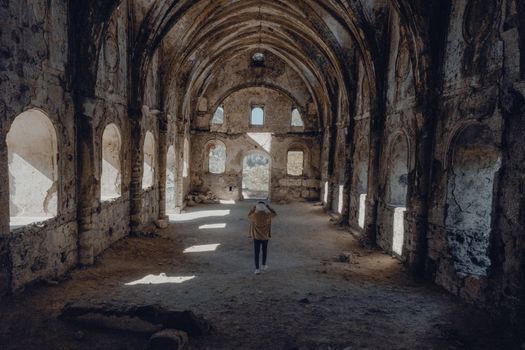
How to Take Amazing Photos of Yourself Before They Become Mainstream
The morning sun was barely kissing the ancient cobblestones of Alfama in Lisbon, painting the narrow alleyways in a soft, ethereal glow. I’d been up since 5 AM, fueled by a strong espresso and an insatiable curiosity, wandering the labyrinthine streets that still hummed with the ghosts of fado singers and maritime explorers. My tripod was slung over my shoulder, my camera ready. I’d walked past the famous viewpoints, the postcard-perfect tram 28 routes, and the bustling Praça do Comércio. I wasn’t looking for what everyone else had already found. I was hunting for my shot, my moment, something unique that spoke to the soul of the city, not just its tourist brochure.
Then I saw it. A tiny, unassuming archway, draped in vibrant bougainvillea, framing a distant glimpse of the Tagus River. A local woman was hanging laundry from a balcony above, the colors adding another layer to the scene. It was utterly mundane, utterly beautiful, and utterly un-Instagrammed. I set up my camera, framed myself beneath the arch, a tiny figure against the grand backdrop, and clicked the remote. That photo, taken years ago, remains one of my favorites, not just for its beauty, but because it predates the surge of "Lisbon hidden gems" content. It was mine before it became everyone else's.
If you’re a traveler like me, you know the bittersweet feeling of discovering a breathtaking spot, capturing it perfectly, and then watching it explode on social media, becoming a victim of its own beauty. The secret’s out, the crowds descend, and the magic, for a moment, fades. But what if you could consistently be ahead of the curve? What if your photos weren't just amazing, but pioneering?
Welcome to the ultimate guide to taking incredible photos of yourself that stand out, tell a story, and capture the essence of a place long before the masses arrive. This isn't just about finding obscure locations; it's about a mindset, a technique, and a genuine love for discovery.
Section 1: The Art of Reconnaissance – Becoming a Photo Detective
Being a trendsetter in travel photography starts long before you even pack your bags. It requires a detective's eye and a willingness to dig deeper than the top 10 lists.
Go Beyond the Guidebooks & Hashtags:
* Local Blogs & Forums: Instead of searching "best photo spots [city name]," try "local hidden cafes [city name]," "street art tours [city name]," or "day trips from [city name] locals love." These often lead to places not yet saturated. For example, in Kyoto, instead of Arashiyama Bamboo Grove (stunning, but crowded), I found a tiny, moss-covered temple garden called Giou-ji by reading a niche blog about "Kyoto's quietest corners." It cost about ¥300 ($2.50) to enter, and I had it almost entirely to myself for an hour.
* Google Earth & Street View: This is your secret weapon. Virtually "walk" through neighborhoods, zoom into alleys, and scout out interesting architecture, unique vantage points, or vibrant street art. I once found an incredible rooftop view in Istanbul, not from a famous terrace, but by meticulously "walking" through Beyoğlu on Google Street View, spotting a small sign for a "çay bahçesi" (tea garden) on the fifth floor of an unassuming building. It offered panoramic views of the Golden Horn and wasn't on any tourist map.
* Ask Locals (Politically): When you arrive, don't ask "Where's good for photos?" Ask your Airbnb host, a friendly barista, or a shop owner, "Where do you go to relax/escape the crowds/see something beautiful?" Their answers often reveal true local gems. In Oaxaca, Mexico, a mezcaleria owner told me about a specific, vibrant market alley (Mercado de Abastos) that was a riot of color and local life, far from the tourist-centric Mercado Benito Juárez.
* Early Bird Gets the Shot (and the Solitude): This is non-negotiable for iconic spots that will eventually become mainstream. Wake up before dawn. Seriously. The golden hour light is magical, and the lack of crowds allows you to compose your shot without battling elbows. I’ve captured iconic shots of the Eiffel Tower, Angkor Wat, and Santorini at sunrise, and while they are famous spots, the feeling and the light made them unique because I was virtually alone.
The "Walk-About" Method:
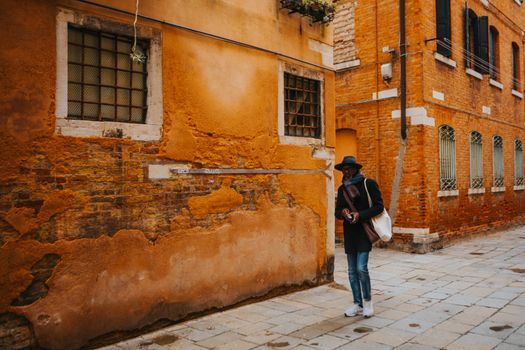
Sometimes, the best discovery is made by simply getting lost. Put away your phone, pick a direction, and wander. Look up, look down, look through doorways. The most unexpected beauty often reveals itself when you're not actively searching for it. I stumbled upon a stunning, graffiti-laden courtyard in Berlin’s Mitte district this way, a vibrant canvas hidden behind a bland facade.
Section 2: Mastering the Frame – Angles, Light, and Composition
It's not just where you shoot, but how you shoot it. Even a well-known location can yield a mainstream-defying photo if you approach it with a fresh perspective.
Embrace Unique Angles:
* Ground Up: Get low! Lie on the ground and shoot up towards a towering building, a canopy of trees, or a dramatic sky. This distorts perspective in an interesting way.
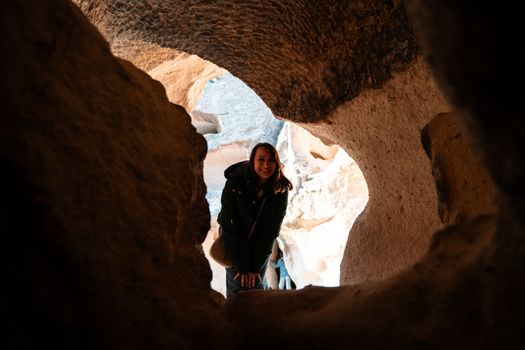
* Through the Looking Glass: Frame yourself through an archway, a window, a reflection in a puddle, or even a leafy branch. This adds depth and context. In Amsterdam, instead of a direct canal shot, I used a reflection in a cafe window, showing myself sipping coffee while the canal boats drifted by behind me, creating a layered narrative.
* Negative Space is Your Friend: Don't feel the need to fill the entire frame. Use vast skies, empty walls, or open landscapes to emphasize your smallness and the grandeur of the environment. This often creates a more dramatic and artistic feel. Think of a lone figure on a sprawling salt flat in Bolivia, or a silhouette against the vastness of the Sahara.
* Leading Lines & Symmetry: Use natural lines (roads, fences, building edges) to draw the viewer's eye towards you or a focal point. Symmetry can be incredibly powerful, especially in architecture.
Harness the Power of Light:
* Golden Hour (Sunrise/Sunset): The soft, warm light during these times is universally flattering and creates beautiful long shadows and a magical glow. It’s a classic for a reason.
* Blue Hour (Just Before Sunrise/After Sunset): This brief period offers a deep, moody blue sky that can be incredibly dramatic, especially with city lights starting to twinkle. It’s perfect for atmospheric, contemplative shots.
* Overcast Days: Don't dismiss them! Overcast skies act like a giant softbox, providing even, diffused light that's excellent for portraits and vibrant colors without harsh shadows. This is fantastic for capturing details in street art or colorful markets.
* Stormy Weather: While challenging, dramatic skies, rain, and fog can create incredibly unique and moody photos that instantly stand out from the typical sunny travel shots. Just ensure your gear is protected!
Section 3: The Unsung Hero – Gear That Elevates Your Solo Shots
You don't need a professional setup, but a few key items can transform your solo travel photography.
- The Trusty Tripod: This is non-negotiable.
- Full-Size Tripod: Essential for stability, long exposures, and getting precise framing. Look for lightweight carbon fiber options if you're backpacking. My Manfrotto Befree Advanced is compact and sturdy enough for most situations. (Around $150-200).
- GorillaPod/Flexible Tripod: Invaluable for attaching your camera to fences, tree branches, railings, or uneven surfaces. Perfect for getting unique, elevated, or low-angle shots where a full-size tripod isn't practical. I always carry a Joby GorillaPod 3K Kit (around $70).
- Remote Shutter Release: Forget the frantic 10-second self-timer dash!
- Bluetooth Remote: A tiny, inexpensive clicker (often under $10) that connects to your phone or camera. Discreet and allows for multiple shots without touching your device.
- Camera Apps: Most modern cameras have companion apps that let you control settings and trigger the shutter from your phone. This is fantastic for seeing your composition live.
- Smartwatch: If you have an Apple Watch or similar, many camera apps integrate, allowing you to trigger the shutter from your wrist – the ultimate discreet remote!
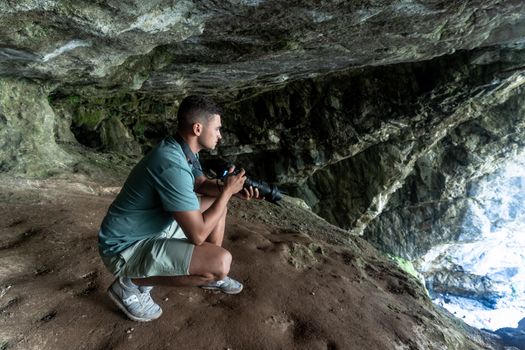
- Wide-Angle Lens (for Cameras) or Wide Lens Attachment (for Phones): This is crucial for capturing the grandeur of a landscape or architecture while still including yourself in the frame. It also helps create a sense of scale. A 16-35mm on a full-frame camera or a good quality clip-on wide-angle lens for your phone can make a huge difference.
- Portable Drone (Optional but Game-Changing): If you're serious about unique perspectives, a small, foldable drone like the DJI Mini series (starting around $300-400) can capture breathtaking aerial self-portraits that are impossible otherwise. Imagine yourself walking a winding path through a forest, or standing on a cliff edge, with the drone capturing the vastness around you. Always check local drone laws!
Section 4: Posing with Purpose – Authenticity Over Aspiration
The goal isn't to look like a model; it's to tell a story and connect with the environment. Mainstream shots often feature stiff, overly posed individuals. Your goal is natural authenticity.
- Action & Interaction: Instead of just standing and smiling, do something. Walk, run, jump, read a book, sip coffee, gaze out at the view, interact with a local market vendor (with permission). This adds dynamism and narrative.
- Anecdote: In a bustling spice market in Marrakech, I set up my camera across the lane, and rather than pose, I simply immersed myself, haggling playfully with a vendor for saffron. The camera captured genuine laughter and engagement, a far more compelling image than a staged smile.
- The "Candid" Setup: Set your camera to burst mode, use your remote, and move naturally within the frame. Walk towards the camera, turn away, look over your shoulder, adjust your hat. You'll get dozens of shots, and amongst them will be those perfectly imperfect, authentic moments.
- Focus on the Environment: Sometimes, your pose is about highlighting the location. Stand small against a grand landscape, look up at a towering monument, or sit contemplatively by a serene lake. Let the surroundings be the star, with you as an integral part of the scene.
- Tell a Story: What are you feeling? What is this place making you experience? A sense of wonder, peace, excitement? Try to convey that emotion through your body language and expression. A thoughtful gaze at a sunset is often more powerful than a forced smile.
Section 5: Beyond the Filter – Editing for Impact, Not Conformity
Mainstream travel photos often suffer from over-reliance on popular filters that make every picture look the same. Your goal is to develop your own style that enhances, rather than dictates, your images.
- Mobile Editing Apps are Powerful: You don't need Photoshop. Lightroom Mobile (free version is great), Snapseed, and VSCO offer incredible control.
- Develop Your Signature Look: Experiment with colors, contrasts, and tones. Do you prefer warm and vibrant, or cool and moody? Consistent editing across your photos creates a cohesive aesthetic that sets you apart.
- My Process: I tend to slightly desaturate greens and blues to give a more muted, earthy feel, and I often add a touch of grain for a nostalgic texture. This is a subtle touch that makes my images recognizable.
- Less is Often More: Don't over-edit. The goal is to enhance the natural beauty of the scene, not to create something artificial. Focus on:
- Exposure & Contrast: Getting these right is fundamental.
- White Balance: Ensure colors are true to life, or intentionally shift them for a specific mood.
- Highlights & Shadows: Recover detail in blown-out skies or dark shadows.
- Color Grading: Subtly shift the hues (e.g., adding a touch of orange to highlights or blue to shadows) to create a consistent mood.
- Sharpening & Noise Reduction: Use sparingly.
- Local Adjustments: Use tools like radial or linear gradients to selectively adjust parts of your image. For example, brighten your face slightly without overexposing the sky, or darken the edges to draw attention to the center.
Section 6: Mindset of a Pioneer – The Ethics and Joy of Discovery
Being "before they become mainstream" isn't just about technical skills; it's about a philosophy of travel and creation.
- Leave No Trace, Take Only Photos (and Memories): This is paramount. When you discover a pristine, hidden spot, ensure you leave it exactly as you found it. Pack out all trash, respect local flora and fauna, and don't disturb historical sites. The joy of discovery comes with the responsibility of preservation.
- Respect Local Culture & Privacy: If you're photographing in a local village or market, be mindful and respectful. Ask for permission before photographing people, especially children. A smile and a polite gesture go a long way. Sometimes, the best "un-mainstream" shot is one that doesn't include people at all, or only features them in the distance, respecting their daily life.
- The Power of the Un-Geotagged: While it's tempting to share the exact location of every incredible find, consider the impact. For truly fragile, remote, or culturally sensitive spots, sometimes the most responsible thing to do is not geotag it specifically. Share the region, share the vibe, but let others put in the work to discover it themselves, just as you did. This preserves the magic and prevents over-tourism.
- Embrace the Journey, Not Just the Destination: The thrill of discovering that hidden waterfall after a challenging hike, or finding that perfect cafe down a winding alley, is often more rewarding than the photo itself. The photo becomes a tangible memory of that personal journey.
- Failure is Part of the Process: Not every scouting mission will yield a masterpiece. You'll wake up early for a sunrise that's obscured by clouds, or find your perfect spot is under construction. That's okay. These "failures" are part of the adventure and teach you resilience and adaptability. My most epic photo fail involved a drone, a strong gust of wind, and a very deep lake in Slovenia. Lesson learned: always check wind conditions!
Conclusion: Your Adventure, Your Lens, Your Story
The world is brimming with untold stories and unseen beauty, waiting for you to discover them. Moving beyond the mainstream isn't just about getting unique photos; it's about fostering a deeper, more authentic connection with the places you visit. It's about being a conscious traveler, an observant artist, and a respectful explorer.
So, next time you plan a trip, challenge yourself. Go off the beaten path, wake up before the sun, experiment with angles, and let your creativity guide you. Don't chase trends; create them. Your unique perspective is your most powerful tool.
Now, go forth, explore, and capture those incredible moments of yourself before they become the next big thing. And when you do, we want to see them!
Share Your Finds!
Have you discovered an amazing "pre-mainstream" spot or technique? We'd love to hear about it! Tag us on Instagram @Tripsora and use the hashtag #TripsoraPioneer to share your unique self-portraits and inspire fellow adventurers. Let's celebrate the joy of discovery together!
---