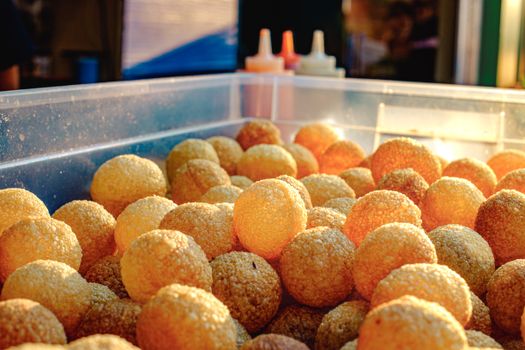
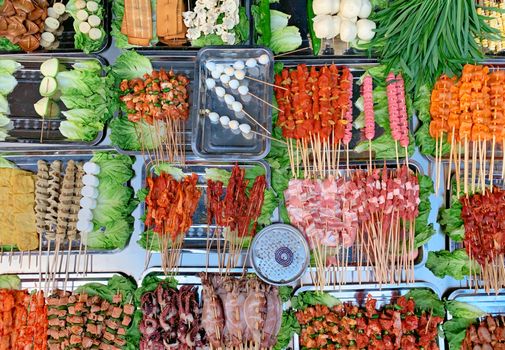
The air was thick with a symphony of unfamiliar scents – sweet incense, pungent spices, and something else… something vaguely unsettling. I stood at a bustling night market in Manila, the humidity clinging to my skin like a second shirt. In front of me, a vendor smiled, holding out a small, unassuming egg. “Balut,” he announced, his eyes twinkling. My stomach did a little flip. I’d seen the videos, read the warnings. This wasn’t just an egg; it was a fertilized duck embryo, complete with discernible features. Every fiber of my being screamed, “Run!” But another, louder voice, the one that whispers "adventure," urged me forward.
That moment, years ago, was my initiation into a secret society: the league of adventurous eaters who chase flavor beyond the comfort zone, far from the curated perfection of Instagram feeds. While influencers chase the next viral trend with aesthetically pleasing (and often bland) dishes, we’re out here, digging into the heart of local culture, one "scary-looking but utterly delicious" bite at a time. This isn't about likes; it's about life-changing taste experiences.
Forget your preconceived notions. These aren't just weird foods; they're culinary treasures, often steeped in tradition, offering flavors that will redefine your palate. If you're ready to truly travel with your taste buds, to push past the visual and olfactory intimidation, then buckle up. Here are the street foods that look like a dare but taste like a dream, the ones Instagram influencers don't want you to know because they might just steal the spotlight from their perfectly arranged avocado toast.
The Balut Baptism: Philippines – A Broth of Bravery
My Balut moment in Manila was a true trial by fire. For the uninitiated, Balut is a developing duck embryo, boiled and eaten from the shell. It typically contains a mix of yolk, whites, and a tiny, partially formed duckling. Visually, it’s… intense. The idea of slurping broth from an egg that looks back at you is enough to send most tourists running.
But my vendor, Mang Tonyo, insisted. “Just try, po,” he coaxed, handing me a small packet of rock salt and a bottle of spiced vinegar. He showed me how to gently tap the top, peel a small opening, and sip the savory broth first. That first sip was a revelation: rich, umami, slightly gamey, like the most concentrated chicken soup you’ve ever had. Emboldened, I peeled back more of the shell. The texture was a mosaic – a creamy yolk, a firmer white, and then… the embryo. I closed my eyes, took a deep breath, and took a bite, dipping it in the vinegar.
And that’s when the magic happened. The flavors exploded – salty, tangy, savory, with an unexpected tenderness from the developing duckling. It wasn't just palatable; it was delicious. It was a symphony of textures and tastes I never expected from something so visually challenging. It felt like eating a tiny, perfectly seasoned roast duck, all in one bite.
Where to find it:
Balut is ubiquitous in the Philippines. Look for street vendors with carts, especially in night markets or near bus terminals in cities like Manila (Quiapo Market, Binondo) or Cebu.
Estimated Price: 25-50 PHP per egg ($0.40 - $0.80 USD).
Tripsora Tip: Start by sipping the broth. Use salt and vinegar generously. Don't overthink it, just experience it. It's a rite of passage!
The Olfactory Obstacle: Stinky Tofu in Taiwan – A Fragrant Revelation
If Balut is a visual challenge, Stinky Tofu is an olfactory assault. You’ll smell it long before you see it – a pungent, fermented aroma that some describe as rotting garbage, dirty socks, or old cheese. My first encounter in Taipei’s Shilin Night Market was less of a choice and more of an unavoidable sensory experience. The smell permeated everything. My nose wrinkled, my stomach lurched, and my brain screamed, "Abort mission!"
But then I saw the lines. Long lines of locals, eagerly waiting for their plate of deep-fried, golden-brown cubes of tofu, served with pickled cabbage and chili sauce. If so many people loved something that smelled so… aggressively, there had to be something to it. I braced myself, ordered a small plate, and tried to breathe through my mouth.
The first bite was a paradox. The exterior was perfectly crispy, the interior soft and custardy. The flavor? Incredibly savory, deeply fermented, with a surprising brininess that was utterly addictive. It was like a super-charged, pungent cheese, but with the texture of tofu. The pickled cabbage cut through the richness, and the chili added a much-needed kick. The "stink" seemed to dissipate on the palate, transforming into a complex umami bomb. I finished the plate, then debated getting another. The smell was still there, but now, it almost… beckoned.
Where to find it:
Taiwan is the spiritual home of Stinky Tofu. Shilin Night Market, Raohe Street Night Market, and Ningxia Night Market in Taipei are prime spots. You’ll also find it across Hong Kong and mainland China.
Estimated Price: 50-100 TWD per plate ($1.60 - $3.20 USD).
Tripsora Tip: Go for the deep-fried version first; the smell is less intense than the stewed or grilled varieties. Don't sniff too close, just take a bite!
Crunchy Critters: Fried Tarantulas & Insects in Cambodia – A Nutty Nosh
Walking through a Cambodian market, you might stumble upon a sight straight out of a horror movie: mounds of deep-fried tarantulas, scorpions, crickets, and silkworms. For many Westerners, the idea of eating an insect, let alone a hairy spider, is deeply unsettling. My first encounter in Skuon, a town famous for its spider market, had me questioning all my life choices. The vendor, a woman with a gold-toothed smile, held out a glistening, black tarantula. Its legs, curled in death, still looked menacing.
"Good for health, good for protein!" she chirped. I hesitated, picturing the creature scuttling across my plate. But the crunch of crickets from a nearby stall, and the laughter of local children munching on them like popcorn, gave me courage. I started small, with a handful of fried crickets. They were surprisingly good – salty, crispy, with a distinct nutty flavor, like a very savory potato chip.
Emboldened, I eyed the tarantula. Its body was plump, its legs spindly. I picked one up, took a deep breath, and bit into a leg. Crunch. It was like a delicate, crispy shell, followed by a surprisingly mild, slightly earthy flavor. The body, though, was the real test – a softer, meatier texture, like a mix of crab and chicken. It wasn’t just a novelty; it was genuinely tasty, especially with a dash of chili-lime sauce. It was a texture and flavor profile completely unique, and a testament to the resourcefulness of local cuisine.
Where to find it:
Skuon, Cambodia (the "Spider Town") is famous for tarantulas. Fried insects are common in markets across Cambodia (Phnom Penh, Siem Reap) and Thailand (Bangkok's Khao San Road).
Estimated Price: Crickets/worms: $1-2 USD per bag. Tarantulas: $2-5 USD each.
Tripsora Tip: Start with smaller, less visually intimidating insects like crickets or silkworms. They’re often seasoned with chili and lime, making them a great beer snack. Don't forget to take a photo (if you dare)!
The King of Fruits, or the Smell of Doom? Durian in Southeast Asia – A Sweet Surrender
Durian. Just the name can evoke strong reactions. This spiky, formidable fruit, native to Southeast Asia, is infamous for its pungent aroma, often described as rotten onions, gym socks, or sewage. It's so potent that many hotels and public transport systems in the region ban it. My first whiff in a bustling Thai market almost sent me reeling. "How can anyone eat that?" I wondered, clutching my nose.
Its appearance doesn't help either. Beneath the thorny exterior lies a creamy, custardy flesh, usually pale yellow, sometimes with a slightly slimy sheen. It looks… alien. But locals revere it as the "King of Fruits," and its devotees speak of an unparalleled sweetness and complex flavor. Curiosity, as always, eventually won me over.
I found a reputable vendor in Bangkok, who expertly cracked open a fresh durian. The smell, up close, was indeed overwhelming, but underneath it, I detected something else – a deep, rich sweetness. I took a small spoonful of the creamy flesh. The texture was incredibly smooth, almost like a thick custard. The taste was a whirlwind: intensely sweet, savory, slightly bitter, with hints of almond, caramel, and even cheese. It was complex, utterly unique, and utterly addictive. My brain struggled to reconcile the initial stench with the incredible flavor that now coated my mouth. From that day on, I became a durian convert, chasing different varieties across Thailand and Malaysia.
Where to find it:
Widely available across Southeast Asia, especially in Thailand (Bangkok, Chanthaburi), Malaysia (Penang, Kuala Lumpur), and Singapore. Look for dedicated durian stalls, particularly during peak season (May-August).
Estimated Price: Varies wildly by variety and season, from $5 USD for a small piece to $50+ USD for a whole premium fruit.
Tripsora Tip: Eat it fresh and ripe. Try different varieties (Monthong, Musang King, D24) to find your favorite. Never bring it into a hotel room unless you want to pay a hefty cleaning fee!
Whole Lotta Guinea Pig: Cuy in Peru – A Crispy Conquest
Peru is a land of incredible culinary diversity, but one dish often causes tourists to pause: Cuy. Yes, that’s guinea pig. While a beloved pet in many parts of the world, in the Andean regions of Peru, it's a traditional delicacy, often served whole, roasted to a crispy perfection. My first time seeing a cuy on a platter in Cusco, its little paws and head still intact, was confronting. My mind immediately flashed to childhood pets.
"It's like chicken, but better!" my Peruvian guide, Mateo, assured me, noticing my hesitation. The visual barrier was immense. How could I eat something that looked so… familiar, yet so foreign on a plate? But Mateo's enthusiasm, and the tantalizing aroma of roasted meat, slowly chipped away at my apprehension.
I took a deep breath and tried a piece of the crispy skin. It was incredibly savory, reminiscent of roast pork crackling. Then, the meat. It was surprisingly tender, dark, and rich, with a flavor profile indeed similar to a gamey chicken or rabbit. The small bones were a bit of a challenge, but the effort was worth it. It wasn't just a novelty; it was a deeply satisfying, flavorful meal, a true taste of Andean tradition that had been enjoyed for centuries. It taught me that cultural context profoundly shapes our perception of food.
Where to find it:
Most commonly found in the Andean regions of Peru, especially Cusco and Arequipa. While often a restaurant dish, you can find vendors selling roasted cuy in larger market food halls.
Estimated Price: 50-80 PEN per whole cuy ($13-21 USD), often served with potatoes and salad.
Tripsora Tip: Don't let the visual deter you. Focus on the crispy skin and tender, flavorful meat. It's a communal dish, so share it with friends!
Hopping for Flavor: Chapulines in Mexico – The Ultimate Snack
Mexico's vibrant street food scene is a paradise for the adventurous, and among its most surprising delights are chapulines – toasted grasshoppers, often seasoned with chili, lime, and garlic. I first encountered them piled high in colorful mounds at a market in Oaxaca. They glistened under the market lights, their tiny antennae and legs clearly visible. My initial reaction was a mix of fascination and mild disgust.
"Try one!" a vendor urged, offering a small sample on a toothpick. They looked… crunchy. I popped one into my mouth. CRUNCH. The immediate burst of flavor was incredible: tangy lime, spicy chili, savory garlic, followed by a distinct earthy, slightly nutty taste from the grasshopper itself. It was salty, zesty, and utterly addictive.
I bought a small bag, and by the end of the day, I was happily munching on them like chips. They’re often served as a snack, on their own, or as a topping for tacos, tlayudas, and guacamole, adding a delightful crunch and a burst of flavor. Chapulines aren't just a quirky snack; they're a sustainable, protein-rich food source with a fantastic flavor profile that perfectly complements Mexican cuisine. They’re proof that some of the best flavors come in the smallest, most unexpected packages.
Where to find it:
Most prevalent in Oaxaca, Mexico, where they are a regional specialty. You can also find them in markets in Mexico City and other parts of central Mexico.
Estimated Price: 20-50 MXN per bag ($1-3 USD), depending on size.
Tripsora Tip: They make an incredible snack with a cold beer. Try them in a taco for added texture and flavor. Don't be shy; they're incredibly popular with locals!
Your Guide to Becoming a Fearless Foodie: Practical Tips for the Brave
Ready to ditch the safe choices and dive into the wild world of street food? Here’s how to do it confidently:
- Start Small, Scale Up: Don't feel pressured to try the most extreme thing first. Begin with a tiny portion or a less intimidating option (e.g., small insects before tarantulas, deep-fried stinky tofu before stewed).
- Follow the Locals: The busiest stalls, especially those with long lines of locals, are usually the safest and tastiest bets. High turnover means fresh ingredients.
- Observe Hygiene: Look for vendors who handle food cleanly, use fresh oil, and keep their stalls tidy. Running water for handwashing is a good sign.
- Go with a Guide: If you’re nervous, join a food tour or ask a local friend to guide you. They can explain the food, how to eat it, and where to find the best versions.
- Keep an Open Mind (and Nose!): Some foods, like Stinky Tofu or Durian, will challenge your senses before they challenge your palate. Push past the initial reaction.
- Trust Your Gut (Literally): If something truly doesn't feel right, don't force it. There's no shame in saying no.
- Hydrate & Balance: Drink plenty of water. Balance your adventurous bites with familiar, safer options if you need a palate cleanser or a break.
- Document the Journey: These experiences make for incredible stories and photos! Capture your reactions, the food, and the vibrant market atmosphere. Share your triumphs with #TripsoraFoodDare!
The True Flavor of Travel: Beyond the Filter
My journey through the world of "scary-looking but amazing" street foods has taught me more than just about taste. It's taught me about courage, cultural appreciation, and the incredible diversity of human ingenuity. It’s about breaking down barriers, both internal and external, and truly connecting with a place through its most intimate expression: its food.
These are the real, raw, unforgettable experiences that don't always look perfect on an Instagram grid but leave an indelible mark on your soul (and your taste buds). So, next time you're traveling, instead of reaching for the familiar, dare to step into the unknown. Challenge your perceptions. Take that leap of faith. You might just discover your new favorite food, a story to tell for a lifetime, and unlock a deeper, richer understanding of the world – one delicious, "scary" bite at a time.
What "scary" food will you try next? Share your adventures with us in the comments below and tag your photos with #TripsoraFoodDare! Let's inspire each other to eat adventurously!