The Moment the Temperature Dropped 20 Degrees
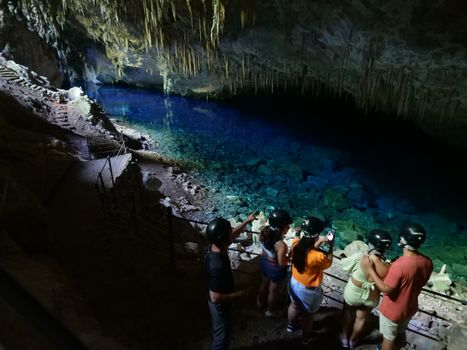
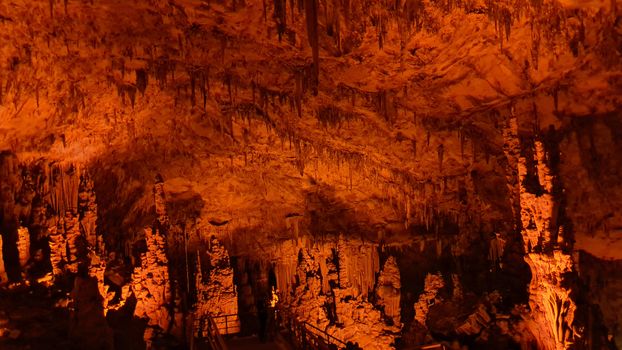
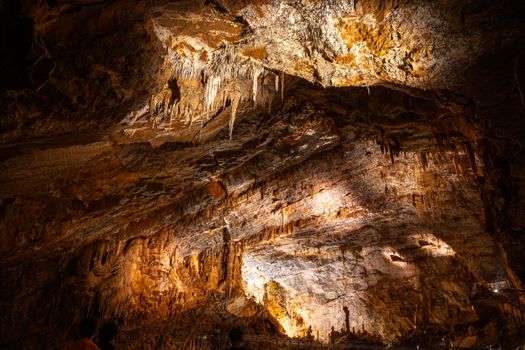
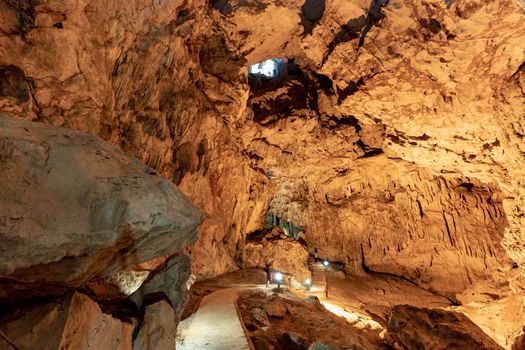
I stepped out of the blistering 95°F Mallorcan heat and into a narrow, damp rock fissure that smelled distinctly of wet calcium carbonate, salt air, and ancient soil. Within ten paces, the ambient roar of Mediterranean beachgoers evaporated, replaced by the rhythmic, echoey drip-drip-drip of water carving stalagmites out of the dark.
My skin prickled as the temperature plummeted to a crisp 64°F. I wasn't miles deep in an unmapped abyss wearing a headlamp and a harness. I was holding a cold espresso, wearing leather sneakers, and preparing to listen to a live classical quartet perform on a illuminated boat gliding across an underground lake.
By 3:00 PM, I was sitting back on a coastal terrace with a plate of sizzling gambas al ajillo, having just witnessed one of the world's great geological marvels in less than two and a half hours.
Subterranean exploration doesn't require a spelunking degree or a week-long wilderness permit. Leading luxury travel advisors frequently integrate quick-turnaround cave systems into seamless itineraries. These sites deliver jaw-dropping natural drama without swallowing your entire vacation.
Here are six elite, advisor-approved cave systems you can explore in an afternoon—complete with exact timing, insider hacks, and real logistics.
---
1. Cuevas del Drach (Mallorca, Spain): The Subterranean Symphony
Located on the eastern coast of Mallorca near Porto Cristo, the "Caves of the Dragon" extend for nearly two miles, reaching depths of 82 feet. Formed by Miocene-era limestone dissolved by seawater intrusion, the complex houses Lake Martel—one of the world's largest subterranean lakes.
```
+------------------+-----------------------------------------------------------+
| TOUR DURATION | 1 hour 15 minutes |
| ACCESS TYPE | Paved concrete path, lit walkways, minor stair climbs |
| HIGHLIGHT | Live 10-minute classical concert on subterranean boats |
+------------------+-----------------------------------------------------------+
```
The Experience
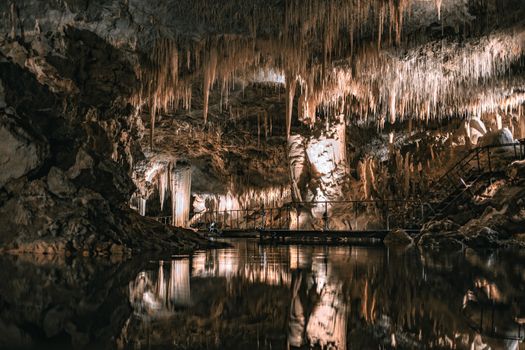
The tour winds through four vast caverns—Cueva Negra, Cueva Blanca, Cueva de Luis Salvador, and Cueva de los Franceses. The lighting design is deliberately subtle, casting dramatic silhouettes across delicate draperies and flowstones. The climax occurs at Lake Martel, where visitors take seats in a natural amphitheater carved from limestone.
The overhead lights fade into total pitch darkness. Then, three softly illuminated wooden boats glide across the glass-still water while musicians play pieces by Chopin, Offenbach, and Caballero.
> Pro-Tip: Book the 10:00 AM or 4:00 PM entry slot online at least three days in advance to skip the tour bus crowds. When entering the subterranean amphitheater, head for the seating on the far right wing; this puts you right next to the boat dock so you can be first in line for the post-concert lake crossing.
- Logistics & Cost: €17.50 online (€18.50 at the box office). A 45-minute drive from Palma de Mallorca via the Ma-15 highway.
---
2. Postojna Cave (Slovenia): The Underground Railway Adventure
Slovenia’s Karst region gave its name to the global geological term "karst topography," and Postojna is its crowning glory. Carved over millions of years by the Pivka River, this 15-mile network is one of the most cave-dense systems on the planet accessible to everyday travelers.
```
+------------------+-----------------------------------------------------------+
| TOUR DURATION | 1 hour 30 minutes |
| ACCESS TYPE | Electric subterranean open-air train + guided walking path|
| HIGHLIGHT | Riding a 140-year-old subterranean railway network |
+------------------+-----------------------------------------------------------+
```
The Experience
Postojna is famous for operating the world’s only two-track subterranean railway, opened in 1872. You board an open-top electric train that whisks you through two miles of cavernous, crystal-hung corridors at brisk speed.
After disembarking, a professional guide leads you through the Brilliant Passage—home to a striking, five-meter-tall brilliant-white stalagmite named "Brilliant"—and across the Russian Bridge, constructed by prisoners of war in 1916. You will also get a glimpse of the Proteus anguinus (the "human fish"), an endemic, blind subterranean salamander that can survive without food for up to eight years.
> Pro-Tip: Rent an audio guide at the entrance even if you have a human guide. It features hyper-specific speleological details omitted from the standard group spiel. Bring a down jacket—the cave maintains a strict 50°F (10°C) climate year-round, regardless of summer heat above ground.
- Logistics & Cost: €29.90–€31.90 for standard adult entry. Located 40 minutes southwest of Ljubljana via the A1 highway; regular daily shuttle buses depart from Ljubljana's central station.
---
3. Batu Caves (Kuala Lumpur, Malaysia): Rainbow Steps and Sacred Limestone
Rising dramatically above the Selangor suburbs, the Batu Caves comprise a series of massive 400-million-year-old limestone hill caverns that double as one of the most important Hindu shrines outside of India.
```
+------------------+-----------------------------------------------------------+
| TOUR DURATION | 2 to 3 hours |
| ACCESS TYPE | 272 steep, colorful concrete steps |
| HIGHLIGHT | Soaring open-air natural skylights inside Cathedral Cave |
+------------------+-----------------------------------------------------------+
```
The Experience
Your afternoon begins at the base of a towering limestone cliff, greeted by a magnificent 140-foot golden statue of Lord Murugan. Climbing the vibrant 272 rainbow-painted steps is a workout, but the reward is instant as you cross into the enormous Cathedral Cave (Temple Cave).
With ceiling heights exceeding 300 feet, light pours through natural collapses in the cavern roof, illuminating intricate Hindu shrines built directly into the ancient rock face. Incense drifts through the damp air, mingling with the wild, earthy scent of ambient jungle greenery clinging to the cave openings.
> Pro-Tip: Macaque monkeys line the staircase. Keep all food, water bottles, and loose items (sunglasses, phones) tucked inside a zipped backpack before you start the climb. To avoid both intense humidity and massive pilgrimage crowds, arrive between 2:00 PM and 3:30 PM when daytime heat drives most tour groups back to air-conditioned hotels.
- Logistics & Cost: Free entry to Cathedral Cave (small fees apply for Dark Cave or Villa Cave sections). Take the KTM Komuter train directly from KL Sentral to Batu Caves station (30 minutes, ~$1 USD).
---
4. Grotte di Castellana (Puglia, Italy): The White Alabaster Marvel
Tucked away in the heel of Italy’s boot, just a short drive from the whitewashed trulli homes of Alberobello, lies the Grotte di Castellana. Discovered in 1938, this subterranean complex stretches nearly two miles long and reaches depths of 230 feet.
```
+------------------+-----------------------------------------------------------+
| TOUR DURATION | 2 hours (Full Route) |
| ACCESS TYPE | Descending stairs, wet stone footpaths, modern safety rails|
| HIGHLIGHT | Grotta Bianca (The White Cave), world's brightest cave |
+------------------+-----------------------------------------------------------+
```
The Experience
The journey begins at Grave, an immense natural abyss featuring an opening to the sky where sunlight streams in, illuminating a central pile of ancient collapse debris. As you progress through the long, winding corridors, you'll pass formations named after their bizarre shapes: The Altar, The Camel, and The Tower of Pisa.
The full-route tour culminates at the Grotta Bianca (White Cave). Strictly protected and accessible only with a certified guide, this chamber is lined with pure, brilliant alabaster stalactites and eccentric, gravity-defying helictites that glisten under specialized cold-LED illumination like polished ivory.
> Pro-Tip: Always book the "Full Route" (3 kilometers) rather than the short route (1 kilometer). The short route turns back right before the Grotta Bianca, which is universally recognized by speleologists as one of the most pristine limestone chambers on Earth.
- Logistics & Cost: €18.00 for the full-route ticket. Located a 45-minute drive south of Bari airport. Pair this with a late afternoon lunch of hand-rolled orecchiette in nearby Polignano a Mare.
---
5. Harrison’s Cave (Barbados): Crystallized Waterways & Tram Comfort
If you prefer your subterranean exploration with zero physical strain, Harrison's Cave in the central uplands of Barbados is the gold standard of luxury accessibility.
```
+------------------+-----------------------------------------------------------+
| TOUR DURATION | 1 hour 30 minutes |
| ACCESS TYPE | Electric tram with driver and specialist guide |
| HIGHLIGHT | The Great Hall, featuring 50-foot subterranean waterfalls |
+------------------+-----------------------------------------------------------+
```
The Experience
Formed by underground streams cutting through the island’s coral-limestone bedrock, Harrison's Cave is an active, "living" cave system—meaning its speleothems are still actively growing as mineral-rich water drips continuously.
Guests board quiet, open-air electric trams that cruise smoothly along paved underground roadways. You'll glide past deep, clear emerald pools, cascading subterranean waterfalls, and towering white calcified draperies. At the lowest level, passengers step off the tram onto a custom viewing platform just feet away from a roaring underground stream that empties into a crystalline lagoon.
> Pro-Tip: If traveling on a cruise stopover, bypass the ship's shore excursion desk. Hire a local private driver at the Bridgetown port; you'll reach the caves 45 minutes before the tour buses, guaranteeing an almost private tram experience.
- Logistics & Cost: ~$60 USD per adult for the Signature Tram Tour. Located 30 minutes inland from West Coast resorts or the Bridgetown cruise dock.
---
6. Ruakuri Cave (Waitomo, New Zealand): A Canopy of Living Stars
While most travelers head straight to the heavily crowded main Waitomo Glowworm Cave, seasoned travel advisors divert their clients to nearby Ruakuri Cave. It offers a longer, far more intimate, and eco-friendly afternoon experience.
```
+------------------+-----------------------------------------------------------+
| TOUR DURATION | 2 hours |
| ACCESS TYPE | Spiral wheelchair-accessible ramp, suspension bridges |
| HIGHLIGHT | Macro-closeups of Arachnocampa luminosa glowworms |
+------------------+-----------------------------------------------------------+
```
The Experience
Your descent into Ruakuri begins down a striking, architectural spiral drum ramp that plunges into the earth without a single step. Once inside, elevated wooden walkways suspend you above rushing subterranean rivers and ancient fossilized sea shells embedded in limestone walls.
Unlike the main Waitomo cave where photography is strictly forbidden and tours move rapidly, Ruakuri permits photography (sans flash) and keeps group sizes strictly capped. Your guide will ask everyone to switch off their torches in deep limestone chambers, revealing thousands of tiny bioluminescent Arachnocampa luminosa glowworms hanging from the darkness above like miniature blue galaxies.
> Pro-Tip: Wear sturdy sneakers with good tread—the humidity inside Ruakuri hovers near 100%, making the metal bridge platforms slightly slick. Look for the tiny silk thread lines dropped by the glowworms; they catch the natural ambient moisture, glistening like microscopic crystal necklaces.
- Logistics & Cost: $89 NZD (~$55 USD). Located a 2.5-hour drive south of Auckland, ideal for a stopover en route to Rotorua or Taupo.
---
Quick Comparison: The Logistics Cheat-Sheet
To help you seamlessly integrate these afternoon subterranean runs into your next getaway, use this quick reference table:
| Cave System | Country | Best Time of Day | Ideal Season | Gear Required | Accessibility Level |
| :--- | :--- | :--- | :--- | :--- | :--- |
| Cuevas del Drach | Spain | 10:00 AM or 4:00 PM | May to October | Light sweater, grip shoes | Moderate (Stairs) |
| Postojna Cave | Slovenia | 9:00 AM or 3:30 PM | Year-round | Heavy jacket, warm socks | High (Train + flat paths) |
| Batu Caves | Malaysia | 2:00 PM - 4:00 PM | Shoulder season (Mar/Oct) | Shoulder cover, hydration | Low-Moderate (272 steps) |
| Grotte di Castellana| Italy | 11:00 AM (Full Route) | April to September | Fleece layer, sneakers | Moderate (Wet stairs) |
| Harrison's Cave | Barbados | 1:00 PM | Year-round | Casual clothes, camera | Maximum (Electric Tram) |
| Ruakuri Cave | New Zealand | 1:30 PM | November to March | Light rain jacket, sneakers| Maximum (Spiral ramp/flat) |
---
The Subterranean Packing List for Afternoon Explorers
Because these cave systems don't require technical gear, packing is simple. Keep these four items in your daypack:
- Compact Layering (Fleece/Packable Down): Cave temperatures remain constant year-round, usually ranging from 50°F to 64°F, regardless of blistering above-ground weather.
- Grippy, Rubber-Soled Footwear: Limestone paths are perpetually wet and slick due to active mineral drips. Skip slick-soled leather shoes or sandals.
- A Phone Lanyard or Wrist Strap: Dropping a phone into a 100-foot dark fissure or an underground stream means it is gone forever.
- Microfiber Lens Cloth: The high subterranean humidity will fog up camera lenses and smartphone screens within seconds of entry.
Exploring the underground world doesn't require sacrificing your entire day or lugging around heavy survival equipment. By selecting these advisor-vetted cave systems, you can witness millions of years of geological wonder in a single afternoon—and still make it back in time for sunset drinks.
---