The Unexpected Twin Across the Pacific
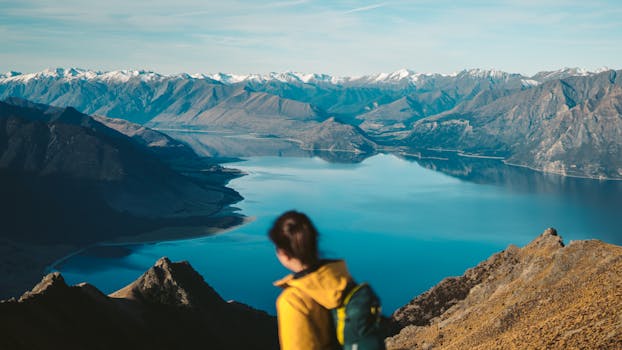
I stepped off the dirt gravel turnout near Washington’s Highway 20, sucked in a breath of air that smelled sharply of crushed cedar and glacial silt, and paused. Before me, Diablo Lake glowed with a wildly electric, opaque turquoise color so vivid it looked chemically altered. The air had that distinct alpine crispness—cool on the skin despite the bright midsummer sun—while jagged, snow-dusted horn peaks cut straight into the blue sky above.
If I hadn't driven four hours from Seattle, I would have sworn I was standing on the shores of Lake Pukaki on New Zealand’s South Island, staring up toward Aoraki / Mount Cook.
Travelers spend thousands of dollars and endure 17-hour flights to reach Aotearoa (New Zealand). But in July—when New Zealand is locked in the icy, damp clutches of Southern Hemisphere winter—the American continent explodes into peak alpine summer. Snow melts off high-elevation passes, wildflowers carpet mountain basins, and long, sun-drenched days stretch past 9:00 PM.
If you are planning your dream wilderness trip for July 2026, skip the long-haul winter flight to Auckland. These five American landscapes deliver the exact geological visual drama of New Zealand, right in your backyard.
---
1. North Cascades National Park, Washington: The American Milford Sound & Southern Alps
```
Landscape Match: Fiordland National Park & Mount Cook National Park
Key Vibe: Sheer granite walls, razor-sharp peaks, and neon-turquoise glacial lakes.
```
The North Cascades mountain range, often referred to as the "American Alps," contains over 300 active glaciers—more than any US park outside Alaska. The result is a landscape carved by ancient ice into narrow river valleys, vertical rock walls, and silt-fed lakes that reflect sky and granite like a mirror.
How It Mirrors New Zealand
Drive along Route 20 or take a boat down Lake Chelan, and the visual parallels to Fiordland and Lake Wakatipu are uncanny. The sheer rock drop-offs and rainforest-dense valley floors feel straight out of a Lord of the Rings location reel.
The Insider Playbook
* The Sights: Skip the overcrowded main overlook at Diablo Lake. Instead, drive 10 minutes further east to the Thunder Knob Trailhead. A 3.6-mile round-trip hike leads to a high bluff overlooking the lake's northern arm with zero highway noise.
* Pro-Tip: Stop at the Cascadian Farm Organic Stand on Route 20 in Rockport at precisely 8:30 AM on your way up. Order their homemade organic black raspberry ice cream and a double shot of dark roast espresso. Eat it at the wooden picnic tables behind the berry bushes while the valley fog lifts.
* July 2026 Timing: Highway 20 usually clears its winter snow pack by late May, but high-altitude passes like Cascade Pass aren't fully melt-free until the second week of July. Aim for July 12–25 for optimal wildflower blooms without winter snow blockage.
---
2. The San Juan Mountains, Colorado: Queenstown’s High-Alpine Sister
```
Landscape Match: Queenstown, Glenorchy, & The Remarkables
Key Vibe: Jagged, oxidized peaks looming over crystal-blue subalpine basins.
```
Southwestern Colorado does not look like the gentle, rolling Rocky Mountain National Park near Denver. The San Juan range is aggressive, raw, and steeply uplifted, featuring dramatic iron-rich red slate and granite needles that tower directly over historic mining towns.
How It Mirrors New Zealand
Standing in the town of Silverton looking up at the surrounding peaks feels eerily identical to standing in Glenorchy at the base of the Richardson Mountains. The high-alpine tarns—specifically Upper Ice Lake—boast a rich, deep royal blue identical to Lake Wanaka on an overcast afternoon.
The Insider Playbook
* The Trail: The Ice Lakes Basin Trail near Silverton is world-class, climbing through aspen groves, lower alpine meadows, and ending at a high-elevation cirque sitting at 12,270 feet.
* Pro-Tip: Parking at the South Mineral Campground trailhead fills up by 5:45 AM in July due to new wilderness permit caps implemented for ecological recovery. Bring $10 cash for the self-pay station or pre-book your day-use pass on Recreation.gov 60 days in advance.
* Local Fuel: Hit Avalanche Coffeehouse on Blair Street in Silverton post-hike. Order the "Miner’s Burrito" loaded with green chile and a side of locally brewed cold brew. The side entrance behind the weathered red wood door lets you duck straight into the outdoor garden courtyard without waiting in the main front line.
---
3. Sawtooth Wilderness, Idaho: A Wild Lake Wanaka
```
Landscape Match: Lake Wanaka & The Southern Lakes District
Key Vibe: Uncrowded jagged granite spires reflected in mirror-still alpine lakes.
```
Idaho remains one of America’s greatest wilderness secrets, and the Sawtooth Range near Stanley is its crown jewel. Rising abruptly out of the high desert basin, the Sawtooths form a sharp, tooth-like wall of granite that guards hundreds of pristine, crystal-clear lakes.
How It Mirrors New Zealand
The town of Stanley sits in a wide valley fronting a violent vertical mountain wall, mirroring the exact spatial relationship between Lake Wanaka and the surrounding peaks. The water clarity in Alice Lake and Sawtooth Lake easily rivals the famously clear waters of Lake Tekapo.
The Insider Playbook
* The Route: Hike the 12-mile loop up to Alice Lake. The highlight comes as you round the eastern shore and see "El Capitan"—a massive granite monolith—projecting directly into the water.
* Pro-Tip: Beat the midday heat by starting your hike from the Tin Cup Trailhead at Pettit Lake no later than 6:30 AM. The light hitting the peaks during sunrise turns the grey granite into a glowing, dusty rose hue.
* Where to Soak: After hiking 12 miles, skip the commercial hot springs. Head to Sunbeam Hot Springs along the Salmon River. Look for the pipe discharging steaming thermal water down the embankment into hand-built river-rock pools where hot geothermal water mixes perfectly with cold river currents.
---
4. Kenai Fjords National Park, Alaska: Doubtful Sound Unleashed
```
Landscape Match: Doubtful Sound, Milford Sound, & Fox Glacier
Key Vibe: Massive glacier tidewaters dropping directly into dark oceanic fjords.
```
If you want the sea-kayaking, seal-watching, dramatic sea-cliff vibe of Fiordland National Park's Doubtful Sound, head north to the Kenai Peninsula in Alaska. Here, the Harding Icefield feeds dozens of massive tidewater glaciers that carve deep ocean channels filled with sea otters, humpback whales, and floating icebergs.
How It Mirrors New Zealand
Resurrection Bay and Aialik Bay offer identical physical geometry to New Zealand’s South Island fjords: sheer green mountains springing thousands of feet directly out of black ocean water, complete with cascading hanging waterfalls fed by constant glacier runoff.
The Insider Playbook
* The Experience: Book a small-vessel wildlife charter (maximum 12 passengers) out of Seward Harbor instead of the massive 150-person catamarans.
* Pro-Tip: Request a route that visits Holgate Glacier. Smaller boats can maneuver within 300 yards of the calving face. Put on your rain shell, stand on the bow, and listen to the "white thunder"—the deafening roar of 1,000-year-old ice fracturing and dropping into the ocean.
* Local Secret: Eat dinner at Thorn’s Showcase Lounge in Seward. Order the "Bucket of Butt" (crispy deep-fried local Alaskan halibut) and ask for a pint of King Street IPA on draft. The bar looks like a 1970s retro lounge, but the seafood was caught in the bay hours prior.
---
5. Lassen Volcanic & Mono Lake, California: Rotorua Meets the Taupo Volcanic Zone
```
Landscape Match: Rotorua, Wai-O-Tapu, & Lake Taupo
Key Vibe: Steam vents, boiling mud pots, alpine sulfur lakes, and strange tufa towers.
```
New Zealand's North Island is defined by its roaring geothermal activity—geysers, bubbling neon mud pits, and sulfur-scented lakes around Rotorua. Northern and Eastern California pack this exact same geothermal energy into two adjacent, high-altitude regions: Lassen Volcanic National Park and Mono Lake.
How It Mirrors New Zealand
Lassen’s Bumpass Hell boardwalk traverses active steam vents, roaring fumaroles, and boiling mud cauldrons that look identical to Wai-O-Tapu thermal wonderland. Further south along Highway 395, Mono Lake's eerie calcium-carbonate tufa towers mirror the geothermal lake beds of Lake Rotorua.
The Insider Playbook
* The Trail: Walk the 3-mile roundtrip Bumpass Hell trail in Lassen. The scent of hydrogen sulfide hits you before you even round the ridge, revealing a hidden valley filled with turquoise acid pools and orange-streaked clay banks.
* Pro-Tip: Visit Mono Lake’s South Tufa Reserve at precisely 6:15 AM for sunrise. The pastel morning light hits the limestone spires while mirror-flat waters reflect the snow-capped Sierra Nevada crest in the background.
* Highway Fuel: Drive down Route 395 to Bishop and stop at Erick Schat’s Bakkery. Buy a fresh loaf of original Sheepherder Bread and a tub of house-made garlic herb butter. It’s dense, warm, and the ideal carb fuel for long driving days through California's high country.
---
Master Logistics & Budget Breakdown: USA vs. New Zealand (July 2026)
To help you decide where to direct your 2026 summer travel budget, here is how a 10-day road trip stacks up between domestic American routes and a traditional trip to New Zealand.
| Category | 10-Day US Alpine Road Trip (Pacific NW / Sierra) | 10-Day New Zealand Trip (South Island) |
| :--- | :--- | :--- |
| Airfare (Roundtrip from US Hub) | $250 - $550 (Domestic flight) | $1,600 - $2,400 (Long-haul international) |
| Seasonality / Weather | Peak Summer (70°F - 85°F, Long days) | Low Winter (35°F - 50°F, Short days, Snow/Rain) |
| Rental Vehicle (10 Days) | $550 - $800 (SUV/Campervan) | $700 - $1,100 (Winterized vehicle + chains) |
| Park Permits / Day Passes | $80 - $120 (America the Beautiful Pass) | $0 - $100 (DOC passes / access fees) |
| Daily Food & Dining Budget | $50 - $90 / day | $65 - $110 / day |
| Estimated Total Cost (Per Person)| ~$1,400 - $2,100 | ~$3,200 - $4,800 |
---
How to Plan Your July 2026 Adventure
To maximize your trip quality, timing is everything when booking high-demand US mountain destinations.
Timeline Checklist
* January 2026: Purchase your flights to major regional hubs (Seattle-Tacoma for North Cascades, Reno/Tahoe or Sacramento for Lassen/Mono Lake, Anchorage for Kenai, or Denver/Gunnison for the San Juans).
* February 2026: Secure overnight backcountry or camping permits. Campsite reservations on Recreation.gov for national parks open on a rolling 6-month window.
* May 2026: Reserve your rental vehicle (opt for an AWD or 4WD vehicle if exploring high mountain passes in Idaho or Colorado).
* July 2026: Pack high-altitude sun protection, a solid 3-layer outerwear system, microspikes for early-season high pass crossings, and a reusable water filter for mountain streams.
Final Verdict
New Zealand will always be a bucket-list legend. But when July rolls around in 2026, save yourself the brutal long-haul winter flight, massive carbon footprint, and high winter travel costs. Pack your hiking boots, fly into a Western US hub, and experience world-class alpine drama under warm, brilliant summer skies.
---