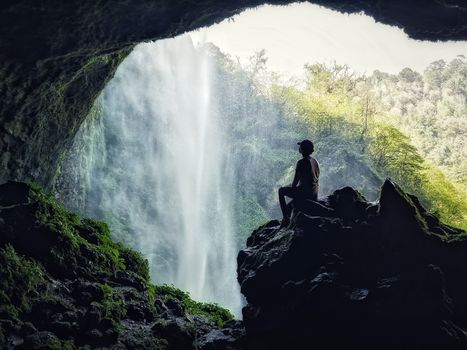
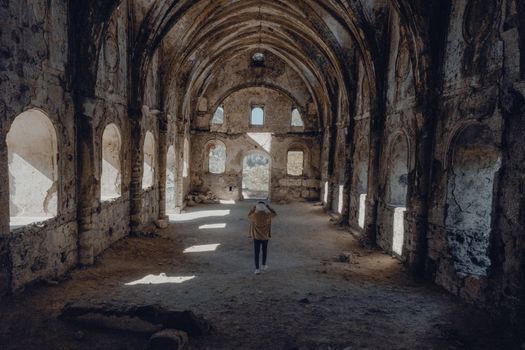
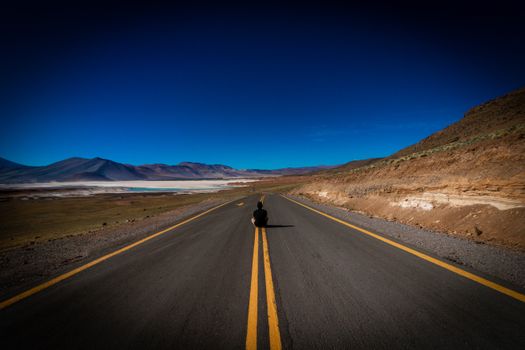
The crisp mountain air filled my lungs, but my heart felt… empty. I was standing on a breathtaking vista in the Dolomites, a view most people only dream of. Yet, as I gazed at the jagged peaks, a familiar pang of loneliness pricked at me. I’d been solo traveling for weeks, chasing sunsets and ticking off bucket list items, but something was missing. The freedom was exhilarating, yes, but the constant solitude, the lack of shared laughter over a local dish, the absence of a knowing glance with a stranger-turned-friend – it was starting to wear me down.
"Is this what solo travel is meant to be?" I wondered, snapping another photo for Instagram, a perfect facade masking a quiet ache. I realized then that I wasn't looking for just destinations; I was searching for connections. Not the fleeting kind with fellow backpackers on a pub crawl, but deeper, more authentic interactions – the kind that make a place feel like home, even if just for a day. The kind where locals, unjaded by mass tourism, genuinely welcome you into their world.
That moment of vulnerability sparked a new quest. I started seeking out places where community isn't a buzzword, but a way of life. Places where the rhythm of daily existence encourages interaction, where curiosity is met with warmth, and where the very fabric of the culture weaves strangers together. I wanted the secrets locals held close, the spots they cherished because they hadn't been overrun.
And I found them. These aren't just places to visit; they are places to belong, even if only for a short, beautiful while. If you're a solo traveler yearning for more than just sights, if you want to cure that sneaky travel loneliness and weave true human connection into your adventure, then bookmark this page. Because these are the destinations that will heal your wanderer's heart, places so special, the locals almost don't want you to know about them.
The Loneliness Paradox: Why "Popular" Isn't Always "Connected"
Before we dive into these incredible spots, let's talk about the elephant in the solo travel room: loneliness. It's a paradox. You travel to feel free, to explore, to meet people, yet often, in the most popular tourist hubs, you find yourself utterly alone amidst throngs of strangers. Why? Because these places are designed for consumption, not connection. Everyone is rushing, everyone is focused on their experience, and the locals? They're often too busy serving, or too jaded by the endless stream of visitors, to truly engage.
The destinations I'm about to share are different. They thrive on community, on shared moments, on the simple joy of human interaction. They are places where the pace slows down, where a smile is a genuine invitation, and where the most memorable experiences often happen spontaneously, over a shared meal or a quiet conversation.
---
1. Slovenia's Julian Alps: Where Nature's Grandeur Meets Heartfelt Hospitality
Forget the crowded streets of Ljubljana (lovely as it is!). Head west, deep into the Julian Alps, specifically the region around Lake Bohinj and the charming villages that dot its shores and valleys, like Stara Fužina or Ribčev Laz. While Lake Bled gets all the Instagram glory, Bohinj is its quieter, more authentic cousin, a place where Slovenian hospitality truly shines.
Why it Cures Loneliness:
The magic here lies in the mountains and the people who live among them. Hiking is a way of life, and the trails, while stunning, are rarely packed. You'll often find yourself striking up conversations with fellow hikers, sharing snacks, or even tackling a challenging ascent together. But the real connection happens back in the villages. Many accommodations are family-run guesthouses (called turistična kmetija or farm stays), where you're often welcomed like an old friend. Meals are frequently communal, featuring hearty, home-cooked Slovenian fare, and it’s not uncommon to be invited to share a schnapps with the owners or other guests. The locals here are genuinely warm, proud of their heritage, and eager to share stories (many speak excellent English).
My Anecdote:
I remember staying at a small guesthouse in Stara Fužina. On my first evening, I joined the other guests (a mix of German, Italian, and Slovenian families) for dinner. The owner, a jovial man named Franc, kept the local wine flowing and shared tales of the mountains. By the end of the night, we were all laughing, swapping travel stories, and planning to hike a trail together the next day. It felt less like a hotel and more like a family gathering. The next morning, Franc even packed me a homemade strudel for my hike!
Practical Tips & Details:
* Stay: Look for turistična kmetija (farm stays) or family-run guesthouses in villages like Stara Fužina, Ribčev Laz, or Studor. Expect to pay €40-€70 per night for a comfortable room, often with breakfast included.
* Activities: Join a guided hiking tour (many guesthouses can arrange this, or check local tourism offices), rent a rowboat on Lake Bohinj, visit local cheese makers, or simply spend an afternoon in a village pub.
* Getting Around: A car is ideal for exploring, but local buses connect the main villages to Bohinj and Bled.
* Connect: Don't be shy! A simple "Dober dan!" (Good day!) and a smile go a long way. Ask about local traditions or recommend a hiking trail.
---
2. Oaxaca, Mexico: A Vibrant Tapestry of Culture, Cuisine, and Community
Step into Oaxaca City, and you're not just entering a city; you're immersing yourself in a living, breathing cultural masterpiece. This UNESCO World Heritage site in southern Mexico is renowned for its incredible food, vibrant artisan traditions, and the unparalleled warmth of its Zapotec and Mixtec people. While popular, Oaxaca retains a profound sense of community that makes solo travelers feel instantly at home.
Why it Cures Loneliness:
Oaxaca is a feast for the senses and a haven for connection. The communal spirit is palpable everywhere, from bustling markets to shared mezcal tastings. Taking a cooking class isn't just about learning recipes; it's a hands-on, laughter-filled experience with fellow travelers and local instructors. Visiting artisan villages allows you to interact directly with families who have passed down crafts for generations. The street food scene encourages spontaneous conversations, and the city's countless festivals and celebrations invite everyone to partake in the joy.
My Anecdote:
My most cherished memory in Oaxaca was a mole cooking class. I joined a small group, and our instructor, a vibrant woman named Doña Elena, welcomed us into her home kitchen. We spent hours grinding chiles, toasting spices, and sharing stories over steaming pots. By the time we sat down to eat the magnificent mole negro we'd created, it felt like a family meal. We clinked glasses of mezcal, strangers united by the magic of Oaxacan cuisine. Later, I visited a family in Teotitlán del Valle to see their traditional weaving. They invited me into their home, showed me the entire process from wool to finished rug, and we shared sweet bread and coffee. It was an intimate glimpse into their lives that a regular tour could never provide.
Practical Tips & Details:
* Stay: Hostels like Hostal Casa Angel or boutique hotels like Hotel con Corazón (which invests profits into local education) offer great opportunities to meet people. Prices range from $20 for a hostel bed to $80-$150 for a nice boutique hotel.
* Activities: Book a cooking class (highly recommend Seasons of My Heart or Alma de Mi Tierra, $50-$100), visit artisan villages (Teotitlán del Valle for weaving, San Bartolo Coyotepec for pottery – hire a local guide or take a shared taxi), explore the Mercado Benito Juárez and Mercado 20 de Noviembre, attend a mezcal tasting, or simply wander the colorful streets.
* Connect: Engage with vendors at the market, ask questions in your cooking class, and don't be afraid to try out your Spanish (even a little goes a long way). Oaxacans are incredibly patient and appreciative.
---
3. The Faroe Islands: Rugged Isolation, Surprising Warmth
The Faroe Islands – a remote archipelago of 18 volcanic islands in the North Atlantic – might seem like an odd choice for curing loneliness. Its dramatic, often moody landscapes and remote villages scream "isolation." But it's precisely this remoteness, combined with a small, close-knit population, that fosters an incredible sense of community and connection for the solo traveler.
Why it Cures Loneliness:
With a population of just 50,000, everyone here knows everyone, or so it feels. This creates an environment where visitors, especially those exploring beyond the capital of Tórshavn, are noticed and often welcomed with genuine curiosity. Guesthouses and farm stays are common, offering a chance to interact with local families. Local pubs in Tórshavn are cozy and inviting, and shared experiences like puffin-watching tours or boat trips naturally bring people together. The sheer awe inspired by the landscape also creates an instant bond with fellow travelers.
My Anecdote:
I was caught in a sudden, fierce squall while exploring the village of Gásadalur (home to the iconic Múlafossur waterfall). Ducking into the tiny, only café, I found myself sharing a hot chocolate and stories with a local sheep farmer and two other drenched travelers. We ended up sharing a ride back to Tórshavn, exchanging contact info, and meeting up for dinner that night. It was an unexpected moment of camaraderie born from shared adversity and the unique, welcoming spirit of the Faroes. Another evening, I stumbled upon a 'folk music night' in a small Tórshavn pub, where locals and travelers alike were sharing songs and good cheer.
Practical Tips & Details:
* Stay: Look for guesthouses or Airbnb rooms in Tórshavn or smaller villages. You can sometimes find farm stays that include meals. Expect to pay €80-€150 per night.
* Activities: Hiking (many well-marked trails, or join a guided tour), boat trips to puffin colonies (Vestmanna bird cliffs), exploring remote villages like Saksun or Gjógv, visiting local museums, or simply enjoying a coffee and chat in a Tórshavn café.
* Getting Around: A rental car is highly recommended (~€50-€80/day) for flexibility. Public buses and ferries connect the islands, but schedules can be limited.
* Connect: Strike up conversations in pubs, guesthouses, or on tours. Faroese people are reserved but incredibly kind once you break the ice. Learn a few words of Faroese ("Góðan dag!" - Good day!) or Danish.
---
4. Kyoto's Lesser-Known Alleys, Japan: Serenity and Subtle Connections
Kyoto, with its ancient temples and geisha districts, is undeniably popular. Yet, beneath its well-trodden paths lies a quieter, more profound Japan that offers a unique antidote to solo travel loneliness. It's not about boisterous interaction, but about subtle, respectful connections found in shared moments of beauty, tradition, and quiet contemplation.
Why it Cures Loneliness:
Japanese culture, while often seen as reserved, has a profound appreciation for shared experiences and quiet hospitality. Solo dining is not only accepted but celebrated, particularly in small izakayas (informal bars) and ramen shops, where you can easily strike up a conversation with a friendly bartender or fellow diner. Participating in a traditional tea ceremony offers a meditative, shared experience. Staying in a ryokan (traditional inn) often includes communal meals and bathing. Exploring temples off the main tourist circuit allows for moments of shared serenity with locals and other respectful visitors.
My Anecdote:
One evening in Kyoto, I found myself in a tiny izakaya tucked away in a Pontocho alley. The bartender, a gentle man in his 60s, spoke a little English. Over small plates of yakitori and sake, we discussed my travels and his love for the city. He introduced me to another solo traveler at the counter, a woman from France, and soon we were all sharing stories and laughter. It wasn't loud or boisterous, but a warm, genuine connection born from a shared space and mutual curiosity. Another time, I spent an afternoon at a less-visited temple in the northern hills, Kurama-dera. The peace was palpable, and I found myself sharing quiet, knowing smiles with other visitors, a silent acknowledgment of the beauty we were experiencing together.
Practical Tips & Details:
* Stay: Consider a traditional ryokan experience (though pricey, ¥10,000-¥30,000/night) for communal meals and cultural immersion. Otherwise, guesthouses and boutique hotels offer good value (¥5,000-¥15,000/night).
* Activities: Seek out small izakayas and ramen bars, join a tea ceremony (many options available, ¥3,000-¥6,000), take a cooking class focusing on Kyoto cuisine, visit temples and gardens outside the main tourist areas (e.g., Ohara, Kurama), or explore Nishiki Market for culinary delights.
* Connect: Learn a few Japanese phrases ("Arigato," "Konnichiwa"), be polite and respectful, and don't be afraid to ask questions. Japanese people are often delighted to help.
---
5. The Algarve's Authentic Villages, Portugal: Beyond the Beaches
When you think of Portugal's Algarve, you might picture bustling resorts and crowded beaches. But venture east or inland, and you'll discover a different Algarve – one of charming, authentic fishing villages and sleepy hillside towns where the pace of life slows, and community spirit thrives. Think Tavira, Olhão, or the serene hills of Monchique.
Why it Cures Loneliness:
These towns offer a more genuine Portuguese experience. Family-run tascas (traditional restaurants) welcome you with open arms, often treating you like a long-lost relative. Local markets are vibrant hubs of activity where vendors are happy to chat. Fado nights in intimate settings create a shared emotional experience. The slower pace encourages lingering conversations over coffee or a glass of wine, and the warmth of the Portuguese people is infectious.
My Anecdote:
In Tavira, I stumbled upon a tiny, unassuming tasca down a cobbled alley. The owner, a sweet elderly woman, spoke no English, and my Portuguese was rudimentary, but we communicated through gestures and smiles. She served me the freshest grilled fish I'd ever tasted and a glass of local wine. By the end of the meal, she brought out a small glass of medronho (local firewater) on the house and gave me a warm hug goodbye. It was a simple interaction, but it filled me with a profound sense of connection and belonging. In Olhão, I spent a morning at the famous fish market, chatting with the fishermen and buying fresh produce, feeling like a part of the daily rhythm.
Practical Tips & Details:
* Stay: Look for guesthouses, small boutique hotels, or even Airbnbs in the historic centers of towns like Tavira or Olhão. Prices range from €40-€100 per night.
* Activities: Explore the local markets, enjoy fresh seafood at a tasca, take a boat trip to the islands of Ria Formosa (from Olhão), attend a fado night (often free with a meal), or hike in the Monchique hills.
* Connect: Engage with market vendors, try to order in Portuguese (even if imperfect), and embrace the slower pace of life. Portuguese people are generally very friendly and love to share their culture.
---
6. Matera, Italy: Ancient Caves, Enduring Community
Matera, a UNESCO World Heritage site in Southern Italy, feels like stepping back in time. Famous for its Sassi (ancient cave dwellings), it's a place of stark beauty and profound history. While gaining popularity, its unique layout and a strong local identity mean that genuine connection is still very much at its heart.
Why it Cures Loneliness:
Matera's labyrinthine Sassi naturally encourage exploration and shared discovery. Many accommodations are built into the caves, often family-run, offering an intimate stay. The small, winding streets lead to unexpected plazas where locals gather for evening passeggiata (stroll). Cooking classes focusing on regional Lucanian cuisine are incredibly hands-on and social. The sheer wonder of Matera often prompts spontaneous conversations with fellow travelers and locals alike, as everyone is captivated by its magic.
My Anecdote:
I opted for a cave guesthouse in Matera, run by a charming elderly couple. Each morning, I'd share breakfast with them and other guests, swapping stories over strong Italian coffee and homemade pastries. One evening, after getting delightfully lost in the Sassi, I stumbled upon a small, family-run restaurant. The owner, seeing me alone, brought out a complimentary glass of local wine and shared a few anecdotes about growing up in the Sassi. It was a simple gesture, but it made me feel completely at ease and part of the Matera story.
Practical Tips & Details:
* Stay: Book a cave hotel or guesthouse within the Sassi for an immersive experience. Prices can range from €70-€150 per night.
* Activities: Take a guided tour of the Sassi to understand its history, visit the rock churches, join a cooking class focusing on Lucanian cuisine (ask your guesthouse for recommendations), or simply wander and get lost in the ancient alleys.
* Connect: Many locals in the Sassi are proud of their heritage and happy to share stories. Smile, say "Ciao," and be open to conversations in small cafes or restaurants.
---
7. Georgian Wine Region, Kakheti: Toasts, Traditions, and True Hospitality
Georgia, nestled at the crossroads of Europe and Asia, is a country of breathtaking landscapes, ancient history, and perhaps the most genuinely hospitable people on Earth. The Kakheti region, its prime wine-growing area, is particularly special for solo travelers seeking connection. Forget lonely wine tastings; here, every sip comes with a story and a newfound friend.
Why it Cures Loneliness:
Georgian hospitality, known as supra, is legendary. If you're invited to a meal, prepare for an evening of endless food, wine, and heartfelt toasts led by a tamada (toastmaster). Even without a formal invitation, staying at a guesthouse or visiting a family-run winery often means being welcomed into the fold. Georgians are incredibly proud of their culture and eager to share it. Wine is a communal experience, and the country's ancient winemaking traditions foster deep connections.
My Anecdote:
My time in Kakheti was a blur of incredible food, qvevri wine (made in clay amphorae), and unexpected friendships. I stayed at a small guesthouse in Sighnaghi. On my first night, the family invited me to join their dinner. What followed was an unforgettable supra with their relatives, neighbors, and other guests. The tamada led toasts to peace, family, ancestors, and friendship, and I found myself laughing, dancing, and sharing heartfelt stories with people I'd just met. It was an overwhelming, beautiful experience that instantly dissolved any sense of being alone. I left feeling like I had a new Georgian family.
Practical Tips & Details:
* Stay: Opt for family-run guesthouses in towns like Sighnaghi or Telavi. Prices are incredibly reasonable, often €20-€40 per night, and frequently include breakfast and sometimes dinner.
* Activities: Visit family-run wineries (many offer tours and tastings, often free or very low cost if you buy wine), explore ancient monasteries (e.g., Bodbe, Alaverdi), hike in the surrounding hills, or simply enjoy the vibrant local markets.
* Connect: Be open to invitations, accept food and drink (it's rude to refuse!), and participate in toasts. Learning a few Georgian phrases like "Gaumarjos!" (Cheers!) will earn you instant smiles and warmth.
---
The Secret Ingredient: Your Open Heart
These destinations offer a unique recipe for curing solo travel loneliness, but the most crucial ingredient is you. An open mind, a curious spirit, and a willingness to step outside your comfort zone are what truly unlock these connections. Put down your phone, look up, and smile. Ask questions. Accept invitations. Be present.
Solo travel isn't about being alone; it's about being free to connect with the world and yourself on your own terms. And in these hidden corners, away from the tourist hordes, you'll find that the world is waiting to embrace you.
So, where will your next connection-rich adventure take you?
Share your own "loneliness-curing" destinations in the comments below! We'd love to hear your stories of genuine connection on the road.
---