Beyond the Postcard: Solo Travel Destinations That Cure Loneliness (Before They Go Mainstream)
The rain was lashing against the window of my hostel dorm in a popular European capital. Outside, the cobbled streets were teeming with groups of friends, couples holding hands, and families laughing. Inside, I was curled up on my bunk, scrolling through Instagram, feeling a familiar pang of loneliness. I'd been on the road for weeks, chasing the "solo travel dream," but in a city packed with millions, I felt utterly, completely alone.
It was a stark realization: solo travel isn't a guaranteed cure for loneliness. In fact, in highly touristed areas, it can sometimes amplify it. You’re surrounded by people, yet often lack genuine connection. That moment sparked a shift in my travel philosophy. I started seeking out places before the masses descended, destinations where authentic human connection wasn't just possible, but often unavoidable. Places where the warmth of a local smile, a shared meal, or a spontaneous conversation could truly mend the soul.
This isn't about avoiding people; it's about finding the right people and the right kind of connection. It's about discovering destinations where community thrives, where hospitality is a way of life, and where being a solo traveler isn't an oddity, but an invitation.
Forget the usual suspects. If you're ready to trade the isolation of a bustling tourist trap for the genuine embrace of an emerging gem, grab your passport. These are the places that will cure your loneliness, one unforgettable interaction at a time.
1. Slovenia: The Julian Alps & Lake Bohinj – Where Nature Nurtures Connection
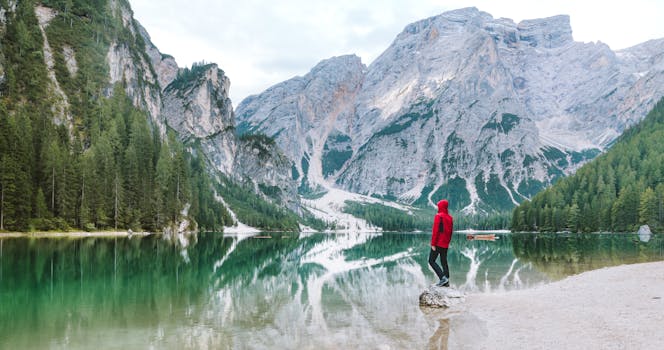
Mention Slovenia, and most people think of Lake Bled. Beautiful, yes, but often teeming. My first trip to Slovenia, I made a detour to the Julian Alps, specifically the area around Lake Bohinj, and it was a revelation. This isn't just a picturesque landscape; it's a living, breathing community deeply connected to its stunning natural surroundings.
Why it Cures Loneliness:
Slovenians, especially outside the capital, are incredibly warm and welcoming. The slower pace of life in the mountains encourages genuine interaction. Hiking trails lead to mountain huts where communal meals are the norm, and the shared effort of a climb fosters instant camaraderie. Plus, the sheer beauty of the place is a balm for the soul, making you feel connected to something larger than yourself.
My Anecdote:
I remember staying at a family-run guesthouse near Stara Fužina. On my first evening, the owner, a jovial woman named Ana, insisted I join her family for dinner. We feasted on kranjska klobasa (local sausage) and potica (nut roll), washed down with homemade schnapps. Despite the language barrier, her son, a university student, translated stories of local folklore and hiking tips. By the end of the night, I felt like an honorary member of the family, sharing laughter and warmth that transcended any words.
Practical Details:
* Getting There: Fly into Ljubljana (LJU), then take a bus or rent a car (highly recommended for flexibility) to Lake Bohinj. The drive is scenic and takes about 1.5-2 hours.
* Where to Stay: Look for guesthouses (like Guesthouse Štrudl) or farm stays (agritourism) around Stara Fužina or Ribčev Laz. They often offer meals and a chance to interact with hosts. Hostels in Bohinj are also excellent for meeting fellow hikers.
* Activities for Connection: Join guided hiking or kayaking tours (local agencies like Hike&Bike Slovenia offer small group options), volunteer at a local farm for a day, attend a local festival if your timing is right, or simply strike up conversations in mountain huts over a beer.
* Budget: Slovenia is moderately priced. Expect €25-€50 for a guesthouse room, €10-€20 for a main meal. Local buses are affordable.
* Instagram-Worthy: Sunrise over Lake Bohinj, the emerald waters of the Savica Waterfall, panoramic views from Vogel mountain (accessible by cable car), the charming alpine villages.
2. Georgia: Kakheti & Svaneti – The Land of Supra and Mountains
Georgia is a country that practically invented hospitality. Their ancient tradition of supra (feast) is all about sharing food, wine, and stories. While Tbilisi is gaining popularity, venturing into the wine region of Kakheti or the rugged mountains of Svaneti offers an unparalleled opportunity for connection.
Why it Cures Loneliness:
Georgians are fiercely proud of their culture and incredibly generous. As a solo traveler, you're not just a tourist; you're often treated as an honored guest. The shared experience of a supra, a hike through the Caucasus, or a stay in a guesthouse where the family insists on feeding you until you burst, creates bonds that last.
My Anecdote:
In Sighnaghi, Kakheti, I booked a wine tasting at a small family vineyard. What started as a tasting quickly turned into a multi-hour supra with the family, their neighbors, and a couple of other travelers. The tamada (toastmaster) led us through a series of eloquent toasts – to friendship, to peace, to ancestors – each followed by clinking glasses of homemade amber wine. We sang polyphonic songs, shared stories through broken English and enthusiastic hand gestures, and danced until the early hours. I arrived alone, but left feeling like I'd found a new family.
Practical Details:
* Getting There: Fly into Tbilisi (TBS). Marshrutkas (shared mini-vans) are the main mode of transport to regions like Kakheti and Svaneti, offering a local experience. For Svaneti, consider a flight from Natakhtari (near Tbilisi) to Mestia for time-saving.
* Where to Stay: In Kakheti, guesthouses in Sighnaghi or Telavi are excellent. In Svaneti, Mestia and Ushguli offer countless family-run guesthouses. Look for places that include meals.
* Activities for Connection: Join a wine tour in Kakheti (many are small group or private, led by locals), take a cooking class for Khinkali or Khachapuri, hike the trails of Svaneti (often with guides or fellow travelers), or simply accept any invitation for tea or a meal.
* Budget: Georgia is incredibly affordable. Guesthouses with meals can be as low as €20-€40/night. Marshrutka rides are a few euros.
* Instagram-Worthy: The colorful balconies of Sighnaghi, ancient monasteries nestled in vineyards, the stone tower-houses of Mestia and Ushguli against the backdrop of the Caucasus, a bustling Georgian market.
3. Colombia: Salento & The Coffee Region – Where Every Sip is a Story
Colombia has shed its past reputation and emerged as a vibrant, welcoming destination. While Cartagena and Medellín are popular, the Zona Cafetera (Coffee Region), particularly the charming town of Salento, offers a more intimate and genuinely connecting experience for solo travelers.
Why it Cures Loneliness:
The "Paisas" (people from this region) are renowned for their warmth, friendliness, and infectious joy. In Salento, the pace is relaxed, making it easy to strike up conversations. Coffee farm tours are inherently social, and the hostels here are known for their communal vibe, without being overwhelming party hubs.
My Anecdote:
I signed up for a coffee farm tour just outside Salento. Our guide, Don Elias, a third-generation coffee farmer with a twinkle in his eye, shared his life story as passionately as he explained the coffee-making process. Later, back in town, I joined a group of fellow hostel-goers for a game of Tejo (a traditional Colombian sport involving gunpowder and beer). The sheer absurdity and shared laughter as we tried (and mostly failed) to hit the target created an instant bond. We ended up sharing dinner and stories until late, a perfect antidote to any lingering solitude.
Practical Details:
* Getting There: Fly into Pereira (PEI) or Armenia (AXM), then take a shared jeep (Willy) or bus to Salento.
* Where to Stay: Salento has fantastic hostels like La Serrana Eco Farm Hostel (a bit outside town, with stunning views and a social atmosphere) or Coffee Tree Boutique Hostel (central, cozy, and great for meeting people).
* Activities for Connection: Take a coffee farm tour (Finca El Ocaso is popular), hike the Valle de Cocora (easily done with others from your hostel), try a Tejo game, learn to dance salsa in a local bar, or simply enjoy people-watching and chatting in the main plaza.
* Budget: Very budget-friendly. Hostels are €10-€20/night, meals €5-€10. Coffee tours around €10-€15.
* Instagram-Worthy: The towering wax palms of Valle de Cocora, colorful traditional jeeps (Willys), vibrant Salento street art, misty coffee plantations, a freshly brewed cup of Colombian coffee.
4. Portugal: The Azores Islands – Volcanic Beauty & Island Community
Move over, mainland Portugal! The Azores, a remote archipelago in the Atlantic, offer a different kind of Portuguese charm. These nine volcanic islands are a haven for nature lovers and those seeking a slower pace, where community ties are strong. São Miguel is the largest and most developed, but even here, genuine connection is easy to find.
Why it Cures Loneliness:
The islanders are resilient, proud, and incredibly welcoming. Life here revolves around the sea, the land, and family. As a solo traveler, you'll find it easy to join small group tours (especially for whale watching or hiking), strike up conversations in local tascas (taverns), or simply be embraced by the laid-back island vibe. The sheer isolation of the islands fosters a sense of shared journey amongst visitors and locals alike.
My Anecdote:
On São Miguel, I booked a small-group tour to explore the Sete Cidades caldera. Our guide, a passionate Azorean named João, shared not just geological facts but personal stories of growing up on the island. Over lunch at a tiny local restaurant, he introduced me to the owner, who insisted I try her cozido das furnas (a stew cooked by volcanic steam). By the end of the day, the small group of us felt like old friends, bonded by the shared wonder of the landscape and João's infectious enthusiasm.
Practical Details:
* Getting There: Fly into Ponta Delgada (PDL) on São Miguel. Inter-island flights or ferries connect the other islands.
* Where to Stay: Guesthouses or small boutique hotels are common. Hostels like Out of the Blue in Ponta Delgada are excellent for meeting people.
* Activities for Connection: Join whale and dolphin watching tours, go canyoning or hiking with a local guide, visit a tea plantation and chat with the workers, or simply frequent local cafes and restaurants where conversations flow easily.
* Budget: Moderately priced. Accommodation €40-€80/night, meals €10-€25. Car rental is recommended for exploring the islands (around €30-€50/day).
* Instagram-Worthy: The twin lakes of Sete Cidades, geothermal hot springs of Furnas, dramatic coastal cliffs, lush green hills, panoramic views from Miradouro da Boca do Inferno, fresh seafood platters.
5. Vietnam: The Ha Giang Loop – Epic Landscapes, Authentic Homestays
Vietnam is a solo traveler's dream, but if you want to escape the well-trodden paths of Halong Bay and Hoi An for something truly raw and connecting, head north to the Ha Giang Loop. This four-day motorbike (or easy rider) adventure through Vietnam's northernmost province is an experience that forges bonds like no other.
Why it Cures Loneliness:
The Ha Giang Loop isn't just a scenic drive; it's an immersion into the lives of Vietnam's ethnic minority communities. Staying in homestays, sharing meals with local families, and navigating the winding mountain roads alongside fellow travelers creates an intense sense of camaraderie and shared adventure. The simplicity of life here, far from modern distractions, encourages genuine human interaction.
My Anecdote:
I opted for an "easy rider" (riding on the back of a local's motorbike) for the Ha Giang Loop. My guide, a young H'mong man named Pao, spoke limited English but communicated volumes through his smiles and gestures. We stayed in a homestay in Dong Van where the family invited us to share their dinner, which included homemade rice wine. Despite the language barrier, the warmth of their hospitality and the shared experience of the day's incredible journey created a profound sense of belonging. The next morning, I watched the sunrise over the Karst mountains, feeling utterly connected to the world and the people around me.
Practical Details:
* Getting There: Take an overnight sleeper bus from Hanoi to Ha Giang city. From there, organize your motorbike rental or easy rider.
* Where to Stay: Homestays are the quintessential experience on the Loop. They are basic but offer incredible cultural immersion and often include dinner and breakfast.
* Activities for Connection: The entire Loop is an activity! Share the road with fellow travelers, engage with your easy rider or homestay hosts, visit local markets, and simply soak in the stunning landscapes. Consider a small group tour if you prefer not to ride solo.
* Budget: Very budget-friendly. The entire 4-day loop (including bike rental/easy rider, accommodation, and food) can be done for €150-€250.
* Instagram-Worthy: The Mã Pí Lèng Pass (one of the most spectacular roads in the world), terraced rice fields, vibrant ethnic minority markets, traditional H'mong villages, the Dong Van Karst Plateau Geopark.
6. Mexico: Oaxaca City & Surrounding Valleys – A Tapestry of Culture and Cuisine
Mexico is vast and varied, but Oaxaca City stands out as a cultural powerhouse, a haven for artists, foodies, and those seeking deep immersion. While it's certainly on the radar, it hasn't yet reached the overwhelming tourist saturation of some other Mexican cities, making it perfect for solo connection.
Why it Cures Loneliness:
Oaxacans are fiercely proud of their indigenous heritage, art, and food, and they love to share it. The city's vibrant plazas, bustling markets, and numerous workshops and classes (cooking, weaving, pottery) provide endless opportunities to connect with locals and fellow travelers who share your interests. The pace is relaxed, making it easy to linger and engage.
My Anecdote:
I signed up for a mezcal tasting tour that took us to several small, family-run palenques (mezcal distilleries) in the valleys outside Oaxaca City. Our guide, a passionate Oaxacan, translated stories from the mezcaleros about their craft, their families, and their connection to the land. We sampled different agave varieties, shared communal meals, and learned about the spirit's cultural significance. By the end of the day, the group of strangers had bonded over shared sips and stories, and I left with a deeper appreciation not just for mezcal, but for the people who make it.
Practical Details:
* Getting There: Fly into Oaxaca International Airport (OAX).
* Where to Stay: Oaxaca has beautiful boutique hotels, charming guesthouses, and excellent hostels like Hostal Central or Casa Angel Youth Hostel, which are great for meeting people.
* Activities for Connection: Take a cooking class (like at Casa Crespo or El Sabor Zapoteco), learn Spanish at a local language school, join a guided tour to nearby artisan villages (Teotitlán del Valle for weaving, San Bartolo Coyotepec for black pottery), explore the bustling Mercado Benito Juárez, or simply enjoy the evening atmosphere in the Zócalo (main square).
* Budget: Moderately budget-friendly. Hostels €15-€30, guesthouses €40-€80. Meals can range from €3 street food to €20 for a nice restaurant.
* Instagram-Worthy: The intricate patterns of Monte Albán ruins, vibrant street art, colorful textiles in artisan markets, a steaming bowl of mole, the bustling energy of the Zócalo, a mezcal tasting glass.
Tips for Cultivating Connection on Your Solo Journey
Heading to these incredible destinations is just the first step. Here's how to maximize your chances of curing loneliness and fostering genuine connections:
- Choose the Right Accommodation: Hostels with common areas (but maybe a private room for introverts), guesthouses, or homestays are far better for meeting people than anonymous hotels. Look for places with communal dinners or activities.
- Embrace Group Activities: Cooking classes, walking tours, hiking groups, language exchanges, or volunteer opportunities are fantastic ways to meet like-minded people with shared interests.
- Learn Basic Phrases: A simple "hello," "thank you," and "how are you?" in the local language goes a long way in breaking the ice and showing respect. Google Translate is your friend!
- Be Open and Approachable: A smile, eye contact, and an open posture invite interaction. Don't be afraid to initiate conversations. Ask questions, listen actively, and share a bit about yourself.
- Dine Locally: Eat at small, family-run restaurants or street food stalls. You're more likely to strike up a conversation with the owners or other patrons than in a fancy, quiet restaurant.
- Spend Time in Communal Spaces: Sit at the bar, relax in a park, or hang out in your hostel's common room. These are natural places for conversations to begin.
- Limit Screen Time: Put down your phone. Look up, observe, and be present. The more engaged you are with your surroundings, the more likely you are to connect with people in real life.
- Carry a Journal: Even if you don't connect with others every moment, journaling helps process your experiences and feelings, fostering a deeper connection with yourself.
Conclusion: Your Journey to Connection Awaits
Solo travel is a profound journey of self-discovery, but it doesn't have to be a lonely one. By choosing destinations that prioritize authentic human connection and embracing a mindset of openness, you can transform your solo adventures into deeply enriching experiences. These places – Slovenia, Georgia, Colombia, the Azores, Ha Giang, and Oaxaca – are not just points on a map; they are invitations to connect, to learn, and to truly belong.
So, are you ready to trade the feeling of being a lone wolf in a crowded city for the warmth of a shared meal in a mountain village, or the laughter of new friends on a coffee farm? The world is waiting, and these hidden gems are calling your name.
Which of these destinations sparks your wanderlust the most? Or do you have a secret solo travel spot that cured your loneliness? Share your thoughts and tips in the comments below! Let's inspire each other to travel deeper, connect genuinely, and discover the true joy of solo exploration.
---