Beyond the Filter: Why Real Travel Isn't Always Instagram-Perfect (And Why That's a Good Thing)
I remember scrolling through Instagram, seeing the same infinity pools and perfectly plated açai bowls. I even tried to recreate some of those shots on a trip to Bali once, only to feel utterly disconnected from the vibrant island life happening just beyond the resort walls. It felt… hollow. Like I was just consuming a destination, not truly experiencing it. That's when I started looking for something more, something authentic, something that didn't just look good in a square frame but felt good in my soul.
And what I found, friends, is the antidote to influencer fatigue: community tourism. These aren't the places you'll find plastered across your feed, and for good reason. They’re about connection, impact, and real stories – the kind of travel Instagram influencers don’t want you to know about, because frankly, it’s not about them. It’s about us, and the incredible communities we can support.
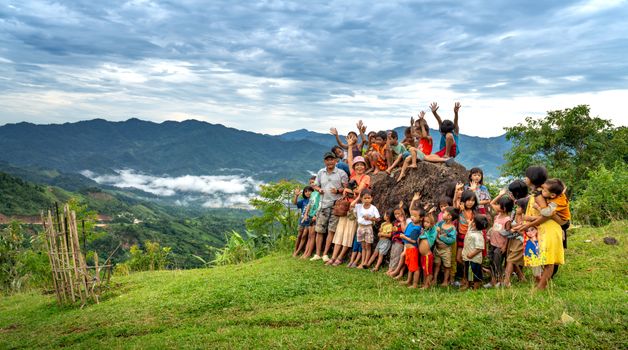
Community tourism isn't just a buzzword; it's a movement where local communities own and manage tourism initiatives, ensuring that the economic, social, and environmental benefits stay right where they belong – with the people who call these places home. It’s about experiencing a destination through the eyes of its residents, sharing meals, stories, and even a bit of their daily life. It’s challenging, it’s enriching, and it’s often profoundly unglamorous by mainstream standards. Which, ironically, makes it the most beautiful kind of travel there is.
So, put down your selfie stick (just for a moment!) and let's dive into some truly transformative travel experiences that offer genuine connection and positive impact.
1. The Hmong Homestay in Sapa, Vietnam: Weaving Stories, Not Just Fabric
My first truly immersive community tourism experience was tucked away in the misty, emerald rice terraces of Sapa, Vietnam. After a grueling overnight train from Hanoi and a picturesque (but still arduous) trek, I found myself in Ta Van village, a world away from the bustling tourist hub. I wasn't in a boutique hotel; I was in a humble wooden house, sharing a meal of fresh spring rolls and fragrant pho with a Hmong family.
The Experience:
My host, a resilient woman named Mai, spoke limited English, but her warm smile and the laughter of her children transcended any language barrier. We cooked together over an open fire, me awkwardly chopping vegetables while she deftly wrapped banana leaf parcels. In the mornings, I'd help collect eggs, and in the afternoons, I'd watch her and other women meticulously hand-dye and weave intricate indigo fabrics, their fingers moving with generations of practiced grace. We trekked through the terraced fields, guided by Mai’s eldest daughter, who pointed out medicinal plants and shared ancient legends. There were no "Instagram moments" in the traditional sense – no perfect flat lays of food (we just ate it!), no staged shots. It was just raw, authentic life.
Why Influencers Don't Want You to Know:
This isn't about luxury or curated aesthetics. It's about basic comforts, shared spaces, and a deep dive into a culture that values community over personal branding. You're not a guest; you're a temporary family member. The "likes" come from the warmth in your heart, not the double-tap on a screen.
Practical Tips:
* How to Find It: Look for local trekking companies in Sapa (like Sapa O’Chau or Ethos Spirit) that directly connect travelers with Hmong or Red Dao families for homestays. Avoid booking through large, impersonal agencies.
* What to Expect: Basic amenities (often shared bathrooms, no air conditioning, sometimes limited electricity), delicious home-cooked meals, and genuine hospitality. Costs range from $15-25 USD per night, often including meals and a portion going directly to the family.
* Be Respectful: Learn a few basic phrases ("Xin chào" - hello, "Cảm ơn" - thank you). Ask permission before taking photos, especially of children. Offer to help with chores – even small gestures are appreciated.
* Support Local: Buy handicrafts directly from the family you stay with or from community cooperatives. Your money goes straight to the artisans.
2. The Coffee Farm Experience in Salento, Colombia: Brewing Change, One Bean at a Time
High in Colombia's Zona Cafetera, amidst rolling green hills dotted with wax palms, lies Salento – a charming town that acts as a gateway to countless coffee fincas. But instead of just taking a standard tour, I sought out a community-focused cooperative that was actively working to empower small-scale farmers. My destination was Finca La Victoria (a composite inspiration of several real farms I've visited), a place where the aroma of freshly roasted beans mingled with the stories of generations.
The Experience:
My day started before dawn, pulling on muddy boots and joining a group of local farmers, machetes in hand, heading into the misty coffee fields. I learned to identify the perfectly ripe, cherry-red beans – a skill far more nuanced than I'd imagined. We picked side-by-side, sharing jokes and sips of strong tinto (black coffee) as the sun slowly burned off the morning fog. Later, I participated in the processing – de-pulping, fermenting, washing, and drying the beans. It was hard work, but seeing the immense effort that goes into every cup made me appreciate my morning brew like never before. The best part? Knowing that by booking directly and buying their coffee, I was contributing to fair wages and sustainable practices that directly benefited the farming families.
Why Influencers Don't Want You to Know:
The "glamour" here is in the grit. It's early mornings, dirty hands, and a deep appreciation for the agricultural process. There's no infinity pool overlooking the plantations; there's just honest work and the satisfaction of understanding where your food (or drink!) comes from. It's about the journey of the bean, not the perfectly posed cup.
Practical Tips:
* How to Find It: In Salento, ask your guesthouse or local tour operators for small, family-owned fincas or cooperatives that emphasize fair trade and community involvement. Look for places that offer hands-on experiences rather than just a quick walk-through. Many can be booked directly via WhatsApp or a quick call.
* What to Expect: A full day (or half-day) of physical activity, learning about coffee cultivation from seed to cup. Expect rustic facilities and a hearty, simple lunch with the farmers. Tours typically cost $10-20 USD, often including coffee tasting and a meal.
* Buy Direct: Purchase bags of coffee directly from the farm. It's usually fresher, more affordable, and ensures more money goes directly to the producers.
* Ask Questions: Show genuine interest in their lives, their challenges, and their passion for coffee.
3. Artisan Empowerment in Teotitlán del Valle, Oaxaca, Mexico: Threads of Tradition
The vibrant colors of Oaxaca, Mexico, are legendary, and nowhere is this more evident than in the Zapotec village of Teotitlán del Valle, famous for its hand-woven wool rugs. But beyond the bustling markets, I discovered small family workshops deeply committed to preserving ancient weaving techniques and natural dyeing processes, ensuring that the next generation could continue their cultural heritage.
The Experience:
I spent an afternoon with the family of Maestro Federico Chávez, a renowned weaver whose family has been perfecting their craft for generations. He showed me how they harvest cochineal insects from cacti to create brilliant reds, how indigo leaves yield stunning blues, and how pecan shells produce earthy browns. I watched in awe as his wife, Doña María, spun wool by hand, and their daughters meticulously worked on massive looms, their movements fluid and precise. They taught me a few basic knots, and I quickly realized the immense skill and patience required for even a small piece. The stories they shared about their ancestors, the symbolism in their designs, and the challenges of competing with mass-produced goods truly brought their art to life. Buying a small, naturally dyed rug felt like investing in a piece of their soul.
Why Influencers Don't Want You to Know:
This isn't about a quick shopping spree or a trendy souvenir. It's about slow art, tradition, and the dignity of labor. The process is lengthy, the workshops are often simple, and the focus is on the human connection and the story behind each thread, not just the finished product's aesthetic appeal for a photo.
Practical Tips:
* How to Find It: From Oaxaca City, take a colectivo (shared taxi) to Teotitlán del Valle. Once there, wander the streets and look for signs indicating "Taller de Tapetes" (rug workshop). Many families welcome visitors. Ask your accommodation for recommendations for ethical workshops.
* What to Expect: A warm welcome, demonstrations of the weaving and dyeing process, and a chance to purchase unique, handmade pieces. Prices will reflect the quality, time, and skill involved, so don't expect market stall bargains.
* Engage and Learn: Ask about the dyes, the symbols, and the family's history. Your curiosity shows respect.
* Fair Price: Understand that these are not mass-produced items. The price reflects the artistry and the livelihood of the family. Bargain respectfully, if at all, and always remember the value of true craftsmanship.
4. Marine Conservation Homestay in Raja Ampat, Indonesia: Protecting Paradise, Together
Raja Ampat is often touted as the "Last Paradise on Earth" for its unparalleled marine biodiversity. But beneath the surface of pristine waters and idyllic islands lies a delicate ecosystem and local communities striving to protect it. My trip wasn't to a luxury resort but to a simple guesthouse run by a local family on Kri Island, part of a network of homestays that directly benefit the indigenous Papuan people.
The Experience:
My days were spent snorkeling directly from the jetty, marveling at vibrant coral gardens and schools of fish. My host, Mama Ester, cooked incredible fresh seafood and local staples, sharing stories of her ancestors and the challenges of living in such a remote yet beautiful place. One afternoon, her son took me out in his small wooden boat to a nearby reef where we spent hours identifying different coral species and discussing the impact of plastic pollution. There was no Wi-Fi, no air conditioning, just the gentle lull of the waves and the feeling of being truly connected to nature and the community working to preserve it. My payment for the stay contributed directly to their livelihood and, through a small community fund, to local conservation efforts.
Why Influencers Don't Want You to Know:
This isn't about five-star amenities or overwater bungalows. It's about rustic simplicity, shared meals, and a deep respect for the environment. Access can be challenging (long boat rides!), and the focus is on the natural world and community interaction, not on creating a curated feed of luxury.
Practical Tips:
* How to Find It: Book through the official Raja Ampat Homestay Association website (stayrajaampat.com). This ensures your money directly supports local communities.
* What to Expect: Basic bungalows or rooms, often with shared bathrooms, meals included (usually simple but delicious local food), and incredible natural beauty. Costs are around $30-50 USD per person per night, including food.
* Be Prepared: Bring reef-safe sunscreen, reusable water bottles, and be mindful of your waste. Electricity is often limited to a few hours in the evening.
* Engage with Locals: Learn about their culture, their challenges, and their efforts to protect their home. Offer to help with small tasks if appropriate.
5. Indigenous Eco-lodge in the Amazon, Ecuador: Guardians of the Rainforest
My most profound journey into community tourism led me deep into the Ecuadorian Amazon, to a lodge entirely owned and operated by the Kichwa Añangu community. This wasn't a "glamping" experience; it was an immersion into the heart of the rainforest, guided by the very people who have been its stewards for millennia.
The Experience:
From the moment I arrived by motorized canoe, the air thrummed with life. My guide, José, a Kichwa elder, possessed an encyclopedic knowledge of the forest – identifying birds by their calls, pointing out medicinal plants, and tracking elusive animals. We kayaked silently through blackwater lagoons, spotting caimans and monkeys. We climbed a towering canopy tower, watching toucans and macaws fly at eye level. In the evenings, we gathered in the communal lodge, where women shared stories of Kichwa traditions and prepared delicious meals using ingredients from the forest. The lodge's revenue directly funds education, healthcare, and land protection for the entire Añangu community, proving that sustainable tourism can be a powerful tool for conservation and cultural preservation. It was a privilege to witness their unwavering commitment to their ancestral lands.
Why Influencers Don't Want You to Know:
This is far from a luxurious resort. It's remote, requires a multi-day commitment, and you're truly unplugged. The focus is on education, conservation, and cultural exchange, not on poolside cocktails or perfectly styled outfits. The "wow" factor comes from genuine awe for nature and culture, not from manufactured experiences.
Practical Tips:
* How to Find It: Look for lodges that are 100% community-owned and operated. Examples include Sani Isla Kichwa Lodge or Napo Wildlife Center, both in Ecuador. Research their mission and impact carefully.
* What to Expect: Multi-day packages (typically 3-5 days) that include transport, all meals, guided excursions, and accommodation in comfortable but rustic cabins. Costs are higher (e.g., $400-600 USD for a 3-day package) but reflect the comprehensive nature of the experience and the direct community benefit.
* Prepare for the Elements: Bring insect repellent, rain gear, and lightweight, quick-drying clothing. Be ready for humidity and heat.
* Listen and Learn: Approach the experience with an open mind and a willingness to learn from your indigenous hosts. Their knowledge is invaluable.
Beyond the 'Gram: The True Value of Community Tourism
These experiences, and countless others like them around the world, offer something far more valuable than a viral photo: genuine human connection, a deeper understanding of our planet, and the satisfaction of knowing your travel dollars are making a real, positive difference. They challenge you, inspire you, and ultimately, change you.
So, next time you're planning a trip, consider stepping away from the curated feeds and into the heart of a community. Seek out these projects, listen to their stories, and leave a positive footprint. Your soul (and the world) will thank you.
How to Start Your Community Tourism Journey:
- Do Your Research: Look for organizations like "Fair Trade Tourism," "Responsible Travel," or local NGOs in your chosen destination. Read reviews, but prioritize authentic experiences over polished ones.
- Go Direct: Whenever possible, book directly with the community or the local operator. This maximizes the financial benefit to them.
- Ask Questions: Don't be afraid to inquire about where your money goes, how the community benefits, and what their ethical guidelines are.
- Be Present: Put away your phone. Engage with your hosts, listen to their stories, and participate wholeheartedly.
- Leave No Trace: Follow sustainable travel principles – reduce waste, conserve resources, and respect local customs and environments.
- Share Authentically: If you do share on social media, focus on the impact, the stories, and the genuine connections, rather than just the aesthetics. Use hashtags like #CommunityTravel #ResponsibleTravel #EthicalTourism.
Travel doesn't have to be a spectator sport. It can be a powerful force for good, a bridge between cultures, and a catalyst for change. Be the traveler who seeks out the genuine, the impactful, and the truly unforgettable.
---