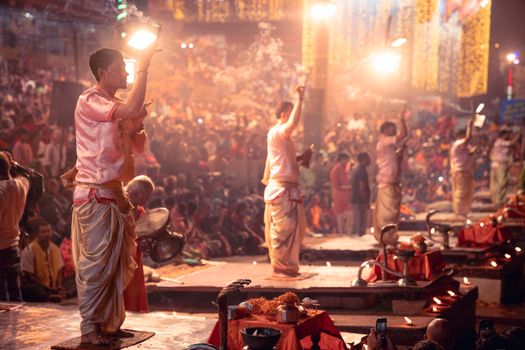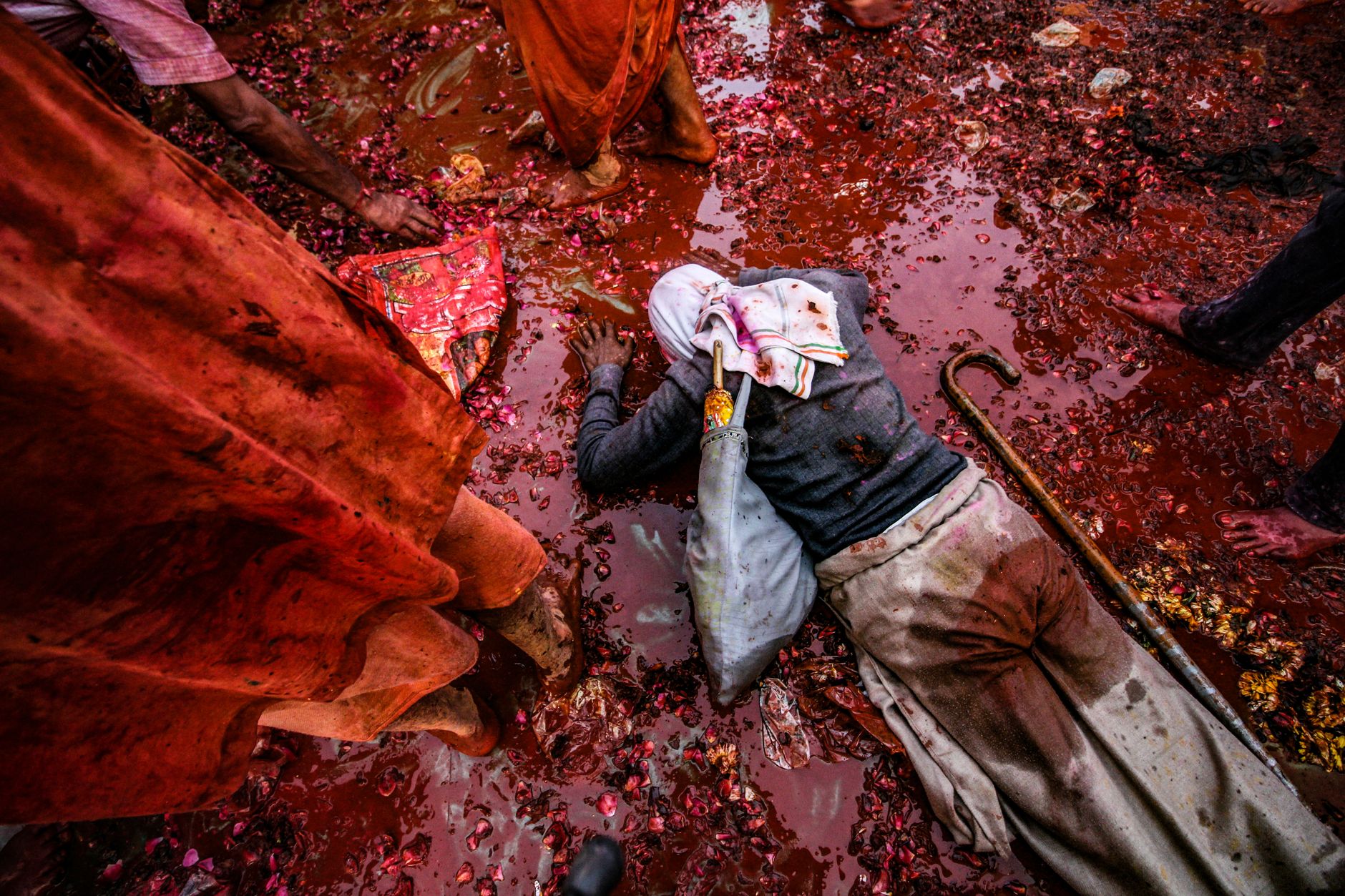
I remember standing amidst a sea of cameras, jostling for a view of what was supposed to be an "authentic" cultural parade. It was vibrant, yes, but something felt... staged. Like a performance designed for us, the outsiders, rather than a living tradition. That day, I vowed to find a different kind of travel – one that went beyond the highlight reel, seeking out the quiet, powerful heart of a culture.
Years later, tucked away in a tiny village in rural Japan, I found myself helping an elderly woman prepare paper lanterns, her hands gnarled with age, her eyes twinkling with stories. We were preparing for Obon, a festival of ancestors, and I wasn't just observing; I was participating, a silent, respectful guest in a sacred, deeply personal ritual. It was then I understood: the true magic of travel lies not in seeing the spectacle, but in being invited, even just for a moment, into the unwritten itinerary of a community.
This isn't a guide to the world's most famous festivals. You won't find Rio Carnival or Oktoberfest here. This is for the intrepid, the respectful, the curious souls who yearn for something deeper. These are the religious festivals, often fiercely local and profoundly spiritual, that offer a glimpse into the soul of a place – events so cherished by their communities that they’re rarely advertised to the masses. They’re open to foreigners, yes, but often locals prefer to keep them under wraps, preserving their authenticity from the sometimes-overwhelming tide of mass tourism.
Are you ready to trade the crowded postcard views for truly transformative experiences? Let's dive into the world of unseen rites.
The Quest for the Unseen: Why These Festivals Matter
In an increasingly globalized world, authentic cultural experiences are becoming a rare commodity. Many popular festivals, while beautiful, have evolved into tourist attractions, losing some of their original spiritual essence. The festivals we're about to explore are different. They are deeply rooted in local faith, tradition, and community life. Foreigners are welcome not as spectators to be entertained, but as guests, expected to observe with respect, humility, and an open heart.
Experiencing these events requires more than just booking a flight; it demands a shift in mindset. You're not just a tourist; you're a temporary pilgrim, an anthropologist, a learner. This ethical approach ensures that your presence enhances, rather than detracts from, the sanctity of the event for the local community. It's about blending in, listening, and allowing the experience to wash over you, rather than trying to capture every moment through a lens.
1. Ethiopia's Timkat: A Splash of Faith and Fire
Imagine a sea of white robes, hundreds of thousands strong, flowing through ancient streets. The air vibrates with chanting, drumming, and the scent of incense. This is Timkat, the Ethiopian Orthodox Tewahedo Church's celebration of Epiphany, commemorating Jesus's baptism in the Jordan River. While growing in international recognition, especially in cities like Gondar, experiencing it in smaller towns or even Addis Ababa still feels profoundly local and spiritual.
My first Timkat was in Lalibela, a town famous for its rock-hewn churches. The night before, the Tabots (replicas of the Ark of the Covenant, usually housed in churches) are carried in vibrant processions, accompanied by priests in embroidered robes and chanting crowds, to a communal pool or body of water. The energy was electric, a palpable sense of anticipation building under the starlit African sky. The next morning, as the sun rose, the water was blessed, and hundreds surged forward, eager to be doused in the holy water – a symbolic re-baptism. I stood on the periphery, respectfully observing, but a joyous splash from a nearby pilgrim caught me, soaking my shirt. Instead of annoyance, a wave of communal joy washed over me. It wasn't just water; it was an embrace, an invitation into their shared faith.
Practical Tips for Timkat:
* When to Go: January 19th (or 20th in a leap year). Plan your trip around this date.
* Where to Go: Gondar is the most famous, but Lalibela, Axum, and even Addis Ababa offer incredible, slightly less crowded experiences.
* Dress Code: Absolutely essential to dress modestly. Women should cover their heads and shoulders. White clothing is traditional for participants and helps you blend in.
* Respect the Tabots: These are incredibly sacred. Never point at them or turn your back. Photography is generally allowed but be discreet and respectful.
* Stay Hydrated & Early Bird: Crowds are huge. Carry water and arrive early to secure a good spot, especially for the morning baptism ceremony.
* Costs: Flights to Ethiopia can be pricey, but once there, accommodation and food are relatively affordable (budget $50-100/day for basics). Entry to the festival itself is free.
2. Peru's Qoyllur Rit'i: Ascending to the Stars
High in the Peruvian Andes, near Cusco, lies a remote glacial valley. Every May or June, as the Pleiades constellation reappears in the night sky, tens of thousands of indigenous pilgrims embark on the arduous journey to Sinakara Valley for Qoyllur Rit'i, the "Star Snow Festival." This isn't a festival you stumble upon; it’s a challenging, deeply spiritual pilgrimage, a unique blend of Catholic and ancient Andean beliefs. Locals don't 'hide' it, but its remote, demanding nature naturally filters out casual tourists.
I joined a small group with a local guide, trekking for hours through thin air, past stunning peaks and icy rivers. The air was frigid, the path steep, but the collective determination of the pilgrims was infectious. Families carried elaborate crosses, musicians played haunting Andean melodies, and dancers in vibrant costumes moved tirelessly, fueled by coca leaves and fervent prayer. At the base of the sacred Mount Qullqipunku, a temporary city of tents sprang up, buzzing with rituals, offerings to Pachamama (Mother Earth), and Catholic masses. The climax involves ukukus (bear-men figures) ascending the glacier to collect ice, believed to have healing powers. Witnessing the devotion, the shared struggle against the elements, and the profound connection to the land was incredibly moving. It wasn't about flashy performances; it was about raw faith and ancestral connection.
Practical Tips for Qoyllur Rit'i:
* When to Go: May or June, just before the Catholic feast of Corpus Christi. Dates vary annually, so check well in advance.
* Physical Preparation: This is a high-altitude trek (up to 5,000 meters/16,400 ft). Acclimatize in Cusco for several days prior. Be in good physical condition.
* Local Guides are Essential: Do not attempt this alone. Hire a reputable local guide or join an organized tour from Cusco that focuses on respectful immersion, not just sightseeing.
* Pack for Extremes: Layers, warm sleeping bag, waterproof gear, sturdy hiking boots, sun protection, and altitude sickness medication.
* Respect Indigenous Beliefs: This is a sacred site. Be mindful of rituals, ask permission before photographing people, and avoid disrupting ceremonies.
* Costs: A guided trek can range from $300-$700+ for 3-5 days, covering transport, food, and gear. This is an investment in a truly unique experience.
3. Laos's Boun That Luang: Golden Reverence in Vientiane
Vientiane, Laos's charmingly laid-back capital, comes alive during Boun That Luang, the annual festival celebrating the country's most important Buddhist monument, the golden That Luang stupa. While it's a national celebration, it retains a deep spiritual intimacy, far removed from the commercial bustle of larger Southeast Asian festivals. It's a true expression of Lao Theravada Buddhism, where locals gather for merit-making, almsgiving, and candlelit processions that are breathtakingly beautiful.
I arrived in Vientiane a few days before the main events, which typically span three days in November. The city was abuzz with quiet preparations. On the final morning, I woke before dawn to join thousands of Lao people gathering around the stupa for the Tak Bat (almsgiving ceremony). Monks, robed in saffron, walked silently in procession, receiving offerings of sticky rice, fruit, and sweets from kneeling devotees. The air was thick with reverence, the only sounds the soft rustle of robes and murmured prayers. Later, as dusk settled, the stupa glowed under the full moon, illuminated by thousands of flickering candles carried by pilgrims in the Wien Tien procession. Walking alongside them, the gentle hum of chanting, the soft glow on their faces – it felt like stepping into a living meditation. It wasn't about entertainment; it was about collective devotion, a shared moment of peace and spiritual reflection.
Practical Tips for Boun That Luang:
* When to Go: Full moon of the 12th month of the Buddhist calendar (usually November). Exact dates vary.
* Dress Code: Strict modesty. Shoulders and knees must be covered. For women, a sinh (traditional Lao skirt) is appropriate and respectful.
* Participate Respectfully: If you wish to offer alms, observe how locals do it. Purchase offerings from local vendors. Remember to remove your shoes when entering temple grounds.
* Photography: Be discreet, especially during almsgiving. Avoid flash and always ask permission if photographing individuals.
* Accommodation: Book well in advance, as Vientiane fills up.
* Costs: Festival attendance is free. Budget for accommodation ($30-100/night) and food ($15-30/day).
4. Japan's Obon (Rural): Honoring Ancestors in Quiet Corners
Obon, the Festival of the Dead, is celebrated across Japan, but its true, uncommercialized essence lies not in Tokyo's city centers, but in the quiet, rural towns and villages. Here, Obon is a deeply personal, family-centric affair, a time when ancestral spirits are believed to return home. While public Bon Odori (folk dances) are well-known, the intimate family rituals are what make this experience truly special and often "hidden" from the average tourist.
My most cherished Obon experience was in a small village in the Tohoku region, staying at a minshuku (family-run inn). My host family, the Satos, invited me to help them prepare their butsudan (family altar) with fresh offerings of food, flowers, and lanterns. We lit small fires outside their home to guide the spirits, and later, as dusk fell, we joined the local community for a simple, heartfelt Bon Odori in the village square. There were no flashy lights, just the rhythmic beat of drums, the gentle sway of dancers, and the quiet joy of reunion. On the final evening, we launched tiny paper lanterns, each carrying a candle, onto the nearby river – a poignant farewell, guiding the spirits back to their world. It was a profound lesson in gratitude, remembrance, and the invisible threads that connect generations.
Practical Tips for Rural Obon:
* When to Go: Mid-August (August 13th-15th in most regions, though some celebrate in mid-July).
* How to Experience It: The key is to connect with locals. Consider a homestay program (like those offered by organizations connecting travelers with rural communities), or stay at a small ryokan or minshuku in a less-visited region (e.g., Tohoku, Shikoku, or Kyushu).
* Etiquette: When invited into a home, bring a small gift (omiyage). Be respectful of family altars and rituals. Observe and follow local customs.
* Bon Odori: Even in rural areas, these dances are open. Feel free to join in, even if you don't know the steps; it's about participation.
* Costs: A rural homestay or minshuku can range from $50-150/night, often including meals. Transport to rural areas can be via local trains or buses.
5. India's Theyyam: The Living Gods of Kerala
Deep in the verdant, mystical landscapes of northern Kerala, India, an ancient ritual art form known as Theyyam unfolds. This isn't a performance; it's a sacred ritual where devotees invoke deities and ancestral spirits, who then temporarily embody the performers. The vibrant, elaborate costumes, intricate face painting, and intense drumming create an atmosphere of raw, primal energy that is unlike anything else. Theyyam performances are primarily for local villagers, held in small, often unadvertised shrines and temples, making it truly one of India's best-kept cultural secrets.
I spent a week based in Kannur, a coastal city, venturing out daily with a local contact to various kavus (sacred groves) and temples. Each Theyyam felt like a journey into another dimension. One evening, in a dimly lit, open-air shrine, I witnessed a Gulikan Theyyam. The performer, after hours of intense makeup and costume preparation, entered a trance, transforming into the deity. The drumming escalated, the air crackled with energy, and the 'god' moved among the devotees, offering blessings and prophecies. The sheer intensity, the unwavering faith of the villagers, and the visceral power of the ritual were overwhelming. It was a profound reminder that spirituality, in its purest form, transcends language and cultural barriers. These are not shows; they are living prayers, and as a foreigner, you are privileged to be a quiet witness.
Practical Tips for Theyyam:
* When to Go: Theyyam season runs from October to May, with peak activity from December to February. Performances are usually at night or very early morning.
* How to Find Them: This is the trickiest part. Theyyam performances are not tourist events. They happen in local temples and sacred groves. The best way is to hire a local guide in Kannur or Kasaragod who specializes in Theyyam, or stay at a homestay where the hosts have local connections.
* Respect the Sacred Space: These are highly sacred rituals. Maintain silence, remove your shoes when entering the temple area, and dress modestly.
* Photography: Always ask permission before taking photos, especially of the performers in costume. Some rituals may prohibit photography. Use discretion and avoid flash.
* Interaction: You may be offered prasadam (blessed food). Accept it with gratitude. You might also receive a blessing from the Theyyam.
* Costs: Most Theyyam performances are free to attend. Your primary costs will be accommodation (budget $30-80/night), local transport (rickshaws, taxis, or hired car with driver), and a knowledgeable local guide (highly recommended, budget $50-100/day).
The Unwritten Itinerary: Your Role as a Respectful Traveler
Embarking on a journey to witness these "secret" festivals isn't just about ticking off another item on a bucket list. It's about personal growth, cultural exchange, and becoming a more conscious, ethical traveler. These experiences are transformative precisely because they are not designed for you.
General Guidelines for Ethical Engagement:
- Do Your Homework: Research the festival's significance, history, and customs. Understanding context is key to respectful observation.
- Dress Modestly: This is non-negotiable for religious sites and events. Cover shoulders, knees, and sometimes heads.
- Ask Permission (Always!): Before photographing people, especially during sacred rituals. A simple gesture or a few words in the local language goes a long way.
- Put the Camera Down: Sometimes, the most profound moments are best experienced through your own eyes, not a lens.
- Learn Basic Phrases: "Hello," "Thank you," "Please," and "Excuse me" in the local language show immense respect.
- Be Patient and Flexible: Things may not run on time, or as you expect. Embrace the flow.
- Support Local Economies: Buy food, crafts, and services from local vendors.
- Go with an Open Heart: Be ready to be challenged, moved, and humbled. These are not tourist shows; they are living traditions.
These festivals are windows into the soul of humanity, testaments to enduring faith and community spirit. They are not to be consumed, but to be revered. By seeking them out with respect and humility, you not only enrich your own life but also contribute to the preservation of these precious cultural treasures.
So, are you ready to step off the well-trodden path and into the heart of something truly extraordinary? The world's most authentic experiences await those brave enough to seek them, and respectful enough to cherish them.
Have you experienced a hidden festival that changed your perspective? Share your stories in the comments below! Don't forget to tag @Tripsora and use #UnseenRites when you share this post. Let's inspire more mindful, authentic travel!
---