A silent retreat is a period of time, ranging from a weekend to several weeks, in which participants refrain from speaking and communicate little or not at all. Many retreats take place in natural settings, such as mountain monasteries, forest lodges and coastal centers, where the surroundings support reflection and rest. The format is found in several contemplative traditions and in secular programs. For travelers, the appeal lies in stepping away from conversation, screens and routine. For others, the intensity can be unexpectedly challenging. Knowing what to expect helps you decide whether a retreat is a good fit.
This guide explains typical features of silent retreats in natural settings, how to prepare and how to choose a program that matches your needs and boundaries.
What a Silent Retreat Usually Involves
Most silent retreats follow a daily schedule that includes periods of meditation or contemplation, meals eaten in silence, walking or movement sessions and time for rest. Sessions are often guided by an experienced teacher, who may give short instructions or talks at set times. Participants are usually expected to keep silence during meals, sessions and communal areas, though some retreats allow conversation at certain times or with staff.
Retreats also set rules about electronic devices. Many ask guests to hand over phones and laptops, or to use them only at specified times. Clarify the policy before booking, because it shapes the whole experience.
Traditions, Settings and Formats
Silent retreats are offered in many traditions. Some are rooted in Buddhist practice, such as vipassana or Zen programs. Others take place in Christian monastic guesthouses, where participants may join prayer and quiet time. Secular retreats focus on mindfulness, wellbeing or creative reflection. Each format has a different emphasis, and understanding the tradition helps you judge whether the teachings and structure suit you.
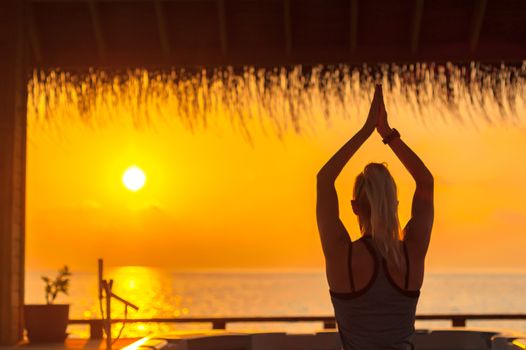
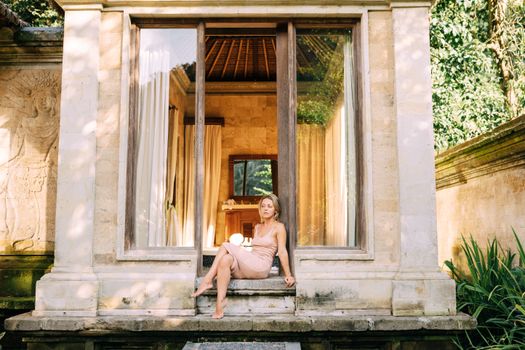
Settings vary as well. Mountain retreats often offer long views and quiet trails, forest centers provide shaded paths and simple accommodation, and coastal retreats may include sea walks and changing light. Some centers are rustic, with shared rooms and basic facilities, while others offer private rooms and more comfortable amenities.
Preparing for the Experience
Preparation makes a significant difference. Start by reviewing the health questions on the booking form and answering them honestly, since some retreats are not suitable for people with certain conditions, including serious mental health concerns, pregnancy or mobility limits. If you take medication, speak with your doctor and bring enough supply. Discuss any concerns with the retreat center in advance.
Pack comfortable, modest clothing suitable for sitting, walking and changeable weather. Bring a warm layer, a water bottle and any personal items you need for health or comfort. Check whether you can bring a notebook, reading material or a yoga mat, since policies differ. Arrive rested if you can, because the first days are often the most demanding.
Emotional and Physical Demands
Silence can bring up strong feelings, memories and physical discomfort. Some participants find the early days restless, while others experience deep calm or unexpected emotion. Sitting for long periods may be uncomfortable without experience, and early starts can be tiring. Retreat teachers and staff are usually trained to support participants, and many encourage people to speak to them privately if they feel overwhelmed.
If you have a history of trauma, eating difficulties, or significant psychiatric conditions, consider discussing the retreat with a clinician before attending. It is reasonable to leave early if the experience is harmful to your wellbeing, and reputable centers usually allow this with a clear process.
Choosing a Retreat That Suits You
Look for a retreat whose teachings, structure and rules are described clearly. Read about the teachers' backgrounds and training, and ask questions about the daily timetable and level of guidance. Pricing models vary: some centers request fixed fees, while others use donation-based systems or sliding scales. Understand what is included, such as meals, accommodation and instruction, and check the cancellation and refund policy.
Consider the practical location as well. Remote centers may require a car or long transfers, and some close for part of the year. Reviews can offer useful perspective, though they reflect individual experiences and should be read alongside official information.
Practical Tips
Set expectations realistically and arrive with an open but measured attitude. Tell the staff about any health needs on arrival. Follow the retreat's guidelines on photography and recording, since many restrict these to protect privacy. Keep a plan for the days after the retreat, allowing time to rest before returning to work or driving. Consider a short introductory retreat before attempting a long one. Finally, remember that silence is a practice rather than a performance, and it is perfectly acceptable to step back if the experience does not suit you.
Silent retreats in natural settings can offer a rare opportunity to slow down and listen to your surroundings and your own thoughts. A clear understanding of the format, careful preparation and a retreat that matches your needs make the experience more likely to be rewarding.