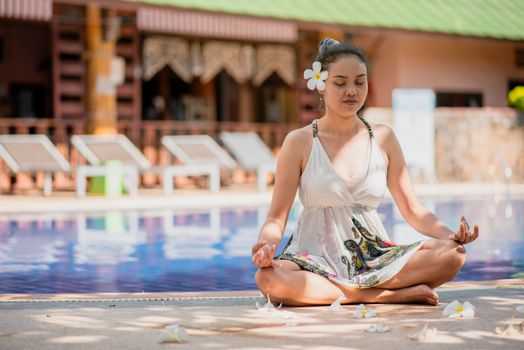
The Whisper of Stillness: My Quest for Extraordinary Silent Retreats
I stepped off the tiny propeller plane and into air so crisp it felt like a forgotten memory. The scent of pine and damp earth, mingled with a hint of woodsmoke, immediately began to untangle the knots of my city-bound mind. Before me, a winding gravel path led towards a cluster of stone buildings, their slate roofs glinting under a soft, late afternoon sun. There were no signs, no touts, just the gentle sigh of the wind through ancient trees and the distant, melodic clang of a bell. This was it. My first true silent retreat, and the promise of an extraordinary location was already palpable.
In a world saturated with constant connectivity, the idea of voluntarily relinquishing our devices and our chatter can seem almost radical. Yet, the yearning for stillness, for a chance to truly hear ourselves think (or more importantly, to stop thinking altogether), is more profound than ever. I’ve spent years chasing these moments of quietude, not just in hushed meditation halls, but in places so architecturally stunning, so naturally breathtaking, that the silence itself becomes a symphony. Forget sterile hotel rooms; these are destinations that nourish the soul from the very foundation.
1. The Himalayan Hermitage: Where Eagles Soar and Silence Reigns
My journey to the Spiti Valley Silent Sanctuary (a name I’ve given this hidden gem, as its true identity is fiercely guarded) began with a bone-jarring jeep ride through some of the most dramatic mountain landscapes I’ve ever witnessed. Perched precariously on a cliff face, this ancient Buddhist monastery offers a silence so potent, it feels like a physical presence. The air is thin and pure, carrying the faint scent of juniper incense and yak butter lamps.
The Experience:
Days here are structured around periods of silent meditation, mindful walking along prayer flag-strewn paths, and simple, nourishing vegetarian meals. The monks, though few, move with an almost ethereal grace. Their conversations, when they occur, are hushed whispers, a gentle reminder of the profound respect for silence. I spent hours gazing at the snow-capped peaks, the vast expanse of the sky, and the intricate thangka paintings adorning the monastery walls. The absence of digital distraction allowed me to notice the subtle shifts in light, the call of a distant bird of prey, and the rhythm of my own breath.
Pro-Tip:
Visit during the shoulder seasons (late spring or early autumn) for clearer skies and fewer pilgrims. Pack layers – mountain weather is notoriously fickle. Be prepared for basic amenities; this is about inner richness, not external luxury.
Quick Facts:
* Estimated Cost: $50 - $150 per day (donations are highly encouraged)
* Best Time to Visit: May - June, September - October
* How to Get There: Fly into Kullu (KUU), then hire a private jeep for the scenic (and adventurous) 2-day drive to Spiti. Alternatively, fly to Shimla and take a bus, though this is significantly longer.
2. The Tuscan Monastery: Renaissance Quietude Amidst Rolling Hills
Imagine the scent of wild rosemary and sun-baked stone. My time at a secluded Benedictine Abbey in Umbria was an immersion into a different kind of silence – one steeped in centuries of contemplation and artistic heritage. This isn't just a place to meditate; it's a living museum of faith and artistry, where the very walls seem to hum with quiet devotion.
The Experience:
The monks here maintain a strict schedule of Ora et Labora (Prayer and Work). While guests are welcome to join the daily liturgy, silence is paramount throughout the monastic complex. I found myself drawn to the ancient library, its shelves groaning with leather-bound tomes, and the cloistered courtyard, where sunlight dappled through ancient arches. The communal meals, though silent, were a masterclass in simple, delicious Italian cuisine – think handmade pasta, fresh olive oil from the abbey's own groves, and robust local wines. The architecture itself, with its soaring vaulted ceilings and weathered frescoes, inspires a sense of awe and humility.
Pro-Tip:
Arrive in the late morning to witness the monks’ midday chanting. Explore the surrounding countryside on foot; the rolling hills are dotted with tiny, ancient villages that feel lost in time. Learn a few basic Italian phrases – it’s appreciated even in silence.
Quick Facts:
* Estimated Cost: $100 - $200 per day (includes meals)
* Best Time to Visit: April - June, September - October
* How to Get There: Fly into Rome (FCO) or Florence (FLR). Rent a car and enjoy a picturesque drive through the Umbrian countryside. Alternatively, take a train to a nearby town and arrange for a taxi.
3. The Japanese Zen Garden: Tranquility in the Land of the Rising Sun
The meticulous beauty of a Rinzai Zen temple in Kyoto's Arashiyama district offered a profound lesson in mindful living. Here, silence is not just an absence of noise, but an active cultivation of presence, embodied in the raked gravel of the Zen garden and the precise movements of the resident monks. The air carries the subtle fragrance of tatami mats and the faint, sweet aroma of incense.
The Experience:
My stay involved participating in morning zazen (seated meditation), mindful tea ceremonies, and calligraphy workshops. The precision and intention behind every action, from brewing tea to sweeping the garden, were deeply impactful. The temple’s architecture, with its sliding shoji screens and minimalist design, encourages a focus on the essential. I found immense peace simply sitting by the moss-covered pond, observing the koi swim in slow, deliberate circles. The silence here is not empty; it is filled with the gentle sounds of nature and the quietude of focused intention.
Pro-Tip:
Book your stay well in advance, as these authentic temple accommodations are highly sought after. Embrace the early mornings; the temple is most serene before the day-trippers arrive. Learn about wabi-sabi – the Japanese aesthetic of finding beauty in imperfection.
Quick Facts:
* Estimated Cost: $150 - $300 per day (often includes meals and some activities)
* Best Time to Visit: Spring (cherry blossoms) or Autumn (fall foliage)
* How to Get There: Fly into Kansai International Airport (KIX) near Osaka. Take the Haruka Express train to Kyoto Station, then a local train or taxi to Arashiyama.
4. The Irish Coastal Retreat: Solitude by the Wild Atlantic
The salty spray of the Atlantic and the cry of seagulls were the soundtrack to my retreat at a remote Guesthouse on the Dingle Peninsula, Ireland. This is a place where the raw power of nature commands your attention, and the silence is punctuated by the rhythmic crash of waves against dramatic cliffs. The air is bracingly fresh, carrying the scent of the sea and peat fires.
The Experience:
While not a formal monastic retreat, many guesthouses on the Dingle Peninsula cater to those seeking quiet contemplation. I chose one run by a local family who understood the need for personal space. My days were spent walking the rugged coastal paths, exploring ancient ring forts, and simply sitting on the bluffs, watching the ever-changing moods of the ocean. The evenings were spent by a crackling turf fire, reading or journaling, the only sounds the wind and the distant bleating of sheep. The sheer, untamed beauty of the landscape encourages introspection.
Pro-Tip:
Rent a car to explore the peninsula at your own pace. Be prepared for unpredictable weather – waterproof gear is essential. Strike up conversations with locals at the pub (during non-silent hours, of course!) for invaluable insights into the area's history and folklore.
Quick Facts:
* Estimated Cost: $80 - $180 per day (includes breakfast)
* Best Time to Visit: May - September (though the dramatic winter storms have their own allure)
* How to Get There: Fly into Shannon Airport (SNN) or Cork Airport (ORK). Rent a car for the scenic drive to the Dingle Peninsula.
5. The Desert Oasis: Ancient Wisdom in Arid Lands
Tucked away in the stark, majestic beauty of the Moroccan Sahara, a traditional Kasbah offering silent contemplation provided an unparalleled experience of profound peace. The silence here is vast, broken only by the whisper of wind across the dunes and the occasional call to prayer from a distant village. The air is dry and carries the faint, earthy scent of sand and ancient stone.
The Experience:
My days were spent in quiet reflection, guided meditation sessions led by a local Sufi elder, and mindful camel treks into the desert at dawn and dusk. The simplicity of life within the Kasbah – sleeping under a canopy of stars, eating communal meals of tagine and couscous – strips away the unnecessary. The endless expanse of the desert forces you to confront your inner landscape. The silence here is not just an absence of external noise, but an invitation to listen to the deep, quiet wisdom of the earth and yourself.
Pro-Tip:
Pack light, breathable clothing and a headscarf for sun protection. Be open to the local culture and customs; a respectful approach enhances the experience. Embrace the darkness; the stargazing is phenomenal.
Quick Facts:
* Estimated Cost: $100 - $250 per day (often includes meals and activities)
* Best Time to Visit: October - April (avoid the extreme summer heat)
* How to Get There: Fly into Marrakech (RAK) or Casablanca (CMN). Arrange for a private transfer or join a small group tour that includes transport to the desert.
Embracing the Extraordinary Silence
These are not just places to escape; they are destinations that invite transformation. Each offers a unique tapestry of sensory experiences, from the crisp mountain air to the salty sea breeze, all woven together by the profound gift of silence. In choosing an extraordinary location, you elevate the practice of stillness, allowing the environment itself to become a teacher.
The allure of a silent retreat in a truly remarkable place is its ability to strip away the artifice and reconnect us with our fundamental selves. It’s about waking up to the world, and to ourselves, with a clarity that only profound quietude can provide. So, when the world gets too loud, consider trading the notifications for nature’s whispers, the endless scrolling for the endless horizon, and the chatter for the echo of your own soul. The extraordinary waits for those who dare to listen.
---