The Sound of One Hand Clapping (and No WiFi)
I stepped off the local train at Mount Koya, and the first thing that hit me wasn't the view—it was the smell. It was a sharp, medicinal cocktail of ancient cedarwood and damp moss that seemed to instantly lower my cortisol. There was no "Welcome" sign, only the rhythmic clack-clack of a bamboo water spout hitting a stone basin. For the next 72 hours, my voice was retired, my phone was a paperweight, and my only companion was the steam rising from a bowl of shojin ryori (monastic vegetarian cuisine).
According to recent data from search trends and travel industry reports, I’m far from alone. In an era of "polycrisis" and notification fatigue, travelers are no longer seeking "active" vacations. They are seeking the void. But not just any void—they want silent retreats in extraordinary locations according to recent data that prioritize authenticity over Instagrammable aesthetics (though, let's be honest, these places are stunning).
1. The Data-Driven Rise of the "Silence Economy"
Before we dive into the locations, let’s look at the "why." Recent 2023-2024 wellness reports indicate that "Digital Detox" is no longer a niche buzzword; it’s a $500 million sector. Travelers are specifically looking for "Extreme Isolation"—locations that are geographically difficult to reach. The data shows a shift from 3-day "taster" sessions to 10-day deep dives.
Why? Because it takes approximately 72 hours for the brain’s "default mode network" to stop scanning for pings and start engaging with the immediate environment. If you’re going to go silent, you might as well do it somewhere that challenges your senses.
2. The Kingdom of Clouds: Gangtey, Bhutan
Bhutan has always been the gold standard for high-value, low-impact travel, but recent data shows a pivot toward the Gangtey Valley for those seeking true monastic silence.
The Vibe:
You aren't just in a hotel; you are part of the landscape. The valley is a glacial bowl where black-necked cranes migrate. The silence here is heavy, punctuated only by the distant chanting from the Gangtey Goempa monastery.
Authenticity Note:
This isn't "Zen-lite." You’ll be waking up at 4:00 AM to the sound of a conch shell. The architecture is traditional Dzong style—massive white-washed walls and intricate woodwork joined without a single nail.
- Pro-Tip: Skip the main tourist trails. There is a "Hidden Hermit’s Path" that starts behind the prayer wheel shed. If you hike it at 6:30 AM, you’ll likely see the valley floor emerge from the mist in total solitude.
- The Detail: The local butter tea (suja) is an acquired taste—salty, fatty, and warming. It’s the fuel you need for five hours of seated meditation.
3. The Desert Void: Al Hajar Mountains, Oman
While others head to the dunes of Dubai, the data points to the rugged, high-altitude plateaus of Oman as the next frontier for "The Great Hush."
The Vibe:
Imagine a retreat carved directly into the limestone cliffs 2,000 meters above sea level. The air is thin, crisp, and smells of frankincense and sun-baked rock.
The Experience:
Here, silence is a physical presence. The canyons swallow sound. Most retreats here focus on "Star-Gazing Silence," where the lack of light pollution allows for a meditative connection with the cosmos that feels almost hallucinogenic.
- Pro-Tip: The best meditation spot is the "Diana’s Point" overlook, but for true silence, walk 15 minutes toward the abandoned village of Wadi Bani Habib.
- Logistics: You need a 4WD to get up the mountain. Don't try it in a sedan; the police at the checkpoint won't let you pass, and your brakes will melt on the way down.
4. The Subterranean Sanctuary: Basilicata, Italy
Forget the rolling hills of Tuscany. The most "extraordinary" silent location in Europe right now is the Sassi di Matera and the surrounding "Eremito" monastery.
The Vibe:
This is a "Digital Detox" monastery built from the ruins of a 14th-century hermitage. There is no electricity in the rooms. You eat by candlelight. The silence is "Cellular"—meaning you feel it in your bones.
Authenticity Note:
The dinners are silent, communal, and strictly vegetarian. The pasta is made from Senatore Cappelli wheat, an ancient grain that hasn't been genetically modified. You can taste the history in the gluten.
- Pro-Tip: The "Relaxology" room is carved into the rock and features a heated stone pool. Visit during the "Blue Hour" (just after sunset) when the candlelight reflects off the damp cave walls.
5. The Arctic Stillness: The Westfjords, Iceland
Recent travel data shows a 15% increase in "Cold Therapy" retreats. The Westfjords of Iceland offer a level of isolation that makes Reykjavik feel like Times Square.
The Vibe:
Jagged cliffs, black sand, and the roar of the Atlantic. In winter, the silence is muffled by snow; in summer, it’s a 24-hour symphony of daylight.
The Experience:
Several small outposts now offer "Solo Silence" stays in converted sheep-shearing huts. You are provided with a week’s worth of Icelandic provisions (rye bread baked in the ground, smoked lamb) and left entirely to your own devices.
- Pro-Tip: The "hidden" hot spring of Hellulaug is tucked behind a rocky outcrop near the shore. It’s free, unmapped by most major apps, and provides the perfect sensory contrast to the biting Arctic wind.
6. The Forest Bathing Benchmark: Koya-san, Japan
We return to where I started. Mount Koya remains the most data-supported location for "Shukubo" (temple stays).
The Vibe:
Living alongside Shingon Buddhist monks. You don't just sit in silence; you work in it. Sweeping the moss, calligraphy (Sutra copying), and fire ceremonies.
Authenticity Note:
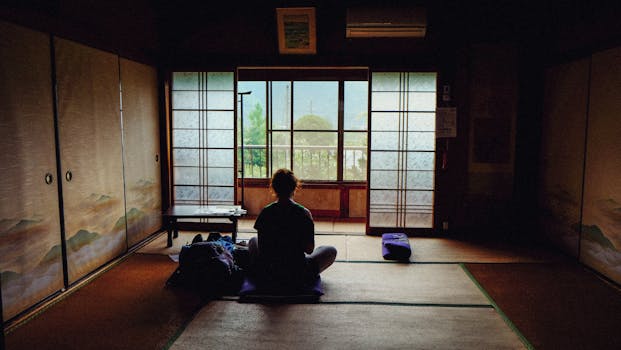
Pay attention to the fusuma (sliding paper doors). Many are hand-painted with scenes from the Edo period. The way the light hits the gold leaf at 5:00 PM is a meditation in itself.
- Pro-Tip: Okunoin Cemetery is the heart of Koya-san. While tourists go during the day, the data suggests a "Night Walk" is where the spiritual weight lies. The 20,000 stone lanterns create a path of silence that is unparalleled.
Quick Facts & Logistics
| Location | Best Time to Visit | Estimated Cost (Daily) | How to Get There |
| :--- | :--- | :--- | :--- |
| Gangtey, Bhutan | Oct - Dec (Clear skies) | $400 - $600 (Incl. Sustainable Dev Fee) | Fly to Paro, 6-hour drive to Gangtey. |
| Al Hajar, Oman | Nov - March | $300 - $800 | Fly to Muscat, 2.5-hour 4WD ascent. |
| Basilicata, Italy | May or September | $200 - $350 | Fly to Bari, 1.5-hour shuttle or train. |
| Westfjords, Iceland| June - August | $150 - $400 | Fly to Isafjordur (domestic), rent a 4x4. |
| Koya-san, Japan | April (Cherry Blossoms) | $120 - $250 | Nankai Railway from Osaka (Namba). |
The "Silent" Protocol: How to Prepare
You can't just drop into a silent retreat and expect instant Zen. The data suggests a "tapering" period.
- The 3-Day Fade: Three days before you leave, disable all non-human notifications on your phone.
- The Sensory Buffer: Pack high-quality earplugs and an eye mask. In extraordinary locations, the "silence" can actually be quite loud (wind, monks chanting, nocturnal animals).
- The Journal Rule: Don't bring a Kindle. Bring a physical journal. The tactile act of writing helps process the "mental chatter" that inevitably arises when you stop talking.
Why Silence is the Ultimate Luxury
In 2024, luxury isn't about gold faucets; it’s about uninterrupted time. The data is clear: we are starving for the "white space" between our thoughts. By choosing a silent retreat in an extraordinary location, you aren't just taking a break; you are recalibrating your nervous system.
As I left Mount Koya, the monk who had served my tea for three days bowed. He didn't say "Goodbye." He didn't need to. The silence we shared was more profound than any "tapestry of words" could ever be.
Ready to find your quiet? Start with the Westfjords if you want grit, or Bhutan if you want grace. Just remember: the hardest part isn't the travel—it's the first ten minutes of sitting still.
---