The Hook: A Quiet Revolution on the Tracks
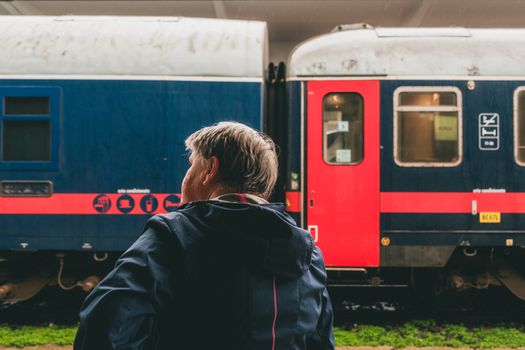
I stepped off the regional train at Carnia station in Friuli-Venezia Giulia, and the first thing that hit me wasn't the sound of traffic, but the crisp, pine-scented air rolling off the Julian Alps. The only sound was the rhythmic clack-clack of the departing train and the distant chime of a campanile.
In my pocket was a train ticket that had cost me absolutely nothing.
No, I didn’t dodge the conductor. My fare was fully reimbursed by the local tourism board simply because I had agreed to stay in the region for three nights.
This isn't a loophole; it’s the future of travel.
Recent data from the World Tourism Organization (UNWTO) and regional development boards shows a massive, systemic pivot. Overtourism is choking historic centers, while rural communities are hollowed out. The solution? Governments are launching aggressive financial incentives to lure travelers away from the 48-hour bucket-list sprint and into the rewarding rhythm of slow travel.
If you are willing to unpack your bags, buy your vegetables from the local market, and stay awhile, these countries will literally foot the bill. Here is the definitive, data-backed guide to the destinations offering the best slow travel incentives right now.
---
1. Italy: Free Trains and Cash for Alpine Relocations
Italy is leading the charge in reversing the damage of hit-and-run tourism. Instead of fighting the crowds in Florence, the Italian government wants you to explore its quiet northern peaks and southern olive groves—and they are willing to pay for your transit and accommodation.
The Friuli-Venezia Giulia Free Train Initiative
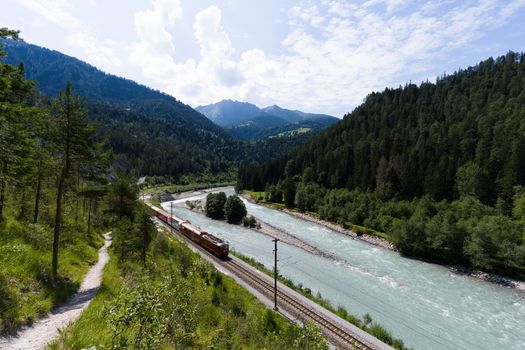
The northeastern region of Friuli-Venezia Giulia—bordering Austria and Slovenia—is a wonderland of limestone peaks, wild rivers, and historic towns like Trieste and Udine. Under the "PromoTurismoFVG" scheme, the regional government will reimburse your round-trip state-run Trenitalia train fare from anywhere in Italy if you book a stay of at least two nights at a participating hotel, B&B, or apartment.
But they don't stop there. Upon arrival, you are handed a free FVGcard. This card gives you free access to regional museums, guided tours, and public transport, saving you upwards of $80 per week.
- The Insider Vibe: Skip the crowded Venetian canals. Head to Udine, pull up a wooden chair at an osteria, and order a glass of Friulano wine paired with a plate of warm frico—a crispy, decadent pancake of Montasio cheese and potatoes.
Calabria’s Active Residency Project
If you want to go even slower—as in, semi-permanent—the southern region of Calabria has allocated over $800,000 to attract slow travelers and remote workers to villages with fewer than 2,000 residents. If you commit to moving to a village like Albidona or Bova for a prolonged slow-travel stint (up to several months or years) and can establish a small local business or work remotely, you can receive up to €28,000 ($30,000) over three years.
> Pro-Tip: For the Friuli train scheme, you must book your package at least five days before departure directly through the PromoTurismoFVG official portal. Do not buy your train tickets via the standard Trenitalia app first; they must be issued as part of the promotional hotel booking package.
---
2. Spain: €15,000 to Live in the Oak Forests of Extremadura
Spain's interior is a landscape of dramatic gorges, ancient Roman ruins, and vast dehesas (oak forests where Iberian pigs roam). To combat rural depopulation, the autonomous region of Extremadura has launched a massive financial incentive program targeting remote workers and slow-travel digital nomads.
```
EXTREMADURA INCENTIVE BREAKDOWN
┌───────────────────────────┬───────────────────────────┐
│ Target Group │ Grant Amount │
├───────────────────────────┼───────────────────────────┤
│ Women & Under 30s │ €10,000 (Initial) │
│ │ + €5,000 (Year 2) │
├───────────────────────────┼───────────────────────────┤
│ Men Over 30 │ €8,000 (Initial) │
│ │ + €4,000 (Year 2) │
└───────────────────────────┴───────────────────────────┘
```
The regional government of Extremadura is offering grants of up to €15,000 ($16,200) for professionals who relocate to towns with fewer than 5,000 residents for a minimum of two years. While this is a longer commitment than a typical vacation, for the true slow traveler, it represents a fully funded life upgrade.
The Slow Travel Experience in Hervás
Picture yourself renting a centuries-old home in the Jewish Quarter of Hervás, built with traditional chestnut wood and adobe brick. Your morning routine consists of walking down to the local bakery for perrunillas (traditional lard cookies scented with lemon and cinnamon) before opening your laptop overlooking the Ambroz Valley.
> Pro-Tip: The application process requires an electronic certificate (Cl@ve system) issued by the Spanish government. Hire a local gestor (administrative assistant) for about €100 to handle the paperwork. It will save you weeks of bureaucratic headaches.
---
3. Switzerland: Subsidized Alpine Mobility and Luggage-Free Hiking
Switzerland is notoriously expensive, but the Swiss government has figured out that the best way to encourage sustainable, slow travel is to subsidize the logistics. Through their nationwide "Swisstainable" initiative, they make it incredibly cheap—and physically effortless—to travel slowly.
The "Luggage-Free" and Regional Pass Incentives
If you are embarking on a slow, multi-day hiking or train journey, Swiss Federal Railways (SBB) frequently runs promotions where they will transfer your heavy luggage from hotel to hotel for free or for a nominal fee of $5 per bag. This allows you to walk through the valleys of the Bernese Oberland with nothing but a light daypack.
Furthermore, regional tourism boards offer massive incentives for staying put. If you stay at least three nights in the Canton of Valais or the Lucerne region during the shoulder season, you are often gifted a regional travel pass (like the Tell-Pass or Valais Pass) which offers unlimited, free travel on trains, buses, boats, and mountain cable cars that would normally cost hundreds of dollars.
- The Insider Vibe: Base yourself in the car-free village of Wengen. Wake up at 6:00 AM, beat the Jungfraujoch crowds, and take the local cable car down to Lauterbrunnen to hear the roar of the 72 waterfalls before the tour buses arrive.
---
4. Japan: Subsidized Traditional Farmhouses (Kominka) and Workation Vouchers
Japan is grappling with a massive surplus of abandoned rural homes, known as akiya. To lure travelers away from the neon-soaked streets of Tokyo and Kyoto, prefectures across the country are partnering with platforms like ADDress and SANU to offer heavily subsidized, long-term co-living passes in beautifully restored traditional farmhouses (kominka).
Wakayama’s Subsidized Workation Scheme
Wakayama Prefecture, famous for the ancient Kumano Kodo pilgrimage trail, offers a dedicated "Workation Support" program. If you stay in the region for more than seven days to work and travel slowly, the local government provides:
* Free access to high-end co-working spaces, some of which are located inside historic Buddhist temples on Mount Koya.
* Subsidized rental car rates (up to 50% off) to help you explore remote coastal villages.
* Vouchers for local experiences, such as traditional paper-making (washi) or guided spiritual hikes.
- The Insider Vibe: Spend your afternoons walking along the moss-covered stone paths of Okunoin Cemetery, then return to your kominka to cook a hot pot using fresh bamboo shoots and locally foraged wild boar.
> Pro-Tip: Use the local Takkyubin (black cat luggage service) to send your bags between rural stays. It costs less than $15 per bag and operates with clockwork precision, allowing you to travel between prefectures via local trains without lugging suitcases.
---
5. France: The "Bas Carbone" (Low Carbon) Travel Subsidies
France has banned short-haul domestic flights where train alternatives exist, and they are putting their money behind slow, rail-based exploration. Through regional initiatives, the French government is rewarding travelers who choose slow, low-carbon transport options.
Nouvelle-Aquitaine’s Green Discounts
The massive southwestern region of Nouvelle-Aquitaine—encompassing Bordeaux, the Dordogne, and the Basque coast—offers the "Tarif Bas Carbone" (Low Carbon Tariff). If you arrive in the region via train or can prove you are traveling by bicycle along the Vélodyssée route, you receive:
* Up to 50% off entry tickets to major historic sites, including the Lascaux IV cave paintings and the Château de Castelnaud.
* Deep discounts on regional TER trains during the summer months.
- The Insider Vibe: Rent a sturdy touring bicycle in Arcachon, ride through the pine forests of the Landes, and stop at a rustic oyster shack along the Bassin d'Arcachon for a plate of freshly shucked oysters and a glass of chilled Entre-deux-Mers.
---
Quick Facts: Budget & Logistics Comparison
| Country & Region | Primary Incentive | Est. Monthly Cost ($) | Best Time to Visit | How to Get There |
| :--- | :--- | :--- | :--- | :--- |
| Italy (Friuli) | Free round-trip train ticket + FVGcard | $1,500 - $2,200 | May to September | Train to Trieste or Udine via Venice |
| Spain (Extremadura) | Up to €15,000 relocation grant | $1,100 - $1,600 | April to June, October | Fly to Madrid, regional bus to Hervás |
| Switzerland (Valais) | Free regional transit + luggage transfer | $3,500 - $4,500 | September to November | SBB train from Zurich Airport |
| Japan (Wakayama) | Co-working subsidies + rental car discounts | $1,800 - $2,500 | October to December | Kuroshio Express train from Osaka |
| France (Aquitaine) | 50% off attractions + discounted train fares | $2,000 - $2,800 | May to June, September | TGV train from Paris to Bordeaux |
---
The Slow Travel Manifesto: How to Maximize Your Stay
To truly benefit from these incentives, you must shed the "tourist" mindset and adopt the "temporary local" philosophy. Here is how I structure my slow-travel days to maximize both my budget and my connection to the destination:
- The 3-2-1 Rule: Spend at least 3 weeks in one base. Work or explore for 2 hours before the rest of the world wakes up. Dedicate 1 full day a week to doing absolutely nothing but sitting in a local café watching the town wake up.
- Shop at the Mercato: Avoid the big-chain supermarkets. In Italy, find the fruttivendolo (fruit vendor); in Japan, seek out the Michi-no-Eki (roadside stations selling hyper-local produce). You will save money, eat fresher food, and practice the local language.
- Ditch the GPS Once a Week: Pick a direction, start walking, and let yourself get lost. Some of my best travel memories—like finding a hidden natural hot spring in Wakayama or a tiny leather workshop in Extremadura—happened when I put my phone on airplane mode.
---
FEATURED_IMAGE_PROMPT:
```text
A stunning, wide-angle shot of a slow traveler sitting on the open wooden porch (engawa) of a beautifully restored traditional Japanese kominka farmhouse in rural Wakayama during the golden hour. In the background, misty, terraced green rice paddies stretch toward soft, pine-covered mountains. A ceramic cup of steaming green tea rests on the wooden deck. The lighting is warm and ethereal, casting long, soft shadows. The shot captures a feeling of deep peace, slow living, and cultural authenticity. Cinematic depth of field, 35mm lens.
```
---
TAGS:
#SlowTravel #TravelIncentives #DigitalNomadLife #SustainableTourism #BudgetTravel #EuropeByTrain #JapanOffTheBeatenPath #ExploreSpain #TripsoraTravelGuides