The Hook: A Symphony of Shivers
I stepped off the local ferry at Henningsvær in the Lofoten Islands, and the smell of salted cod and wet granite hit me like a physical blow. The wind, howling straight off the Barents Sea, carried a bite that made my teeth ache before I’d even unzipped my parka. I wasn’t here for the postcard-perfect red fishing cabins. I was here for the water—a dark, liquid-jade expanse hovering at a brutal 2°C (35°F).
Standing on the edge of a slippery wooden dock, my heart hammered against my ribs. I took one deep, diaphragmatic breath, exhaled the tension, and stepped off.
The initial impact of wild, sub-zero water doesn’t feel like cold; it feels like fire. Your lungs seize, your skin screams, and your brain commands you to fight or flee. But then, about thirty seconds in, something miraculous happens. The panic subsides. Your breath slows into a rhythmic hum, and your mind settles into a state of absolute, crystalline clarity that no five-dollar espresso could ever hope to replicate. You aren’t just surviving; you are vibrantly, fiercely alive.
If you’ve been chasing that elusive high in a chest freezer in your garage, it’s time to upgrade. Here are the definitive, world-class ice bath experiences in natural settings worth considering for your next wellness pilgrimage.
---
1. The Arctic Crucible: Henningsvær Fjord & Trevarefabrikken (Norway)
```
Temperature: 2°C to 5°C (35°F to 41°F)
Vibe: Industrial-chic meets raw Arctic wilderness
```
The Experience
Located in the dramatic archipelago of the Lofoten Islands, Henningsvær is a vibrant fishing village where jagged granite peaks rise directly from the sea. Here, a retrofitted 1930s cod-liver oil factory called Trevarefabrikken has been transformed into a cultural hub. Their wood-fired, concrete sauna overlooks the ocean, offering the ultimate thermal contrast experience. You bake in the aromatic birch steam (löyly) before stepping directly out onto the wooden pier and plunging into the deep, dark Arctic fjord.
Insider Guide & Pro-Tips
* The Secret Entrance: Don’t use the main public ladder if you want a quieter entry. Walk around the back of the concrete sauna building to the low wooden platform. It sits closer to the water level, allowing for a calmer, slide-in entry rather than a jarring leap.
* Timing is Everything: Book the 8:00 AM session. The sun rising over the Vestfjord paints the granite peaks in pastel pinks, and you’ll likely have the outdoor dock entirely to yourself.
* Local Etiquette: Norwegians value quiet contemplation in the sauna. Save the loud chatter for the bar downstairs; inside the hot room, keep your voice to a respectful murmur.
---
2. The Glacial Grit: Fjallsárlón Ice Lagoon (Iceland)
```
Temperature: 0.5°C to 1.5°C (33°F to 35°F)
Vibe: Ghostly, silent, and intensely cold
```
The Experience
While most tourists flock to the crowded Jökulsárlón Lagoon, its smaller neighbor, Fjallsárlón, offers a far more intimate and raw experience. Here, the tongue of the Vatnajökull glacier creeps down to the water's edge, calving massive, ancient icebergs that drift lazily in the silty, grey-blue water. Plunging here is a lesson in humility; you are swimming alongside water that has been frozen for thousands of years.
Insider Guide & Pro-Tips
* The Secret Spot: Avoid the main boat launch area. Instead, take the unmarked gravel track about 1.5 kilometers west of the main parking lot. Walk over the low ridge to find a secluded, sandy cove where the icebergs wash up on the black basalt shore.
* The Gear: The ground here is made of sharp volcanic gravel and glacial silt. Wear high-quality neoprene booties (at least 5mm thick) to protect your feet and prevent immediate numbness on the walk-in.
* Safety Warning: Never swim underneath or climb onto the icebergs. They are notoriously unstable and can flip without warning, trapping you underneath the freezing water.
---
3. The Boreal Ritual: Lake Näsijärvi at Rauhaniemi (Finland)
```
Temperature: 1°C (34°F) in winter
Vibe: Authentic, community-driven, and deeply traditional
```
The Experience
Tampere is officially the "Sauna Capital of the World," and Rauhaniemi Summer Restaurant and Public Sauna (established in 1929) is its beating heart. In the depths of winter, the lake freezes solid, and the locals use a water circulator to keep a small rectangular pool—called an avanto—open in the ice. This is not a tourist trap; it is a daily lifestyle ritual for young and old alike.
Insider Guide & Pro-Tips
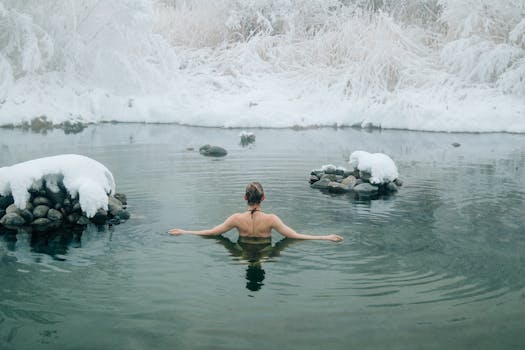
* The Ritual: Bake in the intense, wood-smoke-scented public sauna until you can barely stand the heat. Run down the snow-covered wooden walkway and drop into the avanto. Do not dive; submerge up to your shoulders, hold the icy metal handrails, and count to thirty.
* The Local Cure: After your plunge, do not dry off immediately. Stand on the snow-covered deck for a minute to let the steam rise off your skin. It sounds insane, but the rush of endorphins prevents you from feeling the cold.
* The Recovery: Head to the small cafe onsite and order a hot glögi (spiced berry juice) and a cinnamon roll (korvapuusti) to kickstart your metabolism.
---
4. The Spiritual Cascade: Kiyotaki Falls, Mount Ontake (Japan)
```
Temperature: 4°C to 8°C (39°F to 46°F)
Vibe: Mystical, meditative, and steeped in Shinto tradition
```
The Experience
For those seeking a spiritual dimension to their cold-water therapy, the sacred slopes of Mount Ontake offer Misogi—a traditional Shinto purification ritual. At Kiyotaki Falls, a towering ribbon of mountain water cascades down a sheer, moss-draped basalt cliff. Practitioners wear white cotton robes (sh装束) and stand directly beneath the pounding, icy waterfall while chanting prayers to cleanse the mind and spirit.
Insider Guide & Pro-Tips
* How to Access: This is not a casual DIY plunge. You must arrange this through a local guide or temple in the town of Otaki. They will provide the traditional attire, teach you the preparatory purification movements (furitama), and guide your breathing.
* The Sensation: Unlike a still lake, the physical impact of falling water adds a intense sensory element. Focus your gaze on a single point on the rock face to maintain your balance against the force of the water.
* Best Season: Late autumn (November) offers the perfect storm of freezing water temperatures and stunning red maple foliage along the approach trail.
---
5. The Alpine Mirror: Oeschinensee (Switzerland)
```
Temperature: 3°C to 6°C (37°F to 43°F) in late autumn
Vibe: Pristine, dramatic, and breathtakingly beautiful
```
The Experience
High above the Kandersteg valley, surrounded by 3,000-meter limestone cliffs, lies Oeschinensee. Fed by glacial brooks, this turquoise alpine lake is so clear you can see the trout swimming meters below the surface. In November, before the lake freezes over completely, the water is crisp, still, and incredibly cold. The reflection of the snow-capped Blüemlisalp massif on the glassy surface makes this one of the most visually stunning plunges on Earth.
Insider Guide & Pro-Tips
* The Hidden Cove: Skip the rocky beach near the mountain restaurants. Hike thirty minutes along the northern shore path toward Underbärgli. You’ll find small, secluded shale beaches where the water drops off quickly, allowing for a swift, clean entry.
* Logistics Check: The gondola from Kandersteg doesn’t run during the late autumn maintenance period (usually late October to early December). You’ll need to hike up the steep mountain path (approx. 1.5 hours), which serves as an excellent warm-up for your muscles before the plunge.
* Post-Plunge Warmth: Pack a vacuum flask of hot herbal tea and a high-fat snack like Swiss dark chocolate to help your body generate heat once you get out.
---
6. The Volcanic Abyss: Crater Lake, Oregon (USA)
```
Temperature: 3°C to 5°C (37°F to 41°F) at depth
Vibe: Vast, deep, and hauntingly quiet
```
The Experience
Formed by the collapse of Mount Mazama over 7,000 years ago, Crater Lake is the deepest lake in the United States. Fed entirely by rain and snowmelt, its water is renowned for its unmatched purity and intense, royal-blue color. Swimming is only permitted at one spot: the end of the Cleetwood Cove Trail. The plunge off the volcanic boulders into the sheer, 1,943-foot-deep abyss is a bucket-list experience for any serious cold-water enthusiast.
Insider Guide & Pro-Tips
* The Hike Out: Remember, whatever you walk down, you must climb back up. The Cleetwood Cove Trail is a steep 1.1-mile switchback with a 700-foot elevation gain. Your legs will feel like jelly after a cold plunge, so take your time on the ascent.
* The Jump: There is a flat volcanic ledge popular with cliff-jumpers (about 20 feet high). However, for a proper ice bath experience, slide off the lower rocks near the boat dock to control your entry and breathing.
* The Window: Visit in late September. The summer crowds have vanished, the air is crisp, and the water has begun its descent into winter temperatures while the trail remains free of heavy snow.
---
The Logistics & Budget Blueprint
Planning a trip centered around cold-water immersion requires careful preparation. Use this quick-reference table to plan your journey:
| Destination | Est. Cost ($) | Best Time to Visit | Accessibility | Essential Gear Needed |
| :--- | :--- | :--- | :--- | :--- |
| Henningsvær, Norway | $$$ | Jan - March (for snow) | Fly to Leknes, rent a car | Neoprene booties, wool beanie |
| Fjallsárlón, Iceland | $$$$ | October - April | Rent a 4x4 from Reykjavik | 5mm booties, windproof robe |
| Tampere, Finland | $$ | December - February | Train from Helsinki | Swimwear, felt sauna hat |
| Mount Ontake, Japan | $$$ | May or November | Train to Kiso-Fukushima | Guided booking, dry change of clothes |
| Oeschinensee, Switzerland | $$$ | Late October | Hike from Kandersteg | Hiking boots, vacuum flask |
| Crater Lake, USA | $ | September | Drive to Crater Lake NP | National Parks Pass, warm layers |
---
The Golden Rules of Natural Cold Plunging
To ensure your natural ice bath experience is memorable for the right reasons, adhere to these non-negotiable safety protocols:
- Never Swim Alone: Cold shock can cause involuntary gasping. Always have a spotter on dry land who knows how to assist you.
- The 1-Minute Rule: If the water is under 5°C (41°F), limit your stay to 1 to 3 minutes. You do not gain extra health benefits by staying in longer; you only increase your risk of hypothermia.
- Dress Immediately: The "afterdrop" occurs when cold blood from your extremities rushes back to your core, causing your body temperature to drop even further after you get out. Dry off quickly, put on dry layers (starting with your head and torso), and move your body to generate natural heat.
- Respect the Environment: These pristine waters are delicate ecosystems. Do not use soaps, sunscreen, or body oils before entering natural lakes or glacial lagoons.
---