The Hook: A Symphony of the Sea, Guided by a Maestro
I stepped off the train in Lisbon, the salty tang of the Atlantic already a promise on the air. But it wasn't the vast ocean that drew me in; it was the pulsating heart of the city's culinary scene – the Mercado da Ribeira. The cacophony of vendors shouting their wares, the glint of silver scales under fluorescent lights, the earthy, briny aroma that clung to everything – it was an assault on the senses, in the most exhilarating way possible. And I wasn't just a tourist here; I was on a mission, armed with a reservation and a burning desire to understand the soul of Portuguese seafood, guided by none other than Chef Sofia, a local legend whose restaurant boasted a Michelin star. This wasn't just a market visit; it was an immersion, a backstage pass to the freshest ingredients and the minds that transform them into culinary masterpieces.
Why Chef-Guided Tours are Your Secret Weapon
In today's hyper-connected world, information is abundant, but curated information is gold. When it comes to the complex, often intimidating world of fish markets, a chef-guided tour isn't a luxury; it's a strategic advantage. Forget wandering aimlessly, deciphering cryptic labels, or regretting a purchase based on appearance alone. A chef's discerning eye, honed by years of experience, can spot the subtle nuances that differentiate the sublime from the mediocre. They understand seasonality, sustainability, and the stories behind each glistening specimen. Recent data from culinary travel surveys consistently highlights a growing demand for authentic, immersive experiences, and chef-led market tours tick all the boxes. They offer unparalleled access, insider knowledge, and a deeper appreciation for the provenance of our food.
Beyond the Surface: What a Chef Uncovers
- The Art of the Selection: A chef can teach you to look beyond the obvious. They'll point out the bright, clear eyes that signify freshness, the firm flesh that springs back when pressed, and the clean, oceanic scent that’s a world away from anything fishy.
- Understanding Sustainability: In an era where ocean health is paramount, a chef can guide you towards ethically sourced seafood, explaining certifications and the importance of supporting responsible fisheries.
- Unlocking Culinary Potential: They don't just show you fish; they reveal its destiny. A chef might point to a specific type of mackerel and immediately envision a delicate ceviche, or a robust sea bream destined for a rustic grill.
- Navigating the Lingo: From "dorade royale" to "turbot," chefs demystify the local nomenclature, ensuring you know exactly what you're buying and how to prepare it.
Case Study: The Vibrant Chaos of La Boqueria, Barcelona
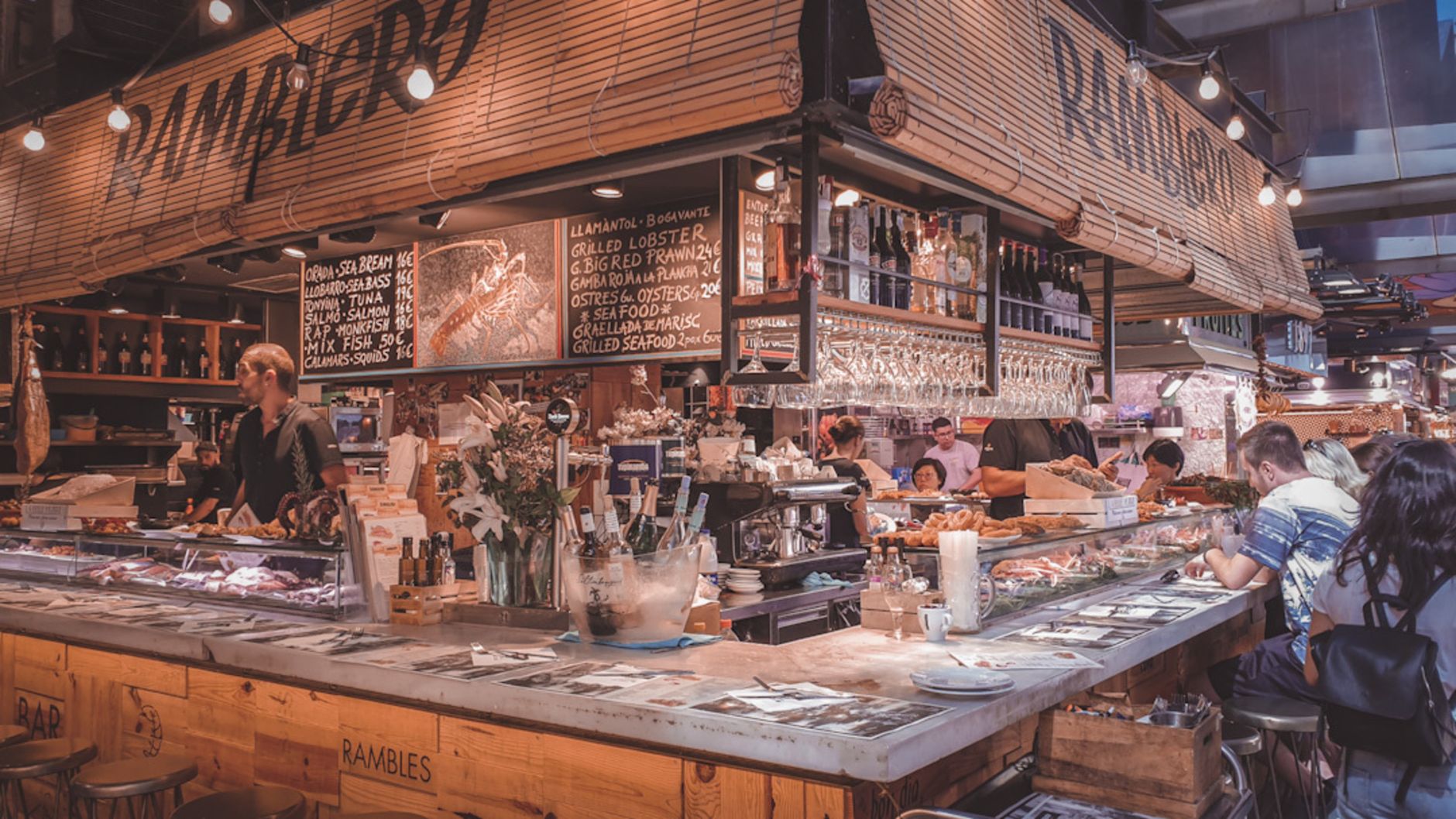
La Boqueria, a sprawling market just off Las Ramblas, is an iconic Barcelona institution. While its sheer beauty and vibrant displays are undeniable, navigating its labyrinthine stalls can be overwhelming. My recent tour with Chef Javier, a passionate advocate for Catalan cuisine, transformed my perception.
Javier, with his weathered hands and infectious enthusiasm, led me through the throng. He didn't just point out the gambas de palamos (prawns from Palamos); he explained their distinct sweetness, a result of their cold-water habitat. We stopped at a stall overflowing with erizos de mar (sea urchins), and Javier, with practiced ease, cracked one open, revealing the rich, briny roe. He described it as "the taste of the Mediterranean in one bite."
Pro-Tip:
Arrive at La Boqueria before 9 AM. The morning light is magical, and you'll catch the freshest deliveries before the midday crowds descend. Look for the stalls at the back for less touristy, more authentic selections.
Insider Insights from Barcelona:
- Beyond the Display: Javier steered me away from the perfectly arranged, pre-portioned fillets and towards a whole bonito (tuna). He explained that buying whole allows for more versatile cuts and a better understanding of the fish's quality.
- The Unsung Heroes: We spent time with a local oyster farmer, learning about their meticulous cultivation process. Javier emphasized the importance of supporting these smaller producers.
- A Taste of Tradition: At a small tapas bar within the market, Javier ordered chipirones a la plancha (grilled baby squid), explaining the simple yet perfect execution – a squeeze of lemon, a drizzle of olive oil, and the inherent flavor of the fresh squid.
The Quintessential Japanese Experience: Tsukiji Outer Market, Tokyo
For decades, Tsukiji was the name in global seafood markets. While the inner wholesale market has moved, the Outer Market remains a vibrant testament to Tokyo's deep-rooted seafood culture. My experience here, with Chef Kenji, was a lesson in precision and respect for ingredients.
Kenji, a man of few words but immense knowledge, moved with an almost meditative grace through the bustling lanes. His focus was on the smaller, more specialized stalls. He introduced me to anago (conger eel), explaining its delicate texture and how it's often grilled and glazed for sushi. We examined impossibly fresh uni (sea urchin roe), and Kenji demonstrated the subtle differences in color and texture that indicate superior quality.
Pro-Tip:
For the freshest sushi-grade fish, visit the Tsukiji Outer Market between 8 AM and 11 AM. Many stalls offer small tasting portions, allowing you to sample before committing to a larger purchase.
Tokyo's Culinary Secrets Revealed:
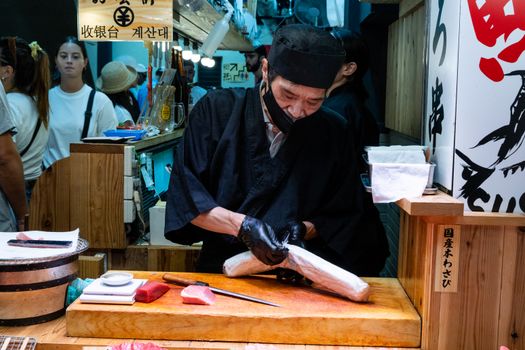
- The Art of the Cut: Kenji showed me a skilled fishmonger meticulously filleting a tai (sea bream), explaining the precise angles and knife techniques required for perfect sushi and sashimi.
- Beyond the Obvious: He highlighted lesser-known delicacies like hotaru ika (firefly squid), explaining their fleeting season and unique, slightly bitter flavor.
- The Umami Factor: Kenji emphasized the importance of katsuobushi (dried bonito flakes) and konbu (kelp) from specialist stalls, explaining how these fundamental ingredients build the foundation of Japanese flavor.
The French Approach: A Symphony of Flavors at Marché des Enfants Rouges, Paris
Paris, while landlocked, boasts a culinary prowess that extends to the freshest seafood. The Marché des Enfants Rouges, Paris's oldest covered market, offers a delightful blend of traditional produce and international food stalls. My tour with Chef Isabelle was a masterclass in French elegance and ingredient appreciation.
Isabelle, with her chic demeanor and encyclopedic knowledge, navigated the market with ease. She pointed out plump huîtres (oysters) from Brittany, explaining the subtle mineral notes that differentiate them. We admired glistening saint-jacques (scallops) and Isabelle described the ideal searing technique to achieve a perfect caramelization.
Pro-Tip:
Visit on a Saturday morning for the liveliest atmosphere. Many stalls offer prepared seafood dishes, perfect for a delicious market lunch. Look for the "poissonnerie" signs for dedicated fishmongers.
Parisian Market Wisdom:
- Terroir of the Sea: Isabelle explained how the origin of the oysters – the specific bays and currents – significantly impacts their flavor profile.
- Seasonal Stars: She highlighted the importance of sole meunière during its peak season and discussed the best accompaniments, like brown butter and capers.
- The Art of Pairing: Isabelle offered insights into pairing seafood with specific wines, a crucial element of French gastronomy.
Budget & Logistics: Making Your Chef-Guided Tour a Reality
Embarking on a chef-guided fish market tour is an investment in an unforgettable culinary adventure. While prices can vary, here's a general overview:
| Feature | Estimated Cost ($USD) | Best Time to Visit | How to Get There |
| :------------------ | :-------------------- | :----------------- | :------------------------------------------------------------------------------------------------------------------------------------------------------------------------- |
| Lisbon (Mercado da Ribeira) | $80 - $150 per person | 7 AM - 11 AM | Metro (Cais do Sodré station), Tram 15, Bus. Easy to access from the city center. |
| Barcelona (La Boqueria) | $70 - $120 per person | 8 AM - 10 AM | Metro (Liceu or Catalunya stations), Bus. Located directly on Las Ramblas. |
| Tokyo (Tsukiji Outer Market)| $100 - $180 per person| 8 AM - 11 AM | Metro (Tsukiji or Tsukijishijo stations). Accessible via multiple JR and subway lines. |
| Paris (Marché des Enfants Rouges) | $60 - $100 per person | 9 AM - 1 PM | Metro (Filles du Calvaire or Temple stations), Bus. Located in the Marais district. |
Note:
These prices typically include the tour, tastings, and sometimes a light meal or drink. They do not usually include the cost of purchasing additional seafood to take home.
Booking Your Tour:
The best way to secure a chef-guided tour is through reputable culinary tour operators or by contacting chefs directly through their restaurant websites or social media. Many offer private tours for a more personalized experience.
The Takeaway: More Than Just a Meal, It's a Culinary Revelation
My journey through these iconic fish markets, guided by passionate chefs, was transformative. It was about more than just tasting the freshest seafood; it was about understanding the intricate ecosystem of the market, the dedication of the vendors, and the artistry of the chefs who bring these ingredients to life.
The world of fish markets is a vibrant, dynamic space, and with a chef as your guide, you unlock a level of appreciation and understanding that simply isn't possible on your own. You’ll leave not only with a satisfied palate but with a newfound respect for the journey of your food, from the ocean's depths to your plate. So, next time you crave an authentic culinary experience, bypass the ordinary and dive into the extraordinary – book a chef-guided fish market tour. Your taste buds will embark on an adventure they won't soon forget.