We’ve all been there. You scroll through Instagram, eyes glazing over at another picture of a pristine, white-sand beach, only to find out it’s now overrun with selfie sticks and overpriced cocktails. The dream of finding that truly untouched slice of paradise feels like a relic of a bygone era.
For years, I chased that elusive dream. I’ve hiked through jungles, paddled across lagoons, and squeezed through rocky crevices, all in pursuit of a beach that felt like mine – even if just for a fleeting moment. And I’m here to tell you, fellow wanderer, they still exist. They’re not always easy to reach, and they certainly won’t have a Starbucks nearby, but that’s precisely their magic.
These aren't just pretty spots; they're experiences. They demand a little effort, a dash of courage, and a whole lot of respect. But trust me, the reward? A memory etched into your soul, a story that sets your travel tales apart, and a profound connection to nature’s most spectacular artistry.
So, put down your phone (just for a moment!), grab your sense of adventure, and let’s dive into the secret beaches you absolutely need to experience before you kick the bucket.
---
1. Playa del Amor (Hidden Beach), Marietas Islands, Mexico: The Island with a Secret Heart
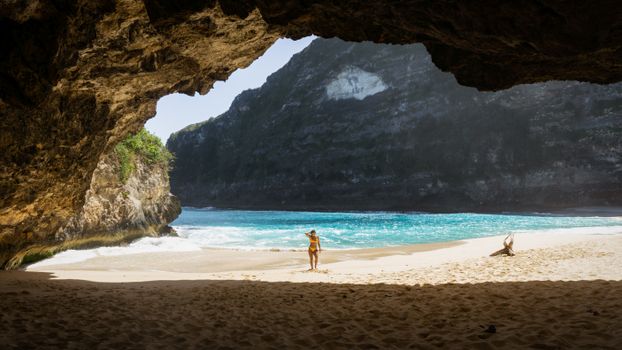
Imagine a beach that literally opens up inside an island, a natural skylight illuminating soft sands and calm, turquoise waters. That, my friends, is Playa del Amor, often called the Hidden Beach, nestled within Mexico’s Marietas Islands National Park. It's not just a beach; it's a geological marvel, a secret garden carved by volcanic activity and millennia of ocean currents.
My first visit felt like stepping into a Jules Verne novel. We boarded a small boat from Punta Mita, the salty spray invigorating my face as we sped towards the islands. As we approached, our guide pointed to a barely visible archway at the base of a cliff. “You swim through there,” he grinned, “and then, paradise.”
The swim itself is an adventure. You don a life vest and, when the tide is just right, you’re instructed to swim through a short, dark tunnel. It’s tight, it’s a little thrilling, and for a few seconds, you’re in complete darkness. Then, as you emerge, the world explodes with light. The circular opening in the island’s ceiling frames a perfect blue sky, and beneath it, a pristine crescent of sand awaits. The water is impossibly clear, teeming with colorful fish, and the feeling of absolute awe is palpable. It’s a place that makes you feel like you’ve discovered something truly unique, something meant only for a select few.
Why it’s special:
It’s literally hidden! The exclusivity and the dramatic reveal make it unforgettable. It’s a testament to nature’s incredible power and artistry.
Getting There:
The Marietas Islands are a protected national park, so access is strictly controlled to preserve the delicate ecosystem. You must go with a licensed tour operator from towns like Punta Mita or Sayulita in Nayarit. Prices for a half-day tour typically range from $80-$150 USD, including permits, equipment, and sometimes lunch. Only a limited number of visitors are allowed daily, and during peak season, tours can book out weeks in advance.
Tripsora Traveler Tips:
* Book Ahead: Seriously, do not show up expecting to get a spot. Reserve your tour well in advance, especially if traveling during holidays.
* Tide Dependent: Access to the Hidden Beach is tide-dependent. Ask your tour operator about the best times to go for easier swimming.
* Waterproof Everything: You’ll be swimming to get in, so a waterproof phone pouch or a GoPro is a must for capturing the magic.
* Respect the Rules: The park is a sanctuary for diverse marine life. Do not touch coral, feed fish, or leave any trace behind.
---
2. Kelingking Beach, Nusa Penida, Indonesia: The T-Rex’s Jaw-Dropping Secret
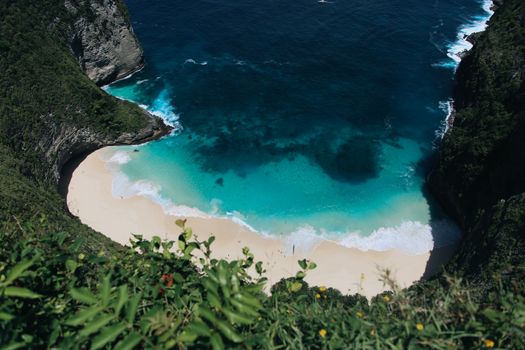
Nusa Penida, Bali’s rugged sibling, has exploded in popularity, largely thanks to Kelingking Beach’s iconic T-Rex-shaped cliff. But while thousands flock to the viewpoint for that Instagram-perfect shot, far fewer dare to make the treacherous descent to the actual beach below. And that, my friends, is where the real secret lies.
I remember standing at the cliff edge, my jaw on the floor. The sheer scale of the limestone formation is breathtaking, but my eyes were drawn to the impossibly vibrant turquoise water crashing against the untouched white sand far, far below. A rudimentary, bamboo-and-rope staircase clung precariously to the cliff face, disappearing into the jungle. “Are we really going down there?” I asked my guide, half-joking. His nod was all the answer I needed.
The hike down is not for the faint of heart. It’s steep, rocky, and can be slippery. My thighs burned, my hands were raw from gripping the makeshift railings, and at times, it felt more like a vertical climb than a descent. But with every careful step, the roar of the ocean grew louder, and the vision of that untouched beach became more real.
After what felt like an eternity (in reality, about 45 minutes to an hour), I finally stepped onto the soft, powdery sand. The feeling was pure exhilaration. The crowds at the top were a distant memory. Here, it was just a handful of intrepid souls, dwarfed by the towering cliffs, playing in the powerful waves. The ocean here is wild and untamed, a vibrant, living force. It’s a place that makes you feel small, yet incredibly alive.
Why it’s special:
It’s a truly raw, untamed beach that demands effort and rewards you with stunning isolation and powerful natural beauty. The journey is as much a part of the experience as the destination.
Getting There:
Take a fast boat from Sanur Beach in Bali to Nusa Penida (approx. 30-45 minutes, ~$10-15 USD one way). Once on Nusa Penida, rent a scooter ($5-7 USD/day) or hire a driver ($40-60 USD/day) to get to Kelingking. The drive is about an hour from the main port, and roads can be rough.
Tripsora Traveler Tips:
* Footwear is Key: Forget flip-flops. Wear sturdy hiking shoes or sneakers with good grip.
* Hydrate: Bring plenty of water for the hike down and back up. There are no facilities on the beach.
* Start Early: Go in the morning to avoid the midday heat and the biggest crowds at the viewpoint.
* Respect the Ocean: The currents here are incredibly strong. Only swim if you are a confident swimmer and stay close to the shore.
* Leave No Trace: Pack out everything you pack in.
---
3. Calanque d'En-Vau, Cassis, France: The Mediterranean’s Emerald Secret
Nestled between the towering white limestone cliffs of the Calanques National Park, near Cassis in the south of France, lies Calanque d'En-Vau. This isn't your typical Riviera beach. It’s a secluded fjord-like cove, where electric turquoise waters meet a tiny pebble beach, all framed by dramatic, pine-scented cliffs. It's a landscape so breathtaking, it feels like a secret only the most determined explorers are meant to find.
My journey to Calanque d'En-Vau was a quintessential French adventure. We started our hike from Cassis, winding our way through ancient olive groves and fragrant garrigue. The sun beat down, but a gentle breeze carried the scent of pine and salt. The trail was rugged, a mix of rocky paths and steep descents, offering tantalizing glimpses of the sparkling Mediterranean below.
Finally, after about an hour and a half of hiking, we rounded a bend, and there it was: a narrow sliver of emerald water, perfectly still, cradled by magnificent white cliffs that plunged into the sea. The air immediately felt cooler, the silence broken only by the gentle lapping of waves and the distant cry of gulls. We found a spot on the small pebble beach, stripped off our hiking gear, and dove into the unbelievably clear, cool water. Swimming there, surrounded by such raw, untamed beauty, felt like discovering a hidden sanctuary. It’s a place that demands effort but rewards you with unparalleled serenity and views that belong on a postcard.
Why it’s special:
It combines the rugged beauty of a fjord with the allure of a pristine Mediterranean beach, offering both an adventurous hike and a tranquil reward.
Getting There:
Fly into Marseille (MRS) and take a bus or train to Cassis. From Cassis, you have two main options:
1. Hike: The most rewarding way. There are several trails, but the most direct is from Port-Miou (Cassis), taking about 1.5-2 hours. Some sections are steep and rocky.
2. Kayak/Paddleboard: Rent a kayak or paddleboard from Cassis harbor and paddle about 1.5-2 hours along the coast, exploring other calanques along the way. Expect to pay €25-€40 for a half-day rental.
Tripsora Traveler Tips:
* Proper Gear: Wear sturdy hiking shoes with good grip if you plan to walk. Bring plenty of water, sunscreen, and a hat.
* Pack a Picnic: There are no facilities at the beach, so bring your own food and drinks to enjoy amidst the stunning scenery.
* Go Early: Especially in summer, arrive early to beat the heat and secure a good spot on the small beach.
* Check Fire Risk: During hot, dry summers, access to the Calanques can be restricted due to fire risk. Check the official park website before you go.
---
4. Fteri Beach, Kefalonia, Greece: Greece’s Unspoiled Azure Gem
While Myrtos Beach gets all the glory in Kefalonia, Greece, the true connoisseurs of secluded beauty whisper about Fteri Beach. Accessible only by boat or an epic, multi-hour hike through dense foliage, Fteri remains a pristine, untouched paradise of dazzling white pebbles and water so intensely turquoise it almost hurts your eyes. It’s the kind of place that makes you question if you’ve somehow stumbled into a screensaver.
My first encounter with Fteri was via a small local boat. We set off from a tiny, unassuming port, the engine sputtering to life as we cut through the calm, morning sea. As we rounded a bend, the captain gestured, and there it was: a long, sweeping arc of brilliant white against towering, verdant cliffs, with the Aegean Sea shimmering in a thousand shades of blue. It was utterly deserted. The silence was profound, broken only by the gentle lapping of waves against the shore.
Stepping onto Fteri felt like being the first person to discover it. The pebbles were smooth and warm underfoot, the water so clear you could see every tiny fish darting between the rocks. We spent hours swimming, snorkeling, and simply basking in the unparalleled tranquility. There are no sunbeds, no tavernas, no distractions – just pure, unadulterated nature. It’s a beach that demands you disconnect, breathe deep, and simply be.
Why it’s special:
Its remote access keeps the crowds away, preserving its raw, stunning beauty and offering an experience of true serenity in a Greek paradise.
Getting There:
1. Boat Taxi (Recommended): The easiest way. Head to Zola Beach or Agia Kiriaki on Kefalonia. Local fishermen or small tour operators offer boat transfers to Fteri, typically costing €20-€30 per person for a round trip. They'll drop you off and arrange a pick-up time.
2. Hiking (Advanced): For the truly adventurous, there’s a challenging, unmarked trail that starts inland and winds down to the beach. It’s steep, overgrown, and takes 2-3 hours each way. Only attempt with proper hiking gear, plenty of water, and ideally, a local guide or detailed GPS.
Tripsora Traveler Tips:
* Bring Everything: Absolutely no facilities. Pack plenty of water, snacks, a towel, sunscreen, and an umbrella for shade if you burn easily.
* Go Early: To maximize your time in blissful solitude before other boat taxis arrive.
* Snorkel Gear: The water clarity is incredible, making it perfect for snorkeling.
* Respect Nature: Take all your trash with you. This beach is pristine, let's keep it that way.
---
5. Anse Source d'Argent, La Digue, Seychelles: The Granite Boulder Dreamscape
Anse Source d'Argent isn’t entirely "secret" in the sense of being unknown – its unique granite boulders, sculpted by nature into ethereal forms, have graced countless postcards and travel magazines. However, its remote location in the Seychelles and the effort required to reach it mean it rarely feels crowded, offering an experience of serene, otherworldly beauty that few other beaches can match. It’s a dreamscape brought to life, a place where reality feels more beautiful than any fantasy.
My journey to La Digue began with a ferry from Mahé, then another from Praslin. The moment I stepped off the ferry onto La Digue, I felt a shift in pace. No cars, just bicycles. We rented bikes and cycled through lush coconut plantations, the air thick with the scent of tropical flowers. The path to Anse Source d'Argent winds through L'Union Estate, a former coconut and vanilla plantation, adding to the sense of stepping back in time.
And then, I saw it. The beach itself is a series of small, interconnected coves, each more stunning than the last. Massive, smooth granite boulders, worn by time and tide, rise majestically from the softest pink-hued sand, creating natural pools and hidden alcoves. The water is impossibly shallow and calm, a palette of turquoise and jade, perfect for wading, snorkeling, and simply floating in utter bliss. I spent hours exploring, discovering new angles, new hidden spots, feeling like I was wandering through a living art installation. The way the light played off the rocks at sunset, casting long, dramatic shadows, was pure magic.
Why it’s special:
The iconic, ancient granite boulders create a unique, surreal landscape unlike any other beach in the world, offering endless exploration and photographic opportunities.
Getting There:
Fly into Mahé (SEZ), then take a ferry to Praslin (approx. 1 hour, ~$50-60 USD). From Praslin, take another short ferry to La Digue (approx. 15 minutes, ~$15-20 USD). Once on La Digue, rent a bicycle ($5-10 USD/day) – it's the primary mode of transport. Anse Source d'Argent is part of L'Union Estate, which has an entrance fee of about €10.
Tripsora Traveler Tips:
* Go Early or Late: To experience the softest light for photography and avoid the few crowds that do arrive mid-day. Sunset is particularly spectacular.
* Explore Beyond the First Cove: Don't stop at the first beautiful spot you see. Keep walking, wading, and exploring the various coves and hidden passages between the boulders.
* Snorkel: The shallow, clear waters are perfect for spotting small reef fish.
* Reef Shoes: While the sand is soft, some areas have coral fragments, so reef shoes can be helpful.
* Hydrate & Snack: There are small juice bars and fruit stands within L'Union Estate, but bringing your own water is always a good idea.
---
6. Secret Lagoon, El Nido, Palawan, Philippines: A Gateway to Another World
El Nido, Palawan, is renowned for its karst landscapes and emerald waters, but within its myriad islands lies a true gem: the Secret Lagoon. As its name suggests, this isn’t a beach you simply walk onto. It's a hidden world, accessible only through a tiny, unassuming crevice in a towering limestone cliff face. It’s an adventure that feels straight out of a pirate map, promising a treasure at its heart.
I was on an island-hopping tour (typically Tour A) from El Nido town when our guide pointed towards a seemingly impenetrable wall of rock. "The Secret Lagoon is in there," he announced with a mischievous grin. My eyes scanned the cliff, trying to spot an opening, but saw nothing. We beached our kayak, and he led us to a small, jagged hole at water level. "You have to crawl through," he explained, "and be careful of the rocks!"
The anticipation was immense. I took a deep breath, crouched low, and squeezed through the narrow, dark opening. The rocks were sharp, the water cool against my skin. For a few seconds, I was completely enclosed, navigating by feel. Then, suddenly, the space opened up, and I emerged into a breathtaking, tranquil lagoon, completely encircled by towering limestone walls. The water was a stunning emerald green, perfectly still, reflecting the dramatic cliffs above. The only sound was the gentle echo of drips and the occasional bird call. It was a moment of pure, serene discovery, a hidden sanctuary that felt miles away from the bustling world outside.
Why it’s special:
The thrilling, almost clandestine entry through a tiny crevice leads to a completely enclosed, serene lagoon, offering a profound sense of discovery and isolation.
Getting There:
Fly into El Nido (ENI) or Puerto Princesa (PPS) and take a van to El Nido town (5-6 hours from PPS, ~$10-15 USD). From El Nido, book an "Island Hopping Tour A" (approx. $20-30 USD per person, including lunch, guide, and equipment). Secret Lagoon is a common stop on this tour.
Tripsora Traveler Tips:
* Reef Shoes are a Must: The entrance to the lagoon can be rocky and sharp. Protect your feet!
* Follow Your Guide: They know the tides and the safest way to navigate the entrance.
* Waterproof Your Gear: You'll be swimming and potentially crawling through water. A dry bag is essential.
* Be Patient: During peak times, there might be a small queue to enter the crevice. It’s worth the wait.
* Respect the Silence: Once inside, soak in the tranquility. Keep your voice down to preserve the peaceful atmosphere.
---
The Call of the Unseen
These aren't just pretty pictures for your feed (though they are incredibly Instagram-worthy!). These secret beaches represent the true spirit of travel: the thrill of discovery, the reward of effort, and the profound connection to a world that still holds wonders beyond our wildest imagination. They remind us that paradise isn't always found on a billboard; sometimes, it's hidden, waiting patiently for the intrepid soul to seek it out.
The journey to these hidden gems might be a little tougher, a little dirtier, and definitely without Wi-Fi, but that's precisely why they’re so special. They strip away the distractions and leave you with nothing but pure, unadulterated beauty and the profound satisfaction of having truly explored.
So, which secret paradise will you chase first? Will it be the hidden heart of a Mexican island, the T-Rex’s secret lair in Indonesia, a French fjord, a Greek dream, the boulder-strewn shores of Seychelles, or a Philippine lagoon?
Don't just dream about it – start planning! Bookmark this guide, share it with your adventure crew, and tell me in the comments below: what’s your most unforgettable secret beach discovery? Let’s inspire each other to keep seeking the unseen!