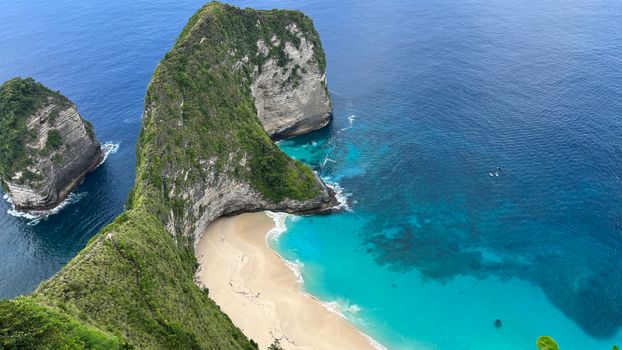
The sea breeze carried the scent of salt and possibility, a whisper of untold stories. My battered journal lay open, filled with cryptic notes, half-drawn maps, and the names of places that sounded more like ancient myths than real locations. I was in a tiny fishing village in the Cyclades, a world away from the postcard-perfect Santorini caldera, trying to decipher a local fisherman’s rapid-fire Greek mixed with hand gestures pointing vaguely towards a craggy coastline. He'd just finished telling me, in no uncertain terms, that there was "nothing there for tourists."
But I knew better. Or, at least, I hoped I did.
My quest for the world’s most elusive beaches isn't just about finding pretty sand and clear water. It's about the chase, the thrill of discovery, the quiet satisfaction of standing where few others have. It’s about peeling back the layers of a destination, moving beyond the curated experiences, and finding the raw, untamed heart of a place. It's about earning that view, that swim, that moment of pure, unadulterated solitude. And yes, it’s about respecting the unspoken pact: these places are sacred, and their magic is fragile.
Locals don't want tourists to know about these beaches for good reason. They are sanctuaries – for wildlife, for quiet reflection, for maintaining the delicate balance of their environment and culture. When I share these secrets, it comes with a profound responsibility, not just for you, the reader, but for me, the storyteller. My aim isn't to turn these into the next tourist traps, but to empower you to become a respectful, mindful explorer, someone who cherishes these spots as much as the people who call them home.
Are you ready to trade the beaten path for the whispered trail? To swap crowded shores for pristine solitude? Then lean in close, because I’m about to share some of my most cherished discoveries.
The Art of Uncovering the Unseen: My Philosophy for Finding Hidden Gems
Before we dive into specific locations, let’s talk strategy. How does one even begin to find a beach that locals actively try to keep secret? It’s not about Google Maps or TripAdvisor. It's an art form, a delicate dance of observation, conversation, and respectful persistence.
My journey often begins far from the main tourist hubs. I seek out sleepy villages, local markets, and unassuming tavernas. I talk to fishermen mending their nets, old women selling their crafts, and the quietest barista in the corner cafe. I never ask directly, "Where are your secret beaches?" That's a surefire way to get a polite smile and a redirection to the nearest crowded resort. Instead, I ask about local swimming spots, places where they go to escape, or trails that lead to "interesting views." I learn a few phrases in the local language, show genuine interest in their lives, and sometimes, just sometimes, after a few days of building rapport, a knowing wink or a vague hand gesture will point me in the right direction.
It's about trust. It's about blending in. It's about showing that you're not just another passing face, but someone who genuinely appreciates the beauty and culture of their home. And once you find these places, the true work begins: preserving their magic.
1. Emerald Cove, Milos, Greece – Beyond the Caldera Crowds
My quest for Emerald Cove began with that cryptic conversation with the fisherman. After days exploring the more famous (and undeniably stunning) beaches of Milos – Sarakiniko, Firiplaka – I felt a pull towards something more raw. The fisherman's vague directions, combined with a barely legible sketch on a napkin from a friendly taverna owner, led me to a dusty track on the island's wilder, less developed south coast.
The Discovery:
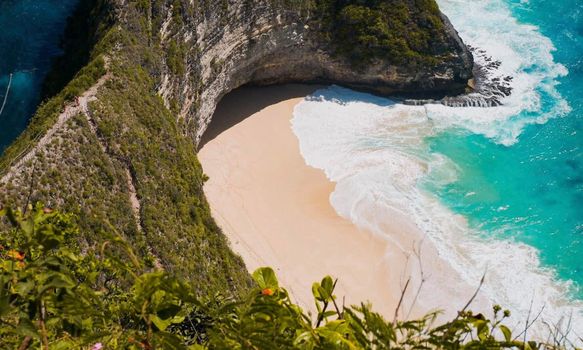
After parking my rented scooter on a precarious incline, I hiked down a goat path, the air thick with the scent of wild herbs. The path was overgrown, thorny in places, and for a moment, I questioned my sanity. Then, through a gap in the dense scrub, I saw it: a tiny cove, no bigger than a football field, cradled by towering, moss-green volcanic cliffs. The water, a startling shade of green-blue, was impossibly clear, reflecting the emerald hues of the rock formations. There was no one else there. Just the gentle lapping of waves and the distant cry of gulls.
What Makes it Secret:
Its difficult, unmarked access is the primary deterrent. It requires a decent hike (about 30-40 minutes each way) and sturdy shoes. There are no signs, no facilities, not even a garbage bin. It’s pure, untouched nature.
The Vibe:
Utterly serene. It feels like stepping into a private, ancient grotto. The smooth, colourful pebbles underfoot add to its unique charm. It’s perfect for a quiet swim, snorkeling amongst the rocks, or simply soaking in the profound silence.
Practical Tips:
* Getting There: Rent a scooter (around €20-€30/day) or a small car. Head towards the area generally known as "Tsigrado" but look for an even more remote track further east, often just a dirt path off the main road. Ask a local (not a hotel receptionist) for "Kleftiko's smaller, greener cousin" – a subtle hint that might get you a nod.
* What to Bring: Water, snacks, sturdy shoes for the hike, a small towel, snorkel gear, and everything you take in must come out with you. Leave no trace.
* Best Time: Early morning or late afternoon to avoid the midday sun on the hike and enjoy the soft light.
* Cost: Free, beyond your transport.
2. Lost Lagoon Beach, Palawan, Philippines – A Kayaker's Dream
Palawan is famous for its lagoons and limestone karsts, but most are well-trodden. My search for something truly unique led me to the northern reaches of El Nido, far from the bustling island-hopping tours. I’d struck up a conversation with a local boatman named Kuya Ben, who, after several days of me chartering his boat for less popular routes, finally offered a cryptic suggestion: "There's a place... for kayakers. If you're brave enough."
The Discovery:
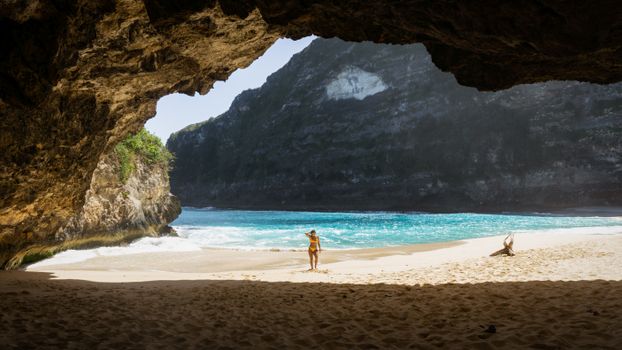
Kuya Ben dropped me off at a remote, unassuming beach, pointing to a tiny, almost invisible slit in a massive limestone cliff face. "Low tide," he said, "and paddle fast." Renting a kayak (around ₱500/day, roughly $10 USD) and paddling towards that dark opening, I felt a surge of adrenaline. The entrance was barely wide enough for the kayak, and I had to duck low to get through. On the other side, the world opened up into a breathtaking, perfectly circular lagoon, completely enclosed by towering cliffs. The water was an impossible shade of turquoise, teeming with vibrant coral and fish. It was like paddling into a forgotten world.
What Makes it Secret:
The hidden, tide-dependent entrance is the ultimate gatekeeper. Most tour boats are too large, and most tourists aren't equipped (or brave enough) to navigate the narrow passage.
The Vibe:
Magical and adventurous. It’s a place that feels ancient, where time stands still. The silence, broken only by the dip of your paddle and the occasional bird call, is profound. At night, if you're lucky, the bioluminescent plankton here can be absolutely mesmerizing.
Practical Tips:
* Getting There: You'll need to charter a private boat from El Nido town (expect to pay around ₱3,000-₱5,000, roughly $60-$100 USD, for a full day, depending on negotiation and distance) to drop you near the general area (I can't give exact coordinates, as that would defeat the purpose of "secret"). You'll then rent a kayak from a local vendor (often found on less-frequented beaches) and get specific instructions from them regarding tide times and the exact location of the entrance.
* What to Bring: Waterproof bag, snorkel gear, reef-safe sunscreen, plenty of water, and a headlamp if you plan to stay until dusk for the bioluminescence.
* Best Time: Early morning at low tide for easy access and calm waters.
* Cost: Boat charter + kayak rental. Worth every penny.
3. Playa Escondida del Sol, Oaxaca, Mexico – Where the Desert Meets the Pacific
Oaxaca is renowned for its vibrant culture, incredible food, and mezcal. Its coastline, particularly around Puerto Escondido and Mazunte, is popular but still holds pockets of wild, untamed beauty. My journey to Playa Escondida del Sol began with a tip from a wise, elderly mezcal producer in a remote village, who simply said, "If you want to see where the earth truly meets the sky, go west, then south, until the road ends."
The Discovery:
This was less a discovery and more an expedition. I rented a rugged 4x4 (essential for the terrain, around $70-$100 USD/day) and headed down increasingly challenging dirt roads, passing through arid scrubland and small, humble ranches. After hours of bumping along, the "road" literally ended at a steep, sandy track. I parked and hiked down, the roar of the Pacific growing louder with each step. And then, there it was: a vast, sweeping expanse of golden sand, framed by dramatic, ochre-coloured cliffs and crashing waves. The beach stretched for miles, completely deserted. The raw power of the ocean here was palpable, a stark contrast to the quiet desert behind me.
What Makes it Secret:
Extreme difficult access. The road is often impassable for regular vehicles, and there are no amenities, no cell service, and no signs. It's truly off-grid.
The Vibe:
Wild, raw, and exhilarating. This is a beach for surfers seeking powerful, uncrowded waves (if you're experienced enough) or for anyone who craves absolute solitude under a vast, open sky. The sunsets here are legendary, painting the sky in fiery hues that reflect on the untouched sands. Stargazing is phenomenal.
Practical Tips:
* Getting There: A high-clearance 4x4 is non-negotiable. Hire a local driver with a suitable vehicle (negotiate price, could be $100-$150 USD for a day trip) or be a very confident off-road driver yourself. The general direction is west of Puerto Escondido, towards the border with Guerrero, but you'll need local guidance for the specific turn-offs.
* What to Bring: Absolutely everything. Water (lots!), food, sunscreen, hat, first-aid kit, a sturdy umbrella or tarp for shade, and a full tank of gas. Leave no trace.
* Best Time: Any time of day, but sunsets are magical. Be aware of strong currents if swimming.
* Cost: Vehicle rental/driver.
4. Whisper Sands, Koh Lanta, Thailand – A Slice of Andaman Paradise
Koh Lanta, while not as frenetic as Phuket or Koh Phi Phi, still draws its fair share of visitors. But away from the main west coast beaches, tucked into the island's eastern side, lie secrets. My discovery of Whisper Sands was purely serendipitous. I was exploring by scooter (around ฿200-฿300/day, roughly $6-$9 USD), taking every unmarked dirt track that veered off the main road, simply enjoying the lush jungle scenery. I stopped at a small, ramshackle shop for a cold drink, and the elderly owner, noticing my adventurous spirit, simply pointed down a barely visible path through a rubber plantation. "Quiet place," she mumbled, "for thinking."
The Discovery:
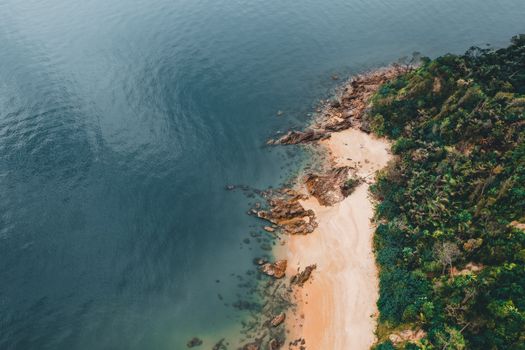
The path wound through dense foliage, the air thick with the scent of tropical flowers and damp earth. After about 15 minutes of walking, the trees parted, revealing a crescent of impossibly soft, white sand. The water was shallow, crystal-clear, and shimmered in shades of turquoise and jade, perfectly still like a mirror. On either side, the jungle met the sea, forming a natural, verdant embrace. There were no resorts, no vendors, just a couple of local fishing boats bobbing gently in the distance. It was the epitome of peaceful, tropical bliss.
What Makes it Secret:
It's completely hidden from view, accessible only by an unmarked, easily missed path. Its location on the quieter east coast, known more for its mangroves and local villages than its swimming beaches, also keeps it off the tourist radar.
The Vibe:
Idyllic, tranquil, and utterly relaxing. Perfect for quiet contemplation, reading a book, or a gentle swim. The shallow, warm waters are ideal for families with small children, though you'll be on your own.
Practical Tips:
* Getting There: Rent a scooter and explore the network of smaller roads and tracks on Koh Lanta's east coast, particularly south of Lanta Old Town. Keep an eye out for any narrow, overgrown paths leading towards the sea. Asking local shop owners in small villages (e.g., Baan Thung Yee Pheng area) might yield a subtle nod towards "the quiet beach."
* What to Bring: Water, snacks, a sarong or light towel, a good book, and reef-safe sunscreen. There is minimal natural shade, so a hat is also wise. Leave absolutely no trace.
* Best Time: Any time of day. The water is always calm.
* Cost: Free, beyond your scooter rental.
5. Cala Secreta, Sardinia, Italy – The Sardinian Riviera's Hidden Gem
Sardinia is famous for its stunning beaches, but many are now well-known. My search for Cala Secreta began after a frustrating day battling crowds at a popular "hidden" cove near Cala Gonone. A local shepherd, who I’d offered a ride to, noticed my exasperation. "The real secrets," he grumbled, "are not in the guidebooks." He then gave me directions that involved a specific olive tree, three left turns on unpaved roads, and a "path only goats would love."
The Discovery:
After navigating a series of increasingly rough tracks in my rented Fiat Panda (a surprisingly capable little car, about €30-€50/day), I found the olive tree. The "path" was indeed a goat trail, steep and rocky, winding down a fragrant hillside of juniper and wild rosemary. The descent was challenging, but the reward was breathtaking. Cala Secreta was a tiny, pristine crescent of white sand nestled between dramatic granite cliffs, fringed by crystal-clear, emerald-green water. A few ancient junipers clung precariously to the rocks, offering the only shade. The silence was profound, broken only by the gentle lapping of waves and the buzz of a lone bee.
What Makes it Secret:
Its extremely difficult access by land, coupled with no signage and its small size, keeps it off the radar. It's also often overlooked by boat tours, which typically stick to larger, more famous coves.
The Vibe:
Exquisite, intimate, and profoundly peaceful. It feels like your own private slice of Mediterranean paradise. The water is perfect for swimming and snorkeling, teeming with small fish.
Practical Tips:
* Getting There: You'll need a car. Head towards the coast between Cala Gonone and Orosei, but specifically target the areas away from the main tourist beaches. Look for unpaved roads that lead towards the sea. Asking a shepherd or an elderly local in a small village like Dorgali or Cala Gonone (using some Italian phrases) for "una caletta tranquilla, non per i turisti" (a quiet cove, not for tourists) might yield a helpful, if vague, direction. The hike down is steep and requires good footwear.
* What to Bring: Water, snacks (there's nowhere to buy anything), a small towel, snorkel gear, and sturdy walking shoes. Sunscreen and a hat are essential as shade is minimal.
* Best Time: Early morning for solitude and the best light on the water.
* Cost: Free, beyond car rental.
6. Starfish Strand, Zanzibar, Tanzania – An African Oasis
Zanzibar's beaches are famous, but many, like Nungwi and Kendwa, are bustling. My quest for a truly secluded spot led me to the less-developed southeastern coast. I was staying in a small guesthouse, and the owner, a jovial man named Juma, noticed my penchant for early morning walks and my camera. He told me, "There's a place. The old women go there to gather shells. No tourists."
The Discovery:
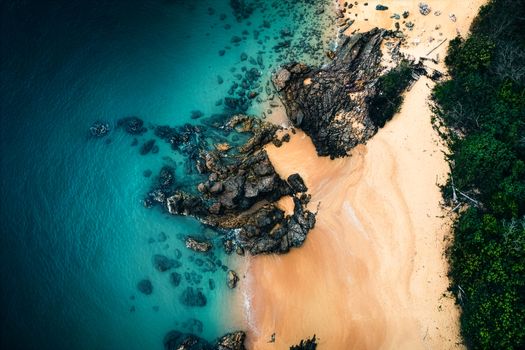
Juma arranged for a local "dala-dala" (shared mini-bus taxi, around 2,000 TZS or $1 USD) to drop me at a specific point on a dusty road, then pointed to a narrow path through a dense thicket of palms. Following the winding path, I emerged onto a breathtaking stretch of white, powdery sand, flanked by swaying palm trees. The water was shallow, impossibly clear, and dotted with vibrant blue and red starfish – hence my name for it. There were no resorts, no vendors, just a few local women, their colorful kangas bright against the white sand, quietly collecting shells. The sense of peace was immediate and profound.
What Makes it Secret:
It's completely unmarked, requires local transport and a walk through dense vegetation, and is not on any tour routes. Its shallow waters also make it less appealing to those looking for deep-water swimming or watersports.
The Vibe:
Authentically Zanzibari, serene, and incredibly beautiful. It's a place where you can feel truly connected to the local rhythm of life. The shallow, warm water is perfect for wading and observing marine life.
Practical Tips:
* Getting There: You'll need to use local transport (dala-dala) or hire a private taxi (negotiate price, maybe $30-$50 USD for a return trip from Stone Town, less from nearby villages) to a general area on the southeastern coast, then ask locals for directions to "the women's beach" or "where the old women collect shells." Be respectful and friendly.
* What to Bring: Water, hat, reef-safe sunscreen, a light sarong, and small change for local transport or to buy a fresh coconut from a passing vendor.
* Best Time: Low tide, when the starfish are most visible and the shallow waters are perfect for wading.
* Cost: Very low, mainly transport.
7. Moonstone Beach, Big Sur, California, USA – A Pacific Coast Dream
Even in well-traveled regions, secrets persist. Big Sur is iconic, known for its dramatic cliffs and stunning coastal views. But most visitors stick to the main viewpoints and popular state parks. My discovery of Moonstone Beach came from a conversation with a grizzled old park ranger at a remote campground, who, after I'd helped him fix a flat tire, grumbled, "If you really want to see Big Sur, you gotta earn it. Go past the 'No Trespassing' signs, but don't tell me I told ya."
The Discovery:
This was perhaps my riskiest "secret" beach. The ranger's directions were vague, involving a long drive down an unmarked, unpaved road that branched off the famous Highway 1, far south of the main Big Sur attractions. The road was incredibly rough, requiring careful navigation in my rental SUV (around $80-$120 USD/day). After what felt like an eternity, I reached a small, informal parking area. The "path" was a steep, gravelly descent down a cliff face, requiring careful footing and a bit of scrambling. But as I descended, the raw beauty unfolded. Moonstone Beach was a wild, windswept stretch of dark, glittering sand, constantly reshaped by the powerful Pacific waves. What made it unique were the millions of smooth, polished "moonstones" – translucent quartz pebbles – that covered the beach, shimmering under the sun. The air was crisp, the roar of the ocean immense, and the feeling of solitude was profound, surrounded by the untamed majesty of the California coast.
What Makes it Secret:
Its extremely remote location, difficult and potentially hazardous access, and the fact that it's technically on private land (though often tolerated if respected) keeps it largely untouched.
The Vibe:
Wild, rugged, and awe-inspiring. It's a place for reflection, for feeling the immense power of nature, and for collecting beautiful, naturally tumbled stones (take only a few, leave most). It's not a swimming beach due to strong currents and cold water, but it's perfect for long, contemplative walks.
Practical Tips:
* Getting There: This requires a confident driver and a robust vehicle (SUV or 4x4 recommended). Drive far south on Highway 1 past established Big Sur attractions. You'll need to look for an unmarked, often gated dirt road on the ocean side (do your research on specific "unofficial" access points, and always be mindful of private property signs). The hike down is challenging and potentially dangerous; assess conditions carefully.
* What to Bring: Warm layers (even on a sunny day, it can be chilly and windy), sturdy hiking boots, water, snacks, a small backpack, and a camera. Be prepared for no cell service.
* Best Time: Mid-morning or late afternoon. Check tide charts; access might be limited at very high tide.
* Cost: Free, beyond vehicle rental.
The Guardians of the Coast: Why Locals Keep These Secrets
As you embark on your own quest for untouched beauty, remember why these places remain hidden. It's not just about exclusivity; it's about preservation.
* Environmental Protection: Many secret beaches are fragile ecosystems, home to unique flora and fauna. Excessive tourism can quickly destroy their delicate balance.
* Cultural Authenticity: Locals cherish these spots as places of refuge, connection to nature, and sometimes, spiritual significance. Over-tourism can erode this connection and turn sacred spaces into commodities.
* Maintaining Peace: The quiet, the solitude, the feeling of being truly away from it all – that's the essence of a secret beach.
* Safety: Some hidden spots are genuinely dangerous for unprepared visitors (strong currents, tricky access, lack of rescue services).
When you visit, tread lightly. Take nothing but photos, leave nothing but footprints (and even those, try to minimize). Support local businesses, respect local customs, and if you encounter other people, offer a quiet nod, acknowledging the shared privilege of discovery. The true "secret" isn't just the location; it's the responsible, respectful way you experience it.
Your Passport to the Unseen
The world is still full of wonders waiting to be discovered, places that whisper their existence only to those willing to listen, to those who approach with humility and an open heart. These secret beaches aren't just patches of sand and sea; they are profound experiences, moments of connection with nature and culture that will stay with you long after the tan fades.
So, pack your sense of adventure, your respect for the planet, and your quietest footsteps. Go forth, explore responsibly, and perhaps, just perhaps, you'll discover your own secret slice of paradise. And if you do, remember the pact: cherish it, protect it, and maybe, just maybe, keep its deepest magic to yourself.
What's your most cherished hidden gem, a place you've discovered that feels like your own secret? Share your thoughts (without giving away too much!) in the comments below. Let's inspire each other to explore more mindfully.
---