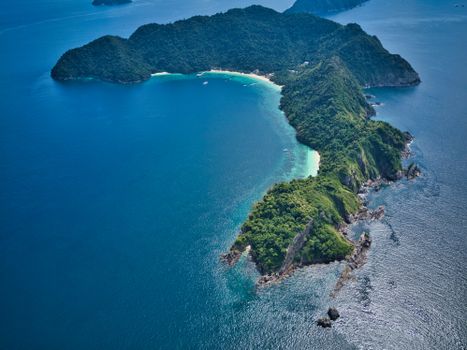
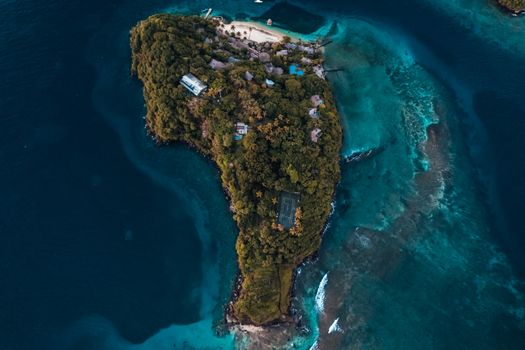
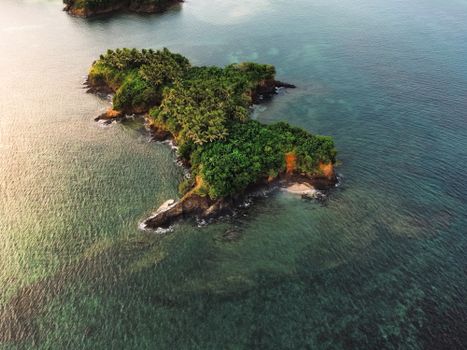
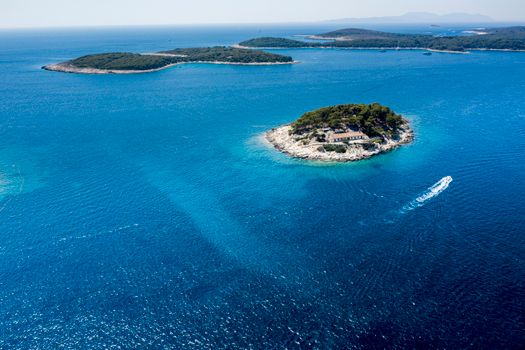
The gentle lapping of waves against soft sand was my alarm clock. Overhead, a symphony of exotic birds chirped, and the air was thick with the scent of salty ocean and blossoming frangipani. I stretched out on my simple mat, the morning sun already warming my skin, and gazed across the pristine turquoise water. There wasn't another soul in sight. Just me, a tiny, unnamed island, and the endless horizon. My breakfast, a ripe mango and some local pastries, awaited me, purchased for mere dollars from a bustling market the day before. This wasn’t a fantasy; it was my reality, and it cost me less than a fancy dinner back home.
For years, the phrase "private island" conjured images of billionaires, champagne flutes, and exorbitant luxury. It was a dream reserved for the ultra-wealthy, a travel fantasy utterly out of reach for the average adventurer like me. But then, something shifted. Through countless hours of research, a willingness to embrace the unconventional, and a healthy dose of intrepid spirit, I started uncovering a truth that the travel industry conveniently keeps under wraps: private island experiences, or something incredibly close to them, are not only possible on a budget, but they’re also infinitely more rewarding.
What if I told you that you could find your own slice of untouched paradise, complete with crystal-clear waters, vibrant marine life, and absolute solitude, all for less than $100? And what if I told you to hurry, because these hidden gems are on the cusp of being discovered? Welcome to the world of pre-mainstream private island experiences, and trust me, you’ll want to bookmark this guide, pack your bags, and go now.
Redefining "Private Island Experience" on a Budget
Let's be clear: we're not talking about renting Richard Branson’s Necker Island for $99. That's a different kind of fantasy! My definition of a "private island experience" for the budget-conscious traveler is more nuanced, more authentic, and arguably, far more adventurous. It means:
- Exclusive Day Access: Hiring a local boat to take you to a completely uninhabited island for the day, where you are the sole visitor.
- Remote Glamping/Camping: Finding a tiny, lesser-known island with a handful of basic, locally-run accommodations or even a designated camping spot, allowing you to feel like one of the only people there.
- Homestays on Tiny Islets: Staying in a family-run guesthouse on a small island where tourism is minimal, offering an intimate glimpse into local island life with vast stretches of beach to yourself.
- DIY Island Hopping: Crafting your own island-hopping adventure to avoid crowded tour routes, seeking out the most secluded coves and beaches.
The key here is embracing simplicity, local culture, and the raw beauty of nature. You won't find infinity pools or room service, but you will find unparalleled peace, stunning natural beauty, and stories that no five-star resort could ever offer. It's about disconnecting to truly reconnect – with nature, with locals, and with yourself.
The Art of Finding Your Own Slice of Paradise: My Research Secrets
So, how do you unearth these elusive, budget-friendly havens? It requires a bit of detective work and a willingness to stray from the well-trodden path. Here are my tried-and-true methods:
- Google Maps Satellite View is Your Best Friend: Seriously. Zoom in on coastlines, especially in regions known for numerous small islands (think Southeast Asia, Central America, parts of the South Pacific). Look for tiny specks of land, white sandy patches, and minimal signs of development. Once you spot a promising candidate, try to find its name (if it has one) and search for local information.
- Ask the Locals (Seriously!): Once you arrive in a coastal town or on a larger island, ask fishermen, guesthouse owners, or local vendors about "uninhabited islands nearby," "best secluded beaches," or "places to camp on a small island." They are the ultimate experts and often know about hidden spots not found in guidebooks.
- Target Less-Visited Regions & Islands: Instead of popular hotspots like Phuket or Boracay, look to their less famous neighbors. For example, in the Philippines, while El Nido is popular, the islands around Coron or even further south in Palawan offer more secluded options. In Indonesia, bypass Bali for Lombok's smaller Gilis or islands off Flores.
- Leverage Local Transport: Look for local ferries, fishing boats, or bangka boats (Philippines) that can be chartered for the day. Negotiate directly with the captain or boat owner. This is often the most cost-effective way to reach a secluded spot.
- Search Niche Terms: Beyond "private island," try searching for "island camping," "local island homestay," "uninhabited island day trip," "fishing village island," or "eco-lodge remote island."
- Be Flexible: Sometimes, the best discoveries happen when you don't have a rigid plan. Allow for spontaneity and embrace unexpected detours.
My Top Picks: Real-World Examples & How You Can Do It Too!
I’ve personally experienced the magic of these budget-friendly private island escapes. Here are a few of my favorites, complete with actionable advice to help you plan your own:
1. Philippines: Your Own Island for a Day in Palawan
- Where: The archipelago around Coron or El Nido in Palawan, but specifically target the lesser-known islets. While tours hit popular spots, there are hundreds of smaller, unnamed islands.
- The Experience: Imagine this: you wake up early, head to the local port, and negotiate with a bangka (outrigger boat) captain. Tell them you want to visit an uninhabited island, specifically one without other tourists. Pack a cooler with water, snacks, and a freshly grilled fish from the market. They drop you off on a pristine beach, agree on a pick-up time, and leave you to your own devices. For hours, it's just you, the white sand, and the clearest water you've ever seen. Snorkel among vibrant corals, build sandcastles, read a book, or simply float in the tranquility.
- My Anecdote: On one such trip near Coron, our captain dropped us off on a tiny islet, barely more than a sandbar with a few palm trees. As the boat puttered away, a profound silence descended. We spent the day snorkeling, finding Nemo in anemones, and just marveling at the sheer solitude. For lunch, we shared our grilled fish, sitting on driftwood, feeling like true castaways. The feeling of pure, unadulterated freedom was intoxicating.
- Cost Breakdown (per person, splitting a boat with 2-3 others):
- Boat rental for the day: $40-$60 (negotiated, split)
- Food/drinks: $10-$15
- Total: ~$25 - $40
2. Indonesia: Glamping on a Remote Islet near Lombok
- Where: While the main Gilis (Trawangan, Meno, Air) are popular, look for the "Secret Gilis" or "South Gilis" off the coast of Lombok, such as Gili Gede, Gili Sudak, Gili Nanggu, or even tiny, less-developed spots further south.
- The Experience: These islets offer a more rustic charm. You might find a handful of basic bungalows or even glamping tents run by local families. Days are spent snorkeling directly from your doorstep, exploring mangrove forests, or simply relaxing in a hammock with a book. Evenings are magical, with starry skies and the sound of the ocean as your lullaby. There are no parties, just peace.
- My Anecdote: I once stayed in a simple, open-air bungalow on Gili Sudak. My "room" was a bamboo structure with a mosquito net and a fan, right on the beach. Every morning, I watched the sunrise paint the sky in fiery hues, then swam with fish just meters from my bed. One evening, a local fisherman cooked me a fresh snapper he'd caught that day, served with rice and sambal, under a canopy of stars. It was simple, perfect, and deeply connecting.
- Cost Breakdown (per person, per night):
- Basic bungalow/glamping tent: $30-$60
- Boat transfer from Lombok: $5-$10
- Food/drinks: $10-$20
- Total: ~$45 - $90
3. Belize: Homestay on a Secluded Caye
- Where: Tobacco Caye is a fantastic option, but there are other smaller, less-known cayes (islands) along the Belize Barrier Reef. Seek out family-run guesthouses rather than resorts.
- The Experience: Belizean cayes are renowned for their incredible marine life. Staying on a tiny caye means you're literally steps away from world-class snorkeling and diving. These homestays often include meals, giving you a taste of authentic Creole cuisine. You'll spend your days swimming, kayaking, fishing with locals, and learning about the vibrant ecosystem. The community is small, friendly, and welcoming.
- My Anecdote: On Tobacco Caye, I stayed in a brightly painted wooden cabin built on stilts over the water. The reef was my backyard. One afternoon, I joined a local fisherman named "Captain Joe" on his small boat. He taught me how to hand-line fish, and we caught enough snapper for dinner. That evening, sharing stories and fresh fish with his family, felt like being part of something truly special and untouched by mass tourism.
- Cost Breakdown (per person, per night, often including meals):
- Homestay/basic guesthouse: $50-$80
- Boat transfer from Dangriga: $10-$15
- Total: ~$60 - $95
4. Thailand: Hidden Beach Camping in the Andaman Sea
- Where: While the big islands like Koh Lanta and Koh Phi Phi are busy, look for the smaller islands surrounding them, or venture further south towards the Trang province. Islands like Koh Libong, Koh Kradan (remote parts), or even unnamed coves accessible by longtail boat.
- The Experience: This requires a bit more self-sufficiency. Find a remote, undeveloped beach on a less-visited island. You'll need to bring your own camping gear (tent, sleeping bag, water filter) or find a local who can arrange a basic tent rental. Spend your days exploring the jungle, swimming in secret lagoons, and your nights under a sky ablaze with stars, listening to the jungle come alive. It's raw, adventurous, and incredibly rewarding.
- My Anecdote: My most memorable camping experience was on a secluded beach on a small island near Koh Lanta. We hired a longtail boat to drop us off and pick us up two days later. We brought our own gear, cooked simple meals over a small fire, and spent our days exploring the pristine coastline. Waking up to the sunrise over the ocean, with monkeys chattering in the trees behind us, was an unparalleled feeling of connection to nature. We saw only one other person in two days – a local fisherman checking his nets.
- Cost Breakdown (per person, per night, assuming you have gear):
- Longtail boat charter (split): $20-$40
- Camping fee (if any, often free on undeveloped beaches): $0-$5
- Food/drinks: $10-$15
- Total: ~$15 - $30
Essential Tips for Your Budget Island Escape
To make your private island dream a reality, keep these practical tips in mind:
- Go Local, Always: This is paramount. Hire local boatmen, stay in locally-owned guesthouses, eat at local eateries. Not only is it cheaper, but it also ensures your money directly supports the communities who call these islands home. Plus, locals are the best source of insider information.
- Pack Smart & Light: Less is more. Bring essentials: reef-safe sunscreen, a wide-brimmed hat, insect repellent, a quick-dry towel, a reusable water bottle (and a water filter/purifier for true off-grid adventures), a dry bag for electronics, and basic first-aid. Eco-friendly toiletries are a must.
- Embrace Simplicity: Hot showers might be cold, Wi-Fi might be non-existent, and amenities minimal. This isn't luxury travel; it's about disconnecting from the modern world and immersing yourself in nature. Adjust your expectations and you'll be wonderfully surprised.
- Be Resourceful with Food & Drink: If you're heading to a truly uninhabited spot, bring all your own supplies. For remote villages, stock up on snacks and drinks from a larger town before you go. Fresh seafood is usually abundant and affordable.
- Leave No Trace: These pristine environments are fragile. Pack out everything you pack in. Avoid single-use plastics. Do not touch or disturb marine life. Support conservation efforts where possible. Be a responsible traveler.
- Learn Basic Phrases: Even a few words in the local language (hello, thank you, how much) can go a long way in building rapport and getting better deals.
- Cash is King: Many of these remote locations won't have ATMs or accept credit cards. Bring enough local currency to cover your stay, transport, and food.
- Flexibility is Key: Weather can change, boat schedules can be fluid, and plans might need to adapt. Embrace the adventure and go with the flow.
- Safety First: Inform someone of your travel plans. Check local conditions and weather forecasts. While these places are generally safe, always be aware of your surroundings.
Why Now Is The Time: Before They Become Mainstream
The allure of discovery is powerful, and these budget-friendly private island experiences are truly the last bastions of untouched paradise. Here's why you need to seize this opportunity now:
- Authenticity: These experiences offer a genuine connection to nature and local culture, far removed from the polished, manufactured feel of mass tourism. You'll interact with real people, eat real food, and see real, unspoiled beauty.
- Untouched Beauty: The very reason these places are cheap is often because they lack infrastructure. This means fewer crowds, cleaner waters, and more vibrant ecosystems. Imagine snorkeling through a thriving coral garden that hasn't been trampled by thousands of tourists.
- Sustainable Travel: By supporting small, local businesses and opting for low-impact travel, you're contributing to a more sustainable form of tourism that benefits communities directly and preserves the environment.
- The Inevitable March of Development: History shows us that once a place gains popularity, prices rise, resorts move in, and the unique charm often fades. Visiting now allows you to experience these islands in their purest form.
- Bragging Rights (The Good Kind): Imagine telling your friends you had an entire island to yourself for less than the cost of a concert ticket. These are the stories of true adventure, not just another resort vacation.
- Personal Growth: Stepping out of your comfort zone, navigating unknown waters, and embracing simplicity fosters resilience, adaptability, and a deeper appreciation for the world's wonders.
The dream of a private island escape is not just for the elite. It’s for the adventurous, the budget-savvy, and those who crave genuine, unspoiled beauty. These incredible experiences are out there, waiting for you to discover them, to swim in their untouched waters, and to revel in their solitude. But they won't stay secret forever.
So, what are you waiting for? Start researching, start packing, and embark on the adventure of a lifetime. Your personal slice of paradise, affordable and unforgettable, is calling.
Have you discovered a hidden island gem? Share your tips and locations in the comments below! Let's inspire more authentic, budget-friendly travel!
---