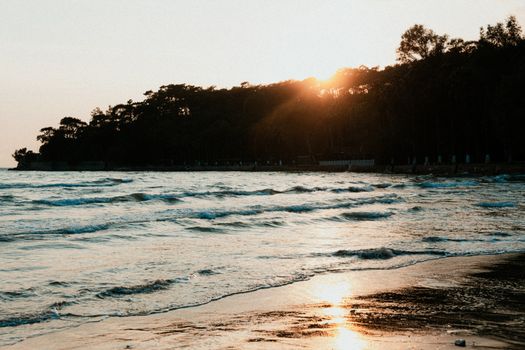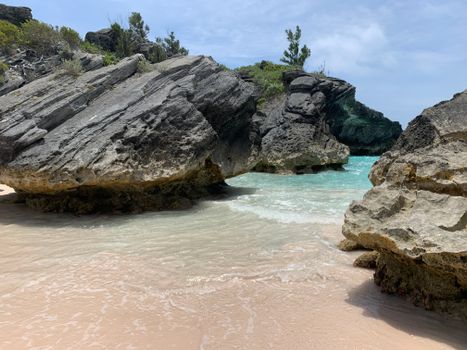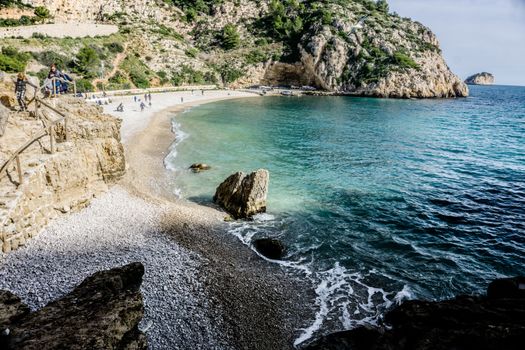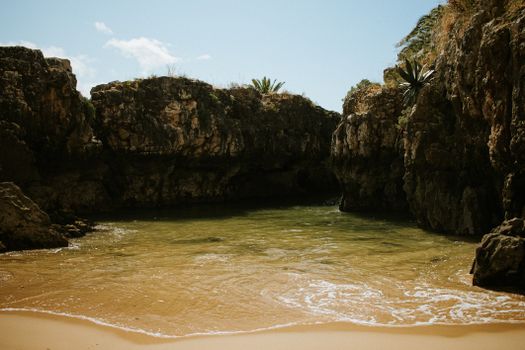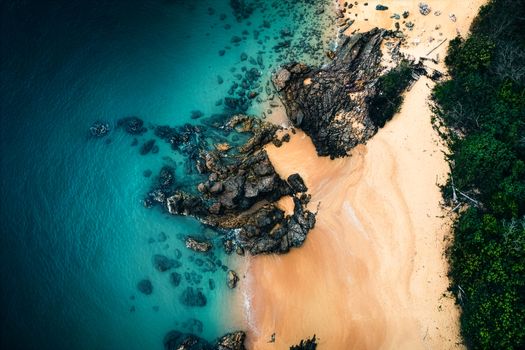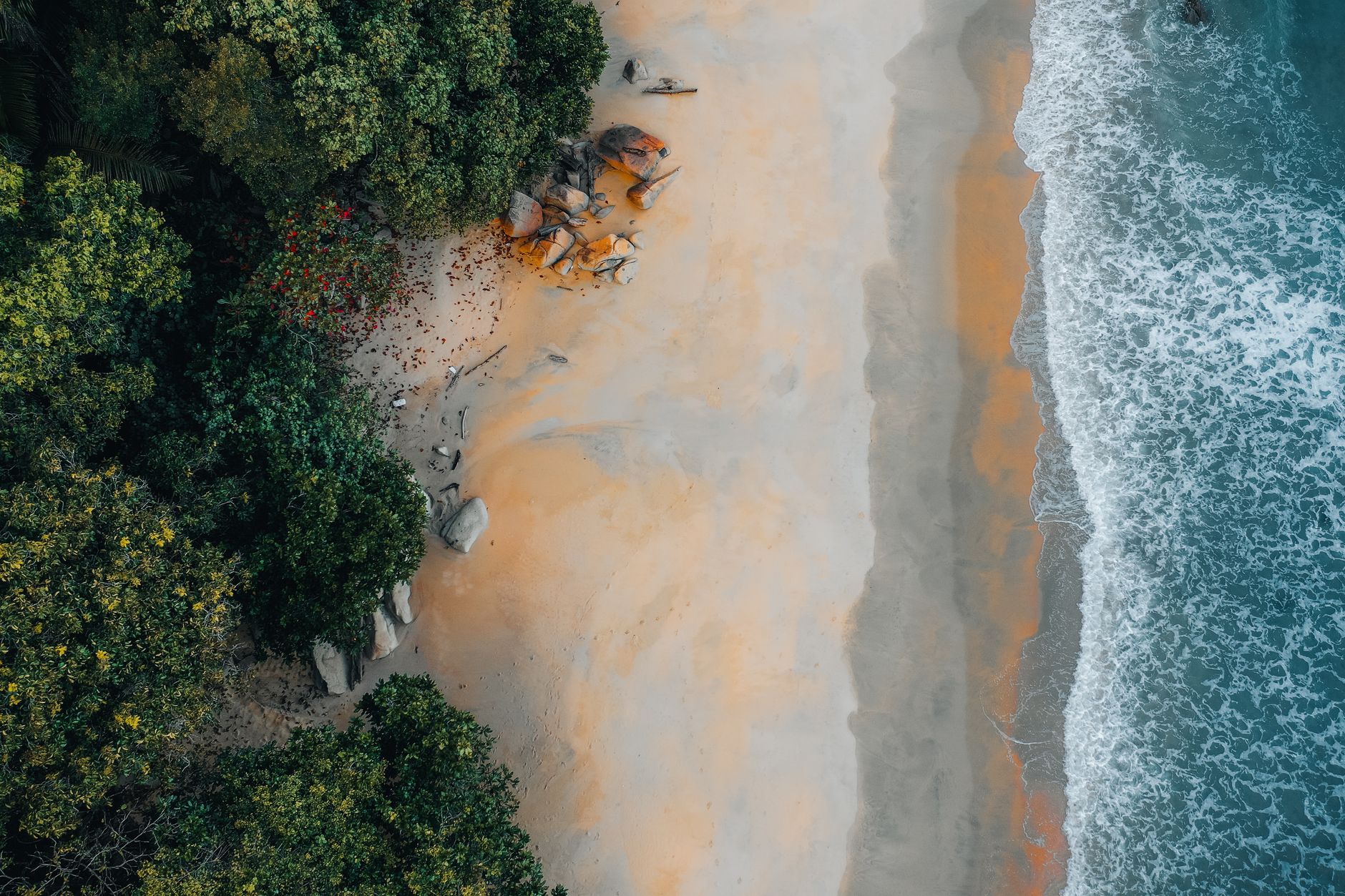
The sun beat down, warming my skin as I navigated the rocky path, the scent of pine needles and salt air filling my lungs. Ahead, through a curtain of ancient olive trees, the Mediterranean shimmered – a sapphire jewel winking at me from below. I paused, heart thrumming with anticipation, and then, there it was: a tiny crescent of sand, no wider than a beach towel, cradled by towering cliffs. The water was so clear I could see every pebble on the seabed. There wasn't another soul in sight. Just me, the gentle lapping of waves, and the blissful silence.
This wasn't the crowded, umbrella-packed coastline I'd seen plastered across my feed, nor was it the meticulously staged backdrop of a thousand influencer selfies. This was raw, authentic beauty. This was my secret.
In a world increasingly dominated by curated feeds and "must-see" lists, it feels like every stunning vista is instantly discovered, geotagged, and subsequently swarmed. The quest for that perfect, untouched slice of paradise often leads to disappointment, as you arrive only to find it's already a bustling film set for the next viral reel. But what if I told you that true, unspoiled beauty still exists? What if I revealed the secret beaches that lie just beyond the well-trodden paths, the ones the influencers don't want you to know about because they require a little effort, a dash of adventure, and a genuine desire for tranquility over likes?
Welcome to the Tripsora guide to uncovering the world’s best-kept coastal secrets. Ditch the crowds, silence the notifications, and prepare to find your own slice of heaven.
The Allure of the Unseen: Why Go Off-Grid?
Why bother seeking out these elusive spots when there are perfectly good, easily accessible beaches everywhere? The answer, my friends, lies in the profound difference between seeing a place and experiencing it.
When you step onto a secret beach, you're not just a tourist; you're an explorer. There’s a thrill in the discovery, a quiet satisfaction in knowing you’ve earned that view. These aren't just pretty backdrops; they're sanctuaries where the rhythm of nature dictates your day. Imagine:
* Uninterrupted Serenity: No blaring music, no hawkers, no jostling for space. Just the sound of the ocean and your own thoughts.
* Authentic Connection: With nature, with yourself, and sometimes, with the handful of locals who might also cherish these spots.
* Unique Photo Opportunities: Forget the cliché shots; here, your photos will tell a story of genuine discovery, capturing the raw beauty that hasn't been filtered into oblivion.
* A Sense of Ownership (Responsibly): You become a guardian of this hidden gem, understanding the importance of leaving no trace and preserving its magic for others.
It's about trading convenience for character, instant gratification for lasting memories, and the superficial for the sublime. Ready to dive in?
1. Cala Sa Figuera, Mallorca, Spain: The Mediterranean Whisper
My first true 'secret beach' revelation happened on the Spanish island of Mallorca. Everyone flocks to Es Trenc or the bustling beaches of Palma, but after a tip from a local fisherman, my partner and I set out for Cala Sa Figuera. Located on the southwest coast, near the charming village of Sant Elm, this isn't a beach you simply drive up to.
The Journey:
We parked our rented Fiat Panda near the edge of Sant Elm and followed a rough, winding trail that snaked through fragrant pine forests. The path was uneven, requiring sturdy shoes and a sense of adventure. After about 25 minutes of navigating rocky descents and sun-dappled groves, the trees parted, and the world opened up.
The Reward:
Below us, a tiny, pebble-and-sand cove, perhaps 30 meters wide, glistened. The water was an impossible turquoise, so clear it felt like swimming in liquid glass. A few ancient fishermen's huts, built into the rock, blended seamlessly with the landscape. We spent hours snorkeling, watching tiny fish dart among the rocks, and simply floating, feeling the warm sun on our faces. The only sounds were the gentle lapping of waves and the distant cry of gulls. We packed a simple picnic of local cheese, olives, and crusty bread, which tasted like a feast fit for kings in that sublime setting.
Practical Tips:
* Getting There: Fly into Palma de Mallorca (PMI), rent a car, and drive to Sant Elm. Park at the edge of town and follow the hiking trails towards the coast. Ask locals for "Cala Sa Figuera" – they might give you a knowing smile.
* What to Bring: Good walking shoes, plenty of water, snacks/picnic, snorkel gear, a small towel, and sunscreen. There are no facilities.
* Best Time to Visit: Early morning or late afternoon to avoid the midday sun on the hike and for the best light. Spring (April-May) and Autumn (September-October) offer pleasant temperatures and fewer people.
* Cost: Free! Just the cost of your car rental and provisions.
2. The North End of Nacpan Beach, El Nido, Palawan, Philippines: Beyond the Twin Beach Hype
El Nido, Palawan, is a dream destination, but its main attractions – the island-hopping tours A, B, C, D – can feel like a conveyor belt of crowded lagoons and selfie queues. Nacpan Beach, famous for its "Twin Beach" sandbar, is often on the itinerary, but most visitors stick to the main, more accessible stretch. My secret? The far, far north end.
The Journey:
My friend and I rented a trusty scooter in El Nido town (around 500 PHP/day, about $10 USD). The ride to Nacpan involves a good 45 minutes on increasingly rough, unpaved roads. It’s bumpy, dusty, and a true adventure. Once you reach the main Nacpan entrance, keep driving north along the beach, past the handful of beach bars and guesthouses. The road eventually fades into a sandy track, and you’ll need to walk the last stretch.
The Reward:
Here, the iconic golden sand stretches for miles, framed by towering coconut palms, but without the crowds. We found a secluded spot under a leaning palm, its fronds offering perfect shade. The water was warm, calm, and incredibly inviting. We discovered a makeshift rope swing hanging from a tree, a simple joy that felt utterly liberating. The only company was a lone local fisherman casting his net in the distance and the occasional stray dog wandering by. We bought fresh young coconuts from a tiny, makeshift stall run by a local family, the sweet water a perfect refreshment after the bumpy ride. It was the quintessential 'deserted island' experience, yet still within reach.
Practical Tips:
* Getting There: Fly into El Nido (ENI) or Puerto Princesa (PPS) and take a van to El Nido. Rent a scooter or hire a tricycle driver for a full day (negotiate price, around 1500-2000 PHP, $30-40 USD).
* What to Bring: Sunscreen (lots!), insect repellent, cash (no ATMs), water, snacks, a good book, and your sense of adventure.
* Best Time to Visit: Dry season (November to May) for calm seas and sunny skies. Go early morning to have the beach almost entirely to yourself.
* Cost: Scooter rental (500 PHP/day), gas (100-200 PHP), coconuts (50-100 PHP each).
3. The Hidden Coves of Balandra, La Paz, Baja California Sur, Mexico: Kayak to Your Own Paradise
Playa Balandra, near La Paz, is famous for its iconic "Mushroom Rock" and impossibly shallow, calm turquoise waters. It’s often touted as one of Mexico’s most beautiful beaches, and while it can get busy, its true magic lies in the lesser-known coves accessible only by water.
The Journey:
My partner and I rented a double kayak (around 300 MXN/hour, about $15 USD) from one of the vendors at the main Balandra beach. We paddled past the crowds, past the famous mushroom, and around the headlands. The sea was incredibly calm, more like a giant, shimmering lake.
The Reward:
After about 30 minutes of paddling, we rounded a bend and found it: a tiny, pristine cove, barely big enough for our kayak, completely empty. The sand was soft and white, the water a mesmerizing blend of aquamarine and emerald. We pulled our kayak onto the sand and spent an hour simply floating, listening to the gentle slosh of the water against the rocks, feeling a profound sense of peace. We explored tiny tide pools, marveling at the vibrant marine life. It felt like we had discovered a secret world, a private oasis just for us. Later, we found another, slightly larger cove with mangroves, offering a completely different ecosystem to explore.
Practical Tips:
* Getting There: Fly into La Paz (LAP) or Los Cabos (SJD) and take a bus/shuttle to La Paz. Rent a car or take a taxi/Uber to Playa Balandra (about 30 minutes from La Paz).
* What to Bring: Waterproof bag, plenty of water, snacks, snorkel gear, hat, sunglasses, and reef-safe sunscreen.
* Best Time to Visit: Morning is best for calm waters and fewer people. Avoid weekends if possible. November to April offers cooler temperatures.
* Cost: Kayak/SUP rental (300-500 MXN/hour), taxi (300-400 MXN one way from La Paz).
4. Plage Legzira's Southern Coves, Sidi Ifni, Morocco: Where the Desert Meets the Ocean
Morocco’s Atlantic coast is rugged and dramatic, but most tourists stick to Essaouira or Agadir. South of Agadir, near the sleepy, blue-and-white fishing town of Sidi Ifni, lies Plage Legzira. While its famous natural arches sadly collapsed a few years ago, the raw, dramatic beauty of the area remains, and its less-accessible southern stretches hide incredible, empty beaches.
The Journey:
We rented a car in Agadir and embarked on a scenic, three-hour drive south along the coastal highway. The landscape slowly transformed from bustling towns to arid, open plains dotted with argan trees and small Berber villages. After checking into a simple guesthouse in Sidi Ifni, we drove a further 15 minutes to Legzira. Instead of heading to the main, more developed section, we took a rough, unpaved track heading south along the cliffs, which eventually led to a steep, winding path down to the beach.
The Reward:
We emerged onto a vast, windswept expanse of golden sand, framed by towering, ochre-colored cliffs. The ocean here is powerful, the waves crashing with a mesmerizing rhythm. We walked for what felt like miles, the only footprints ours, discovering smaller coves and hidden caves carved into the sandstone cliffs by centuries of waves. It felt like walking on the edge of the world. We found a small, local café perched precariously on a cliff edge, serving delicious tagine and fresh mint tea, offering panoramic views of the empty coast. The sense of solitude and raw, untamed nature was exhilarating.
Practical Tips:
* Getting There: Fly into Agadir (AGA), rent a 4x4 or sturdy car. The drive to Sidi Ifni takes about 3 hours. From Sidi Ifni, drive towards Legzira and explore the tracks heading south.
* What to Bring: Sturdy walking shoes, layers (it can be windy), water, snacks, a good camera, and an adventurous spirit. Be mindful of tides if exploring caves.
* Best Time to Visit: Spring (March-May) or Autumn (September-November) for pleasant temperatures.
* Cost: Car rental (300-500 MAD/day, ~$30-50 USD), petrol, simple guesthouse in Sidi Ifni (200-400 MAD/night, ~$20-40 USD).
5. Ko Kradan's Hidden North End, Trang Province, Thailand: A Quieter Andaman Pearl
While Phuket and Krabi steal the limelight in Thailand's Andaman Sea, the Trang archipelago offers a more laid-back, less-developed alternative. Ko Kradan is a gem, but even here, you can find solitude. Most visitors stay near the main pier or the resorts on the central east coast. The real secret lies at its northern tip.
The Journey:
We took a longtail boat from the main pier on Ko Kradan (easily arranged through your guesthouse, around 200-300 THB, ~$6-9 USD, for a short ride). Alternatively, if you’re staying at a resort on the east coast, you can embark on a leisurely 30-40 minute walk north along the beach, past the last resort, and into the undeveloped section.
The Reward:
The sand became softer, the water even clearer, and the crowds completely vanished. Here, the beach curves gently, framed by lush jungle on one side and the impossibly turquoise sea on the other. We found a perfect spot under a sprawling palm tree, its fronds almost touching the sand. The snorkeling directly offshore was surprisingly good, with vibrant coral and schools of colorful fish just a few meters out. We spent the day reading, swimming, and simply basking in the profound quiet, interrupted only by the rustle of leaves and the gentle murmur of the waves. It felt like we had our own private island, a stark contrast to the bustling beaches of more famous Thai islands.
Practical Tips:
* Getting There: Fly into Trang (TST) or Krabi (KBV). Take a minivan/taxi to Pak Meng Pier (Trang) or Kuan Tung Ku Pier (Krabi) and then a ferry or longtail boat to Ko Kradan.
* What to Bring: Snorkel gear, reef-safe sunscreen, a good book, cash (limited ATMs), water.
* Best Time to Visit: Dry season (November to April) for calm seas and sunshine.
* Cost: Longtail boat (200-300 THB), ferry to Ko Kradan (400-600 THB). Basic accommodation on Ko Kradan starts around 1000 THB (~$30 USD) per night.
The Unspoken Rules of Seclusion: Keeping Them Secret
Finding these hidden gems comes with a responsibility. The reason they remain secret is often because they are harder to reach, less developed, and therefore more fragile. Let's ensure they stay that way:
- Leave No Trace: This is paramount. Pack out everything you pack in. Don't leave trash, food scraps, or anything that doesn't belong.
- Respect Local Culture & Environment: These areas might be sacred, used by local fishermen, or home to delicate ecosystems. Be mindful, quiet, and respectful. Don't disturb wildlife or marine life.
- Share Responsibly: The irony of this post isn't lost on me! But the intent is to inspire mindful travel, not mass tourism. If you share photos, consider not geotagging the exact spot. Encourage others to seek out their own secret places.
- Be Prepared: Carry enough water, snacks, sun protection, and a first-aid kit. These places are off-grid for a reason – help can be far away.
- Go with an Open Mind: The journey is part of the adventure. Embrace the bumpy roads, the wrong turns, and the effort required. The reward is always worth it.
Your Own Unfiltered Paradise Awaits
The world is still full of wonders waiting to be discovered, far from the filters and the frenetic pace of influencer culture. These secret beaches aren't just places; they're experiences. They offer a chance to reconnect with nature, with yourself, and with the pure, unadulterated joy of discovery.
So, next time you plan a beach getaway, dare to look beyond the trending hashtags. Ask a local, pore over satellite maps, or simply follow a winding path that looks promising. The most beautiful beaches aren't always the most famous; sometimes, they're just waiting for you to find them, quietly, far from the gaze of the world.
Go forth, explore, and find your own slice of unspoiled paradise. And when you do, share your feeling of discovery, not just the location. Use #TripsoraSecrets to inspire others to seek out genuine experiences, and together, let's keep the spirit of adventure alive. Happy travels!
---