Some hotels give you a view. A few go further and make animals part of the stay: giraffes leaning through a window at breakfast, hippos grazing near a tent at night, sled dogs howling in the snow outside your cabin. These stays can be genuinely memorable, but they also raise fair questions about welfare, safety and honest marketing.
Despite the dramatic phrase, nobody should literally "sleep with animals." What you can do is choose accommodation where animals live nearby and where your visit supports their care. This guide walks through the main types of animal-centred stays, with named examples, practical advice and ethical checks. Details such as prices, availability and rules change, so confirm them with the operator before you plan.
What makes a good animal stay
The best animal stays have a few things in common.
- The animals are free or well cared for. Wild animals roam in natural habitats, and captive animals have space, veterinary care and the ability to retreat from people.
- Interaction is guided. Staff brief guests and set boundaries, such as no chasing, no feeding without supervision and no flash photography.
- The business supports conservation or local communities. Look for evidence, such as partnerships with conservation groups, anti-poaching work or community employment.
- Safety is taken seriously. Wild animals are unpredictable. Good lodges use escorts, fences or protocols.
- The marketing is honest. If a place promises guaranteed sightings of wild animals, be cautious, since nature offers no guarantees.
Giraffes at the window: Giraffe Manor, Nairobi
Perhaps the best-known animal stay is Giraffe Manor in Nairobi, Kenya. The boutique hotel is set within a protected area that is home to a herd of Rothschild's giraffes, and guests have breakfast while the animals peer through the windows. The experience is run in association with a conservation organisation focused on the endangered subspecies, and visitors are given guidance on how to interact.
Practical notes:
- The property is small and popular, so booking well ahead is common. Check availability and rules directly on the official site.
- Giraffe visits are not guaranteed at set times. The animals roam, so be flexible.
- Feeding is typically done with provided pellets under supervision. Follow staff instructions.
- Nairobi's other animal attractions, such as the national park on the city's edge and nearby sanctuaries, can be combined into a short stay.
If Giraffe Manor is out of budget or sold out, other options near Nairobi and elsewhere in Kenya combine accommodation with wildlife viewing, though they differ in style.
Safari lodges and tented camps
The classic animal stay is a safari lodge or tented camp in a reserve. In southern and eastern Africa, many camps sit unfenced in wildlife areas, which means you may hear lions, hyenas or hippos at night.
What to expect:
- Guided activities. Game drives, often at dawn and dusk, are led by trained guides. Walking safaris are offered in some areas.
- Escorted movement. In unfenced camps, staff often escort guests between their tents and the main areas after dark. Follow their instructions exactly.
- Small group sizes. Quality operators limit the number of vehicles at sightings.
- Variety of price. Options range from luxury lodges to simple mobile camps and self-drive national park campsites. Costs are often high at the top end, but there are more budget-friendly options.
- Seasonality. Wildlife viewing patterns differ by season. In dry months, animals gather near water, which makes them easier to find in some regions. In wet seasons, vegetation is thicker and prices may be lower.
Well-known regions include the Maasai Mara in Kenya, the Serengeti in Tanzania, the Greater Kruger area in South Africa, Chobe and the Okavango Delta in Botswana, and South Luangwa in Zambia. Each has distinct landscapes and conditions, so research which suits you.
Husky and reindeer stays in the far north
In northern Scandinavia and parts of Canada and Alaska, some small lodges are attached to husky farms. Guests stay in cabins, meet the dogs, and join sled trips, usually in winter. Others offer stays at reindeer herding families, giving insights into Sámi culture.
What to look for:
- Dog welfare. Reputable operators keep dogs in good condition, with proper kennels, rest and veterinary care. Ask about the dogs' retirement and breeding practices.
- Cultural respect. If a stay involves Indigenous communities, check that the community benefits and that the experience is led by them.
- Cold-weather preparation. Temperatures can be extreme. Operators typically provide thermal suits, but you need to bring good base layers, gloves and boots, and to follow safety briefings.
- The northern lights. Many visitors hope to see them, but sightings depend on weather and activity and are never guaranteed.
Farm stays and agriturismi
If your idea of sleeping close to animals is gentler, a farm stay might be the answer. In Italy, agriturismi are working farms that offer rooms and meals, often with produce from the farm. In Ireland, New Zealand, the United Kingdom and many other countries, farm stays let you wake up to sheep, cows, chickens or goats.
Advantages include affordability, space for children, and a chance to learn about food production. Some farms let you help with feeding or collecting eggs. Check what is included and respect the working nature of the farm. Gates, electric fences and animals have their own rules.
Alpaca, llama and other unusual hosts
Some small properties around the world keep alpacas, llamas or goats and invite guests to meet them. These can be charming, especially for families. Make sure animals have adequate space and that handling is gentle. Avoid places that hold animals mainly for photo opportunities, or that separate young animals from their mothers.
Eco-lodges beside sanctuaries and rescue centres
Some accommodations are located beside wildlife rescue centres or sanctuaries, where visitors may see rehabilitated animals. Quality varies greatly. A good sanctuary prioritises rehabilitation and release, does not allow cuddling or selfies with wild animals and limits visitor numbers. If an operation offers close contact with predators or primates, or breeds animals for tourist handling, think twice.
What to pack for an animal stay
Wildlife stays have their own packing needs.
- Neutral clothing. Greens, browns and khakis are common recommendations for safari, while bright colours and strong perfumes may be discouraged.
- Layers. Dawn game drives can be cold even in warm regions.
- A good hat, sunscreen and sunglasses. Open vehicles offer little shade.
- Binoculars. Many lodges lend them, but a personal pair makes a difference.
- A camera with a modest zoom, and spare batteries. Respect the rules about flash and distance.
- Insect repellent and any recommended health protection. Ask a travel clinic about requirements for your region.
- Soft bags. Small bush planes often have luggage limits and prefer soft-sided bags.
Making the experience better for the animals
Visitors can improve the experience for the animals and for themselves with small choices.
- Stay quiet. Loud voices disturb wildlife and reduce your chances of good sightings.
- Choose operators who limit numbers. Fewer vehicles and guests mean less pressure on animals.
- Do not demand a particular sighting. Pushing guides to get closer can lead to unsafe or harmful behaviour.
- Spend locally. Hire local guides, buy crafts from community cooperatives and eat at local restaurants.
- Leave no trace. Take litter with you and stay on designated tracks.
Ethical red flags
Be cautious if you see any of the following.
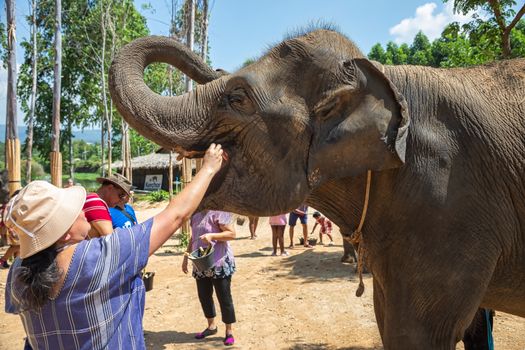
- Direct contact with wild animals for entertainment. Riding, bathing or holding wild animals, or taking photos with them, often involves poor welfare.
- Cub petting. This is linked to breeding for tourism and can harm animal welfare.
- Animals chained or in small enclosures.
- Vague claims about conservation with no evidence.
- Guarantees of sightings. Responsible operators speak about probabilities.
- No safety briefing. Wild animals can be dangerous, and a good operator will tell you the rules.
Do some research on independent review sites and conservation organisations before booking. Ask the operator direct questions: Where do the animals come from? Who cares for them? What happens when they are old?
Safety rules that apply everywhere
- Follow staff instructions without exception, particularly around wild animals and at night.
- Do not feed animals unless the operator provides food and supervision.
- Keep a respectful distance and do not block an animal's path.
- Keep food secured in your room to avoid attracting wildlife.
- Do not leave windows or doors open unless told it is safe.
- Check vaccinations and health precautions with a qualified travel health professional, as some regions have diseases like malaria.
This is general information, so check official advice for the region you visit.
Booking tips
- Book early for iconic places. Small properties may sell out far in advance.
- Read the cancellation terms. Weather and local conditions can affect plans.
- Ask what is included. Meals, activities, park fees and transfers vary widely.
- Consider travel insurance. Check it covers medical evacuation if you are going to remote areas.
- Be flexible. Wildlife has its own schedule.
Frequently asked questions
Can I really sleep next to wild animals?
You can stay in places where wildlife roams nearby, but good operators keep guests safe with fences, escorts or structures. You should not expect to share a space with wild animals.
Is Giraffe Manor worth the cost?
It depends on your priorities. It is a unique experience, but the rates are high. If budget is a concern, similar wildlife encounters can be found in other lodges and sanctuaries.
Are husky farm stays ethical?
Many are, if the dogs are well cared for and the operator is open about their practices. Ask questions and look for independent reviews.
What is the best time of year for a safari stay?
It varies by region and what you want to see. Dry seasons often make wildlife easier to spot, but wet seasons can bring lush landscapes, fewer visitors and lower prices.
Summary
Animal-focused stays can be among the most memorable trips you take, from giraffes visiting a Nairobi breakfast table to safari camps, husky lodges and friendly farm stays. The best ones treat animals with respect, brief guests on safety, support conservation and avoid selling close contact for photos. Do your homework, ask direct questions, book early where places are small and keep expectations flexible because wildlife keeps its own schedule. Confirm current details with the operator before booking.