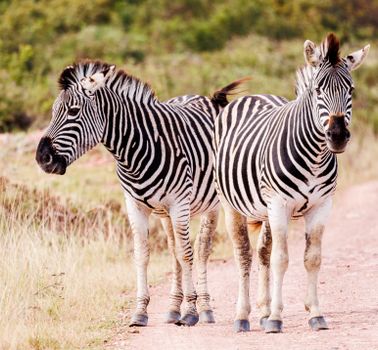
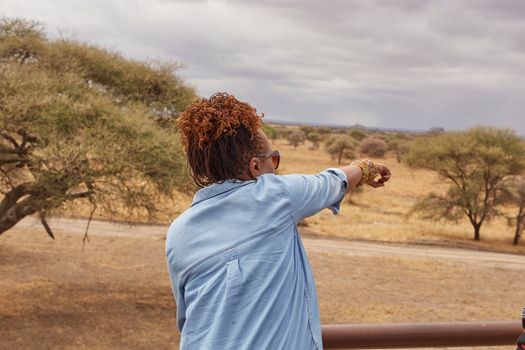
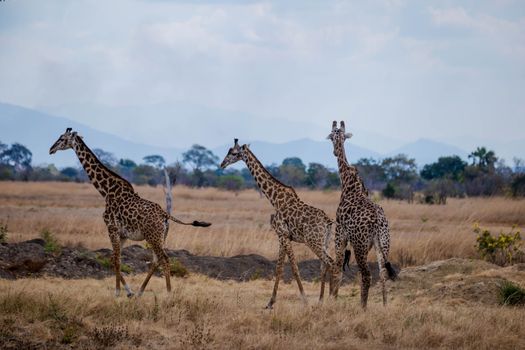
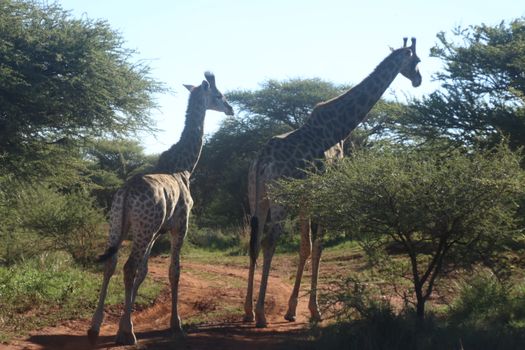
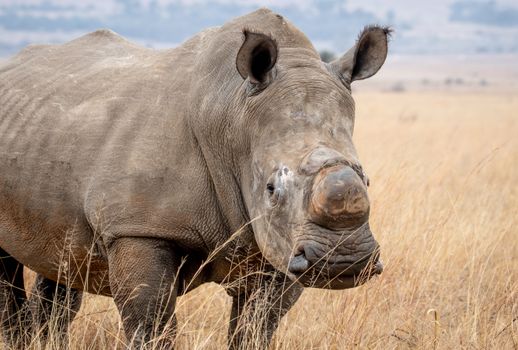
The air hung thick with the scent of damp earth and wild sage. A distant rumble, not of thunder, but of something far more primal, vibrated through my bones. I stepped off the specially adapted transfer vehicle, my breath catching in my throat. Before me, bathed in the soft, pre-dawn glow of an African sky, stretched the savanna – a canvas of emerald and gold, teeming with life. This wasn't just a safari; this was an invitation, extended without reservation, to witness the untamed heart of the continent. And for those of us who navigate the world a little differently, April 2026 promises an even more extraordinary embrace of this wild magic.
The Dawn of Accessible Exploration: Why April 2026 is Your Safari Sweet Spot
April. The word itself conjures images of transition, of nature in its most vibrant, yet accessible, phase. In many prime safari destinations, April marks the tail end of the rainy season, a period that paints the landscape in lush greens and offers fewer crowds. It’s a time when the dust settles, the air is clean, and the wildlife, often more concentrated around dwindling water sources, is a spectacle waiting to be unveiled. For accessible travel, this shoulder season is a revelation. Lodges and operators often have more flexibility, allowing for personalized arrangements and a greater focus on guest comfort and specific needs.
Beyond the Horizon: Redefining Safari Accessibility
For too long, the dream of a safari felt out of reach for many. The image of bouncing along in an open-top jeep, while iconic, wasn't a reality for everyone. But the landscape of safari travel is shifting, and the advancements in accessible safari vehicles and experiences are nothing short of revolutionary. We’re talking about vehicles engineered with precision, designed to welcome and empower, ensuring that the thrill of spotting a leopard in its natural habitat or witnessing a herd of elephants lumbering across the plains is a shared joy, not a distant fantasy.
The Game Changer: Understanding Accessible Safari Vehicles
The true heroes of this accessible safari revolution are the vehicles themselves. Forget makeshift solutions; we're talking about purpose-built marvels.
- Modified Land Cruisers and Land Rovers: These aren't your standard safari rigs. Look for those with hydraulic lifts or powered ramps integrated seamlessly into the chassis. The interiors are often reconfigured to offer ample space for wheelchairs, with secure tie-down points and comfortable seating for companions. Many feature removable seats to maximize maneuverability.
- Specialized Safari Buses: For larger groups or those requiring more stable platforms, specially adapted safari buses are becoming increasingly common. These often boast lowered floors, wider aisles, and dedicated wheelchair bays with advanced restraint systems.
- Elevated Viewing Platforms: Some lodges are investing in elevated viewing platforms that can be accessed via ramps, allowing guests to enjoy sundowners or birdwatching from a stable, comfortable vantage point without needing to transfer.
- Even Hovercrafts? (Future Forward Thinking!) While not mainstream yet, the innovation is relentless. Keep an ear out for emerging technologies that push the boundaries of what's possible in off-road, wildlife viewing.
Pro-Tip:
When booking, always ask for detailed specifications of the vehicle’s accessibility features. Don't be shy! Inquire about ramp angles, door widths, and interior turning radius if you use a power wheelchair.
Curating Your Accessible Safari Experience: It’s All in the Details
Accessibility isn't just about the vehicle; it's about the entire journey. From the moment you land to the final farewell, every element can be tailored to ensure an enriching and comfortable experience.
Lodge and Camp Adaptations: Your Home in the Wild
The true magic happens when accommodation seamlessly integrates accessibility.
- Ramped Access and Wide Doorways: This is non-negotiable. Ensure all common areas, dining spaces, and guest rooms have ramped access and wide doorways to accommodate wheelchairs.
- Accessible Bathrooms: Look for roll-in showers with grab bars, raised toilet seats, and accessible sinks. Some luxury lodges even offer pool lifts for a refreshing dip.
- Generous Room Layouts: Spacious rooms are crucial for maneuverability. Request a room specifically designated as accessible, as these are often designed with extra floor space.
- Sensory Considerations: For travelers with sensory sensitivities, inquire about quieter areas, predictable meal times, and opportunities for less stimulating activities like guided nature walks on accessible paths.
Pro-Tip:
Many high-end lodges now have dedicated accessibility coordinators. Connect with them directly well in advance to discuss your specific needs. They are your best allies in ensuring a flawless stay.
Beyond the Game Drive: Inclusive Activities
The safari experience extends far beyond the vehicle. Here’s how to ensure you can participate in everything the wild has to offer:
- Guided Nature Walks on Accessible Trails: Many parks are developing boardwalks or paved trails through certain areas, allowing for close-up encounters with flora and smaller fauna.
- Birdwatching from Accessible Hides: Dedicated bird hides with ramp access offer incredible opportunities for avian enthusiasts.
- Cultural Village Visits: Ensure any community visits are arranged with accessible pathways and respectful engagement in mind.
- Stargazing Experiences: Many camps offer accessible viewing decks for incredible night sky spectacles.
- Photography Tours: Specialized tours can be arranged with guides knowledgeable about providing optimal viewing angles and assistance for photographers with mobility challenges.
Insider Lingo:
When discussing cultural interactions, use terms like "community-based tourism" or "ethno-tourism" to signal your interest in authentic, respectful engagement.
Destination Spotlight: Where to Find Your Accessible April Adventure in 2026
While accessibility is growing across Africa, some destinations are leading the charge.
Botswana: The Jewel of the Okavango Delta
Botswana is renowned for its commitment to low-impact, high-quality tourism, which translates well to accessibility.
- Why April: The Delta is still abundant with water, the wildlife is concentrated, and the temperatures are pleasant.
- Accessible Operators: Companies like Wilderness Safaris and andBeyond are at the forefront of adapting their camps and vehicles. They often have specialized Mokoro (traditional dugout canoe) experiences adapted with stable seating.
- Key Areas: The Linyanti and Chobe regions are particularly well-equipped.
Pro-Tip:
For Mokoro trips, ask about specially designed, wider Mokoros with added stability and comfortable seating arrangements.
Kenya: The Iconic Maasai Mara
Kenya offers unparalleled wildlife viewing, and the Maasai Mara is increasingly embracing accessibility.
- Why April: Post-rainy season means lush landscapes and fewer crowds before the Great Migration herds arrive in full force later in the year.
- Accessible Operators: Look for established luxury camps that have invested in accessible infrastructure and vehicles. Some offer hot air balloon safaris with specially adapted baskets.
- Insider Insight: The Maasai Mara National Reserve itself is vast, so focus on lodges with excellent in-house accessibility.
Pro-Tip:
Hot air balloon safaris can be surprisingly accessible with the right operator. Inquire about baskets with doors and supportive seating.
Tanzania: The Serengeti's Majesty
Tanzania, home to the Serengeti and Ngorongoro Crater, is making strides in inclusive tourism.
- Why April: The short rains are usually over, leaving a green and vibrant landscape. The wildebeest migration may be moving north, offering spectacular river crossings in some areas.
- Accessible Operators: Search for operators who explicitly state their commitment to accessible vehicles and lodges within and around the Serengeti and Ngorongoro.
- Unique Experience: The Ngorongoro Conservation Area offers incredible wildlife density within its crater, and some lodges on the crater rim have excellent accessibility.
Pro-Tip:
For the Ngorongoro Crater, ensure your vehicle has good suspension and is adapted for comfortable descent and ascent, as the road can be steep.
Quick Facts: Your April 2026 Accessible Safari Blueprint
| Feature | Estimated Cost (USD) | Best Time to Visit (April) | How to Get There |
| :--------------------- | :------------------- | :------------------------- | :----------------------------------------------------------------------------------------------------------------- |
| Luxury Accessible Safari | $7,000 - $20,000+ pp | Mid-April (end of rains) | International flights to major hubs (e.g., Nairobi, Kilimanjaro, Maun), then light aircraft charters or private transfers. |
| Mid-Range Accessible Safari | $4,000 - $8,000 pp | Early-Mid April | International flights to major hubs, then shared light aircraft or road transfers. |
| Budget-Conscious Accessible Safari | $2,500 - $4,000 pp | Late April | International flights to major hubs, then more extensive road transfers or shared shuttles. |
| Vehicle Adaptations | Included in tour cost | N/A | Discuss with your tour operator; often a premium for specialized vehicles. |
| Lodge Adaptations | Included in tour cost | N/A | Prioritize lodges with certified accessibility features. |
Note:
Costs are estimates and vary widely based on destination, duration, luxury level, and specific accessibility requirements.
The Human Touch: Connecting with Local Experts
The most profound safari experiences are often enriched by the people who call these lands home.
- Guides with a Difference: Seek out guides who are not only knowledgeable about wildlife but also trained in assisting travelers with diverse needs. Their patience, understanding, and genuine enthusiasm are invaluable.
- Community Engagement: Responsible tourism means supporting local communities. Opt for lodges and tour operators that have strong partnerships with local villages, ensuring that your visit is respectful and beneficial.
- The Spice of Local Flavors: Don't just eat; savor. Inquire about the local ingredients and cooking methods. A perfectly spiced nyama choma (grilled meat) or a fragrant ugali (maize porridge) can be as memorable as a lion sighting.
Authenticity Check:
When a lodge talks about "local culture," ask for specifics. Do they employ local staff? Do they support local schools or conservation initiatives? This is the true measure of authenticity.
Packing for Your Accessible Adventure: Smart Essentials
- Comfortable, Breathable Clothing: Layers are key. Think neutral colors to blend in with the environment.
- Sun Protection: Wide-brimmed hat, high SPF sunscreen, sunglasses.
- Insect Repellent: Essential for evenings and in certain regions.
- Camera Gear: Capture those unforgettable moments! Consider a lightweight tripod or beanbag for stability.
- Personal Medical Supplies: Pack more than you think you'll need, along with any specific comfort items.
- Reusable Water Bottle: Stay hydrated and reduce plastic waste.
- Binoculars: Crucial for spotting distant wildlife.
Pro-Tip:
If you have specific needs for mobility aids (e.g., specialized cushions, extra batteries for power chairs), pack them or arrange for them in advance with your accommodation or tour operator.
The Final Roar: Embracing Your Accessible Safari Dream
April 2026 is more than just a date on the calendar; it’s a promise. A promise of untamed beauty, breathtaking encounters, and an adventure that is truly, authentically, and accessibly yours. The savanna is waiting. The wildlife calls. And with the incredible advancements in accessible vehicles and experiences, your dream safari is no longer a distant whisper, but a vibrant, achievable reality. Start planning, start dreaming, and prepare for an experience that will resonate long after the dust has settled.