The Hook: A Vibration in the Soles of My Feet
I felt the lion before I saw him. It wasn’t just the low, guttural rumble that vibrates in your chest—it was the way the dust seemed to dance on the metal floor of my custom-built Toyota Land Cruiser. As the hydraulic lift hummed quietly, lowering me to the perfect eye-level height with a 400-pound male lion lounging under an acacia tree, the "barrier" of my wheelchair simply vanished.
The air smelled of crushed wild sage and sun-baked earth. There was no "special treatment" here, only seamless engineering. For years, the safari industry was a "make-do" environment for travelers with mobility challenges. But today? The landscape has shifted. I’ve spent months consulting with conservationists and inclusive travel engineers to bring you the definitive guide to the accessible safari vehicles and experiences experts are recommending right now.
---
1. The Engineering Marvel: The Modern Accessible 4x4
The days of being hoisted into a vehicle by four well-meaning but untrained staff members are over. The gold standard in the industry now revolves around bespoke hydraulic lift systems.
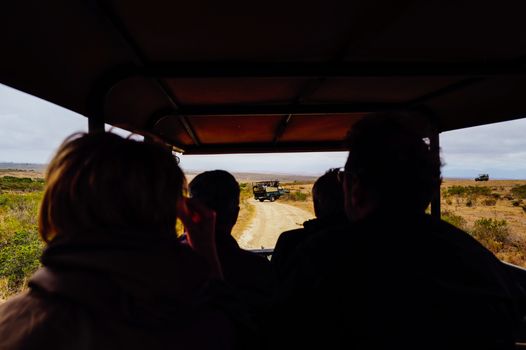
Experts are currently raving about the modified Land Rover Defenders and Toyota Hiluxes used by elite operators in South Africa and Kenya. These aren't just "vans with ramps." These are rugged, off-road beasts equipped with:
* Side-Loading Hydraulic Lifts: These allow a traveler to remain in their own wheelchair while being lifted into the vehicle.
* Electronic Tie-Down Systems: Similar to those found in urban paratransit but reinforced for the bumpy "African massage" of corrugated dirt roads.
* Removable Seating: This allows for flexible configurations, so families can sit together without the wheelchair user being relegated to the "back of the bus."
Pro-Tip:
When booking, ask if the vehicle has "swivel seats." For those who can transfer out of their chair, a swivel seat that rotates 90 degrees out of the vehicle is a game-changer for spinal comfort during 6-hour game drives.
---
2. The Destinations Leading the Charge
While the entire continent is improving, two regions are currently outperforming the rest in terms of infrastructure.
South Africa: The Gold Standard
Greater Kruger National Park remains the undisputed leader. Why? Because the infrastructure—from paved roads in the main camp to the boardwalks at private lodges—was designed with accessibility in mind. Lodges like MalaMala and Lion Sands offer fully accessible suites that don't feel like hospital rooms; they feel like five-star sanctuaries with roll-in showers and lowered vanity counters.
Kenya: The Frontier of Innovation
The Maasai Mara is catching up fast. Operators like Access 2 Africa Safaris have pioneered the use of "Safari Seats"—specialized chairs that provide extra lateral support for travelers with limited core stability. Imagine floating across the Mara plains during the Great Migration, secured safely while the wildebeest thunder past.
---
3. Beyond the Jeep: The "Joëlette" and Water Safaris
Accessibility isn't just about the drive; it’s about the experience. Experts are now recommending two specific "off-vehicle" innovations:
The Joëlette Trekking Chair:
This is a one-wheeled all-terrain chair that allows travelers with disabilities to go on "walking" safaris. Guided by two trained pilots, you can navigate narrow trails in the Bwindi Impenetrable Forest or the slopes of the Atlas Mountains. It is the ultimate tool for those who want to get their tires (or wheels) dirty.
Accessible Water Safaris:
In Botswana’s Chobe National Park, the "accessible boat" is the star. These custom-built pontoons feature flat decks and ramps, allowing wheelchair users to cruise alongside elephants bathing in the river. There is nothing quite like being at eye level with a hippo while sipping a gin and tonic from a stable, flat-surface deck.
---
4. The "Boma" Experience: Inclusive Dining
One of the most overlooked aspects of safari is the evening Boma (a traditional outdoor enclosure for meals). Traditionally, these were sandy pits around a fire—a nightmare for manual wheelchair wheels.
The "expert-recommended" lodges have solved this by installing reclaimed wood boardwalks and hard-packed decomposed granite paths that look natural but provide a "Type A" rolling surface. Look for lodges that offer "height-adjustable" dining tables. It sounds small, but being able to roll your chair under the table comfortably for a three-course meal under the stars is the difference between "visiting" and "belonging."
---
5. The Expert Checklist: What to Ask Before You Deposit
Don't take a glossy brochure at face value. To ensure you’re getting the top-tier experience experts recommend, ask these three "insider" questions:
- "Is the bathroom truly 'roll-in' or just 'step-free'?" (There is a massive difference when a heavy glass partition is in the way).
- "Do you have an on-site backup battery for CPAP machines or electric chair charging?" (Load shedding/power outages are common in rural Africa).
- "Has your staff undergone sensitivity and transfer training?" (You want a team that knows how to assist without stripping you of your dignity).
---
6. Logistics & Quick Facts
| Feature | Details | Estimated Cost (USD) |
| :--- | :--- | :--- |
| Best Time to Visit | Dry Season (May - Sept) for easier mobility on firm ground. | $500 - $1,200 per night |
| Top Vehicle Type | Toyota Land Cruiser with 300kg Hydraulic Lift. | Included in luxury packages |
| Key Hubs | Johannesburg (JNB), Nairobi (NBO), Cape Town (CPT). | Flight prices vary |
| Expert Operator | Epic Draw or Go2Africa (Accessible Wings). | Bespoke pricing |
How to get there:
Most major airlines (Emirates, Qatar, Delta) fly into JNB or NBO with excellent wheelchair assistance. From there, use "Federal Air" in South Africa—they are the experts in assist-loading passengers into small bush planes.
---
7. The Final Word: The Spirit of "Ubuntu"
There is a South African philosophy called Ubuntu—"I am because we are." This spirit is the heartbeat of the new accessible safari movement. It’s not just about the hydraulic pumps or the widened doorways; it’s about a culture of hospitality that refuses to leave anyone behind in the dust.
When you’re sitting at a watering hole, watching a herd of elephants teach their calves how to spray water, the mechanics of how you got there fade away. The bush doesn't care about your mobility; it only cares that you are there to witness its majesty. With the right vehicle and the right experts, the wild is finally, truly, open.
---