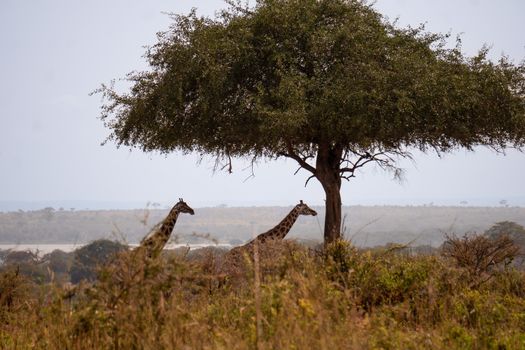
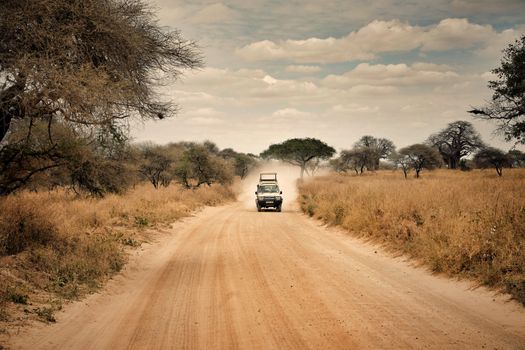
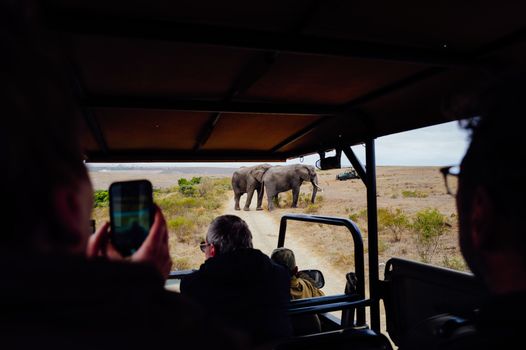
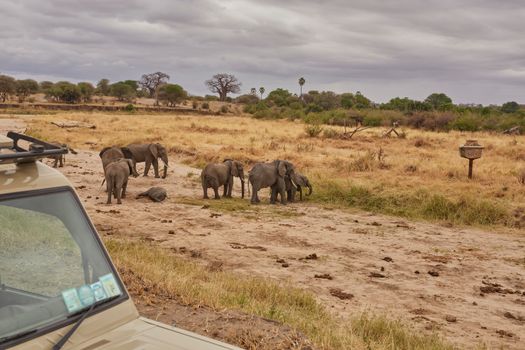
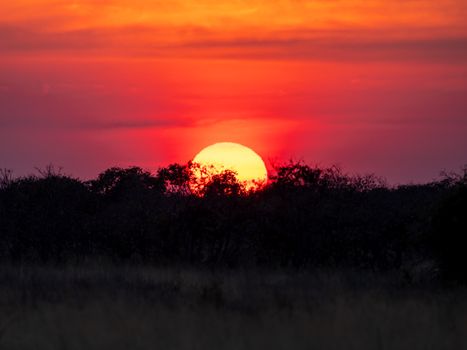
The air hung thick with the scent of damp earth and something wild, something ancient. I stepped off the tiny bush plane onto the baked red earth of the Okavango Delta, the roar of a distant lion a visceral tremor in my chest. This wasn't just a landscape; it was a living, breathing symphony of nature, a stark contrast to the well-trodden paths I’d been led to believe were the only way to experience Africa’s wild heart. For years, Kenya has held the undisputed crown in the safari world, a reputation well-deserved but, dare I say, a little too well-deserved. What if I told you there are places offering encounters so profound, so utterly unique, they eclipse even the iconic Maasai Mara? Places where the crowds are thinner, the experiences richer, and the sheer raw beauty will leave you breathless.
This isn't about diminishing Kenya's magic. It's about expanding your horizons, about uncovering the hidden gems that the well-meaning but often repetitive "expert" recommendations tend to overlook. Get ready to pack your bags for adventures that will rewrite your safari dreams.
1. Botswana: The Unrivaled Kingdom of Elephants and Untamed Wilderness
Botswana isn't just a safari destination; it's an immersion into a wilder, more exclusive Africa. Forget fenced reserves; this is about vast, unfenced concessions where wildlife reigns supreme and human presence is a respectful whisper. My first encounter with Botswana's sheer scale was overwhelming. Cruising down the Okavango Delta in a mokoro (a traditional dugout canoe), the silence was profound, broken only by the dip of the poler's pole and the rustle of reeds. Then, a herd of elephants, their massive forms silhouetted against the acacia trees, ambled into view, utterly unfazed by our presence. This is the magic of Botswana – intimate, unscripted, and utterly unforgettable.
The Okavango Delta: A Watery Wonderland
This inland delta, a UNESCO World Heritage site, is a labyrinth of channels, lagoons, and islands teeming with life. During the flood season (roughly June to September), the delta transforms, creating a haven for a staggering array of wildlife, including vast herds of elephants, buffalo, and a remarkable diversity of birdlife.
- Pro-Tip: Opt for a mokoro safari in the early morning. The light is magical, and the wildlife is most active as they cool down or forage. Listen for the symphony of birdsong – it’s nature’s alarm clock.
- Insider Insight: The true luxury here isn't opulent lodges (though they exist!), but the sheer solitude. You might go hours without seeing another safari vehicle.
Chobe National Park: The Elephant Capital
Bordering the Okavango, Chobe is renowned for its colossal elephant populations. During the dry season, thousands of elephants gather along the Chobe River, creating one of the most spectacular wildlife viewing spectacles on Earth.
- Pro-Tip: A sunset boat cruise on the Chobe River is non-negotiable. Witnessing hundreds, sometimes thousands, of elephants drinking and playing at dusk is a sight that will sear itself into your memory.
- Authentic Experience: The local guides often have an uncanny ability to predict animal movements, sharing stories passed down through generations.
Quick Facts: Botswana
| Category | Details |
| :-------------- | :------------------------------------------------------------------------- |
| Estimated Cost | $$$$ (Luxury-focused, but value for money in terms of exclusivity) |
| Best Time to Visit | Dry season (May-October) for concentrated wildlife; Wet season (Nov-Apr) for lush landscapes & birding |
| How to Get There | Fly into Maun (MUB) or Kasane (BBK) via Johannesburg (JNB) or Gaborone (GBE). Internal flights to camps are common. |
2. Namibia: Desert Giants and Star-Dusted Skies
Namibia offers a safari experience unlike any other, where the drama of the desert landscape meets the resilience of its wildlife. Imagine vast, ochre dunes stretching to the horizon, broken by ancient riverbeds and dramatic rock formations. It’s a place that humbles you, a testament to nature’s enduring power. My drive through the Namib Desert, with its colossal dunes, felt like traversing another planet. And then, the surprise: desert-adapted elephants, their hides dusted with red sand, gracefully navigating this arid terrain.
Etosha National Park: A Salty Spectacle
Etosha’s vast salt pan dominates the landscape, creating a starkly beautiful environment. The real magic happens at the waterholes, which become magnets for an incredible concentration of animals, especially during the dry season.
- Pro-Tip: Stay at one of the park's rest camps and visit the floodlit waterholes after dark. You'll witness nocturnal activity and a different cast of characters emerge under the stars. The sheer volume of animals converging is astounding.
- Expert Tip: Look for the elusive black rhino, which are more commonly spotted here than in many other African parks.
Damaraland: The Land of Desert-Adapted Wildlife
This rugged, sparsely populated region is home to some of Africa's most unique creatures. Think desert-adapted elephants, lions, and giraffes that have evolved to survive in this harsh, arid environment.
- Authentic Experience: Track rhinos on foot with local guides. This intimate experience, focusing on conservation and understanding the animals’ survival strategies, is profoundly moving. The guides’ knowledge of the terrain and animal behaviour is astonishing.
- Insider Insight: The silence in Damaraland is palpable. It’s a place for contemplation, for feeling the pulse of the earth beneath your feet.
Quick Facts: Namibia
| Category | Details |
| :-------------- | :------------------------------------------------------------------------- |
| Estimated Cost | $$$ (Mid-range to luxury, offers good value for self-drive) |
| Best Time to Visit | Dry season (May-October) for waterhole sightings; Shoulder seasons (April, November) for fewer crowds. |
| How to Get There | Fly into Windhoek (WDH). Self-drive is popular and highly recommended; 4x4 vehicles are advisable. |
3. Rwanda: The Gorilla Kingdom and Verdant Peaks
While often associated with gorilla trekking, Rwanda offers so much more for the discerning safari enthusiast. It’s a land of rolling, emerald-green hills, a testament to its successful conservation efforts and a place where profound encounters await. The moment I first saw a silverback gorilla emerge from the dense bamboo forest, his sheer power and gentle demeanor were overwhelming. It’s an experience that transcends mere wildlife viewing; it’s a connection with our closest living relatives.
Volcanoes National Park: The Gorilla Sanctuary
This is the heart of Rwanda’s primate tourism and a global leader in conservation. Trekking through the mist-shrouded rainforests to find a gorilla family is a life-changing adventure.
- Pro-Tip: Book your gorilla permits well in advance. The number of permits is limited to protect the gorillas. Dress in layers, wear sturdy hiking boots, and hire a porter – it’s worth every penny and supports the local community.
- Expert Tip: Don't just focus on the gorillas. The park is also home to golden monkeys, a delightful and playful species that offers another incredible primate encounter.
- Authentic Experience: The trek itself is as much a part of the experience as the gorilla sighting. You’ll learn about the unique flora and fauna from your knowledgeable guides.
Akagera National Park: The Resurgent Wilderness
Once depleted, Akagera is a remarkable success story of conservation and reintroduction. This diverse park offers savannah landscapes, wetlands, and lakes, supporting a wide array of wildlife, including the Big Five.
- Insider Insight: Try a night game drive. The nocturnal animals come alive, offering a completely different perspective of the park. You might spot genets, civets, and even leopards.
- Pro-Tip: Combine a game drive with a boat trip on Lake Ihema for a chance to see hippos, crocodiles, and abundant birdlife.
Quick Facts: Rwanda
| Category | Details |
| :-------------- | :------------------------------------------------------------------------- |
| Estimated Cost | $$$ (Gorilla permits are a significant cost, but overall value is high) |
| Best Time to Visit | Dry seasons (June-August, December-February) for easier trekking; Shoulder seasons for fewer crowds. |
| How to Get There | Fly into Kigali (KGL). Park access is via road; private transfers or organised tours are common. |
4. Uganda: The Primates' Paradise and Untamed Nile
Uganda, the "Pearl of Africa," is an adventurer's dream, particularly for primate lovers. Beyond the iconic gorillas, it boasts chimpanzees, golden monkeys, and a staggering diversity of other wildlife. The mist clinging to the dense canopy of Bwindi Impenetrable Forest was a prelude to the raw, untamed beauty I was about to witness. The sheer density of life here is astounding, a vibrant, buzzing ecosystem.
Bwindi Impenetrable National Park: Gorilla Majesty
Home to roughly half of the world's mountain gorillas, Bwindi offers an unparalleled trekking experience. The dense forest, ancient trees, and the sheer thrill of finding these magnificent creatures are unforgettable.
- Pro-Tip: Choose a sector of Bwindi that suits your fitness level. Rushaga and Nkuringo are more challenging but offer incredible sightings. Buhoma is more accessible.
- Expert Tip: The guides are exceptional at tracking gorillas. Listen to their advice and be prepared for an immersive jungle trek. The atmosphere when you finally encounter a family is electric.
- Authentic Experience: The local Batwa pygmy community offers cultural interactions, sharing their ancient traditions and deep connection to the forest.
Kibale National Park: The Chimpanzee Capital
This is arguably the best place in East Africa to track chimpanzees. The lush forest vibrates with their calls, and the experience of observing their complex social structures is fascinating.
- Insider Insight: Consider the chimpanzee habituation experience. You spend a full day with a habituated chimp group, offering a deeper, more intimate understanding of their lives.
- Pro-Tip: Combine your chimp trek with walks through the surrounding tea plantations for a glimpse of local life and stunning scenery.
Quick Facts: Uganda
| Category | Details |
| :-------------- | :------------------------------------------------------------------------- |
| Estimated Cost | $$ (More budget-friendly than some neighbours, but gorilla permits are a key expense) |
| Best Time to Visit | Dry seasons (June-August, December-February) for easier trekking and clearer skies. |
| How to Get There | Fly into Entebbe (EBB). Road transfers are common; internal flights are available to more remote areas. |
5. Tanzania: Beyond the Mara's Shadow (Selous & Ruaha)
While the Serengeti rightfully draws crowds, Tanzania holds other treasures, particularly in its southern circuit, which offers a wilder, more raw safari experience. These parks are less visited, meaning fewer vehicles and a more profound sense of discovery.
Selous Game Reserve (Nyerere National Park): The Untamed South
As one of Africa's largest game reserves, the Selous is a vast wilderness with diverse landscapes, from miombo woodlands to the mighty Rufiji River. It's famed for its boat safaris, walking safaris, and exceptionally high predator numbers.
- Pro-Tip: A boat safari on the Rufiji River is a must. You'll get incredibly close to hippos, crocodiles, and an astonishing variety of waterbirds. It offers a unique perspective on the ecosystem.
- Authentic Experience: Walking safaris here are exhilarating. Led by armed rangers, you learn to read the bush, track animals on foot, and appreciate the smaller details of the ecosystem. The thrill of encountering wildlife on foot is unparalleled.
- Insider Insight: The Selous feels truly wild. The sheer scale of the reserve means you can go for days without seeing another vehicle, allowing for a deeply immersive experience.
Ruaha National Park: The Land of Lions and Elephants
Tanzania's largest national park, Ruaha, is a rugged and remote wilderness known for its dramatic landscapes and impressive populations of lions and elephants. It's a place where the ancient pulse of Africa beats strongest.
- Expert Tip: Ruaha is particularly renowned for its large lion prides and the highest concentration of elephants in Tanzania. Keep an eye out for the rare wild dogs too.
- Pro-Tip: Visit during the dry season (July-October) when animals congregate around water sources, making sightings more predictable. The dry, dusty air adds to the dramatic visual.
- Authentic Experience: The park's remoteness means you'll likely have vast areas all to yourself, fostering a profound sense of connection with the wild.
Quick Facts: Southern Tanzania (Selous/Ruaha)
| Category | Details |
| :-------------- | :------------------------------------------------------------------------- |
| Estimated Cost | $$$ (Offers a more exclusive feel, can be pricier due to remoteness) |
| Best Time to Visit | Dry season (July-October) for concentrated wildlife; Wet season (November-June) for lush scenery and birding. |
| How to Get There | Fly into Dar es Salaam (DAR). Internal flights to airstrips within the parks are common and recommended. |
The Takeaway: Your Next Great Adventure Awaits
Kenya is magnificent, but the world of African safaris is vast and brimming with extraordinary, often overlooked, destinations. These places offer not just incredible wildlife encounters but also unique cultural experiences, a sense of raw wilderness, and the kind of profound connection with nature that stays with you long after you've left.
Don't just follow the well-worn paths. Dare to explore. Dare to discover. Your ultimate safari adventure might just be waiting in one of these astonishing, expert-defying destinations.