The Hook: The Silence You Can Hear
I stepped off the bush plane in the Okavango Delta, and the first thing that hit me wasn't the heat—it was the scent. It was the sharp, herbaceous tang of wild sage crushed under the tires, mixed with the metallic promise of approaching rain. There was no hum of idling diesel engines from a dozen competing tour vans. Instead, there was the rhythmic slosh-slosh of a mokoro (traditional dugout canoe) slicing through lily-choked channels and the distant, haunting bark of a kudu.
For years, Kenya has been the undisputed heavyweight champion of the safari world. But the data is shifting. According to recent luxury travel indices, high-net-worth travelers are fleeing the "Disney-fication" of the Masai Mara in favor of "Low Impact, High Value" models. If you want the raw, unfiltered pulse of Africa without the selfie sticks, these seven destinations are statistically—and experientially—better than Kenya right now.
1. Botswana: The Gold Standard of Exclusivity
If Kenya is the bustling metropolis of the safari world, Botswana is its private members' club. Recent data from the Botswana Department of Tourism highlights a strict "low volume" policy that keeps visitor numbers capped.
Why it beats Kenya:
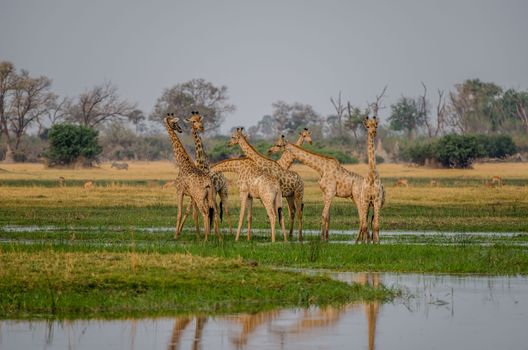
In the Okavango Delta, land is divided into private concessions. Unlike Kenya’s public parks, where any vehicle can drive anywhere, only the guests staying at a specific lodge can traverse that land.
The Experience:
You aren't just watching a leopard; you are watching a leopard in total solitude.
* Pro-Tip: Book a lodge in the Jao Concession during the flood season (June–August). You’ll navigate the plains by boat, seeing elephants swim across channels—a sight virtually impossible to find in the dusty Mara.
2. Zambia: The Home of the "Real" Safari
Zambia is currently trending as the top choice for "Safari Purists." Data from SafariBookings shows a 15% year-over-year increase in interest for South Luangwa National Park, primarily driven by the desire for walking safaris.
The Meat: Walking with Giants
Kenya’s regulations often restrict walking, but in Zambia, it’s an art form.
* The Vibe: You aren't insulated by a metal roll cage. You feel the crunch of dry mopane leaves under your boots and learn to read the "bush newspaper"—the tracks, the droppings, and the alarm calls of birds.
* Pro-Tip: Look for the "hidden entrance" to the Luangwa River near Mfuwe. Cross at 6:30 AM to catch the hippos returning to the water after a night of grazing.
3. South Africa: The Leopard Capital (Sabi Sands)
While Kenya offers the Great Migration, South Africa’s Sabi Sands offers the most reliable "Big Five" sightings on the planet. Recent ecological surveys indicate that the leopard density here is among the highest in Africa.
Authenticity & Detail:
The trackers here are legendary. They don't just look for tracks; they look for the "scuff" of a tail or the specific way a blade of grass is bent.
* The Food: Forget generic buffet lines. Expect braais (South African BBQs) featuring venison carpaccio, boerewors (spiced sausage), and a glass of bold Stellenbosch Pinotage under a canopy of stars.
* Pro-Tip: Visit in the "Green Season" (November–March). While it’s the rainy season, the bush is lush, the birdlife is spectacular, and the prices drop by nearly 40%.
4. Namibia: The Visual Masterpiece
Kenya is green and gold; Namibia is burnt orange and deep violet. For travelers who prioritize landscapes and photography, Namibia is statistically outperforming East Africa in "scenic satisfaction" surveys.
The Logistics of the Desert:
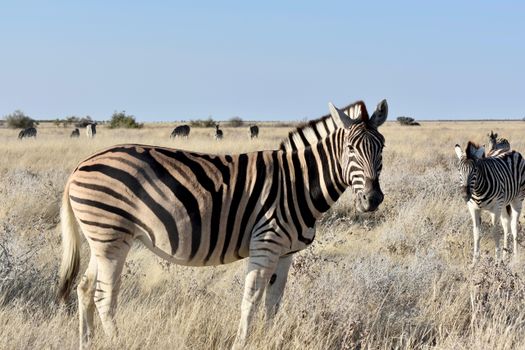
* Etosha National Park: Instead of chasing animals, you sit by the massive salt pan’s waterholes and let the animals come to you. At night, floodlit waterholes at camps like Okaukuejo provide a theatrical display of rhinos and lions.
* Pro-Tip: Rent a 4x4 with a rooftop tent. Namibia is the safest and most organized country for a self-drive safari. The "hidden gem" is the Hoanib Valley, where you can track desert-adapted elephants that survive on almost no water.
5. Rwanda: The Primate Powerhouse
While Kenya has the plains, Rwanda has the mist-shrouded volcanoes. Data from the Rwanda Development Board shows that gorilla trekking permits are the most sought-after wildlife experience in the world, despite the $1,500 price tag.
Why it’s better:
It’s a different kind of "better." It’s intimate. You are limited to one hour with the gorillas, but that hour is more profound than ten days in a jeep.
* The Detail: The scent of wild celery and damp earth in Volcanoes National Park is intoxicating.
* Pro-Tip: Stay in Musanze and visit the local markets the day before your trek. Buy a hand-carved walking stick—it’s not a souvenir; it’s a necessity for the steep, muddy terrain.
6. Tanzania’s "Southern Circuit": The Mara Without the Crowds
If you love the geography of Kenya but hate the crowds, look at Tanzania’s Nyerere National Park (formerly Selous). It is larger than Switzerland and sees a fraction of the tourists that visit the Serengeti or Masai Mara.
The Insider Angle:
Nyerere is one of the few places where you can do a boat safari on the Rufiji River. You’ll see crocodiles the size of logs and more kingfishers than you can count.
* The Stats: The ratio of lions to tourists here is significantly higher than in Kenya’s Amboseli or Nakuru.
* Pro-Tip: Fly into Stiegler’s Gorge. The dramatic cliffs offer a vantage point for photography that the flat plains of Kenya simply can’t match.
7. Zimbabwe: The High-IQ Safari
Zimbabwean guides undergo the most rigorous training on the continent (a 4-7 year process). Recent traveler feedback consistently ranks Zimbabwe #1 for "Guide Quality."
The Experience:
In Mana Pools National Park, you can track wild dogs on foot. This isn't a "canned" experience; it’s raw and adrenaline-pumping.
* Pro-Tip: Go to Chikwenya at the confluence of the Sapi and Zambezi rivers. The "forest of giants" (Anaboom trees) creates a cathedral-like atmosphere that makes the Masai Mara feel like a parking lot.
---
The Budget & Logistics: Quick Facts
| Destination | Best Time to Visit | Estimated Daily Cost (Mid-Range) | Primary Draw |
| :--- | :--- | :--- | :--- |
| Botswana | June – August | $600 - $1,200 | Water-based safaris, exclusivity |
| Zambia | May – October | $450 - $800 | Walking safaris, raw wilderness |
| South Africa | May – September | $300 - $900 | High Big Five density, luxury |
| Namibia | July – October | $200 - $500 | Landscapes, self-drive, rhinos |
| Rwanda | June – September | $1,800+ (incl. permit) | Gorilla trekking, rainforests |
| Tanzania (South) | June – October | $400 - $700 | Boat safaris, no crowds |
| Zimbabwe | July – October | $400 - $750 | World-class guiding, wild dogs |
How to get there:
Most southern destinations are accessed via Johannesburg (JNB), while Rwanda is accessed via Kigali (KGL). Use regional bush planes (Cessna Caravans) to jump between camps—it’s the "safari taxi" and provides the best aerial views.
---
Final Thoughts: The Data Doesn't Lie
Kenya will always have a place in the history of travel, but the modern adventurer seeks something more. The "better" destination is the one where you can hear the wind in the acacia trees rather than the chatter of a nearby tour group. Whether it’s the watery labyrinth of Botswana or the red dunes of Namibia, the data suggests that the true spirit of Africa has moved south.
Ready to book?
Don't just follow the herd. Be the one who finds the silence.
---